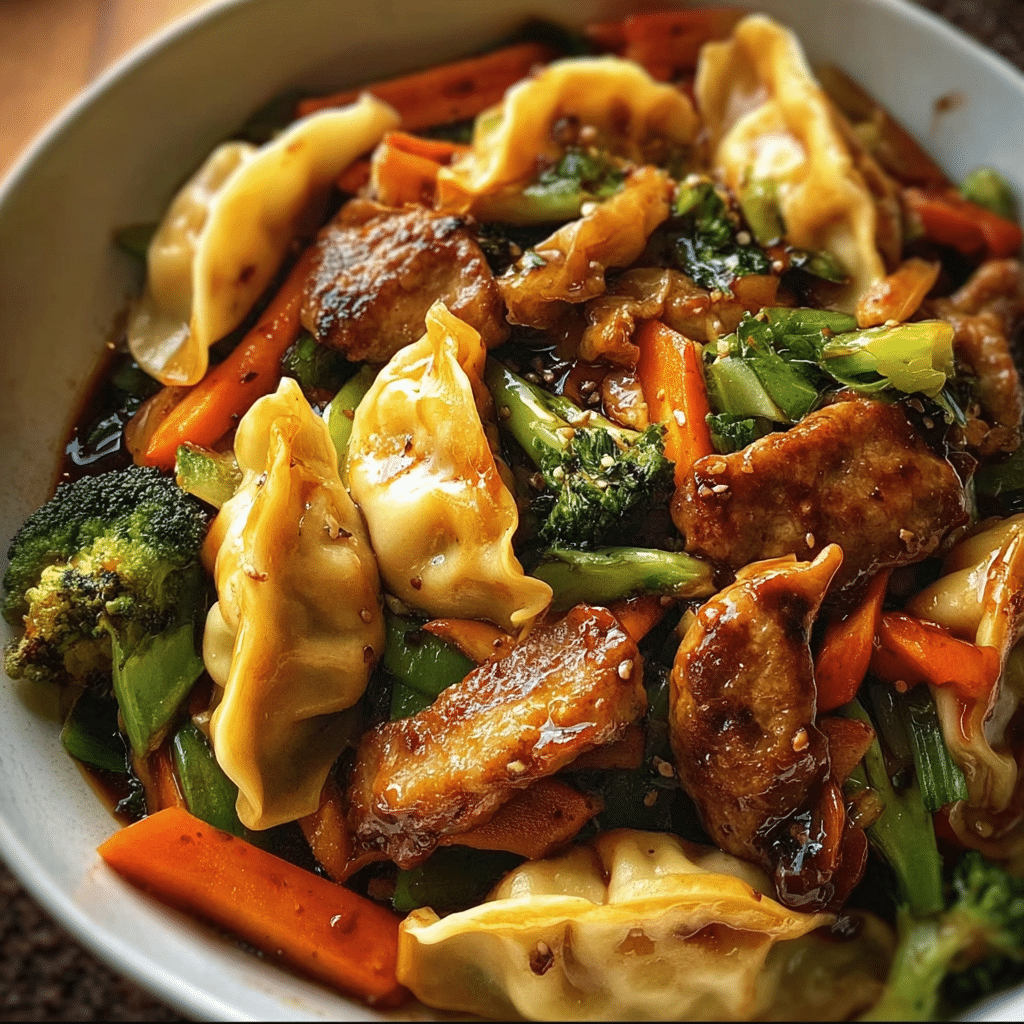
Potsticker stir fry is not just a meal; it’s a delightful experience that encapsulates the essence of comfort food. I first stumbled upon this dish during a particularly busy week when my family had a whirlwind of activities, from soccer practices to late-night study sessions. After a long day, I wanted something quick yet satisfying. As I rummaged through my pantry, I found a package of frozen potstickers. A light bulb went off in my head! What if I tossed them into a vibrant stir fry? The result was a colorful, flavor-packed dinner that my family adored. This serendipitous creation became a staple in our household, and I’m excited to share it with you.
The Story Behind This Recipe
My journey with potsticker stir fry began with a simple desire: to create a meal that was both quick and nourishing. As a busy mom, I often felt overwhelmed by the evening rush. I needed something that didn’t compromise on flavor or quality, and potsticker stir fry emerged as the perfect solution. The beauty of this dish lies in its versatility; you can use any vegetables you have on hand, and the potstickers add a delightful texture that elevates the entire meal. Every time I make this dish, it transports me back to those hectic evenings, reminding me of the joy of gathering with loved ones over a hearty meal.
Potstickers themselves are a beloved Asian dumpling, often originating from Chinese cuisine. Their name comes from the way they are cooked—pan-fried until crisp on one side, then steamed to achieve a tender finish. The concept of combining potstickers with a stir fry is a modern twist, blending traditional flavors with a quick-cooking method that suits today’s fast-paced lifestyle. This fusion not only honors the roots of potstickers but also showcases how culinary traditions can evolve to meet contemporary needs.
Why You’ll Love This Dish
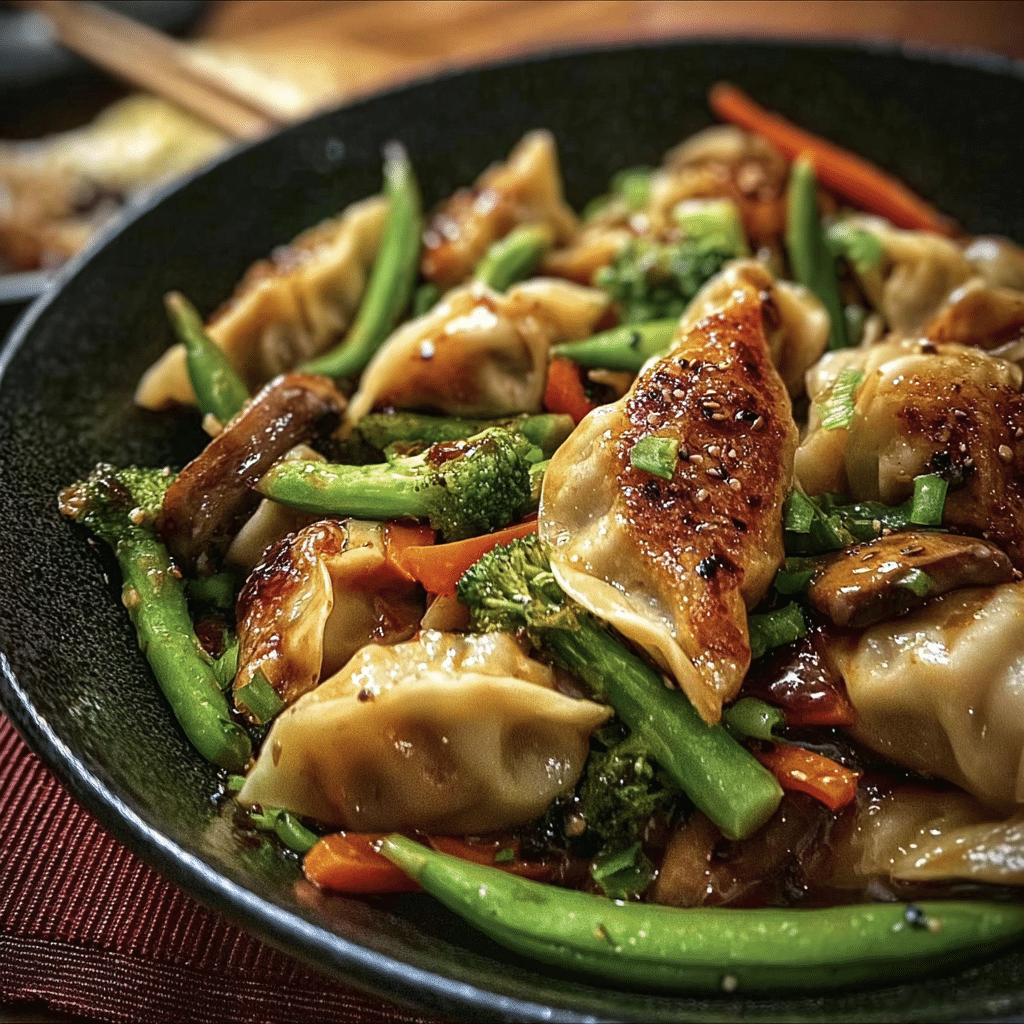
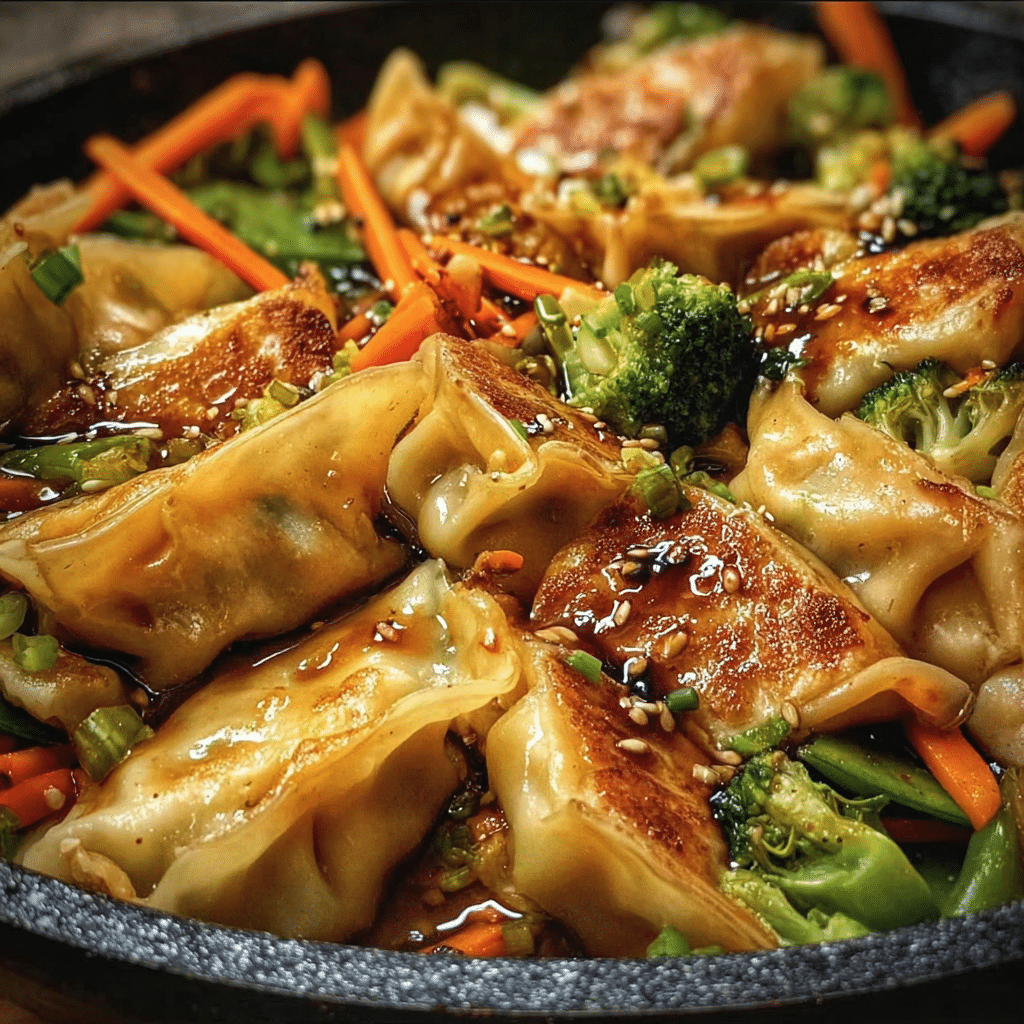
This potsticker stir fry is special because it takes the beloved dumpling and turns it into a meal that’s full of color and flavor. It’s perfect for busy families who need quick dinner solutions without sacrificing taste. With a handful of fresh vegetables and a few pantry staples, you can whip up this dish in less than 30 minutes. Imagine a plate filled with crispy potstickers, vibrant bell peppers, and crunchy snow peas, all tossed in a savory sauce. It’s a feast for the eyes and the palate!
Seasonally, this dish is incredibly versatile. In the spring, you can incorporate fresh snap peas and asparagus, while in the fall, roasted squash and kale add depth and heartiness. It’s a year-round recipe that adapts to whatever is in season, making it not just a meal but a celebration of the bounty available from your local market. Each season brings a new twist, keeping the potsticker stir fry exciting and fresh.
For me, potsticker stir fry holds an emotional connection. It’s more than just food; it’s about family and togetherness. I recall the laughter around our dinner table as my kids eagerly reached for their favorite potstickers, dipping them into a homemade soy sauce blend. It’s these moments that make cooking worthwhile. Through this article, I promise to share not only my recipe but also tips and tricks to make your potsticker stir fry a success in your own kitchen.
The Rich History and Cultural Significance of potsticker stir fry
The rich history and cultural significance of potsticker stir fry is a tapestry woven from centuries of culinary tradition. Potstickers, or “Jiaozi” as they are known in Mandarin, date back to the Eastern Han Dynasty (25-220 AD). Initially, these dumplings were filled with meat and vegetables and boiled in water. Over time, as cooking techniques evolved, the method of pan-frying potstickers emerged, creating the delightful crispy exterior that we adore today. This method not only enhances the flavor but also showcases the innovative spirit of Chinese cuisine, where texture and taste go hand in hand.
Origins and History
The origins of potstickers can be traced back to the northern regions of China, where wheat is a staple. Historically, these dumplings were often prepared during the Lunar New Year, symbolizing wealth and prosperity. The shape of the dumpling resembles ancient Chinese gold or silver ingots, making them a traditional offering for good fortune. As families gathered to prepare these treats, they would often share stories and laughter, creating a bond that transcended generations.
Across different regions of China, variations of potstickers exist. In Sichuan, for instance, they are often filled with spicy ground pork and paired with a fiery dipping sauce, while in Guangdong, they might be made with shrimp and served with a delicate soy sauce. These regional differences highlight the adaptability of potstickers, allowing them to evolve while maintaining their core identity as a beloved dish.
Cultural Significance
Potstickers are not only a staple in Chinese households but have also permeated international cuisine. As Chinese immigrants settled around the world, they brought their culinary traditions with them. Today, potstickers are enjoyed in various forms across the globe, from Japanese gyoza to Korean mandu. Each culture has embraced this versatile dish, adding local ingredients and flavors that reflect their unique culinary heritage.
In the context of potsticker stir fry, this dish embodies the spirit of fusion cooking. It’s a celebration of cultures coming together, where the traditional potsticker is elevated through modern cooking methods. This dish is often served at family gatherings and celebrations, symbolizing unity and togetherness. It’s a meal that encourages sharing, making it perfect for those special occasions when family and friends come together.
Nutritional Benefits
Beyond its cultural significance, potsticker stir fry also offers numerous nutritional benefits. The dish is a balanced meal, combining carbohydrates from the potstickers, protein from the filling, and an array of vitamins and minerals from fresh vegetables. By incorporating a variety of colorful produce, you not only enhance the visual appeal but also increase the nutrient density of the meal. For example, bell peppers provide vitamin C, while bok choy is rich in calcium and antioxidants.
Moreover, this dish can be tailored to meet various dietary needs. You can easily substitute traditional fillings with plant-based proteins, such as tofu or lentils, making it suitable for vegetarian or vegan diets. The stir fry method allows for quick cooking while preserving the nutrients in the vegetables, making it a health-conscious choice for families.
In summary, the potsticker stir fry is a dish steeped in history and cultural significance. Its origins date back centuries, and its evolution reflects the adaptability of culinary traditions. As we embrace this dish, we not only celebrate its rich history but also create new memories around the dinner table, one stir fry at a time.
Essential Ingredients for Perfect potsticker stir fry
When it comes to crafting the perfect potsticker stir fry, the ingredients you choose play a crucial role in defining the dish’s flavor and texture. Each component contributes not just to the taste but also to the overall experience of enjoying this delightful meal. Let’s dive into the essential ingredients for a successful potsticker stir fry, exploring their significance, quality indicators, and even some helpful shopping tips.
Essential Ingredients
- 2 tablespoons rice vinegar or 3 tablespoons Chinese black vinegar – The tangy notes of vinegar help to balance the richness of the potstickers while adding a delightful acidity to the stir fry.
- 2 tablespoons soy sauce – A staple in Asian cuisine, soy sauce provides the savory umami flavor that enhances the dish and complements the potstickers beautifully.
- 2 tablespoons water – This ingredient helps to create steam in the pan, ensuring that everything cooks evenly and prevents the stir fry from becoming too dry.
- 1 teaspoon cornstarch – Cornstarch is used to thicken the sauce, giving it a lovely glaze that clings to the vegetables and potstickers.
- 1 teaspoon granulated sugar – A touch of sugar balances the salty and acidic elements, adding a hint of sweetness that rounds out the flavors.
- 1/2 teaspoon Asian sesame seed oil – This oil brings a nutty aroma and flavor, enhancing the overall dish and giving it that authentic Asian profile.
- 12 frozen pot stickers or 16 frozen gyoza (do not thaw, about 12 ounces total) – The main star of our dish, these dumplings are filled with a variety of ingredients and provide a satisfying texture.
- 2 tablespoons plus 2 teaspoons vegetable oil, divided – Vegetable oil is essential for sautéing the ingredients and ensuring that they do not stick to the pan.
- 1/4 cup water – Additional water helps to steam the vegetables and potstickers, achieving that perfect tender-crisp texture.
- 8 ounces cremini mushrooms, sliced 1/4-inch thick – These mushrooms add a rich, earthy flavor and meaty texture that pairs wonderfully with the other ingredients.
- Kosher salt – Essential for seasoning, kosher salt enhances the flavors of the dish without overwhelming it.
- 8 ounces asparagus (about 1/2 bunch), cut into 1-inch pieces – Asparagus adds a fresh, vibrant crunch and is a great source of vitamins.
- 1 medium carrot, peeled and cut on the diagonal into 1/4-inch-thick ovals – Carrots bring sweetness and color, making the dish visually appealing and nutritious.
- 1 tablespoon finely chopped peeled fresh ginger – Fresh ginger adds a zesty warmth and depth of flavor, elevating the dish to a new level.
- 2 medium scallions, thinly sliced – Scallions provide a fresh, mild onion flavor and a pop of color, enhancing the overall presentation.
Potsticker Stir Fry
Ingredients
For the sauce:
- 2 tablespoons rice vinegar or 3 tablespoons Chinese black vinegar
- 2 tablespoons soy sauce
- 2 tablespoons water
- 1 teaspoon cornstarch
- 1 teaspoon granulated sugar
- 1/2 teaspoon Asian sesame seed oil
For the stir-fry:
- 12 frozen pot stickers or 16 frozen gyoza (do not thaw, about 12 ounces total)
- 2 tablespoons plus 2 teaspoons vegetable oil, divided
- 1/4 cup water
- 8 ounces cremini mushrooms, sliced 1/4-inch thick
- Kosher salt
- 8 ounces asparagus (about 1/2 bunch), cut into 1-inch pieces
- 1 medium carrot, peeled and cut on the diagonal into 1/4-inch-thick ovals
- 1 tablespoon finely chopped peeled fresh ginger
- 2 medium scallions, thinly sliced
Instructions
Make the sauce:
-
Whisk all the ingredients together in a small bowl until the cornstarch is dissolved; set aside.
Make the stir-fry:
-
Heat 2 tablespoons of the oil in a large nonstick frying pan over medium-high heat until shimmering. Place the potstickers or gyoza pleat-side up in a single layer. Fry undisturbed until the bottoms are light golden-brown, about 3 minutes.
-
Carefully add the water (be careful because the oil may spatter). Cover and cook for 3 minutes. Uncover and, using tongs, turn the dumplings onto their unpleated sides. Continue cooking uncovered until all the water has evaporated, the filling is cooked through, and the unpleated sides are golden-brown, about 3 minutes more. Transfer to a large plate.
-
Drizzle 1 teaspoon of oil into the pan, add the mushrooms and season with salt. Stir-fry until the mushrooms are browned and softened, 2 to 3 minutes, then transfer to the plate with the dumplings.
-
Drizzle 1 teaspoon of oil into the pan, add the asparagus and carrot, and season with salt. Stir-fry until the crisp-tender, about 2 minutes. Add the ginger and stir-fry for 30 seconds.
-
Return the reserved potstickers, mushrooms, and any juices back to the pan and toss gently to combine. Whisk the sauce again to recombine and dissolve the cornstarch, then add to the pan. Stir-fry until the sauce thickens and coats everything in the pan, about 30 seconds. Transfer to a serving dish and sprinkle with the scallions. Serve immediately.
Shopping Tips
When sourcing ingredients for your potsticker stir fry, it’s important to prioritize quality. For instance, look for vegetables that are vibrant in color and firm to the touch. Freshness is key, especially for ingredients like asparagus and carrots. If you can, visit local farmers’ markets where you can often find organic produce at reasonable prices.
For frozen potstickers, I recommend checking the ingredient list. Ideally, you want dumplings with a short list of recognizable ingredients. Avoid any with artificial preservatives or fillers. Brands that focus on authentic recipes will result in a much tastier stir fry.
Substitutions and Alternatives
Don’t fret if you can’t find all the exact ingredients! The beauty of cooking is that you can adapt recipes to suit your preferences or dietary needs.
- If you’re avoiding gluten, opt for tamari instead of soy sauce. It offers similar flavors without the gluten.
- For a sugar-free alternative, consider using a sweetener like stevia or erythritol, adjusting to taste.
- If you don’t have rice vinegar or Chinese black vinegar, apple cider vinegar can serve as a reasonable substitute.
- Feel free to swap out cremini mushrooms for shiitake or button mushrooms based on availability or preference.
- If asparagus isn’t in season, snap peas or green beans can provide a similar crunch and color.
Ensuring you have quality ingredients will significantly enhance your potsticker stir fry experience. Fresh, seasonal produce not only tastes better but also supports local agriculture. So, gather your ingredients and let the cooking adventure begin!
Detailed Step-by-Step potsticker stir fry Cooking Instructions
Creating a delicious potsticker stir fry is not only about the ingredients but also about the cooking process. This step-by-step guide will break down the entire process, ensuring that you can achieve a vibrant and flavorful dish in just about 30 minutes. So, roll up your sleeves, and let’s get cooking!
Preparation Steps
- Mise en Place: Start by gathering all your ingredients in one place. This is known as mise en place and is crucial for smooth cooking. Chop your vegetables—slice the mushrooms, cut the asparagus, and peel and slice the carrots. Also, finely chop the ginger and scallions. Having everything prepped will make the cooking process much easier.
- Mix the Sauce: In a small bowl, combine the rice vinegar (or black vinegar), soy sauce, water, cornstarch, and sugar. Whisk until the cornstarch and sugar are fully dissolved. Set this mixture aside; it will be added later to create a luscious glaze.
- Measure the Oils: Measure out 2 tablespoons of vegetable oil for sautéing the vegetables and 2 teaspoons for the potstickers. This will ensure you don’t run out of oil mid-cooking.
Cooking Process
- Heat the Pan: Place a large skillet or wok over medium-high heat. Once hot, add the 2 tablespoons of vegetable oil. You’ll know the oil is ready when it shimmers slightly but isn’t smoking.
- Add the Potstickers: Carefully add the frozen potstickers to the hot oil, spaced evenly apart to avoid sticking. Let them cook undisturbed for about 2-3 minutes or until the bottoms are golden brown and crispy.
- Steam the Potstickers: Pour in 1/4 cup of water and immediately cover the pan with a lid. This will create steam, cooking the potstickers through while keeping them moist. Let them steam for 5-6 minutes.
- Remove the Lid: After steaming, remove the lid carefully (watch out for steam!). Let the potstickers cook for another 2 minutes until the remaining water evaporates. This will ensure they stay crispy.
- Add the Vegetables: Push the potstickers to one side of the pan and add the remaining oil. Toss in the sliced mushrooms, asparagus, and carrots. Stir-fry for about 3-4 minutes until the vegetables are tender-crisp.
- Add Ginger and Scallions: Mix in the chopped ginger and half of the sliced scallions. Stir continuously for about 1 minute, allowing the ginger to release its fragrant aroma.
- Incorporate the Sauce: Pour the prepared sauce over the potstickers and vegetables. Stir gently to coat everything evenly. The cornstarch will thicken the sauce almost immediately, giving a nice glossy finish.
- Final Touches: Cook everything together for an additional 2-3 minutes, stirring often, until the sauce is bubbly and coats the ingredients nicely. Taste and adjust seasoning with a pinch of kosher salt if needed.
Final Assembly
- Serve: Once everything is cooked through and well combined, remove the pan from the heat. Transfer the potsticker stir fry to a serving platter.
- Garnish: Sprinkle the remaining sliced scallions over the top for a fresh finish. You can also add sesame seeds if you like for an extra crunch.
- Enjoy: Serve immediately with additional soy sauce or your favorite chili sauce on the side for those who like a little extra heat.
Cooking is an art that thrives on practice and experimentation. Don’t be afraid to make adjustments based on your taste preferences or dietary needs. Remember, the joy of cooking comes from the journey as much as the destination. Enjoy your homemade potsticker stir fry, and savor every bite!
Professional Tips and Techniques for potsticker stir fry
When it comes to crafting the perfect potsticker stir fry, the secret lies not just in the ingredients, but in the techniques and tips that transform a simple dish into a culinary masterpiece. Over the years, I’ve gathered a treasure trove of professional tips and insider secrets that elevate this beloved dish from ordinary to extraordinary. Whether you’re a novice in the kitchen or a seasoned chef, these insights will help you create a potsticker stir fry that impresses everyone at the table.
Professional Techniques
First and foremost, let’s talk about the cooking techniques. The beauty of a potsticker stir fry lies in the combination of textures and flavors. The key is to achieve that perfect balance between the crispy potstickers and the tender vegetables. Start by preheating your pan or wok until it’s smoking hot. This step is crucial; a hot surface will ensure that your potstickers get that nice golden-brown crust.
When adding your potstickers to the pan, give them space. Avoid overcrowding, which can lead to steaming instead of frying. If you’re cooking multiple batches, keep the first batch warm in a low-temperature oven. For the stir-fried vegetables, consider adding them in stages based on their cooking times. Start with the ones that take longer to cook, like carrots and bell peppers, and finish with quick-cooking greens like bok choy or spinach.
Another technique worth mastering is the art of stir-frying. Use a combination of high heat, quick movements, and a bit of oil to keep everything moving in the pan. This not only prevents burning but also ensures that every ingredient is evenly coated with sauce and flavor. And speaking of sauce, be sure to have it pre-prepared. A simple mix of soy sauce, sesame oil, and a touch of sugar can elevate your potsticker stir fry immensely.
Troubleshooting Guide
Despite your best efforts, sometimes things can go awry in the kitchen. Don’t fret; I’ve encountered my fair share of mishaps while making potsticker stir fry. One common issue is soggy potstickers. If this happens, make sure your pan is hot enough before adding them. If you find they’re not browning, it might be due to too much moisture or not enough oil. Always dry your potstickers thoroughly before cooking and don’t be afraid to use a bit more oil if needed.
Another common problem is uneven cooking. If your vegetables are overcooked, consider cutting them into uniform sizes so they cook evenly. Remember, stir-frying is a quick process, so keep an eye on your ingredients and taste as you go. If you find your flavors lacking, it may simply need a pinch of salt or an extra splash of soy sauce.
Presentation Tips
Now that you’ve mastered the cooking techniques and troubleshooting, let’s discuss presentation. A well-plated potsticker stir fry is as enjoyable to look at as it is to eat. Start by using a large, shallow bowl to allow the colors of your vegetables to shine. Arrange your potstickers around the edge and fill the center with stir-fried vegetables. A sprinkle of sesame seeds or chopped green onions adds a pop of color and texture.
Don’t forget about garnishes! Fresh herbs, like cilantro or basil, can add a refreshing touch. A drizzle of chili oil or a scattering of red pepper flakes can also make your dish visually appealing while hinting at the flavors within. Presentation plays a significant role in the dining experience, so take your time to make your potsticker stir fry as beautiful as it is delicious.
In terms of pairing with beverages, I recommend a light, crisp white wine like Riesling or a chilled sake. Both complement the savory notes of the dish beautifully. If you prefer non-alcoholic options, a refreshing iced green tea or sparkling water with a twist of lime can also enhance your meal.
Finally, if you’re looking to meal prep, consider making a larger batch of potstickers ahead of time. Freeze them before cooking, and you’ll have a quick meal option on hand. Simply toss them frozen into your stir fry, allowing for a quick defrost and crisping in the hot pan. With these professional tips and techniques, your potsticker stir fry will be a showstopper, impressing family and friends alike.
Creative Variations and Adaptations of potsticker stir fry
One of the most delightful aspects of cooking is the ability to adapt and innovate. The potsticker stir fry is a versatile dish that can be tailored to suit various tastes, dietary needs, and seasonal ingredients. Let’s explore some creative variations and adaptations that will keep this dish fresh and exciting every time you make it.
Seasonal Variations
When I think about seasonal ingredients, I’m reminded of the vibrant produce available throughout the year. In spring, I love to incorporate tender asparagus and sweet snap peas into my potsticker stir fry. Their crispness adds a delightful contrast to the soft potstickers. In summer, consider adding zucchini and bell peppers, which are abundant and bursting with flavor. As autumn rolls around, swap in roasted butternut squash and kale for a heartier version, while winter calls for hearty root vegetables like carrots and parsnips.
Additionally, think about the herbs and spices you can introduce. Fresh basil or mint can brighten up a summer stir fry, while warming spices like ginger and garlic can add depth during the colder months. Experimenting with seasonal ingredients not only keeps your meals interesting but also allows you to enjoy the freshest flavors available.
Dietary Adaptations
In our ever-diversifying culinary world, accommodating dietary preferences is essential. For those following a keto lifestyle, you can easily modify your potsticker stir fry by using cauliflower rice instead of traditional rice. This not only keeps the carb count down but also adds a nutritious boost. You can also opt for a gluten-free soy sauce or tamari to ensure that your dish is suitable for gluten-sensitive diners.
If you’re cooking for vegans or vegetarians, consider filling your potstickers with a mixture of mushrooms, tofu, and finely chopped vegetables. This not only makes them hearty but also provides a satisfying texture. For a spicy kick, add some fresh chili peppers or a dash of sriracha to your stir fry sauce, allowing everyone to adjust the heat to their preference.
Creative Twists
Fusion cooking is a fantastic way to breathe new life into traditional recipes. Why not try a Mexican twist on your potsticker stir fry? Use corn, black beans, and avocado in place of traditional Asian vegetables, and add some taco seasoning to your stir fry sauce. This unexpected combination will surprise and delight your taste buds.
Alternatively, why not go Italian? Incorporate sun-dried tomatoes, spinach, and a sprinkle of parmesan cheese. The possibilities are endless! You can also explore different cooking methods. While a classic stir fry is typically done on the stovetop, you could experiment with an oven-baked version or even a slow cooker for a more hands-off approach. Just remember that different methods may require adjustments in cooking times and temperatures.
Don’t forget about leftovers! If you have any remaining stir fry, consider repurposing it into a hearty soup or a savory omelet for breakfast the next day. The flavors will meld beautifully, creating a new and exciting dish with minimal effort.
By embracing creativity and flexibility, you can turn the humble potsticker stir fry into an endless array of dishes that cater to your tastes and dietary needs. Cooking is about expressing yourself and having fun, so don’t hesitate to experiment and make it your own!
Storage, Reheating, and Meal Prep for potsticker stir fry
When it comes to making a delicious potsticker stir fry, one of the best things about this dish is its versatility—not only in flavors but also in how it can be stored and reheated. Whether you’ve made a big batch for a family gathering or just a cozy dinner for one, knowing how to properly store your potsticker stir fry can make a world of difference in its flavor and texture when you’re ready to enjoy it again. Let’s dive into the nitty-gritty of storage, reheating, and meal prep for potsticker stir fry.
Short-term Storage
After whipping up a hearty potsticker stir fry, it’s likely that you will have some leftovers. Storing these correctly is key to maintaining their deliciousness. First, let’s discuss the refrigerator. To keep your potsticker stir fry fresh, transfer it into an airtight container. This helps to minimize exposure to air, which can dry out the ingredients. Glass containers are great because they don’t retain odors and are microwave-safe. If you’re using plastic, ensure it’s BPA-free to avoid any health concerns.
As a personal tip, I always let my stir fry cool down to room temperature before placing it in the fridge. This prevents condensation from forming, which can lead to sogginess. Generally, your potsticker stir fry should last about 3-4 days in the refrigerator. However, it’s always a good idea to give it a sniff before diving back in; if anything smells off, it’s better to be safe than sorry.
Freezing and Long-term Storage
If you’ve made more potsticker stir fry than you can eat in a few days, freezing is a fantastic option. This is especially true if you’re meal prepping for a busy week. To freeze your stir fry, let it cool completely before transferring it to freezer-safe bags or containers. I usually opt for resealable freezer bags because they take up less space and can be laid flat, making for easier stacking in the freezer. When sealing, try to squeeze out as much air as possible to prevent freezer burn.
For best results, label your bags with the date so you can keep track of how long they’ve been stored. Frozen potsticker stir fry can last for up to 3 months without losing much flavor or texture. When you’re ready to enjoy it again, it’s best to thaw it in the refrigerator overnight before reheating. This ensures even heating and prevents the dish from becoming overcooked or mushy.
Reheating Best Practices
Reheating your potsticker stir fry can be a bit tricky if you want to maintain that delightful texture and flavor. While the microwave is convenient, it can make your stir fry soggy if you’re not careful. If you have the time, I recommend reheating it on the stovetop. Simply add a splash of water or broth to a skillet, cover, and heat over medium heat until warmed through. This method steams the potstickers, keeping them soft while retaining their flavor.
Alternatively, if you must use the microwave, place your stir fry in a microwave-safe dish and cover it with a damp paper towel. This will help trap moisture and prevent it from drying out. Heat it in short intervals, stirring in between to ensure even heating. Remember, patience is key to achieving that fresh-cooked taste.
For those who love batch cooking, potsticker stir fry is a great candidate for meal prep. You can chop your vegetables and prepare your protein ahead of time, storing them separately in the fridge until you’re ready to cook. This not only saves time on busy weeknights but also allows you to enjoy fresh flavors without the hassle of starting from scratch each time.
In terms of food safety, always ensure that your stir fry is cooled and stored properly to avoid any risk of foodborne illnesses. When reheating, aim for an internal temperature of 165°F (74°C) to ensure that it’s safe to eat. Following these simple steps will help you enjoy your potsticker stir fry at its best, no matter when you decide to dive into those leftovers.
In conclusion, mastering the art of storage, freezing, and reheating potsticker stir fry not only extends the life of this delightful dish but also enhances your culinary experience. Whether you’re planning for a busy week ahead or just want to savor those delicious flavors again, these tips will ensure that you get the most out of your potsticker stir fry. Happy cooking!
Nutritional Benefits and Health Information
As we dive into the nutritional aspects of potsticker stir fry, it’s essential to recognize that this dish is more than just a delicious meal; it’s also packed with nutrients that can contribute to a well-balanced diet. With a blend of proteins, vegetables, and carbohydrates, potsticker stir fry can be a wholesome choice for those looking to incorporate healthier options into their meal rotations. Let’s explore the nutritional breakdown, health benefits, and dietary considerations associated with this beloved dish.
Nutritional Profile
At its core, potsticker stir fry is a medley of ingredients, each contributing its unique set of nutrients. The primary components typically include potstickers (which can be filled with a variety of proteins like chicken, pork, or tofu), an assortment of colorful vegetables (like bell peppers, broccoli, and carrots), and a flavorful sauce. When we break down these components, we find that a single serving of potsticker stir fry can contain approximately:
- Calories: 350-500, depending on the ingredients used.
- Protein: 15-25 grams, primarily from the potstickers and any added proteins.
- Carbohydrates: 40-60 grams, mainly from the potstickers and vegetables.
- Fats: 10-20 grams, which can vary based on the cooking oil and sauce used.
This nutritional profile makes potsticker stir fry a well-rounded meal option, providing a balance of macronutrients that can keep you satisfied and energized.
Health Benefits
The health benefits of potsticker stir fry largely stem from its ingredients. For example, the vegetables provide essential vitamins and minerals, including vitamin A, vitamin C, fiber, and potassium. These nutrients play a crucial role in maintaining overall health, supporting the immune system, and promoting digestion. Additionally, if you choose lean proteins like chicken or tofu for your potstickers, you’re adding muscle-building nutrients that are vital for overall fitness and wellness.
Furthermore, the inclusion of whole grains, if you opt for whole wheat or brown rice potstickers, can enhance the fiber content, aiding in digestion and helping to keep you fuller for longer. The key is to choose high-quality ingredients that offer the best nutritional value.
Dietary Considerations
When it comes to dietary considerations, potsticker stir fry can be quite adaptable. For those with gluten sensitivities, gluten-free potstickers are widely available, and you can use tamari instead of soy sauce. For a vegetarian or vegan version, simply replace meat-based potstickers with those filled with vegetables or tofu. This way, everyone at the table can enjoy a delicious meal without worry.
In terms of calorie content and macronutrient distribution, it’s important to be mindful of portion sizes, especially if you are watching your caloric intake. A well-portioned serving of potsticker stir fry can fit into various diet plans, including balanced diets, low-carb diets, or even Mediterranean diets, depending on the specific ingredients you choose.
Moreover, if you’re looking to make your potsticker stir fry even healthier, consider swapping out heavy sauces for lighter options or homemade versions that control sugar and sodium content. Adding more vegetables or swapping out traditional potstickers for baked or steamed versions can also help reduce calorie intake while still providing a satisfying meal.
In conclusion, potsticker stir fry is not only a delightful dish but also a nutritious one, with numerous health benefits and dietary flexibility. By understanding its nutritional profile and incorporating healthy modifications, you can enjoy this beloved meal while nourishing your body. So go ahead, whip up a delicious potsticker stir fry, and savor each bite knowing you’re making a positive choice for your health!