Salisbury steak meatballs have become a cherished staple in my home, a dish that brings warmth and comfort to our dinner table. I still remember the first time I stumbled upon this delightful recipe. It was a chilly evening, and I was riffling through my grandmother’s old recipe box, searching for something hearty to cook. As I pulled out a faded index card, the delicate handwriting described a dish that combined the rich flavors of Salisbury steak with the convenience of meatballs. Little did I know that this simple combination would soon captivate my family and solidify itself as a favorite.

The beauty of salisbury steak meatballs lies in their versatility and ease of preparation. My grandmother’s recipe called for ground beef, breadcrumbs, and a mix of savory spices, and as I crafted my first batch, I felt a connection to generations past, to the women in my family who had also prepared and shared meals with love. The first bite was an explosion of flavor, and I knew I had uncovered something special. This dish quickly became a weeknight staple, a go-to recipe that allowed me to serve my family a nutritious meal without spending hours in the kitchen.
The Story Behind This Recipe
The cultural backdrop of salisbury steak meatballs is rich and layered. The dish takes its name from Dr. James Salisbury, an English physician who promoted a meat-based diet in the late 19th century. He believed that a diet high in protein would improve health, especially for those suffering from ailments like dyspepsia. His ideas sparked a culinary trend, and Salisbury steak was born—a simple, seasoned beef patty often served with gravy. Over the years, this comfort food evolved, and the concept of transforming Salisbury steak into meatballs emerged, allowing for a more family-friendly and accessible dish.
What makes salisbury steak meatballs special is their ability to marry nostalgia with modern convenience. They are perfect for busy families looking for quick dinner solutions; they can be prepped ahead of time, frozen, and easily reheated on a hectic weeknight. The addition of garlic and herbs elevates the flavor profile, making the dish not only comforting but also sophisticated enough to impress guests. As the meatballs simmer in a savory gravy, the aroma wafts through the kitchen, beckoning everyone to gather around the table.
Seasonally, salisbury steak meatballs shine during the colder months. There’s something about a hearty, home-cooked meal that warms the soul when the weather turns chilly. However, they can be enjoyed year-round, served over mashed potatoes, rice, or even pasta, adapting to whatever your family craves. The emotional connection to this dish runs deep, as it has become a part of our family rituals, from casual weeknight dinners to festive gatherings. Each bite is a reminder of love, tradition, and the joy of sharing meals together.
In this ultimate guide to salisbury steak meatballs, you will learn not only how to prepare these delicious meatballs but also the history and cultural significance behind them. You’ll discover tips for making them your own, regional variations to explore, and ideas for pairing them with sides that will elevate your meal. So roll up your sleeves, grab your apron, and let’s dive into the world of salisbury steak meatballs!
The Rich History and Cultural Significance of salisbury steak meatballs
The history of salisbury steak meatballs is as rich as their flavor, deeply rooted in American culinary tradition. While the exact origin of the dish can be somewhat murky, the concept of Salisbury steak was introduced in the United States in the late 1800s. Created by Dr. James Salisbury, this dish was originally intended to be a health food, aimed at promoting the consumption of protein-rich meat. As a physician, Salisbury encouraged his patients to eat a diet consisting primarily of beef, believing it had healing properties. This philosophy contributed to the rise of Salisbury steak as a popular dish in American households.
Origins and History
Over time, the idea of Salisbury steak evolved, adapting to the tastes and preferences of home cooks. The recipe began to include various seasonings, sauces, and sides, leading to the creation of countless variations. In the mid-20th century, as convenience became a priority in the kitchen, meatballs made their appearance as an adaptation of this classic dish. The practicality of meatballs, which could be cooked in bulk and served easily, made them a favorite choice for busy families. The transition from a steak patty to meatballs marked a significant evolution in how this dish was prepared and enjoyed.
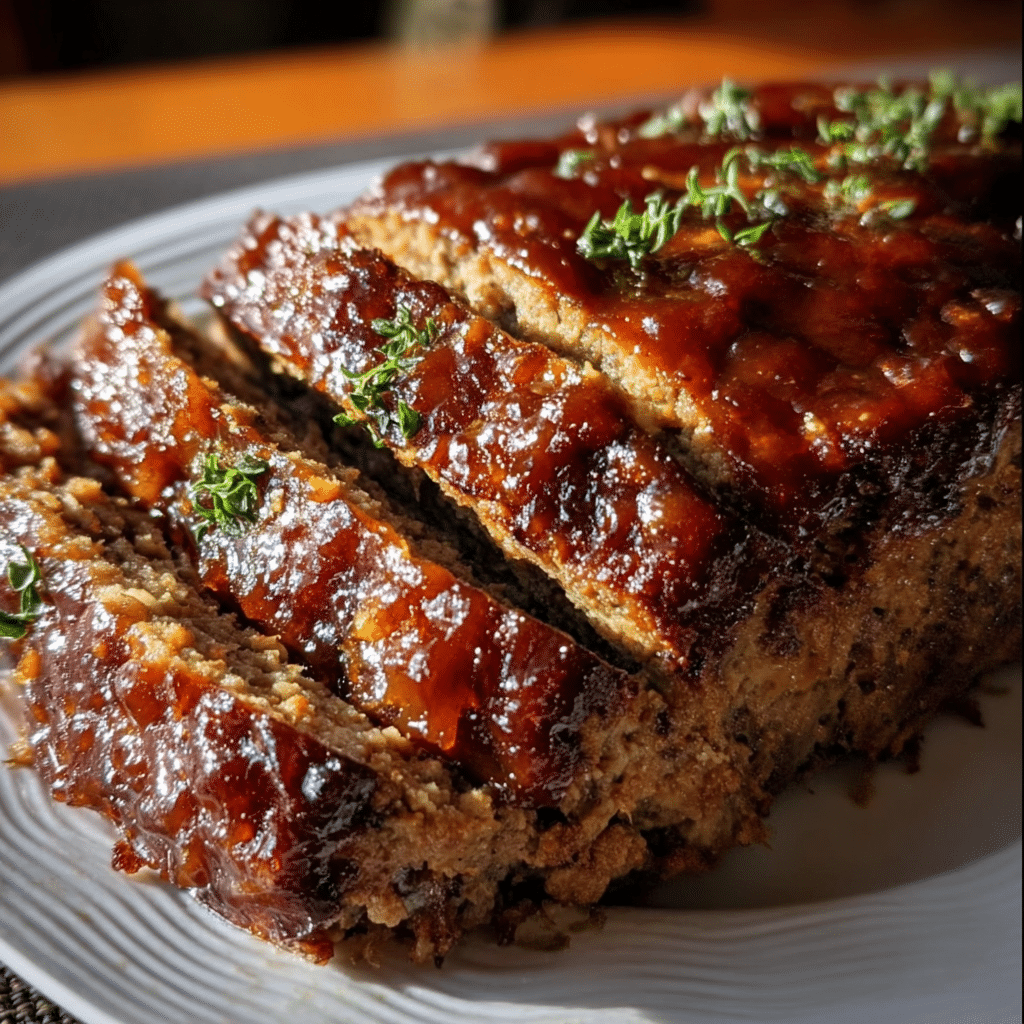
As salisbury steak meatballs gained popularity, regional variations began to emerge. In some areas, the meatballs might be served with a tangy barbecue sauce, while in others, they might be nestled in a rich mushroom gravy. Each variation reflects the local palate and traditions, adding to the dish’s charm and appeal. Some families have even developed their own recipes, incorporating unique ingredients or preparation methods that have been passed down through generations.
Cultural Significance
Salisbury steak meatballs are more than just a comforting meal; they hold cultural significance in American cuisine. Traditionally served during family gatherings, potlucks, and holiday feasts, these meatballs evoke a sense of nostalgia and togetherness. They are often associated with home cooking, where love and care are poured into every bite. This dish has a unique ability to bring people together, fostering connections and creating memories around the dinner table.
There are also famous chefs and restaurants that have embraced the salisbury steak meatball, each adding their own twist to the classic recipe. While it might not be the star dish in high-end restaurants, you can find variations in diners and comfort food establishments across the country, showcasing the dish’s enduring popularity.
Nutritional Benefits
From a nutritional standpoint, salisbury steak meatballs offer a balanced meal option. Made primarily with ground beef, they provide a good source of protein, essential for muscle growth and repair. Depending on your choice of ingredients, you can also incorporate vegetables or whole grains into the recipe, enhancing its health benefits. For instance, adding finely chopped spinach or bell peppers not only boosts the nutritional profile but also adds a pop of color and flavor to the dish.
Additionally, using lean ground beef or turkey can help reduce the fat content while still delivering the savory taste that makes this dish so appealing. Pairing the meatballs with whole grain pasta or brown rice can further increase the fiber content, making it a wholesome dinner option. In this way, salisbury steak meatballs can be adapted to fit various dietary preferences and health goals.
As we explore the world of salisbury steak meatballs, we will delve deeper into how to prepare these delightful bites, regional variations, and tips for enhancing their flavor. Join me as we uncover the secrets of this beloved dish that continues to warm hearts and fill bellies across generations.
Essential Ingredients for Perfect salisbury steak meatballs
When it comes to crafting the perfect salisbury steak meatballs, the foundation lies in the ingredients. Each component plays a crucial role in creating that mouthwatering flavor and texture that makes this dish so beloved. Let’s take a closer look at the essential ingredients that will make your salisbury steak meatballs a hit at the dinner table.
Essential Ingredients
- 1 1/2 lbs ground beef: The star of the show! Ground beef provides the rich flavor and satisfying texture that make these meatballs so delicious. Aim for an 80/20 meat-to-fat ratio for the best balance of flavor and moisture.
- 1/2 cup panko bread crumbs: These Japanese-style breadcrumbs are light and airy, providing a wonderful texture while allowing the meatballs to stay moist. Panko absorbs moisture without becoming dense, which is essential for achieving that perfect meatball.
- 1/2 onion, shredded: Onions add a sweet and savory depth to the meatballs. Shredding them ensures they integrate smoothly, giving every bite a hint of onion flavor without any overpowering chunks.
- 2 tablespoons ketchup: This not-so-secret ingredient adds a touch of sweetness and tang, enhancing the overall flavor profile of the meatballs.
- 2 tablespoons Worcestershire sauce: For that umami kick, Worcestershire sauce is indispensable. It deepens the meat flavor and adds complexity to your dish.
- 1 large egg: The egg acts as a binder, helping to hold the meatballs together while providing moisture.
- 1 tablespoon fresh parsley, finely chopped: A sprinkle of fresh herbs brightens up the dish, adding not only flavor but also a pop of color.
- 1/2 teaspoon salt: Essential for enhancing the flavors of the other ingredients. Salt helps bring out the natural taste of the meat and other components.
- 1/4 teaspoon pepper: A hint of black pepper adds warmth and depth to the seasoning.
- 3 lbs potatoes (Russet or Yukon Gold), peeled and cubed: These will serve as a hearty side, perfect for soaking up the delicious gravy created from the meatballs.
- 2 tablespoons butter: Butter adds richness to the potatoes and is a base for the gravy.
- 2/3 cup milk: Creamy and smooth, milk will help achieve the desired texture of the mashed potatoes, making them velvety.
- Salt (for potatoes): Essential for seasoning the potatoes and enhancing their natural flavor.
- 2 tablespoons butter (for gravy): This will be melted to create a roux, adding thickness and richness to the gravy.
- 1 small onion, chopped: Another layer of flavor, the chopped onion in the gravy provides sweetness and depth.
- 2 tablespoons flour: This is crucial for thickening the gravy, giving it that luscious consistency that pairs perfectly with the meatballs.
- 1 1/4 cups beef broth: Using high-quality beef broth will significantly enhance the flavor of your gravy. It’s the secret weapon for achieving that rich, meaty taste.
- 1 tablespoon Worcestershire sauce (for gravy): Just like in the meatballs, this sauce adds that umami flavor to the gravy.
- 1 tablespoon ketchup (for gravy): This adds a hint of sweetness and balances the savory flavors in the gravy.
- Salt and pepper to taste: Always remember to season to your liking!
- 1 tablespoon fresh parsley, chopped (for garnish): Fresh parsley is the finishing touch that brightens the dish and adds visual appeal.

Salisbury Steak Meatballs With Garlic Herb
Ingredients
Meatballs
- 1 1/2 lbs ground beef
- 1/2 cup panko bread crumbs
- 1/2 onion shredded
- 2 tablespoons ketchup
- 2 tablespoons Worcestershire sauce
- 1 large egg
- 1 tablespoon fresh parsley finely chopped
- 1/2 teaspoon salt
- 1/4 teaspoon pepper
Whipped Potatoes
- 3 lbs potatoes Russet potatoes or Yukon Gold, peeled and cubed
- 2 tablespoons butter
- 2/3 cup milk
- salt
Gravy
- 2 tablespoons butter
- 1 small onion chopped
- 2 tablespoons flour
- 1 1/4 cups beef broth
- 1 tablespoon Worcestershire sauce
- 1 tablespoon ketchup
- salt and pepper to taste
- 1 tablespoon fresh parsley chopped
Instructions
For the meatballs
- Preheat oven to 400F and prepare a baking sheet with a baking rack. (You can bake directly onto the baking sheet lined with parchment paper. If you are doing this, be sure to flip the meatballs halfway through the cooking process. Cooking time may also need to be adjusted.)
- To make the meatballs, mix all the ingredients in a large bowl. I recommend using a fork to mix the meatballs as this will help keep your meat tender and soft. Roll into balls and place on the baking rack.
- Bake for approximately 25-30 minutes or until completely cooked through. Use a meat thermometer to check internal temperature.
For the whipped potatoes
- Add the peeled and chopped potatoes to a large pot and fill with water, covering the potatoes with about an extra inch of water. Bring to a boil and then lower the temperature to medium and continue to cook until the potatoes are fork tender about 15-20 minutes).
- Drain potatoes and place them in the bowl of a stand mixer fitted with whip attachment (or in a large mixing bowl using if using a hand held mixer).
- Add the butter and begin to whip on low speed, slowly adding the milk. Once the milk is added, increase speed and whip on high until the potatoes are nice and smooth. You may need to stop the machine and scrape the sides of the bowl to ensure all of the potatoes are whipped. Add more milk if needed.
- Season with salt to taste.
For the gravy
- In a saucepan, melt the butter over medium heat and add the onions. Saute until the onions are soft and translucent.
- Sprinkle the onions with flour and whisk together to create a roux. Then add the beef broth, ketchup, and Worcestershire sauce and continue whisking. Season with salt and pepper as needed. If the gravy doesn’t thicken, mix 1 tablespoon of cornstarch with 2 tablespoons of water to create a slurry. Add the slurry to the gravy and whisk until the gravy thickens.
Assemble the dish
- When meatballs are cooked, add them to the gravy and toss to coat. Spoon mashed potatoes onto plates, top with meatballs and gravy and sprinkle with parsley.
Shopping Tips
When selecting your ingredients for salisbury steak meatballs, quality matters. Here are some tips to ensure you’re choosing the best:
- Ground Beef: Look for grass-fed options if possible, as they typically have a better taste and are often more nutritious. Always check the color; it should be bright red with minimal browning.
- Panko Bread Crumbs: Try to find unseasoned panko for the best flavor flexibility. You can usually find these in the international aisle of grocery stores.
- Fresh Herbs: Choose vibrant parsley with no wilting; it should feel crisp and fragrant. Fresh herbs are best used within a week of purchase to ensure optimal flavor.
- Potatoes: For the best mashed potatoes, go for starchy varieties like Russet or Yukon Gold. Look for firm, unblemished potatoes without sprouts.
Substitutions and Alternatives
Cooking is all about creativity, and sometimes you need to adapt recipes to fit dietary needs or preferences. Here are some substitutions:
- Ground Beef: You can substitute ground turkey or chicken for a leaner alternative. Just keep in mind that the flavor will be different—consider adding more seasoning if needed.
- Panko Bread Crumbs: If gluten is a concern, gluten-free breadcrumbs or finely crushed cornflakes can work as a substitute.
- Milk: For a dairy-free option, almond milk or oat milk can be used in place of regular milk for the mashed potatoes.
- Butter: Vegan butter can replace regular butter in both the mashed potatoes and the gravy, maintaining the richness without the dairy.
With these essential ingredients, you’ll be well on your way to creating delicious salisbury steak meatballs that are sure to satisfy. Remember, the quality of your ingredients can make a world of difference in the final dish, so take the time to choose wisely!
Detailed Step-by-Step salisbury steak meatballs Cooking Instructions
Now that we have gathered all the essential ingredients for our delightful salisbury steak meatballs, it’s time to get cooking! This part of the process is where the magic truly happens, transforming raw ingredients into a warm, comforting meal that will leave your family asking for seconds. Let’s dive into the detailed step-by-step cooking instructions.
Preparation Steps
- Gather Your Ingredients: Make sure you have all your ingredients laid out. This is called mise en place in the culinary world, and it makes cooking smoother. You want to ensure everything is fresh and ready to go.
- Prep the Vegetables: Start by shredding the half onion for the meatballs. Then, chop the small onion for the gravy. If you’re using fresh parsley, finely chop it as well. Set aside.
- Cube the Potatoes: Peel and cube the russet or Yukon Gold potatoes. Aim for uniform sizes to ensure even cooking. Place them in a pot of cold, salted water to prevent browning.
Cooking Process
- Cook the Potatoes: Bring the pot of cubed potatoes to a boil over medium-high heat. Once boiling, reduce the heat to medium and let them simmer for about 15-20 minutes or until fork-tender. Drain and set aside.
- Make the Meatball Mixture: In a large bowl, combine the ground beef, panko bread crumbs, shredded onion, ketchup, Worcestershire sauce, egg, parsley, salt, and pepper. Use your hands to mix gently—overmixing can lead to tough meatballs.
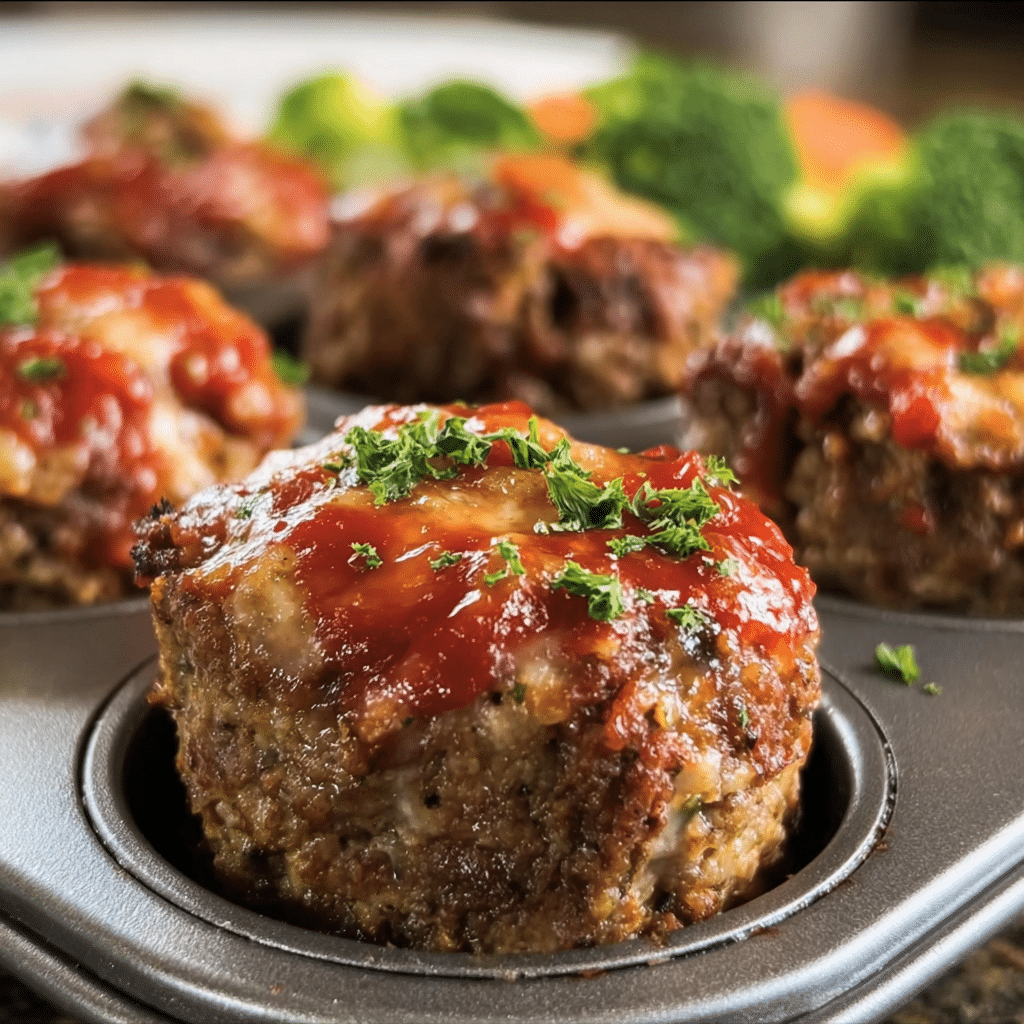
- Form the Meatballs: Using your hands, form the mixture into meatballs about 1-1.5 inches in diameter. Place them on a plate as you go. You should have about 12-15 meatballs depending on the size.
- Brown the Meatballs: In a large skillet, heat a tablespoon of oil over medium heat. Once hot, add the meatballs in batches, making sure not to overcrowd the pan. Brown them on all sides for about 8-10 minutes. They don’t need to be fully cooked as they will finish cooking in the gravy.
- Remove the Meatballs: Once browned, remove the meatballs from the skillet and set aside on a plate. They should be nicely browned but not cooked through.
- Prepare the Gravy: In the same skillet, add the two tablespoons of butter and the chopped onion. Sauté for about 3-4 minutes until the onion is translucent. This step is crucial as it builds the base flavor for your gravy.
- Make the Roux: Sprinkle the flour over the softened onions and stir to combine. Cook for another 2 minutes, stirring frequently. This roux will thicken the gravy, adding richness and depth.
- Add the Liquids: Gradually whisk in the beef broth, Worcestershire sauce, and ketchup. Bring the mixture to a simmer, allowing it to thicken slightly. Season with salt and pepper to taste.
- Return the Meatballs: Gently place the browned meatballs back into the skillet with the gravy. Cover and simmer for about 10-15 minutes, allowing the meatballs to cook through and absorb the flavors.
Final Assembly
- Make the Mashed Potatoes: While the meatballs are simmering, return to your drained potatoes. Add the 2 tablespoons of butter and the milk. Mash until creamy and smooth. Season with salt to taste.
- Plate the Dish: To serve, create a bed of mashed potatoes on each plate. Top with the salisbury steak meatballs and ladle over the rich gravy.
- Garnish: Finish with a sprinkle of fresh parsley for a pop of color and freshness.
- Enjoy: Now, dig in and relish every bite of your homemade salisbury steak meatballs! This dish is not just a meal; it’s a comforting experience that brings back memories of family gatherings and cozy dinners.
Cooking can be a joyous experience, and with these step-by-step instructions, you’ll not only create a delicious dish but also enjoy the process. Remember, the secret lies in taking your time, enjoying the scents, and savoring the flavors as they come together. Happy cooking!
Professional Tips and Techniques for salisbury steak meatballs
When it comes to cooking, especially with a dish as comforting as salisbury steak meatballs, having a few professional tips and techniques up your sleeve can elevate your culinary game. Whether you are a novice in the kitchen or an experienced home cook, these insights will not only help you perfect your salisbury steak meatballs but also enhance your overall cooking experience.
Professional Techniques
To start, let’s discuss some professional techniques that can make a significant difference in your salisbury steak meatballs. First and foremost, the choice of meat is critical. A combination of ground beef and ground pork creates a delightful flavor and texture contrast. The beef offers that robust, hearty flavor, while the pork adds moisture and richness. Aim for a blend that is around 80% lean to 20% fat to keep your meatballs juicy.
Next, consider incorporating fresh herbs and aromatics into your mixture. Chopped parsley, thyme, and even a hint of rosemary can introduce layers of flavor. Instead of just mixing these ingredients into the meat, try sautéing them in a bit of olive oil first. This technique, known as “blooming,” helps to release the essential oils and intensifies their flavors, making your salisbury steak meatballs even more aromatic.
Another professional trick is to ensure that your meat mixture is well-combined but not overworked. Overmixing can result in tough meatballs. Use your hands to gently combine the ingredients until just mixed. A light touch goes a long way in achieving that tender, melt-in-your-mouth texture.
Troubleshooting Guide
Even the most seasoned cooks encounter problems. If your salisbury steak meatballs are falling apart during cooking, it could be due to insufficient binding agents. Ensure you’re using breadcrumbs and an egg in your mixture; these help hold everything together. If you find your meatballs are too dense, consider adding a splash of milk or broth to loosen the mixture. Conversely, if they are too mushy, adding a bit more bread or oats can help absorb excess moisture.
Cooking temperature is another common issue. If you’re pan-frying your meatballs, make sure the oil is hot enough before adding them to the pan. This prevents sticking and allows for a beautiful caramelization on the outside, enhancing the overall flavor. If you prefer to bake your salisbury steak meatballs, use a preheated oven at 400°F (200°C) and place them on a wire rack over a baking sheet, which helps them cook evenly and prevents them from steaming.
Presentation Tips
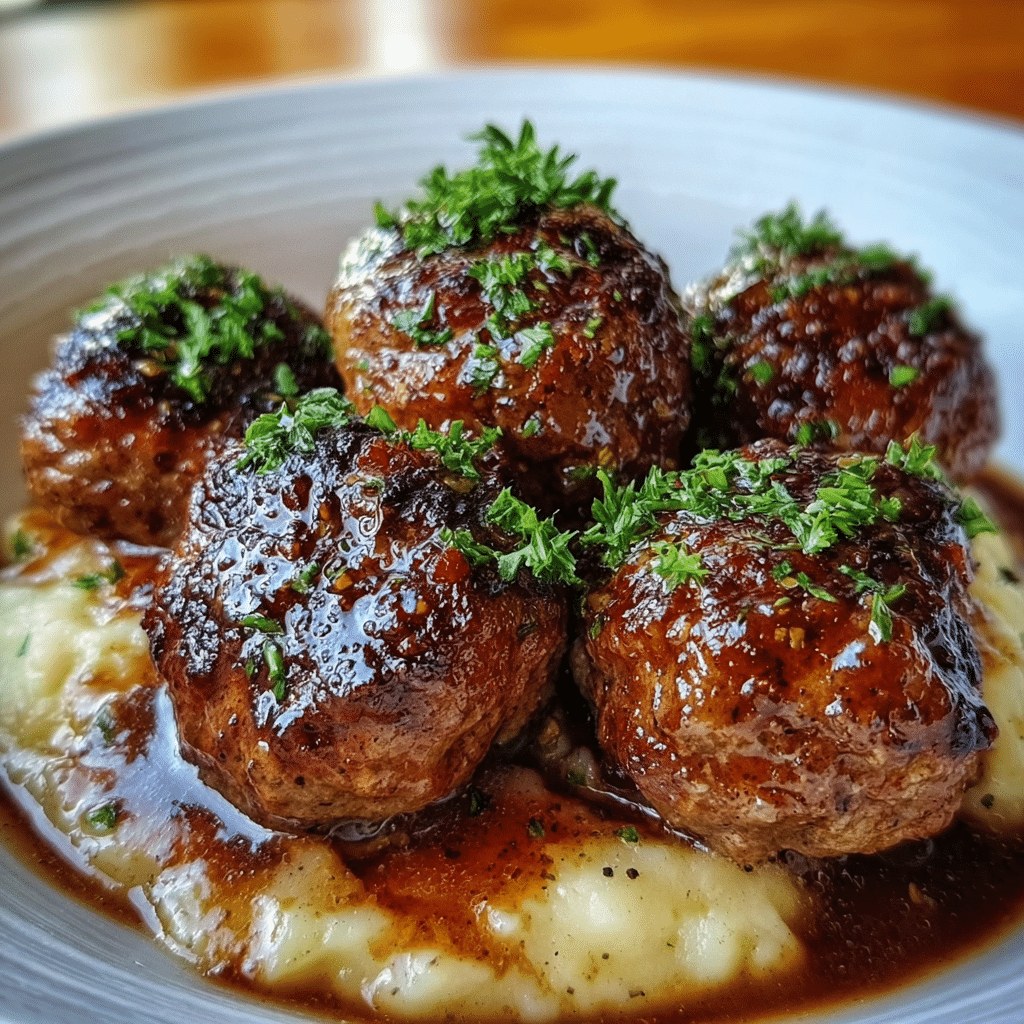
Presentation is key, especially when serving salisbury steak meatballs to guests. A simple yet elegant way to present them is by serving on a bed of creamy mashed potatoes, drizzled with a rich brown gravy. Garnish with freshly chopped parsley or chives for a pop of color. You could also serve them on skewers for a fun and interactive appetizer at a gathering.
For a more rustic presentation, consider using a cast iron skillet for serving. This not only keeps the meatballs warm but adds a charming farmhouse feel to your meal. Pair it with a side of sautéed green beans or roasted vegetables for a complete and visually appealing plate.
Make-Ahead Strategies
Meal prep is a lifesaver for busy weeknights. You can prepare your salisbury steak meatballs in advance and freeze them. Form the meatballs and place them on a baking sheet lined with parchment paper. Freeze until solid, then transfer them to a freezer-safe bag. They can be cooked straight from frozen; just add a few extra minutes to your cooking time. This makes it easy to enjoy a homemade meal even on your busiest days!
For those who love to entertain, having a batch of salisbury steak meatballs on hand is a great strategy. You can whip up a quick appetizer by serving them with toothpicks and your favorite dipping sauce. Consider pairing the meatballs with red wine, such as a Merlot or Cabernet Sauvignon, which complements the savory flavors beautifully.
Creative Variations and Adaptations of salisbury steak meatballs
While the classic salisbury steak meatballs are a beloved dish, there’s a whole world of creativity when it comes to variations and adaptations. Whether you want to spice things up or cater to dietary preferences, these ideas will inspire you to take your meatballs to the next level.
Seasonal Variations
Seasonal ingredients can breathe new life into your salisbury steak meatballs. In the fall, try adding finely chopped apples or butternut squash for a hint of sweetness and moisture. During the summer, fresh herbs like basil or cilantro can be substituted for the traditional parsley, giving your meatballs a fresh twist. Additionally, consider incorporating roasted garlic into your mixture for a deep, smoky flavor that perfectly complements the rich meat.
Another seasonal adaptation could involve a different sauce. In winter, a hearty mushroom gravy made with seasonal mushrooms can add depth and richness, while a lighter, herbed gravy with a touch of white wine could be a fantastic option in the spring. The key is to allow the season to guide your ingredients and flavors.
Dietary Adaptations
For those following specific dietary restrictions, there are numerous ways to adapt your salisbury steak meatballs. For a keto-friendly version, substitute traditional breadcrumbs with almond flour or crushed pork rinds. If you’re looking for a vegan alternative, consider using lentils or chickpeas as the base, combined with ground flaxseed and nutritional yeast for flavor and binding. There are also gluten-free breadcrumbs available that can be used in your meatball mix, ensuring everyone can enjoy this dish.
Spice level adjustments can also cater to different palates. For a kick, consider adding red pepper flakes or diced jalapeños to the mixture. Alternatively, if you’re cooking for children or those who prefer milder flavors, stick with the classic seasoning and perhaps serve a spicy dipping sauce on the side instead.
Creative Twists
Don’t be afraid to experiment with different cooking methods for your salisbury steak meatballs. While classic frying or baking is delicious, you could also try slow cooking them in a savory broth for an incredibly tender texture that falls apart in your mouth. If you have an air fryer, this can be a healthier option to get that crispy outer layer without all the oil.
Leftover transformations are another fantastic way to keep things interesting. If you have leftovers, consider turning them into a meatball sub with melted cheese or using them in a pasta dish with marinara sauce. The adaptability of salisbury steak meatballs is truly remarkable; they can fit into various cuisines and meal styles.
In conclusion, the possibilities with salisbury steak meatballs are endless! From seasonal variations and dietary adaptations to creative cooking methods and leftover transformations, the key is to experiment and find what works best for you and your family. Dive in, get creative, and enjoy the delicious results!
Storage, Reheating, and Meal Prep for salisbury steak meatballs
When it comes to savoring the rich flavors of salisbury steak meatballs, understanding the ins and outs of storage is essential. Whether you’ve prepared a batch for a cozy family dinner or you’re meal prepping for the week ahead, knowing how to properly store, reheat, and enjoy these delightful morsels can make all the difference in maintaining their flavor and texture. In this section, we’ll delve deeply into the best practices for storing salisbury steak meatballs, ensuring that you can enjoy them at their best, even days later.
Short-term Storage
After whipping up a delicious batch of salisbury steak meatballs, you may find yourself wondering how to keep them fresh in the refrigerator. For short-term storage, it’s best to allow the meatballs to cool to room temperature before packing them away. This helps prevent condensation, which can lead to sogginess and compromise their texture.
Choose airtight containers that are appropriate for refrigerator storage. Glass containers with tight-fitting lids or high-quality plastic containers work well. If you’re using plastic, opt for BPA-free varieties to keep your food safe. Make sure to separate the meatballs from any sauces to maintain the integrity of both components; the meatballs can absorb too much moisture from the sauce, resulting in a less satisfying meal upon reheating.
For best results, store your salisbury steak meatballs in the refrigerator for up to four days. If you find yourself with leftovers beyond this timeframe, it’s time to consider freezing for long-term storage.
Freezing and Long-term Storage
Freezing is an excellent option for extending the life of your salisbury steak meatballs. When you freeze them, your meatballs can last for up to three months without losing flavor or texture. To freeze properly, begin by cooling the meatballs completely, similar to the short-term storage method.
Once cooled, portion them into freezer-safe bags or containers, ensuring to remove as much air as possible to prevent freezer burn. If you’re using freezer bags, lay them flat in the freezer to save space, and once frozen, you can stand them up to stack neatly. This also allows for easier thawing as you can simply grab what you need without defrosting an entire batch.
Label your containers with the date and contents to keep track of what you have stored. When you’re ready to enjoy your salisbury steak meatballs, the best method for thawing is to move them to the refrigerator and let them thaw overnight. This slow thawing process helps retain their moisture and flavor.
Reheating Best Practices
Reheating your salisbury steak meatballs can be a breeze with the right techniques. If they’ve been frozen, it’s best to let them thaw fully in the refrigerator before reheating. You can choose to reheat them in various ways: on the stovetop, in the oven, or even in the microwave.
For stovetop reheating, place the meatballs in a skillet over medium heat, adding a splash of beef broth or water to keep them moist. Cover the skillet to trap steam, allowing the meatballs to heat through evenly. This method ensures that you maintain the original flavors and juiciness of the meatballs.
The oven is another excellent option; simply preheat it to 350°F (175°C), place your meatballs in a baking dish, cover with foil, and heat for about 20 minutes. This method is particularly good if you’re reheating a large batch. For microwave reheating, place the meatballs on a microwave-safe plate, covering them with a damp paper towel to retain moisture. Heat in short bursts, checking frequently to avoid overcooking.
As with any food, food safety is paramount. Always ensure that your meatballs reach an internal temperature of 165°F (74°C) when reheating. This not only ensures that any potential bacteria are eliminated but also guarantees that you’re enjoying a safe and delicious meal.
In summary, whether you’re storing, freezing, or reheating salisbury steak meatballs, there are plenty of techniques that will help you maintain their quality. Embrace these strategies for meal prep and enjoy the convenience of having a delicious, hearty meal ready to go whenever you need it!
Nutritional Benefits and Health Information
As we dive into the world of salisbury steak meatballs, it’s not just the tantalizing flavors and comforting textures that we should focus on. Nutrition plays a pivotal role in our culinary choices, and understanding the nutritional benefits of this classic dish can help us appreciate it even more. In this section, we’ll explore the nutritional profile of salisbury steak meatballs, their health benefits, dietary considerations, and suggestions for healthier modifications.
Nutritional Profile
When analyzing the nutritional content of salisbury steak meatballs, it’s important to look at the key ingredients that make up the dish. Typically made from ground beef, breadcrumbs, and seasoning, along with a savory gravy, these meatballs provide a range of nutrients.
A standard serving of salisbury steak meatballs (about three meatballs) can contain approximately 300-400 calories, depending on the specific ingredients used. The macronutrient breakdown generally includes:
- Protein: About 20-25 grams, making them a great source of this essential macronutrient, which is vital for muscle repair and growth.
- Carbohydrates: Roughly 15-25 grams, largely from the breadcrumbs used, providing energy and fiber.
- Fats: Approximately 15-20 grams, primarily from the beef and any oil used in cooking, which can vary based on the cut of beef.
In addition to the macronutrients, salisbury steak meatballs can also provide several vitamins and minerals, particularly when accompanied by a hearty side of vegetables or mashed potatoes. Iron, zinc, and B vitamins are prominent, thanks to the beef, while other ingredients like garlic and herbs can add antioxidant properties.
Health Benefits
One of the standout health benefits of salisbury steak meatballs is their high protein content, which is essential for muscle maintenance and overall health. For those who lead active lifestyles or are looking to build muscle, integrating meatballs into your diet can be particularly advantageous. Additionally, the iron found in the beef is critical for oxygen transport in the blood, which can be especially beneficial for individuals with iron deficiencies.
Moreover, the inclusion of herbs and garlic not only enhances flavor but also contributes to health benefits. Garlic is known for its immune-boosting properties and can aid in reducing blood pressure and cholesterol levels. Incorporating these ingredients into your meatballs makes them not only delicious but also a bit healthier.
Dietary Considerations
When it comes to dietary considerations, salisbury steak meatballs can be quite versatile. For those with dietary restrictions or preferences, there are several ways to modify the recipe. For instance, ground turkey or chicken can be used as a leaner alternative to beef, reducing the fat content while still providing a satisfying meal.
Additionally, those following gluten-free diets can substitute breadcrumbs with gluten-free options like almond flour or crushed gluten-free crackers. This allows everyone to enjoy the hearty flavors of salisbury steak meatballs without compromising their dietary needs.
Calorie-conscious individuals can also benefit from portion control. By making smaller meatballs or pairing them with a larger serving of vegetables, it’s possible to create a filling meal without overindulging in calories.
In conclusion, salisbury steak meatballs not only offer comfort and flavor but are also packed with nutritional benefits. With a bit of creativity in preparation and ingredient selection, this classic dish can easily fit into various diet plans while providing a delicious and satisfying meal. So next time you enjoy a plate of these meatballs, know that you’re indulging in something that not only tastes great but is also good for you!
Conclusion: Mastering the Perfect salisbury steak meatballs
Creating the perfect salisbury steak meatballs is more than just following a recipe—it’s about understanding the techniques, ingredients, and cultural significance behind this beloved dish. Throughout this comprehensive guide, we’ve explored everything from the historical origins to modern variations, ensuring you have all the knowledge needed to make this recipe your own.
Whether you’re a beginner cook or an experienced chef, the techniques and tips we’ve shared will help you create a salisbury steak meatballs that’s not only delicious but also meaningful. Remember that cooking is a journey of discovery, and each time you make this dish, you’ll learn something new.
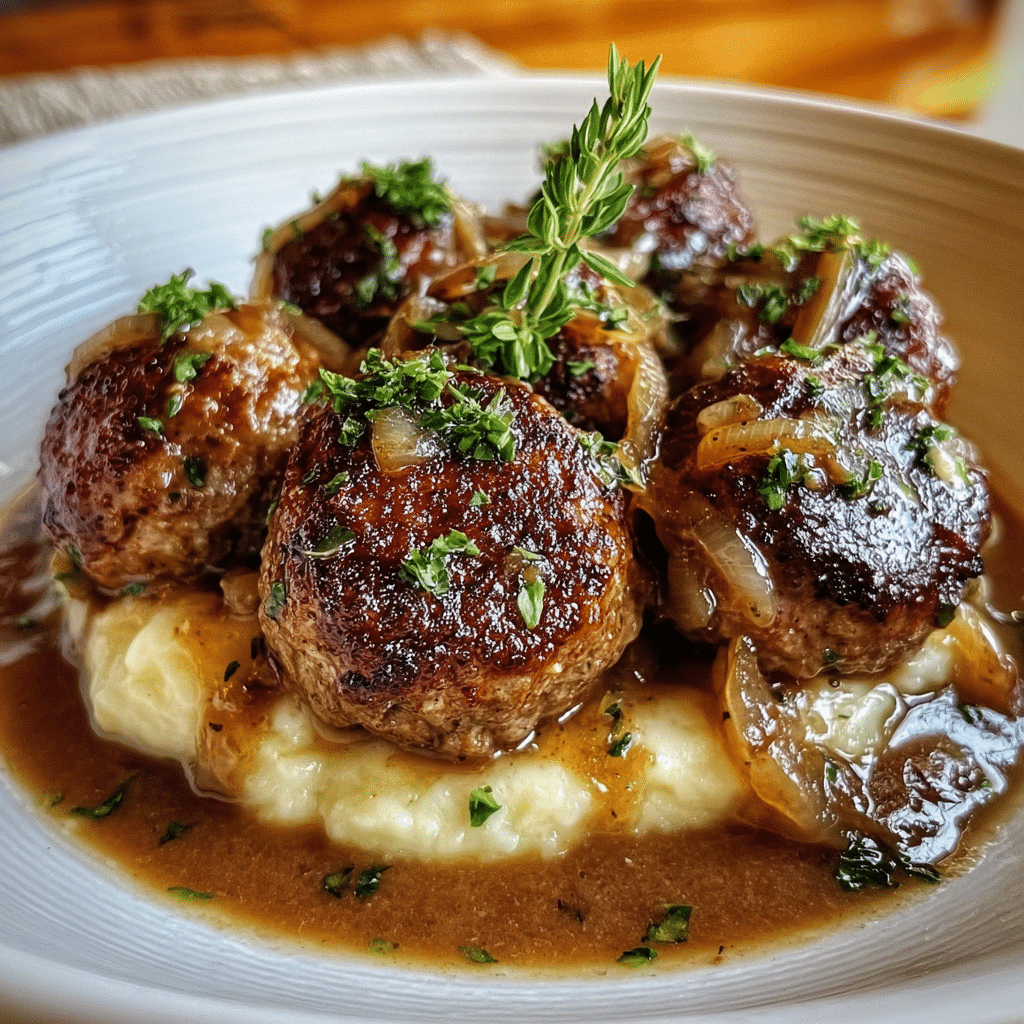
We encourage you to experiment with the variations we’ve discussed, adapt the recipe to your dietary needs, and most importantly, share it with the people you love. Food has the incredible power to bring people together, and Salisbury Steak Meatballs with Garlic Herb is the perfect dish to create lasting memories around your dinner table.
Don’t forget to share your cooking adventures with us on social media, and feel free to ask questions in the comments below. Happy cooking!
Share this recipe and let us know how it turned out! Tag us on social media for a chance to be featured.