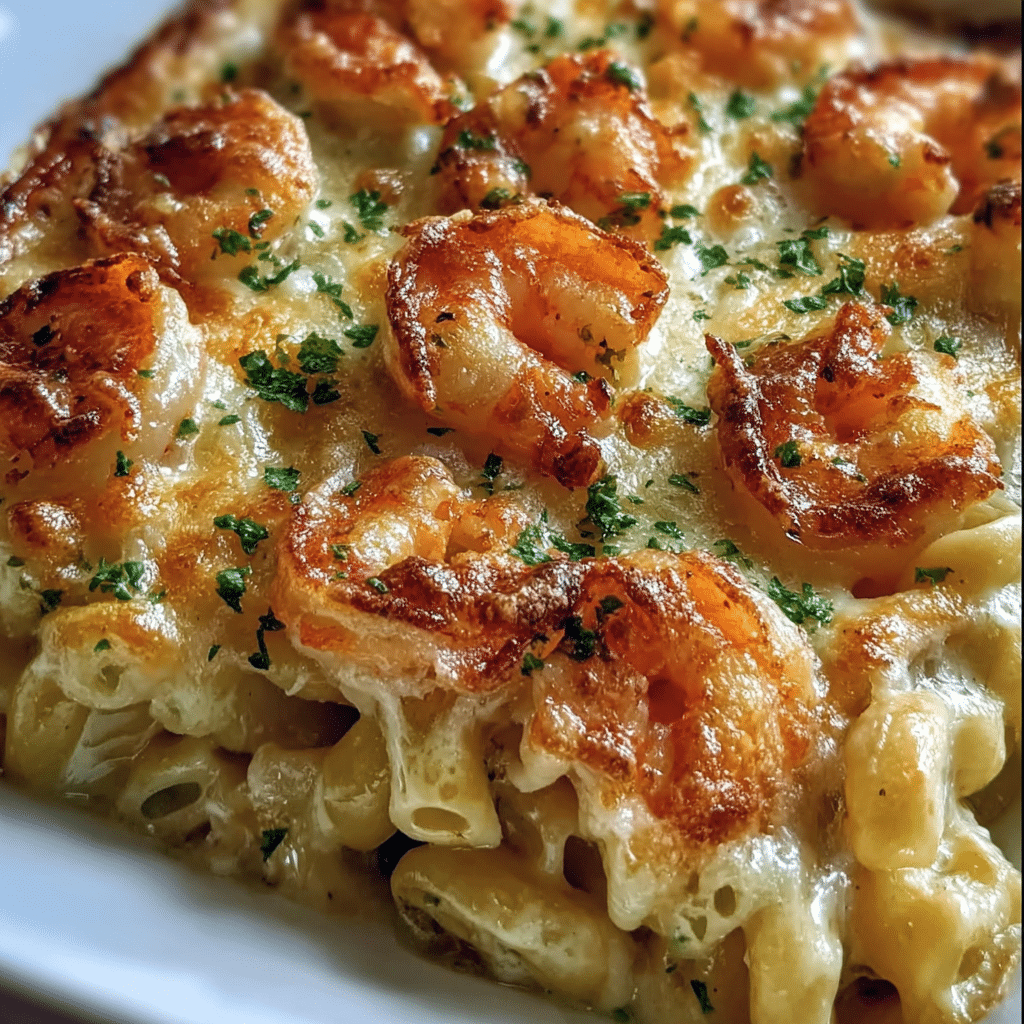
Shrimp scampi pasta is a dish that seamlessly blends the ocean’s bounty with the comforting embrace of pasta, creating a delightful experience for the senses. My love affair with shrimp scampi pasta began one summer evening, during a family reunion at my grandparents’ beach house. As the sun dipped below the horizon and the salty breeze whispered through the open windows, my aunt unveiled a bubbling casserole dish, its aroma dancing through the air. The moment I took my first bite, I was transported to a different world—a perfect harmony of garlic, butter, and succulent shrimp, all cradled in tender pasta. It wasn’t just a meal; it was a memory that I carry with me to this day, a dish that became a staple in my own kitchen as I sought to recreate that magical evening.
The Story Behind This Recipe
Every family has that one recipe that transcends the boundaries of time and generations. For my family, shrimp scampi pasta became that cherished dish. Over the years, I’ve tweaked the recipe to suit my taste, adding a hint of lemon zest and a sprinkle of fresh parsley, but the essence remains. The beauty of this dish lies not just in its flavor but in the stories it brings to the table. I recall rainy winter nights when my children would gather around the kitchen island, their eager faces lighting up as I tossed the pasta with the garlicky shrimp. It was more than dinner; it was a bonding ritual, a moment to share laughter and stories. This dish has a way of making busy weeknights feel special and turning simple gatherings into celebrations.
The cultural roots of shrimp scampi pasta are as rich as its flavor. Originating from Italy, specifically the coastal regions where seafood is abundant, this dish reflects the country’s love for fresh ingredients and simple preparation methods. Traditionally, ‘scampi’ refers to a type of shellfish, but in American cuisine, it has evolved to encompass shrimp as well. This adaptation showcases the American culinary landscape’s ability to embrace and reinterpret international flavors, creating a dish that feels both exotic and familiar.
What sets shrimp scampi pasta apart from other pasta dishes is its unique blend of flavors and textures. The garlic-infused butter sauce, paired with the sweetness of the shrimp and the al dente pasta, creates a symphony of taste that resonates with everyone who tries it. Additionally, the dish is incredibly versatile—whether you’re hosting a dinner party or simply looking for a quick weeknight meal, shrimp scampi pasta fits the bill perfectly. It can be made in under 30 minutes, allowing busy families to enjoy a delicious homemade meal without the stress of extensive preparation.
Seasonally, shrimp scampi pasta shines brightly during the warmer months when fresh seafood is at its peak. The dish is ideal for summer gatherings, beach barbecues, or even cozy fall evenings paired with a crisp salad. Yet, it holds its charm throughout the year, embodying warmth and comfort no matter the season. It serves as a reminder that food can bring us together, create memories, and evoke emotions, making it a dish worth celebrating.
As you embark on this culinary journey, I promise you will learn not just how to prepare shrimp scampi pasta, but also the stories behind it. You will discover variations that can suit your family’s preferences, tips on sourcing the freshest ingredients, and ideas for turning this dish into a centerpiece for your next gathering. Join me as we dive into the rich history, cultural significance, and heartwarming tales that make shrimp scampi pasta a beloved favorite in many homes.
The Rich History and Cultural Significance of shrimp scampi pasta
The rich history and cultural significance of shrimp scampi pasta cannot be overstated. This dish has evolved over centuries, reflecting the culinary traditions of different regions and the adaptation of ingredients based on the availability and preferences of local cooks. To truly appreciate shrimp scampi pasta, we must explore its origins, how it has evolved, and the cultural context that surrounds it.
Origins and History
The origins of shrimp scampi can be traced back to the coastal regions of Italy, particularly in the areas of Campania and Sicily. The term “scampi” originally referred to a small, lobster-like crustacean known as Nephrops norvegicus, which is commonly found in the Mediterranean. These shellfish were often prepared with garlic, olive oil, and sometimes white wine, creating a dish that was both simple and elegant.
As Italian immigrants made their way to America in the late 19th and early 20th centuries, they brought with them their culinary traditions, including the beloved scampi. However, in the United States, the definition of scampi shifted, and shrimp became the star ingredient. This adaptation led to the creation of shrimp scampi pasta, where the classic flavors of garlic, butter, and parsley were combined with pasta, resulting in a dish that quickly gained popularity across the nation.
Over the decades, shrimp scampi pasta has undergone various transformations, reflecting regional preferences and ingredient availability. In some areas, cooks began adding cream to the sauce, creating a richer, more indulgent version of the dish. Others experimented with different pasta shapes, from linguine to penne, allowing for a diverse range of interpretations. These regional variations not only highlight the adaptability of the dish but also showcase the creativity of home cooks and professional chefs alike.
Cultural Significance
Culturally, shrimp scampi pasta holds a special place in the hearts of many families. It is often served during important gatherings, such as holiday celebrations, family reunions, and special occasions. The dish embodies the spirit of togetherness, inviting loved ones to share a meal and create lasting memories. In my family, shrimp scampi pasta has become a tradition for summer cookouts, where we gather around the grill, share stories, and enjoy the flavors of the season.
In addition to its role in family gatherings, shrimp scampi pasta has also found its way onto the menus of many restaurants, from casual eateries to upscale dining establishments. Renowned chefs have embraced the dish, elevating it with gourmet twists and innovative presentations. This popularity has not only solidified its status as a classic but has also introduced it to a wider audience, ensuring that shrimp scampi pasta remains a beloved favorite.
Nutritional Benefits
Beyond its delicious flavor, shrimp scampi pasta also offers several nutritional benefits. Shrimp, the star ingredient, is a lean source of protein, making it an excellent choice for those looking to maintain a balanced diet. It is low in calories while being rich in essential nutrients, including vitamin B12, selenium, and iodine. Additionally, the dish often incorporates garlic, which is known for its health benefits, including anti-inflammatory and antioxidant properties. When paired with whole grain pasta and fresh vegetables, shrimp scampi pasta can be a wholesome meal that satisfies both the palate and the body.
As we delve deeper into the world of shrimp scampi pasta, you will uncover the nuances of this beloved dish, from its historical roots to its modern-day interpretations. The journey will not only inspire you to recreate this recipe in your own kitchen but will also enrich your understanding of the cultural tapestry that surrounds it. So grab your apron, and let’s get cooking!
Essential Ingredients for Perfect shrimp scampi pasta
When it comes to creating a dish that is both comforting and indulgent, few can rival the allure of shrimp scampi pasta. This recipe is not just about throwing ingredients into a pot; it’s an orchestra of flavors, textures, and aromas that come together to create a delightful culinary experience. To achieve the perfect balance in your dish, let’s delve into the essential ingredients that will elevate your shrimp scampi pasta.
Essential Ingredients
- 12 oz rigatoni or penne pasta: Rigatoni and penne are both excellent choices for this dish because of their ability to hold onto the creamy sauce. The robust structure of rigatoni allows it to capture the sauce in its ridges, while penne’s tubular shape provides a delightful bite. Choose high-quality pasta made from durum wheat for the best texture and flavor.
- 1 lb shrimp, peeled and deveined: Fresh, high-quality shrimp is the star of the show in shrimp scampi pasta. Look for shrimp that are firm to the touch with a fresh, ocean-like scent. If you’re buying frozen shrimp, ensure they are flash-frozen to preserve their freshness. Wild-caught shrimp is often a sustainable choice, while farmed shrimp can be a more budget-friendly option.
- 4 tbsp butter: Butter adds richness and depth to the sauce. Opt for unsalted butter to have full control over the seasoning of your dish. The creamy nature of butter complements the shrimp beautifully, enhancing their natural sweetness.
- 4 cloves garlic, minced: Garlic is a fundamental component in many Italian dishes, and it brings a pungent, aromatic quality to your shrimp scampi pasta. Fresh garlic is always the best choice; avoid pre-minced varieties as they often lack flavor.
- 1 cup heavy cream: Heavy cream creates a luscious, velvety sauce that clings to the pasta and shrimp. If you’re looking for a lighter version, you can consider half-and-half, but the richness of heavy cream is truly unparalleled in this dish.
- 1 cup chicken broth: Chicken broth adds layers of flavor to your sauce. Choose low-sodium broth so you can control the saltiness of the dish. Homemade broth is ideal if you have it on hand, but a good-quality store-bought option will work just fine.
- 1/2 cup grated Parmesan cheese: Parmesan cheese brings a salty, nutty flavor to the dish. Freshly grated Parmesan is preferred over pre-packaged varieties, as it melts better and enhances the overall taste.
- 1 cup shredded mozzarella cheese: Mozzarella adds a creamy, stretchy texture that makes this pasta bake even more indulgent. Opt for whole-milk mozzarella for a richer flavor.
- 1/2 tsp red pepper flakes (optional): For those who enjoy a hint of heat, red pepper flakes add a delightful kick to the dish. Adjust the amount based on your spice tolerance.
- 1 tsp Italian seasoning: This blend of herbs—typically including basil, oregano, and thyme—complements the flavors of the shrimp and pasta beautifully. If you have fresh herbs, feel free to substitute for an even fresher taste.
- Salt and pepper, to taste: Seasoning is crucial in enhancing the flavors of your dish. Always taste as you go to ensure a well-balanced result.
- 2 tbsp chopped fresh parsley: Fresh parsley not only adds a pop of color but also contributes a fresh, herbal note that brightens the dish.
- 1/2 cup panko breadcrumbs (optional, for topping): For those who enjoy a crunchy topping, panko breadcrumbs provide a delightful texture contrast. They can be toasted in butter before sprinkling on top for added flavor.
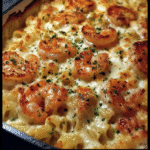
Shrimp Scampi Pasta Bake
Ingredients
- 12 oz rigatoni or penne pasta
- 1 lb shrimp, peeled and deveined
- 4 tbsp butter
- 4 cloves garlic, minced
- 1 cup heavy cream
- 1 cup chicken broth
- 1/2 cup grated Parmesan cheese
- 1 cup shredded mozzarella cheese
- 1/2 tsp red pepper flakes (optional)
- 1 tsp Italian seasoning
- Salt and pepper, to taste
- 2 tbsp chopped fresh parsley
- 1/2 cup panko breadcrumbs (optional, for topping)
- Special Equipment:
- Large pot for boiling pasta
- Oven-safe baking dish
- Skillet for cooking shrimp and sauce
Instructions
- Cook the pasta according to package instructions until al dente. Drain and set aside.
- Prepare the shrimp by seasoning with salt, pepper, and red pepper flakes. In a large skillet, melt 2 tbsp butter and sauté shrimp for 2-3 minutes per side until pink and cooked through. Remove and set aside.
- Make the sauce by adding the remaining butter to the skillet. Sauté the minced garlic for about 1 minute until fragrant. Stir in the chicken broth and heavy cream, bringing to a simmer.
- Combine the flavors by adding Parmesan cheese and Italian seasoning to the sauce, stirring until smooth. Toss the cooked pasta and shrimp in the sauce until well coated.
- Assemble the bake by transferring everything into a greased baking dish. Sprinkle mozzarella cheese and breadcrumbs on top.
- Bake at 375°F (190°C) for 15-20 minutes or until bubbly and golden brown.
- Garnish with parsley and serve warm!
Shopping Tips
When shopping for the ingredients for your shrimp scampi pasta, quality is key. Visit your local farmers’ market or grocery store and look for ingredients that are fresh and in season. Fresh shrimp should have a slight sheen and a mild scent of the ocean. For pasta, choose brands that list durum wheat as the primary ingredient. If you’re opting for frozen ingredients, check for those with minimal additives and preservatives.
Make sure to purchase your garlic bulbs and herbs fresh. They should feel firm and not squishy. When it comes to cheese, visit the deli section for a selection of freshly grated options rather than pre-packaged. The difference in flavor is astounding and will make your shrimp scampi pasta shine.
Substitutions and Alternatives
Cooking should be flexible and accommodating to dietary preferences. If you’re looking to make a lighter version of your shrimp scampi pasta, consider using a light cream or a plant-based cream alternative, such as cashew cream. For a gluten-free option, you can use gluten-free pasta, which is widely available now. If you’re vegetarian, swap out shrimp for sautéed mushrooms or roasted vegetables to create a delightful alternative.
For those watching their sodium intake, making your chicken broth from scratch is an excellent way to control the salt levels in your dish. If you are lactose intolerant, there are many lactose-free cheese options available that can be used in place of Parmesan and mozzarella.
In terms of storage, keep fresh shrimp in the coldest part of your refrigerator and use them within a day or two. Pasta can be stored in a cool, dry place, while dairy products should be kept refrigerated and used by their expiration dates. Panko breadcrumbs should be stored in an airtight container to maintain their crunchiness.
In conclusion, the right ingredients play an essential role in crafting your shrimp scampi pasta. They not only contribute to the flavor but also to the overall dining experience. So, take your time selecting each element, and soon you will find yourself on the way to creating a dish that is sure to impress!
Detailed Step-by-Step shrimp scampi pasta Cooking Instructions
Creating a delicious shrimp scampi pasta is more than just following a recipe; it’s about embracing the process and understanding each step that contributes to the final dish. This section will guide you through detailed, step-by-step instructions to ensure your cooking experience is smooth, enjoyable, and rewarding.
Preparation Steps
- Gather Your Ingredients: Before you start cooking, it’s essential to prepare your mise en place. This means measuring out all your ingredients in advance, so you can focus on the cooking process. Chop your parsley, mince the garlic, and measure out your cheeses and liquids. Having everything ready will prevent any last-minute scrambling.
- Cook the Pasta: Begin by bringing a large pot of salted water to a boil. The salt enhances the pasta’s flavor. Add the rigatoni or penne and cook according to package instructions until al dente, usually around 8-10 minutes. Stir occasionally to prevent sticking. Once done, reserve about a cup of pasta water for later use, then drain the pasta in a colander and set it aside.
- Prep the Shrimp: While your pasta is cooking, take a moment to prepare your shrimp. Ensure they are peeled and deveined; if you’re using frozen shrimp, allow them to thaw completely. Pat them dry with paper towels to avoid steaming them later in the pan.
Cooking Process
- Sauté the Garlic: In a large skillet, melt 4 tablespoons of butter over medium heat. Once melted, add the minced garlic. Sauté for about 1-2 minutes until fragrant but not browned, as burnt garlic can impart a bitter taste to your dish.
- Cook the Shrimp: Add the prepared shrimp to the skillet in a single layer. Cook for about 2-3 minutes on each side until they turn pink and opaque. Be careful not to overcrowd the pan; if your skillet isn’t large enough, consider cooking them in batches. Overcooking shrimp will make them rubbery, so keep an eye on them!
- Add the Liquids: Once the shrimp are perfectly cooked, pour in 1 cup of chicken broth and 1 cup of heavy cream. Stir to combine and bring the mixture to a gentle simmer. This is where the magic happens as the flavors meld together beautifully.
- Incorporate the Cheese: Gradually stir in the grated Parmesan cheese, allowing it to melt and thicken the sauce. If the sauce is too thick, add a bit of the reserved pasta water to reach your desired consistency. Taste and adjust seasoning with salt, pepper, and red pepper flakes if desired.
Final Assembly
- Combine Pasta and Sauce: Add your cooked pasta directly into the skillet with the shrimp and sauce. Toss gently using tongs or a large spoon, ensuring the pasta is well-coated. If the sauce seems too thick, add more reserved pasta water until you reach a creamy consistency.
- Transfer to Baking Dish: Preheat your oven to 375°F (190°C). Transfer the shrimp scampi pasta mixture to an oven-safe baking dish. Spread it evenly, making sure to get all those delicious shrimp and sauce into every corner.
- Add Toppings: If you’re using mozzarella cheese, sprinkle it generously over the top. For an added crunch, sprinkle the panko breadcrumbs over the cheese. You can also drizzle a bit of melted butter over the top of the breadcrumbs for extra flavor.
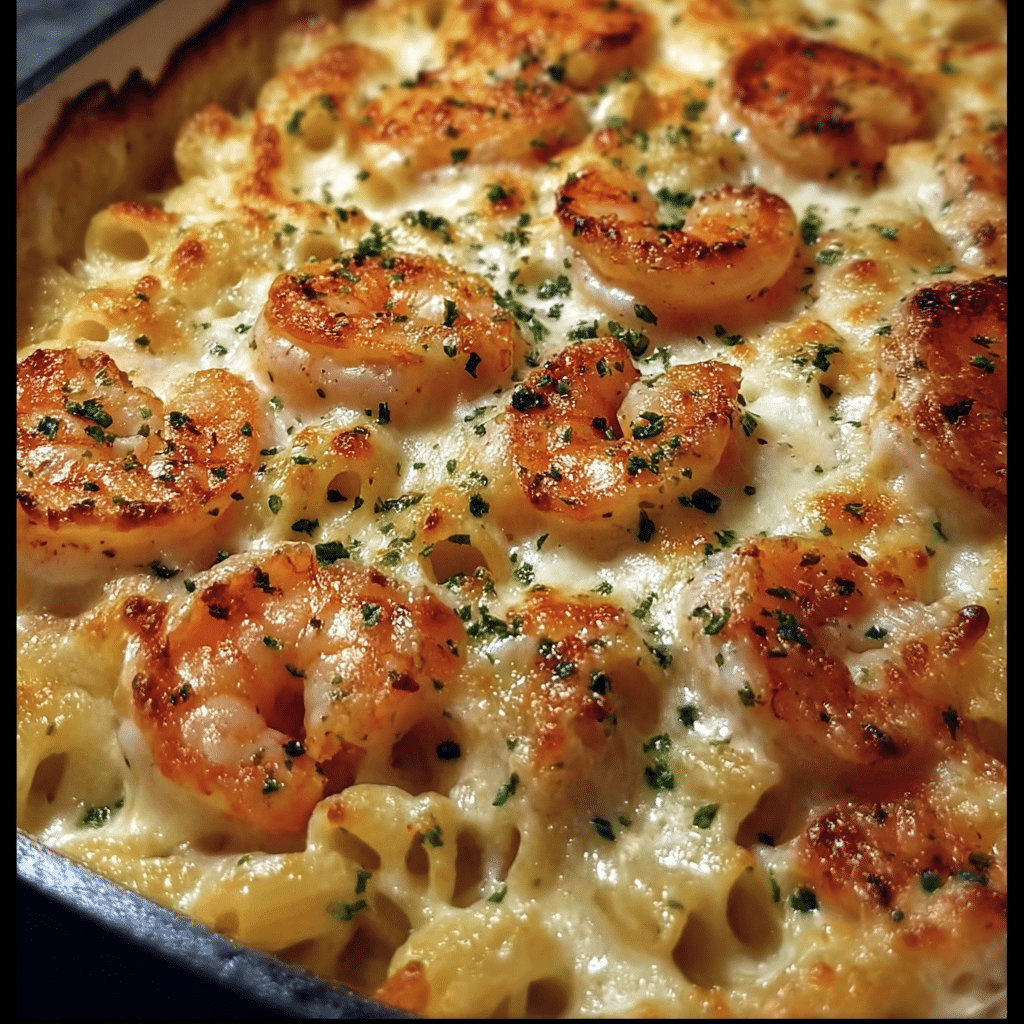
- Bake: Place the baking dish in the preheated oven and bake for about 20-25 minutes, or until the top is golden and bubbly. This step is crucial for developing that irresistible crust on top.
- Garnish and Serve: Once baked, remove the dish from the oven and let it cool for a few minutes. Sprinkle the chopped fresh parsley on top for a burst of color and freshness. Serve your shrimp scampi pasta warm, perhaps with a side of garlic bread or a crisp salad for a complete meal.
Cooking shrimp scampi pasta is a delightful journey that takes about 30 minutes from start to finish. By following these detailed steps, you will not only create a delicious meal but also gain confidence in your cooking skills. Remember, the key to mastering any recipe is practice and patience. Enjoy the process, and soon you will have a delicious dish that is sure to impress!
Professional Tips and Techniques for shrimp scampi pasta
Creating a mouthwatering shrimp scampi pasta isn’t just about tossing ingredients together; it’s a culinary art that requires finesse and attention to detail. As someone who has spent countless evenings perfecting this dish in my kitchen, I am excited to share some professional tips and techniques that will elevate your shrimp scampi pasta game. Whether you’re a novice cook or an experienced chef, these insights will help you create a dish that not only tastes divine but also looks stunning on your dinner table.
Professional Techniques
First things first, let’s talk about the shrimp. The best shrimp for scampi is large, juicy, and ideally, deveined. When selecting shrimp, opt for wild-caught, if possible, as they tend to have a firmer texture and a more robust flavor. Look for shrimp that are labeled as “U.S. caught” or “sustainable.” If you’re unsure, ask your fishmonger for advice!
When you’re ready to cook, start by preparing your pasta. Use a large pot of salted boiling water – this is crucial for flavoring the pasta. The general rule is to add about 1 tablespoon of salt for every gallon of water. This not only seasons the pasta but also enhances the overall taste of your shrimp scampi pasta. Cook the pasta until it’s al dente, as it will continue to cook when you mix it with the shrimp and sauce.
Now, onto the cooking technique. Sauté the garlic in a mixture of butter and olive oil over medium heat. This blend gives a rich flavor that complements the shrimp beautifully. Be cautious not to burn the garlic; it should be fragrant and golden, not brown. Adding red pepper flakes at this stage can introduce a delightful kick, so adjust to your taste preference.
One insider secret is to add a splash of white wine to the pan after the garlic has cooked. This not only deglazes the pan, lifting those delicious browned bits, but it also adds depth to the sauce. Remember to let the wine simmer for a few minutes to evaporate the alcohol, leaving behind its complex flavors.
Troubleshooting Guide
We’ve all had those moments in the kitchen where things don’t turn out as planned. One common issue with shrimp scampi pasta is overcooked shrimp. To avoid this, add the shrimp to the pan only when the sauce is nearly ready. Shrimp cook quickly – usually in about 2-3 minutes – so keep a close eye on them. They should turn pink and opaque, indicating they’re done. If they curl tightly, they are overcooked.
Another concern is a watery sauce. If your sauce seems too thin, you can thicken it by letting it simmer for a few extra minutes. Alternatively, you can add a cornstarch slurry (mixing a teaspoon of cornstarch with a bit of cold water) to achieve a thicker consistency. Keep stirring until it reaches your desired thickness.
For those who want to prepare their shrimp scampi pasta in advance, it’s important to store the shrimp and pasta separately to prevent sogginess. Cook the pasta al dente, cool it, and toss it with a little olive oil before refrigerating. You can prepare the sauce ahead of time and reheat it when you’re ready to serve.
Presentation Tips
Presentation is key when it comes to impressing your guests. A beautiful shrimp scampi pasta should be served in a large, shallow bowl or a platter to showcase the vibrant colors of the dish. Consider garnishing with freshly chopped parsley for a pop of color and a squeeze of lemon juice, which brightens the flavors. A sprinkle of freshly grated Parmesan cheese adds a touch of elegance and enhances the savory notes of the dish.
Pairing the right beverage can elevate your dining experience. A crisp white wine, such as Sauvignon Blanc or Pinot Grigio, complements the dish perfectly. The acidity from the wine cuts through the richness of the butter sauce, making each bite delightful. If you prefer a non-alcoholic option, a sparkling water with a hint of lemon or lime can work wonderfully, refreshing your palate.
Finally, don’t forget to set the mood! A well-lit table with soft music in the background can transform your dinner into a memorable experience. After all, cooking and sharing a meal is about bringing people together, celebrating flavors, and creating lasting memories.
Creative Variations and Adaptations of shrimp scampi pasta
While the classic shrimp scampi pasta is a beloved dish, there’s something exciting about experimenting with flavors and ingredients to create unique variations. From seasonal adaptations to dietary modifications, let’s explore the creative ways you can put your own spin on this classic recipe.
Seasonal Variations
When it comes to cooking, seasonal ingredients can make a world of difference. In the summer, consider adding fresh cherry tomatoes and zucchini to your shrimp scampi pasta. The tomatoes add a burst of sweetness, while the zucchini contributes a lovely crunch. Simply sauté them with the garlic before adding the shrimp for a colorful and vibrant dish.
In the fall, you might want to incorporate butternut squash. Roasted cubes of squash can add a creamy texture and a hint of sweetness that pairs beautifully with the savory shrimp. Cooking the squash beforehand and then tossing it into the pasta at the end ensures it remains tender but not mushy.
Winter brings the opportunity to play with heartier greens such as kale or spinach. These greens can be sautéed with the garlic and shrimp, adding color and nutrients to your dish. Not only do they enhance the flavor, but they also bring a healthy element to your shrimp scampi pasta.
Dietary Adaptations
As dietary preferences evolve, so does the need for adaptable recipes. If you’re looking to make a gluten-free shrimp scampi pasta, simply substitute regular pasta with gluten-free options like rice or quinoa pasta. These alternatives often taste remarkably similar and can satisfy those dietary restrictions without sacrificing flavor.
For a keto-friendly version, consider using spiralized zucchini (zoodles) instead of pasta. This swap not only cuts down on carbs but also adds a refreshing crunch to your dish. Just be sure to sauté the zoodles briefly to avoid excess moisture before mixing them with the sauce and shrimp.
If you’re catering to vegan guests, you can take a creative approach by omitting shrimp altogether and using sautéed mushrooms or chickpeas as a protein substitute. The dish can still be rich and flavorful with plant-based butter, garlic, lemon juice, and a sprinkle of nutritional yeast for a cheesy flavor.
Creative Twists
One of the joys of cooking is the ability to infuse your personality into a dish. Consider adding a splash of coconut milk for a tropical twist on your shrimp scampi pasta. The creamy texture and subtle sweetness pair wonderfully with the shrimp, creating a dish reminiscent of coastal flavors.
For a Mediterranean flair, try incorporating olives, capers, or sun-dried tomatoes. These ingredients bring a briny, savory quality that complements the shrimp beautifully. You can also sprinkle some feta cheese on top for an added layer of flavor.
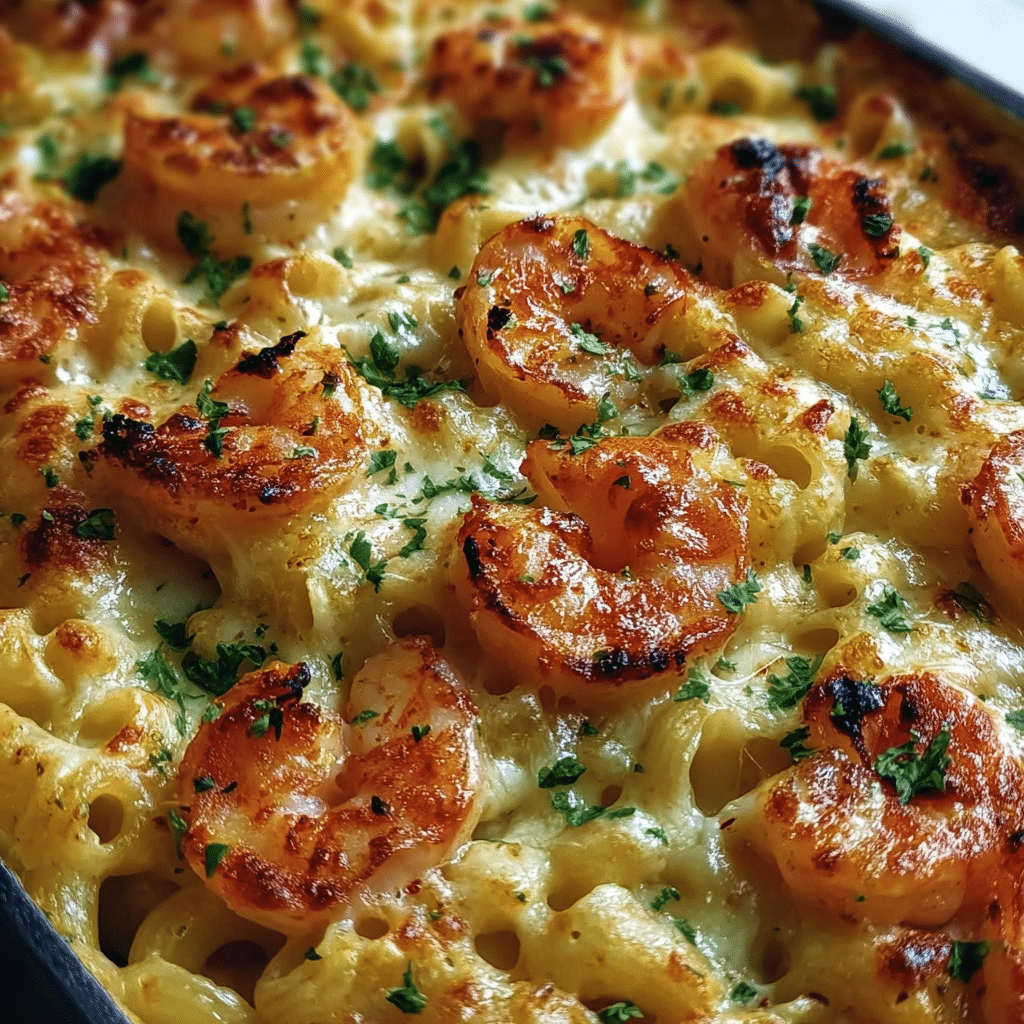
If you’re feeling adventurous, experiment with different cooking methods. While the classic stovetop method is always a winner, try baking your shrimp scampi pasta for a different texture. Combine your cooked pasta and shrimp with the sauce in a baking dish, top with breadcrumbs and cheese, and bake until golden and bubbly for a delightful casserole-style dish.
And let’s not forget about leftovers! A great way to transform your shrimp scampi pasta is by turning it into a delicious frittata. Simply whisk some eggs, add your leftover pasta, and pour it into a skillet. Cook until set, and you have a hearty breakfast or brunch option that will impress anyone at your table.
In conclusion, the possibilities for shrimp scampi pasta are endless. By utilizing seasonal ingredients, accommodating dietary needs, and experimenting with flavors, you can create a dish that is uniquely yours. So roll up your sleeves, gather your ingredients, and let your culinary creativity shine!
Storage, Reheating, and Meal Prep for shrimp scampi pasta
When it comes to enjoying a delicious meal like shrimp scampi pasta, the joys shouldn’t end with the last bite. Whether you’re preparing a big batch for a family dinner or just cooking for yourself, knowing how to properly store, reheat, and meal prep this dish is essential. Let’s dive into the world of storage and meal prep strategies that will keep your shrimp scampi pasta fresh and delightful for days to come.
Short-term Storage
After you’ve created your magnificent shrimp scampi pasta, the first step in storage is determining how to handle leftovers. If you plan to eat the dish within three to four days, storing it in the refrigerator is your best option. Make sure to transfer the pasta to an airtight container to prevent moisture loss and preserve the flavors. I personally love using glass containers because they don’t retain odors and are microwave-safe, making reheating a breeze.
It’s important to let the dish cool down to room temperature before sealing it up. A quick tip: if you’re in a hurry, you can spread the pasta out on a baking sheet to cool it quickly. Once cooled, place it into your container and label it with the date you made it—this way, there’s no guessing game later on!
I often prepare shrimp scampi pasta for gatherings, and I’ve found that portioning the leftovers into smaller containers can be a lifesaver. Not only does it make it easier to grab a single serving when you’re craving that garlicky goodness, but it also ensures that you don’t have to reheat the entire batch repeatedly, which can degrade the quality of the dish.
Freezing and Long-term Storage
If you find yourself with an abundance of shrimp scampi pasta and you’re not planning to eat it within a few days, freezing is a fantastic option. But there are some nuances to consider. For the best results, it’s ideal to freeze the pasta before adding any cream-based sauces if your recipe calls for it. Sauces can often separate or become grainy when thawed.
To freeze your shrimp scampi pasta, first, allow it to cool completely. Then, portion it into freezer-safe bags or containers. Squeeze out as much air as possible from the bags to prevent freezer burn. I recommend using a vacuum sealer if you have one; it works wonders in preserving the dish’s quality. Label each bag with the date and contents, so you don’t lose track of your delicious meal.
The shelf life for shrimp scampi pasta in the freezer can last up to three months, but for optimal flavor and quality, try to consume it within one month. This will ensure you get the best experience when you finally decide to indulge in your frozen treasure.
Reheating Best Practices
Reheating shrimp scampi pasta must be done mindfully to maintain its delightful texture and flavor. The microwave is convenient, but it can sometimes lead to uneven heating. If you choose this option, place the pasta in a microwave-safe bowl, add a splash of water or broth to revive the moisture, and cover it with a damp paper towel. Microwaving in short intervals—about 30 seconds—can help ensure it’s warmed evenly without overcooking the shrimp.
For those who want to elevate their reheating game, I highly recommend using a skillet on the stovetop. Heat the skillet over medium heat, add a little olive oil or butter, and toss in your leftover shrimp scampi pasta. This method not only warms the dish thoroughly but also revives the flavors beautifully. I find that adding a touch more garlic or a squeeze of fresh lemon juice can make the dish taste freshly made!
As you navigate storing and reheating shrimp scampi pasta, remember that food safety is paramount. Always ensure that the pasta is reheated to a minimum internal temperature of 165°F to kill any potential bacteria. Consuming shrimp that’s been left at room temperature for too long can pose health risks, so be mindful of how long your leftovers sit out.
By following these storage guidelines for shrimp scampi pasta, you can enjoy this delectable dish beyond its initial serving. Whether you’re packing it for lunch, storing it for a cozy evening at home, or preparing for a future meal, these practices will help keep your shrimp scampi pasta delicious and safe!
Nutritional Benefits and Health Information
When we think about shrimp scampi pasta, it’s easy to focus solely on its delightful taste and aroma. However, let’s not overlook the nutritional benefits packed into this dish! Understanding what goes into your meal not only enhances your cooking experience but also helps you make informed choices about your diet. Here’s a deep dive into the nutritional profile of shrimp scampi pasta and how it can fit into various dietary lifestyles.
Nutritional Profile
A typical serving of shrimp scampi pasta contains a blend of shrimp, pasta, garlic, olive oil, and sometimes cream or butter. To give you a clearer picture, let’s break down the primary components:
- Shrimp: A great source of lean protein, shrimp is low in calories yet high in essential nutrients. A 3-ounce serving of shrimp contains approximately 20 grams of protein and only about 85 calories.
- Pasta: Depending on the type of pasta used, the carbohydrate content can vary. For instance, whole wheat or gluten-free pasta provides more fiber than traditional refined pasta, enhancing its nutritional value.
- Garlic: A staple in shrimp scampi, garlic not only adds flavor but is also known for its potential health benefits, including boosting the immune system.
- Olive Oil: Rich in healthy monounsaturated fats, olive oil provides heart-healthy benefits and is a key component of the Mediterranean diet.
- Herbs and Seasonings: Fresh herbs like parsley are often added for flavor and additional nutrients like vitamins A and C.
While the calorie count can vary based on the specific ingredients and portion sizes, a standard serving can range from 400 to 600 calories, making it a reasonable meal option for many.
Health Benefits
The health benefits of shrimp scampi pasta are plentiful. Shrimp, being a fantastic source of protein, supports muscle growth and repair, making it an excellent choice for those looking to maintain or increase their muscle mass. The omega-3 fatty acids found in shrimp are known for promoting heart health, potentially lowering the risk of heart disease.
Olive oil, a major component of shrimp scampi, is also linked to numerous health benefits. It’s packed with antioxidants and has anti-inflammatory properties. Studies have shown that the Mediterranean diet, which includes healthy fats from olive oil, can lead to improved heart health and longevity.
Moreover, garlic is often hailed as a superfood, thanks to its potential to boost immunity, reduce blood pressure, and improve cholesterol levels. When combined with other ingredients in shrimp scampi pasta, it creates a delicious dish that also nourishes the body.
Dietary Considerations
When it comes to dietary considerations, shrimp scampi pasta can be quite versatile. For those following a gluten-free diet, opt for gluten-free pasta made from rice, quinoa, or lentils. Similarly, if you’re looking for a lower-carb option, consider substituting traditional pasta with spiralized zucchini or spaghetti squash.
For those watching their calorie intake, swapping out heavy creams for lighter alternatives, such as Greek yogurt or a splash of vegetable broth, can create a lighter version without sacrificing flavor. Additionally, if you’re aiming for a plant-based meal, you can replace shrimp with chickpeas or tofu, which provide a different but satisfying texture.
In terms of allergens, it’s important to note that shrimp is a common allergen. If you’re cooking for guests, be sure to ask about any seafood allergies beforehand. And for those avoiding dairy, substituting olive oil or a dairy-free butter can yield delicious results.
In conclusion, shrimp scampi pasta doesn’t just tantalize the taste buds; it also offers a wealth of nutritional benefits that can enhance a balanced diet. Whether you’re indulging in a comforting bowl for dinner or preparing a batch for meal prep, understanding the nutritional aspects can help you enjoy this dish even more. With a few simple modifications, you can cater to various dietary preferences while still enjoying the rich flavors that make shrimp scampi pasta a beloved classic!