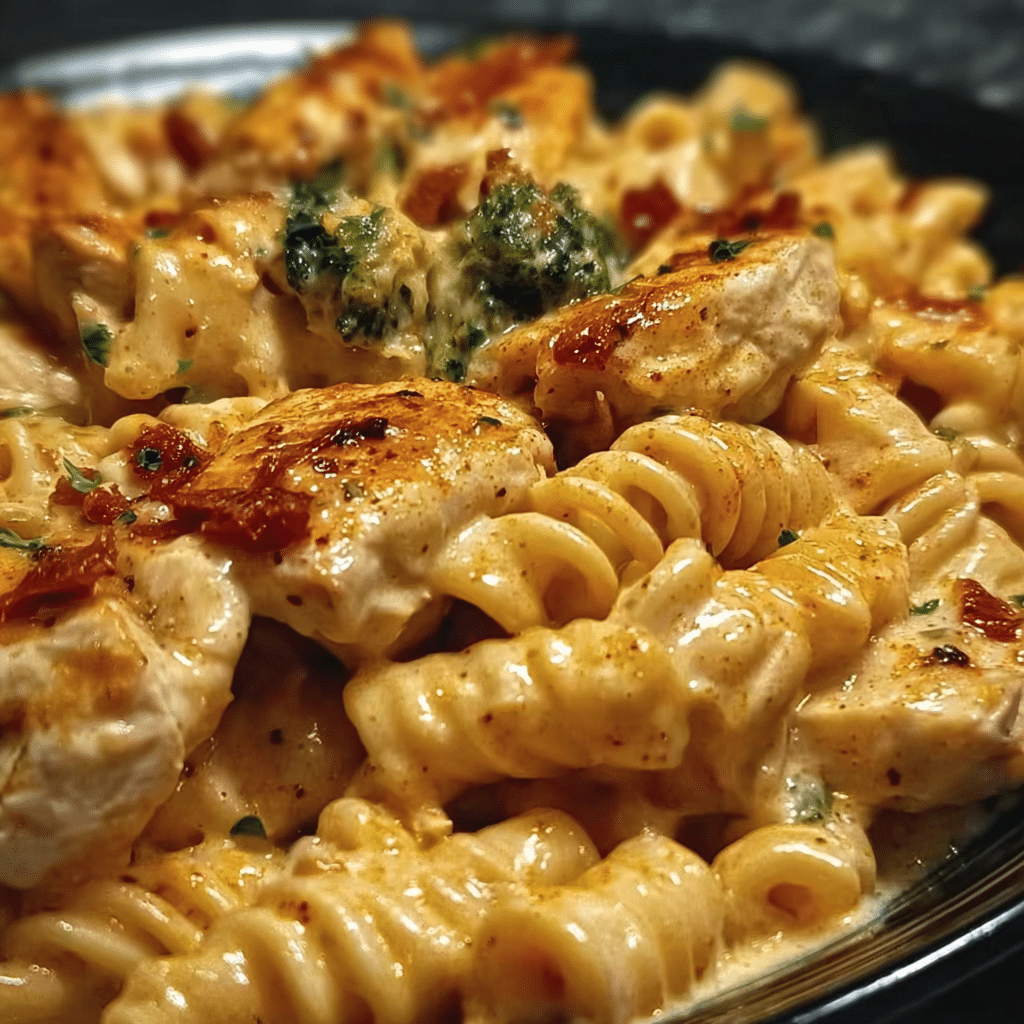
Shrimp scampi pasta is one of those dishes that can instantly transport you to a cozy Italian trattoria, even if you’re enjoying it in your own kitchen. I remember the first time I stumbled upon this culinary gem while browsing through my grandmother’s worn recipe book. The pages were dog-eared and splattered with sauce, a testament to the many times it had graced our dinner table. As I deciphered the handwritten notes, I couldn’t help but feel a pang of nostalgia wash over me. Each ingredient seemed to whisper stories of family gatherings, laughter, and the fragrant aromas wafting through our home as the dish slowly baked in the oven.
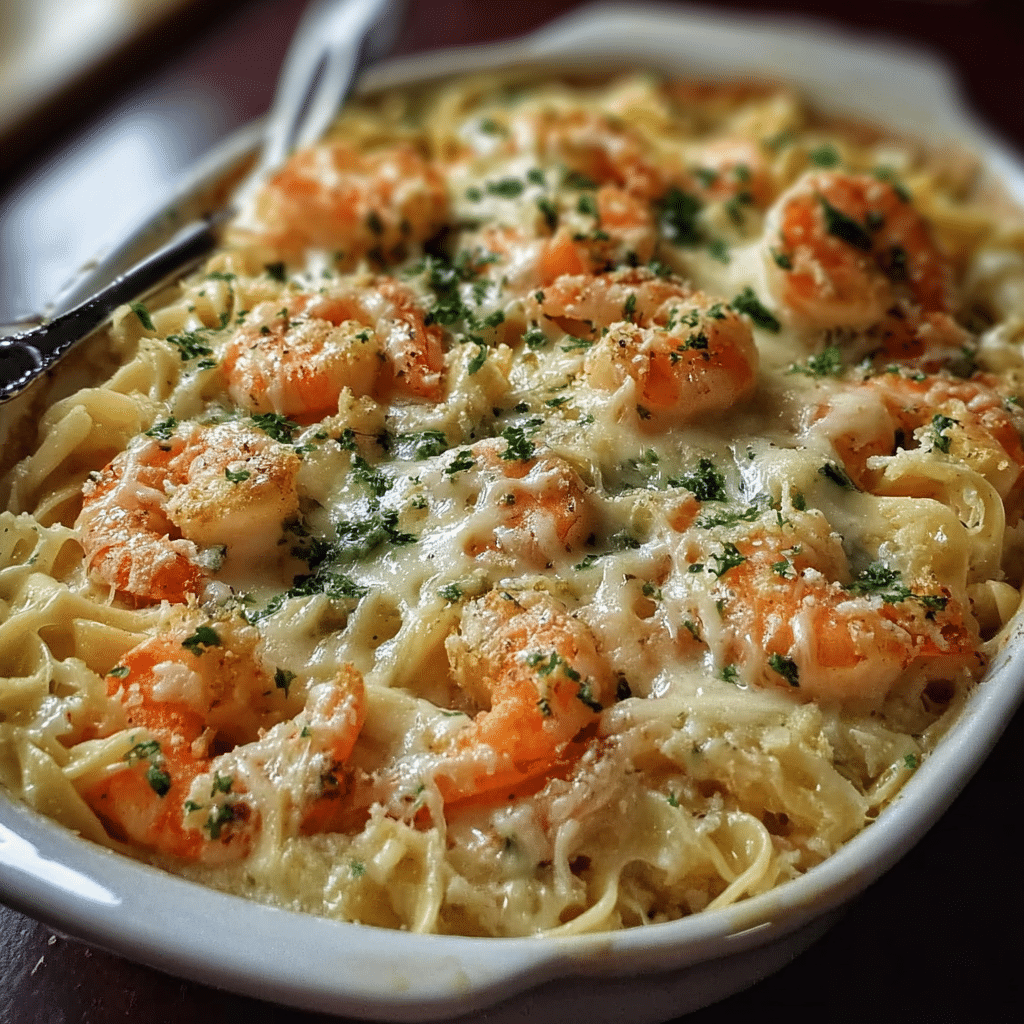
The beauty of shrimp scampi pasta lies in its simplicity and elegance. It combines tender shrimp, perfectly cooked pasta, and a luscious garlic butter sauce that wraps everything in a warm embrace. My grandmother always said that the secret to a perfect shrimp scampi pasta was the quality of the ingredients. Fresh shrimp, aromatic garlic, and a splash of lemon juice could elevate the dish from ordinary to extraordinary. As I stood in my kitchen, experimenting with the recipe and recalling my grandmother’s advice, I realized just how special this dish was to our family, and how it connected generations through love and food.
The Story Behind This Recipe
Over the years, shrimp scampi has evolved into a beloved staple across many households, and it’s not just confined to Italian cuisine anymore. Its origins can be traced back to the coastal regions of Southern Italy, particularly in Naples, where fresh seafood was abundant. The dish is thought to have been created by fishermen who would sauté shrimp with garlic and olive oil, tossing it with pasta as a hearty meal after long days at sea. Today, shrimp scampi pasta has made its way into American kitchens, where it’s celebrated for its rich flavor and versatility. It’s a dish that can be dressed up for a fancy dinner party or thrown together on a busy weeknight.
What makes shrimp scampi pasta particularly appealing for busy families is its ability to be prepared in under 30 minutes. Just imagine coming home after a long day, exhausted but craving something comforting and delicious. With a handful of ingredients and minimal prep work, you can create a meal that feels gourmet yet is incredibly accessible. This dish is perfect for those evenings when time is of the essence, but you still want to indulge in a delightful, satisfying dinner.
Seasonally, shrimp scampi pasta shines in the warmer months. The fresh flavors of garlic, parsley, and lemon evoke images of sun-soaked terraces and outdoor dining. However, it’s versatile enough to be enjoyed year-round, making it a constant in my family’s recipe rotation. Whether paired with a crisp salad in the summer or served alongside a warm loaf of crusty bread in the winter, it never fails to bring comfort and satisfaction.
For me, shrimp scampi pasta represents more than just a meal; it embodies love, tradition, and connection. Each bite is a nod to my grandmother and the countless memories we shared over dinner. It reminds me that food has the power to bring people together, to spark conversations, and to create lasting bonds. As you read on, I promise you’ll learn not just how to make a delicious shrimp scampi pasta, but also how to infuse it with your own memories and stories, making it a dish that is uniquely yours.
The Rich History and Cultural Significance of shrimp scampi pasta
The rich history and cultural significance of shrimp scampi pasta are as vibrant as the dish itself. To appreciate this delightful meal fully, one must delve into its origins and the journey it has taken through time. The term “scampi” refers to a type of small crustacean, which in Italy might refer to the sweet, tender langoustine. However, as the dish evolved, especially in the United States, it became synonymous with shrimp, leading to the beloved shrimp scampi pasta that we know today.
Origins and History
While the precise origins of shrimp scampi pasta are often debated, there’s no denying its roots in the coastal regions of Italy. In Naples, fishermen would utilize the day’s catch, sautéing shrimp with garlic, olive oil, and sometimes white wine. This simple preparation allowed for the natural flavors of the fresh seafood to shine through. The dish began to gain popularity among locals and eventually found its way into restaurants, where chefs began experimenting with flavors and recipes, incorporating pasta into the mix.
When Italian immigrants brought their culinary traditions to America in the late 19th and early 20th centuries, shrimp scampi began to evolve further. It was American chefs who popularized the dish by pairing it with pasta and creating a creamy sauce, transforming the traditional recipe into something that catered to the American palate. The dish became a staple in Italian-American cuisine, often served during special occasions and family gatherings. It wasn’t long before shrimp scampi pasta became a favorite in homes across the country.
Cultural Significance
In Italy, seafood dishes are often served during festive occasions, particularly on Christmas Eve, when the Feast of the Seven Fishes is celebrated. Shrimp scampi, with its rich flavors and elegant presentation, fits perfectly into these celebratory meals. In America, however, it has found a place in more casual settings, often enjoyed during family dinners or gatherings with friends. Its adaptability speaks to its broader cultural significance, as it bridges the gap between tradition and modernity.
Famous chefs like Mario Batali and Giada De Laurentiis have helped popularize shrimp scampi pasta through their cooking shows and cookbooks, showcasing the dish in various forms and interpretations. Their recipes often highlight the importance of fresh ingredients and simple techniques, making the dish approachable for home cooks. As a result, shrimp scampi pasta has transcended cultural boundaries, becoming a beloved dish in many households.
Nutritional Benefits
Beyond its cultural significance, shrimp scampi pasta also offers a variety of nutritional benefits. Shrimp is a lean source of protein, low in calories, and packed with essential vitamins and minerals such as vitamin B12, iodine, and selenium. When combined with whole-grain pasta and an array of vegetables, such as spinach or cherry tomatoes, this dish can become a well-rounded meal. The garlic used in the recipe adds additional health benefits, known for its antioxidant properties and ability to support heart health.
Moreover, the dish’s incorporation of olive oil provides healthy fats, making it a heart-healthy choice. By choosing whole-grain pasta and incorporating seasonal vegetables, you can create a balanced meal that is not only delicious but also nourishing. As you explore the many facets of shrimp scampi pasta, you’ll discover that it’s not just a meal; it’s a celebration of culture, history, and the joy of sharing good food with loved ones.
Essential Ingredients for Perfect shrimp scampi pasta
Essential Ingredients for Perfect shrimp scampi pasta
When it comes to crafting a delicious shrimp scampi pasta dish, the quality of your ingredients plays a pivotal role in the overall flavor and texture of the meal. This dish is not just a simple pasta preparation; it’s a symphony of flavors that come together to create a comforting and indulgent experience. Below, I have curated a list of essential ingredients you’ll need, along with insights and tips that will help you choose the best components for your shrimp scampi pasta.
Essential Ingredients
- 12 oz rigatoni or penne pasta: These types of pasta are ideal as they hold onto the sauce beautifully. Rigatoni, with its ridges, and penne, with its angled ends, are not only pleasing to the eye but also enhance the eating experience.
- 1 lb shrimp, peeled and deveined: Fresh, high-quality shrimp are crucial for this dish. Look for shrimp that are firm to the touch and smell of the ocean. If you prefer frozen shrimp, ensure they are thawed properly before cooking.
- 4 tbsp butter: Butter adds richness and a velvety texture to the sauce, balancing the flavors of the garlic and shrimp.
- 4 cloves garlic, minced: Garlic is the backbone of flavor in shrimp scampi pasta. Fresh garlic provides a punch, while pre-minced garlic can lack the same vibrancy.
- 1 cup heavy cream: Heavy cream creates a luscious, creamy sauce that envelops the pasta and shrimp, ensuring every bite is indulgent.
- 1 cup chicken broth: This adds depth of flavor; using homemade broth can enhance the dish even more.
- 1/2 cup grated Parmesan cheese: Freshly grated Parmesan is best for a richer flavor. It adds a salty, nutty element to the dish.
- 1 cup shredded mozzarella cheese: This cheese melts beautifully, providing a gooey texture that is irresistible.
- 1/2 tsp red pepper flakes (optional): For those who enjoy a bit of heat, red pepper flakes add an exciting kick without overwhelming the dish.
- 1 tsp Italian seasoning: This blend of herbs complements the flavors of the shrimp and pasta, enhancing the overall aroma.
- Salt and pepper, to taste: Essential seasonings that bring all the flavors to life.
- 2 tbsp chopped fresh parsley: Fresh parsley adds a burst of color and freshness, elevating the dish visually and flavor-wise.
- 1/2 cup panko breadcrumbs (optional, for topping): Panko breadcrumbs add a delightful crunch when toasted on top, providing a contrast to the creamy pasta.
Shopping Tips
When shopping for the ingredients to make your shrimp scampi pasta, consider the following tips:
- Pasta: Always check the expiration date on dried pasta. For a fresher taste, you can also look for artisanal pasta brands which often use higher-quality ingredients.
- Shrimp: If you’re near the coast, consider visiting local seafood markets for the freshest catch. If you’re buying frozen, opt for shrimp that are labeled ‘wild-caught’ for better flavor and sustainability.
- Garlic: Choose garlic bulbs that are firm and free from blemishes. Fresh garlic will have a stronger flavor compared to pre-peeled or jarred garlic.
- Cream: Full-fat heavy cream yields the best results. Avoid half-and-half as it won’t provide the same richness.
- Cheese: Freshly grated cheese melts better and contains fewer preservatives than pre-packaged shredded cheese. Look for cheese that is kept in the refrigerated section of the store.
Substitutions and Alternatives
If you have dietary restrictions or preferences, here are some substitutions you can consider for your shrimp scampi pasta:
- Pasta: For a gluten-free option, you can use gluten-free pasta varieties made from rice or quinoa.
- Shrimp: If seafood isn’t your thing, consider using grilled chicken or sautéed mushrooms as a protein alternative.
- Butter: You can substitute olive oil for a healthier fat option, but the flavor will differ slightly.
- Heavy cream: For a lighter version, you can use half-and-half or a dairy-free alternative like coconut cream, but be aware that the flavor will change.
- Parmesan cheese: Nutritional yeast can be a good vegan alternative, offering a cheesy flavor without dairy.
Shrimp Scampi Pasta Bake
Ingredients
- 12 oz rigatoni or penne pasta
- 1 lb shrimp, peeled and deveined
- 4 tbsp butter
- 4 cloves garlic, minced
- 1 cup heavy cream
- 1 cup chicken broth
- 1/2 cup grated Parmesan cheese
- 1 cup shredded mozzarella cheese
- 1/2 tsp red pepper flakes (optional)
- 1 tsp Italian seasoning
- Salt and pepper, to taste
- 2 tbsp chopped fresh parsley
- 1/2 cup panko breadcrumbs (optional, for topping)
- Special Equipment:
- Large pot for boiling pasta
- Oven-safe baking dish
- Skillet for cooking shrimp and sauce
Instructions
- Cook the pasta according to package instructions until al dente. Drain and set aside.
- Prepare the shrimp by seasoning with salt, pepper, and red pepper flakes. In a large skillet, melt 2 tbsp butter and sauté shrimp for 2-3 minutes per side until pink and cooked through. Remove and set aside.
- Make the sauce by adding the remaining butter to the skillet. Sauté the minced garlic for about 1 minute until fragrant. Stir in the chicken broth and heavy cream, bringing to a simmer.
- Combine the flavors by adding Parmesan cheese and Italian seasoning to the sauce, stirring until smooth. Toss the cooked pasta and shrimp in the sauce until well coated.
- Assemble the bake by transferring everything into a greased baking dish. Sprinkle mozzarella cheese and breadcrumbs on top.
- Bake at 375°F (190°C) for 15-20 minutes or until bubbly and golden brown.
- Garnish with parsley and serve warm!
By understanding the role and importance of each ingredient in your shrimp scampi pasta, you’re setting yourself up for success in the kitchen. Make sure to select the freshest and highest quality ingredients possible to elevate your dish and impress your family or guests!
Detailed Step-by-Step shrimp scampi pasta Cooking Instructions
Now that you have gathered all of your ingredients, it’s time to dive into the cooking process for your shrimp scampi pasta. This recipe is straightforward but requires attention to detail to ensure the perfect balance of flavors. Let’s walk through each step together, ensuring you have the confidence to create this delicious dish!
Preparation Steps
Before you even turn on the stove, it’s essential to prepare your ingredients to streamline the cooking process. This is often referred to as “mise en place,” a French culinary term meaning “everything in its place.”
- Gather all ingredients: Ensure you have everything listed in the ingredients section at hand. This includes measuring out your pasta, shrimp, butter, garlic, cream, and cheese.
- Prep the shrimp: If you haven’t done so already, peel and devein your shrimp. Rinse them under cold water and pat them dry with paper towels. This step ensures they cook evenly and the seasoning adheres well.
- Chop the garlic: Mince the garlic finely so that it can infuse its flavor into the butter and cream without being too overpowering. The aroma of fresh garlic is a sure sign of deliciousness to come!
- Grate the cheese: If you’re using block Parmesan, grate it now for the best flavor and texture. Pre-grated cheese often contains anti-caking agents that can affect melting.
- Chop the parsley: Fresh parsley will not only be used as a garnish but also adds a fresh element to the dish. Set it aside for later.
- Preheat your oven: Set your oven to 350°F (175°C) to prepare for the baking step later on.
Cooking Process
Now that all your ingredients are prepped, it’s time to start cooking!
- Boil the pasta: In a large pot, bring salted water to a rolling boil. Add the rigatoni or penne pasta and cook according to package instructions until al dente. Remember, it will continue cooking in the oven, so avoid overcooking it at this stage. Once done, drain the pasta, reserving about a cup of the pasta water, and set it aside.
- Cook the shrimp: In a large skillet over medium heat, melt 2 tablespoons of butter. Once melted, add the shrimp in a single layer and cook for about 2-3 minutes on each side until they turn pink and opaque. Remove the shrimp from the skillet and set aside. Be careful not to overcook them, as they will become rubbery.
- Make the sauce: In the same skillet, add the remaining 2 tablespoons of butter and the minced garlic. Sauté for about 1 minute until fragrant (but not browned!). Then, pour in the chicken broth and heavy cream, stirring to combine. Let it simmer for a few minutes to reduce slightly.
- Add cheese and seasonings: Stir in the grated Parmesan cheese and Italian seasoning, allowing it to melt into the sauce. Season with salt and pepper to taste. If the sauce is too thick, you can add a splash of the reserved pasta water to achieve your desired consistency.
- Combine pasta and shrimp: Return the cooked shrimp to the skillet and add the drained pasta. Toss everything together, making sure the pasta and shrimp are well coated in the creamy sauce. If using red pepper flakes, now’s the time to sprinkle them in!
- Transfer to baking dish: Pour the mixture into an oven-safe baking dish, spreading it out evenly. Top with shredded mozzarella cheese and if desired, panko breadcrumbs for that crunchy topping.
Final Assembly
Your shrimp scampi pasta is almost ready to be devoured! Let’s finish it off:
- Bake: Place the baking dish in the preheated oven and bake for about 20 minutes or until the cheese is bubbly and golden brown.
- Garnish: Once out of the oven, sprinkle the chopped fresh parsley over the top for a pop of color and fresh flavor.
- Serve: Allow the dish to cool for a few minutes before serving. This dish is perfect for a family dinner or a gathering with friends, paired with a crisp salad and a glass of white wine.
Remember, the key to a perfect shrimp scampi pasta lies in the quality of your ingredients and your attention to detail throughout the cooking process. The vibrant flavors of garlic, butter, and shrimp meld perfectly with the creamy sauce, creating a dish that is sure to impress anyone who sits at your table. Enjoy your culinary masterpiece!
Professional Tips and Techniques for shrimp scampi pasta
When it comes to creating the perfect shrimp scampi pasta, there are some professional tips and techniques that can elevate your dish from ordinary to extraordinary. Whether you’re a seasoned cook or just starting out in the kitchen, these insider secrets will ensure that your pasta bake is not only delicious but also a feast for the eyes. Let’s dive into the essentials of cooking, troubleshooting, and presenting your shrimp scampi pasta.
Professional Techniques
First and foremost, understanding the core elements of the shrimp scampi pasta will allow you to master the dish. The traditional recipe involves a simple yet flavorful combination of shrimp, garlic, butter, and white wine, tossed with pasta. However, for a pasta bake, we’ll need to adapt this classic dish slightly.
One of the best professional cooking techniques is to ensure that your shrimp are cooked perfectly. Overcooked shrimp can become rubbery, which is a common mistake. To avoid this, cook the shrimp just until they turn pink and opaque, which usually takes about 2-3 minutes per side. If you’re using frozen shrimp, make sure to thaw them completely and pat them dry to avoid excess moisture in your dish.
For the pasta, al dente is your best friend. This means cooking the pasta slightly less than the package instructions recommend—about 1-2 minutes less—since it will continue to cook in the oven while baking. I often use a mix of linguine and spaghetti for texture, but feel free to experiment with your favorite types of pasta.
Another technique I love is to layer flavors. Start by sautéing garlic in butter and olive oil before adding the shrimp to infuse the oil with that rich, garlicky goodness. Adding a splash of white wine not only enhances the flavor but also helps deglaze the pan, incorporating all those tasty bits stuck to the bottom.
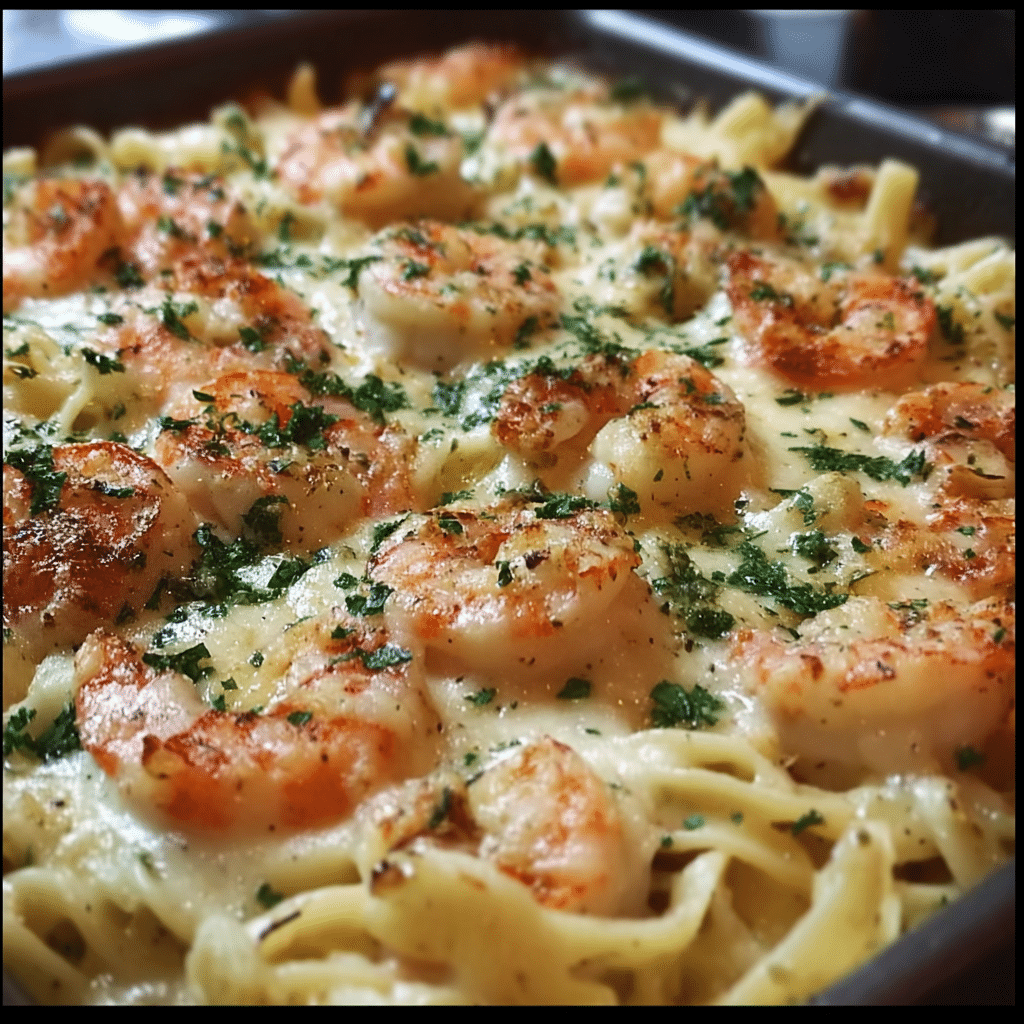
Troubleshooting Guide
Even the most experienced cooks encounter challenges when preparing a dish like shrimp scampi pasta. Here are some common issues and how to solve them:
- Too much liquid: If your pasta bake is too soupy, this could be due to the shrimp releasing moisture during cooking. To fix this, you can drain excess liquid before baking or add breadcrumbs to absorb some of the moisture.
- Flavor lacking: If your dish tastes flat, consider adding more garlic, lemon juice, or even a pinch of red pepper flakes for a kick. Fresh herbs like parsley or basil can also brighten up the flavors.
- Pasta sticking together: This often happens if the pasta isn’t adequately coated in sauce. Make sure to mix the pasta thoroughly with the shrimp and sauce before transferring to a baking dish.
Presentation Tips
Presentation can make or break your dining experience, especially with a dish as visually appealing as shrimp scampi pasta. Here are some tips for beautiful plating:
- Layer your ingredients: In your baking dish, layer the pasta and shrimp, and then top with a generous sprinkle of breadcrumbs mixed with parmesan cheese for a crunchy topping.
- Garnish wisely: Fresh herbs are your best friends when it comes to garnishing. A sprinkle of chopped parsley or basil not only adds color but also enhances the aroma of the dish.
- Serve with style: Consider serving your shrimp scampi pasta in individual ramekins for a personal touch, or in a large, shallow bowl for a family-style presentation.
Finally, don’t forget about drink pairings! A chilled white wine, such as Sauvignon Blanc or Pinot Grigio, complements the flavors of your shrimp scampi pasta beautifully. If you’re looking for something non-alcoholic, a sparkling lemon soda can provide a refreshing contrast.
With these professional tips and techniques, you’ll be well on your way to creating a stunning and delectable shrimp scampi pasta that will impress your family and friends. Whether you’re hosting a dinner party or enjoying a cozy night in, this dish is sure to become a favorite!
Creative Variations and Adaptations of shrimp scampi pasta
The beauty of shrimp scampi pasta lies in its versatility. With a few creative twists and adaptations, you can customize this dish to suit any occasion, season, or dietary need. Let’s explore some exciting variations that can breathe new life into your pasta bake!
Seasonal Variations
As the seasons change, so do the ingredients available to us. In the summer, consider adding fresh tomatoes and zucchini to your shrimp scampi pasta. These vibrant vegetables not only enhance the flavor but also add a pop of color to your dish. Simply sauté them alongside the garlic before adding the shrimp.
In the fall, try incorporating butternut squash or pumpkin puree for a creamy, rich twist. The sweetness of the squash pairs beautifully with the savory shrimp and garlic. Just be sure to adjust the cooking time accordingly, as these denser vegetables may require a bit longer to soften.
Winter brings hearty greens like kale or spinach, which can be tossed in at the end of cooking to wilt down perfectly. Not only do they add nutritional value, but they also create a beautiful contrast against the pasta and shrimp.
Dietary Adaptations
Whether you’re accommodating dietary restrictions or simply looking to try something new, there are plenty of ways to adapt your shrimp scampi pasta to fit various diets. For a keto-friendly version, swap traditional pasta for zucchini noodles or spaghetti squash. This not only reduces carbohydrates but also adds a light, fresh texture to the dish.
If you’re catering to a vegan crowd, consider using plant-based shrimp alternatives or chickpeas for protein. Replace butter with vegan margarine and use a splash of vegetable broth instead of white wine to maintain the moisture and flavor.
For those with gluten sensitivities, gluten-free pasta is widely available and can be substituted in any recipe. Just remember to adjust the cooking time, as gluten-free pasta can vary in texture and cooking time compared to traditional pasta.
Creative Twists
Now, let’s talk about some fun and creative twists on the classic shrimp scampi pasta. What about adding a spicy kick? Incorporate diced jalapeños or a dash of hot sauce for those who enjoy a little heat. Alternatively, you could infuse your dish with a touch of Asian flavor by adding soy sauce and sesame oil, creating a fusion dish that’s both unique and delicious.
Another fun idea is to turn your shrimp scampi pasta into a one-pot wonder by adding everything into a large skillet. This method reduces cleanup and allows all the flavors to meld together beautifully. Just ensure that you have enough liquid to cook the pasta properly.
And let’s not forget about leftovers! If you find yourself with extra shrimp scampi pasta, consider transforming it into a creamy pasta salad by mixing it with a bit of mayonnaise or Greek yogurt, adding crunchy vegetables like bell peppers, and serving it chilled for a refreshing meal the next day.
Incorporating these creative variations and adaptations into your cooking will not only keep your meals exciting but also demonstrate how versatile shrimp scampi pasta can be. So don’t hesitate to experiment! After all, the kitchen is your playground, and every dish is an opportunity to create something special.
Storage, Reheating, and Meal Prep for shrimp scampi pasta
When it comes to enjoying a delicious dish like shrimp scampi pasta, knowing how to store, reheat, and prepare it for future meals can save time and elevate your cooking game. As someone who loves to whip up a batch of creamy, garlicky shrimp scampi pasta and then savor it over a few days, I’ve learned a few tricks along the way that make the experience all the more enjoyable.
Short-term Storage
After you’ve prepared your shrimp scampi pasta, it’s essential to store it properly if you plan to enjoy it later. The best way to do this is to let the dish cool down to room temperature before transferring it to an airtight container. I recommend using glass containers with tight-sealing lids. Not only do they keep out air and moisture effectively, but they also resist staining and odors, which is crucial for pasta dishes with rich sauces.
In the refrigerator, your shrimp scampi pasta can last about 3 to 4 days. Just remember to keep it away from foods with strong odors in the fridge, as pasta can easily absorb those flavors. To avoid sogginess, it’s best to store any leftover shrimp separately from the pasta if possible. When I have leftovers, I usually put the pasta in one container and the shrimp in another, then combine them when it’s time to reheat.
Freezing and Long-term Storage
If you want to enjoy shrimp scampi pasta beyond a few days, freezing is a great option. However, it’s important to note that shrimp may not maintain the same texture after freezing, so I recommend freezing the pasta without the shrimp if you plan on storing it long-term. To freeze, divide the pasta into meal-sized portions and pack them into freezer-safe bags or containers. Be sure to remove as much air as possible to prevent freezer burn.
When it comes to shrimp, you can also freeze cooked shrimp separately. If you’ve got leftover shrimp scampi, let it cool completely, then place the shrimp in a single layer on a baking sheet to freeze them individually. Once frozen, transfer them to a freezer bag and use within 2-3 months for best results. I often label my containers with the date and contents, making it easier to keep track of what I have on hand.
Reheating Best Practices
Reheating shrimp scampi pasta can be a bit tricky; you want to maintain that creamy texture without turning your pasta mushy or your shrimp rubbery. My preferred method is to use a skillet on low heat. Add a splash of water or broth to the pan to create steam, then add the pasta and shrimp. This method allows the dish to warm evenly without drying out. Stir gently and cover the pan to trap the steam, which helps rehydrate the pasta.
If you’re short on time, you can also reheat it in the microwave, but be cautious. Place the pasta in a microwave-safe bowl, add a bit of water, cover it with a damp paper towel, and heat in short bursts, stirring in between. This method can help keep the dish moist. Just be sure not to overheat it, as this can make the shrimp tough.
Meal prep is another valuable strategy. When I’m feeling ambitious, I might make a large batch of shrimp scampi pasta on a Sunday and portion it out for the week. This approach not only saves time but also ensures I have a satisfying meal ready to go after a long day. Just remember to cool the portions completely before refrigerating or freezing them to maintain quality.
Food safety is paramount when storing and reheating any dish, including shrimp scampi pasta. Always check for any signs of spoilage, such as off odors or changes in texture. When reheating, ensure the dish reaches an internal temperature of 165°F to kill any potential bacteria. It’s always better to be safe than sorry!
Finally, consider portioning your shrimp scampi pasta before freezing. If you have a family of varying appetites, making individual servings can be a game-changer. You can package them in single-serving containers so that everyone can grab a meal whenever they’re hungry. This not only helps with portion control but also minimizes waste.
In summary, whether you’re storing shrimp scampi pasta in the fridge for a few days or planning to freeze it for later enjoyment, being mindful of storage practices and reheating techniques can help you savor this scrumptious dish for longer. With a little foresight and preparation, shrimp scampi pasta can be a delightful staple in your culinary repertoire.
Nutritional Benefits and Health Information
When it comes to shrimp scampi pasta, not only is it a delicious and satisfying meal, but it also packs a nutritional punch that can be beneficial for your health. As someone who enjoys both the culinary and health aspects of food, I love diving into the nutritional profile of this dish. Let’s explore the benefits of the key ingredients, the dietary considerations, and how you can make it fit into your lifestyle.
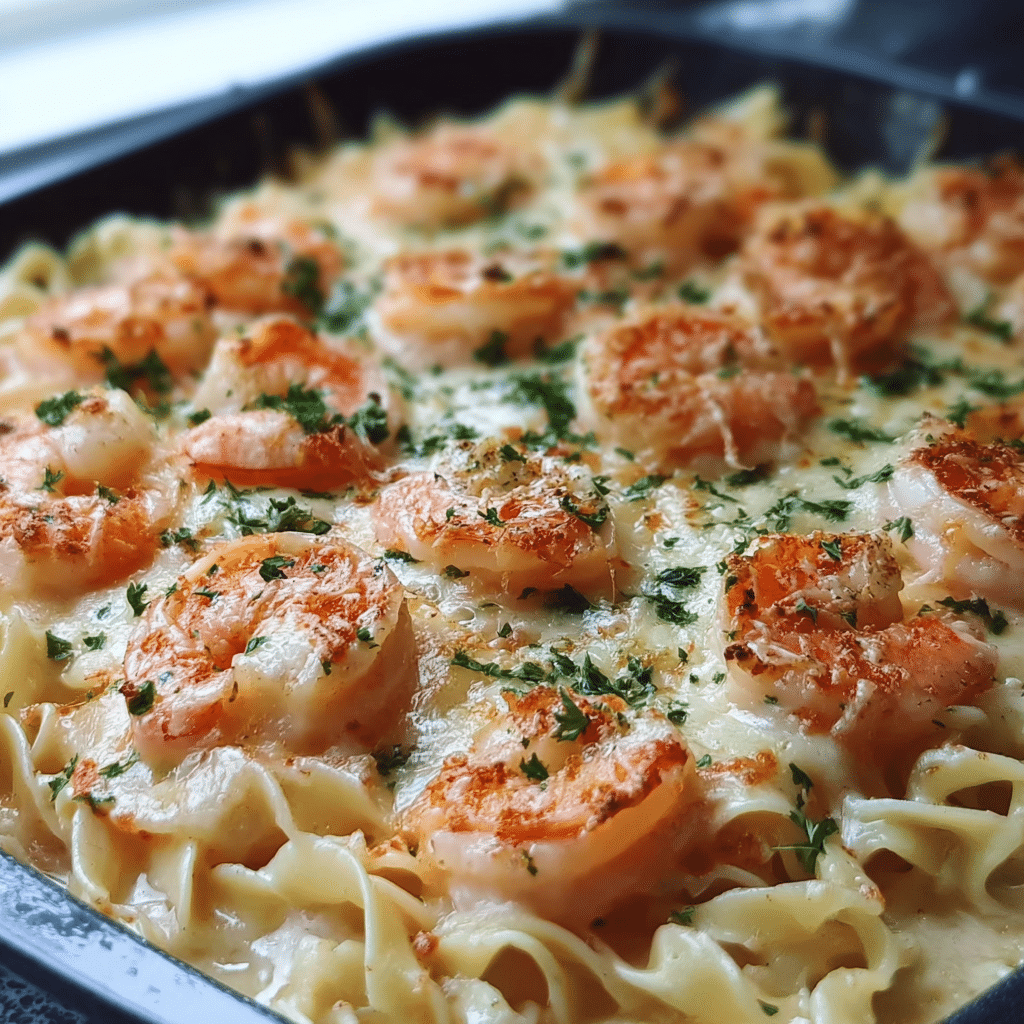
Nutritional Profile
The main components of shrimp scampi pasta include shrimp, pasta, garlic, butter, and often a splash of white wine and fresh herbs. Let’s break this down a little: a typical serving of shrimp scampi pasta provides essential macronutrients. A serving size, approximately 1 cup, can range from 400 to 600 calories, depending on the proportions of butter and pasta used.
Shrimp is a lean source of protein, packing about 20 grams per 3-ounce serving. It is low in calories, making it a fantastic option for those watching their caloric intake. Pasta, especially if you opt for whole grain or legume-based options, adds complex carbohydrates, providing energy and fiber. I often choose whole wheat or chickpea pasta for added nutrients.
When you consider the fat content, the butter used in the dish contributes to richness but can also raise the calorie count. However, it’s worth noting that the fats in butter are largely saturated. For those looking to lighten the dish, substituting olive oil for butter can provide healthier monounsaturated fats while still delivering a burst of flavor.
Health Benefits
Beyond its delightful taste, shrimp scampi pasta offers several health benefits, primarily due to its key ingredients. Shrimp, for instance, is an excellent source of selenium, an antioxidant that plays a vital role in metabolism and thyroid function. It also contains vitamin B12, which is crucial for energy production and maintaining healthy nerve cells.
Garlic, another star ingredient, is not only flavorful but also boasts numerous health benefits. Research has shown that garlic can help lower blood pressure and cholesterol levels, making it heart-healthy. Plus, its anti-inflammatory properties contribute to overall wellness. I like to toss in extra minced garlic to maximize these health benefits when I prepare my dish.
Furthermore, the herbs commonly used in shrimp scampi, such as parsley, add a burst of freshness and additional vitamins. Parsley is rich in vitamins A, C, and K, which are essential for maintaining a healthy immune system and skin. Every time I sprinkle fresh parsley over my pasta, I feel like I’m adding a little extra health to my meal!
Dietary Considerations
When it comes to dietary considerations, shrimp scampi pasta can be easily modified to fit various dietary needs. For those following a gluten-free diet, there are plenty of gluten-free pasta options available, including those made from rice, corn, or quinoa. Additionally, if you’re looking to reduce carbs, you can spiralize vegetables like zucchini or use spaghetti squash as a pasta substitute. I often experiment with zucchini noodles when I want to enjoy shrimp scampi pasta without the carbs!
For those who are lactose intolerant, substituting butter with a dairy-free option like vegan butter or olive oil can create a similarly delightful flavor profile without the digestive discomfort. As for allergens, shrimp is a common allergen, so it’s important to consider any dietary restrictions of your guests if you’re preparing this dish for a gathering.
In terms of meal planning, shrimp scampi pasta can easily fit into a balanced diet. Given its protein content, it can serve as a satisfying main course. Pair it with a side of steamed vegetables or a fresh salad to round out the meal with fiber and additional nutrients. I love serving my shrimp scampi pasta with a side of roasted asparagus or a vibrant mixed greens salad drizzled with lemon vinaigrette for a refreshing contrast.
In conclusion, shrimp scampi pasta is not just a delightful dish to savor; it’s also packed with nutritional benefits that can enhance your overall health. By understanding the components and their respective contributions to your diet, you can enjoy this delicious meal while also making informed choices that align with your health goals. So the next time you prepare shrimp scampi pasta, relish each bite knowing you’re treating yourself to something both delicious and nourishing!