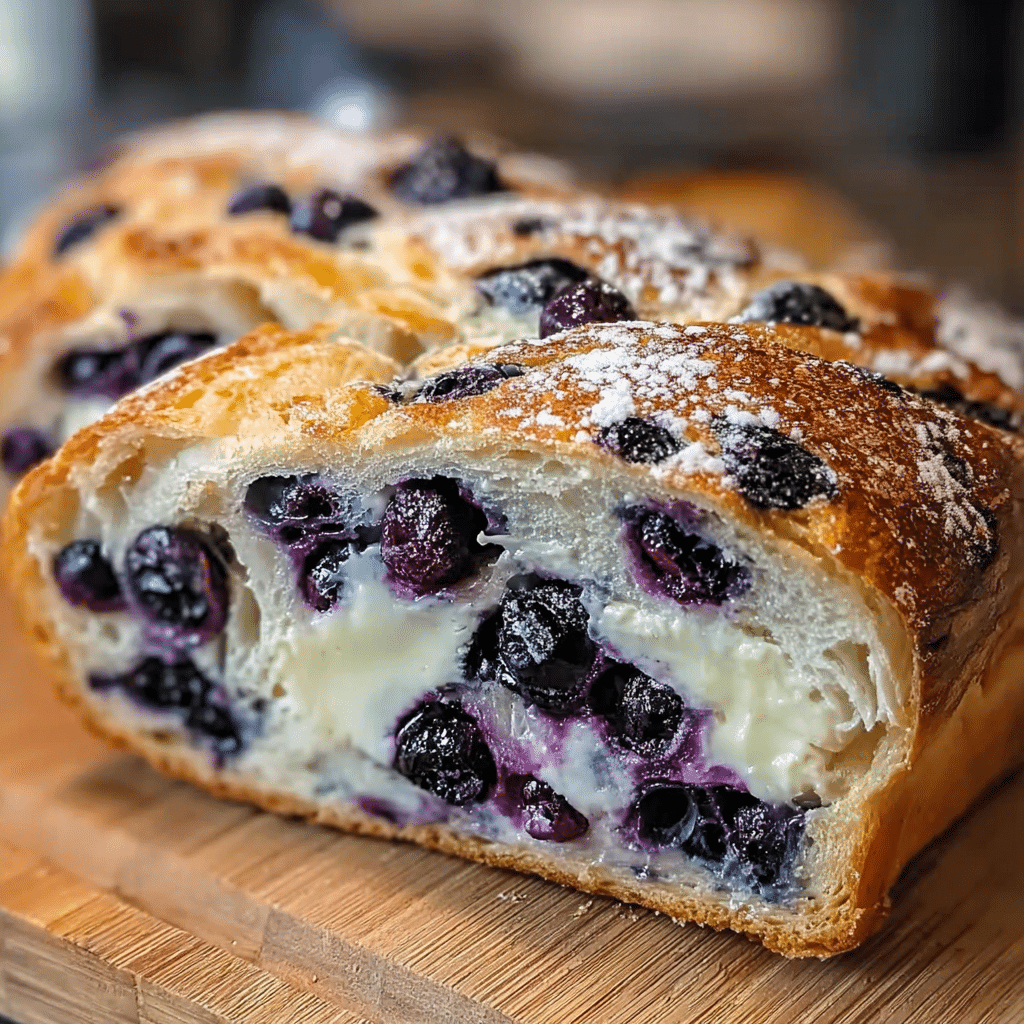
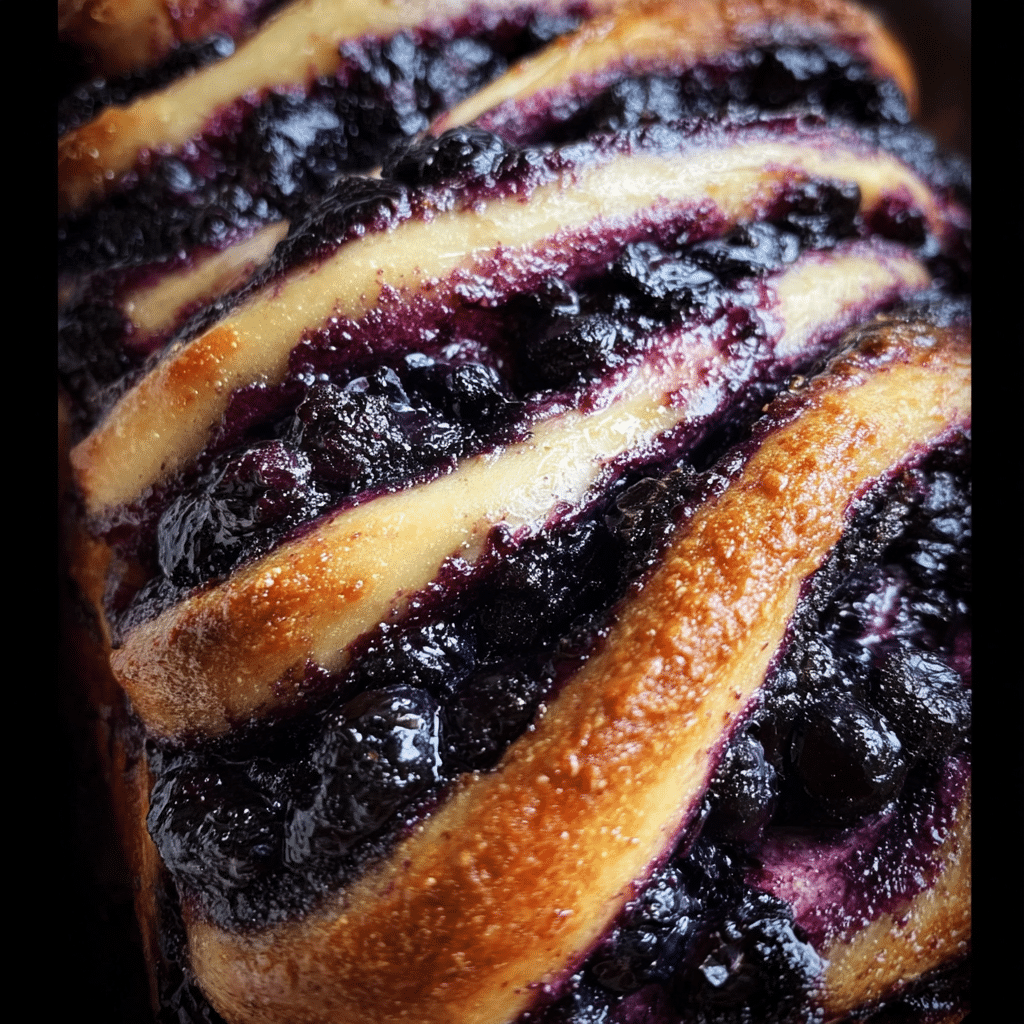
sourdough discard lemon has become a delightful staple in my kitchen, transforming what was once a simple byproduct of baking into a deliciously soft and fragrant roll, bursting with the bright flavors of lemon and juicy blueberries. My journey with sourdough began a couple of years ago when I received a starter from a friend who had been nurturing hers for years. I was fascinated by the idea of creating something from scratch, something that had a life of its own, a bubbly, tangy concoction that would eventually rise to become bread. However, as I learned to manage my sourdough starter, I found myself with a significant amount of discard each week, and I knew I had to find a way to use it. That’s when I stumbled upon the concept of sourdough discard lemon rolls—a recipe that not only helped me reduce waste but also created a treat that my family couldn’t get enough of.
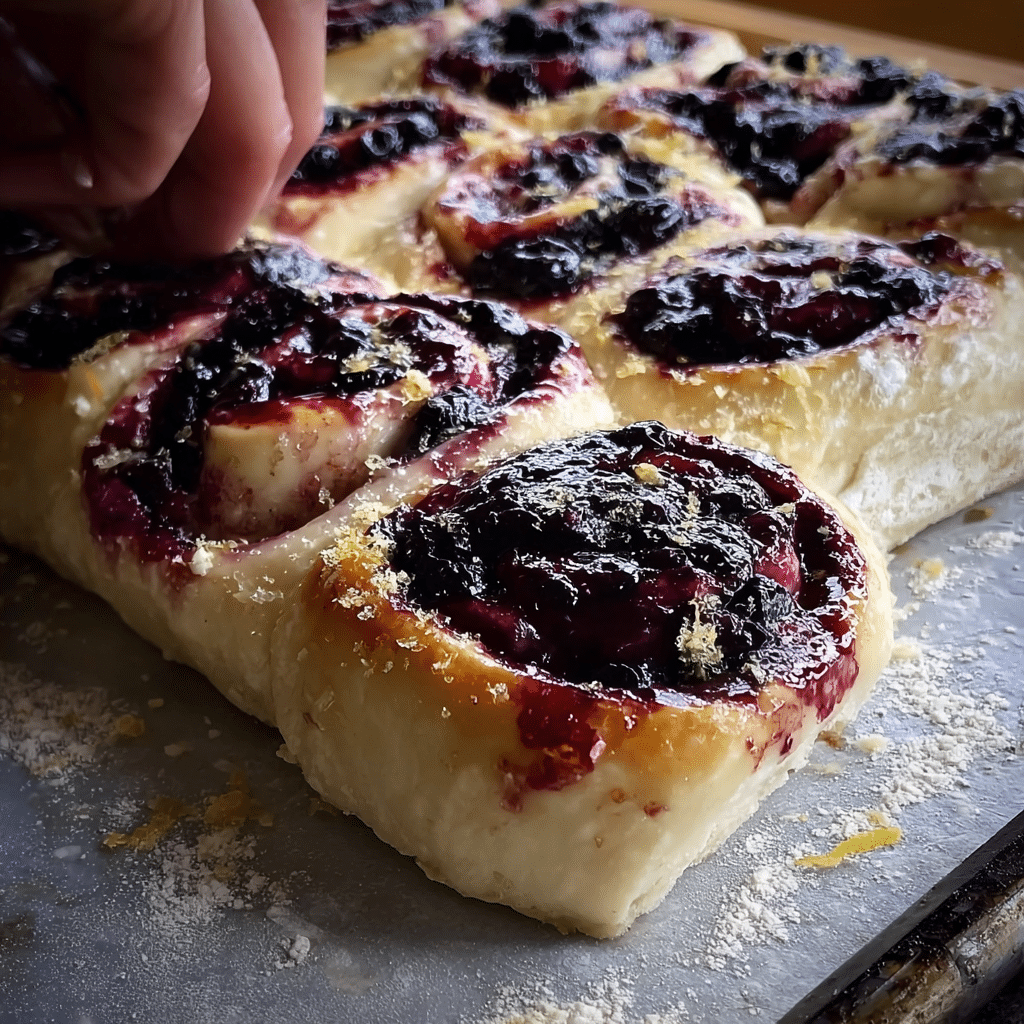
As I dug deeper, I realized that sourdough isn’t just a baking trend; it has roots that stretch back thousands of years, with origins traced back to ancient Egypt where the first leavened bread was created. This method of fermentation is a beautiful dance between flour, water, and time, resulting in a product that is both unique and delicious. The idea of utilizing sourdough discard to create something new and exciting, like lemon blueberry rolls, is a modern twist on a very traditional practice of baking. It’s a way of honoring the past while also embracing contemporary culinary creativity.
The Story Behind This Recipe
What makes sourdough discard lemon blueberry rolls particularly special is how they blend nostalgia with innovation. Growing up, my family would often make sweet rolls on Sunday mornings, filling our home with the warm aromas of cinnamon and sugar. The joy of gathering around the table, sharing stories, and indulging in freshly baked goods is something I cherish deeply. When I discovered this recipe, I was excited to recreate that sense of warmth and togetherness but with a modern spin. The lemon adds a refreshing brightness, while the blueberries bring a burst of sweetness, making these rolls perfect for both breakfast and dessert.
This recipe stands out because it’s not only delicious but also incredibly versatile and forgiving, making it perfect for busy families looking for quick dinner solutions. The best part? These rolls can be prepped in advance and baked fresh when time allows. With the right planning, you can whip up a batch in under an hour, and they pair beautifully with a cup of coffee or tea, making them a delightful addition to your family’s routine.
Seasonally, sourdough discard lemon blueberry rolls shine in late spring and summer when blueberries are in their prime. The concept of using seasonal ingredients not only enhances the flavor but also connects us to the earth’s cycles. When I see plump blueberries in the market, I am reminded of the joy of summer days spent picking fruit, and I can’t help but want to bake something that encapsulates that essence.
Emotionally, this dish has become a bridge between my past and present. Each time I roll out the dough and sprinkle in the blueberries, I am reminded of my grandmother’s kitchen, filled with laughter and love. It’s a connection that transcends generations and speaks to the heart of what home-cooked meals are all about. By sharing this recipe, I hope to inspire others to create their own memories in the kitchen, to embrace the joy of cooking, and to celebrate the beauty of sourdough discard lemon rolls.
In this guide, you will learn not only how to make these delicious rolls but also the best tips for incorporating sourdough discard into your baking, how to select the ripest blueberries, and ways to customize the recipe to suit your tastes. So roll up your sleeves, grab your starter, and let’s dive into the world of sourdough discard lemon!
The Rich History and Cultural Significance of sourdough discard lemon
The journey of sourdough discard lemon rolls is steeped in rich history and cultural significance. To fully appreciate this delightful treat, we must first explore the origins of sourdough itself. Sourdough is believed to have originated around 1500 BC, in ancient Egypt, where it was discovered that dough left to ferment naturally would rise, creating a lighter, airier bread. This method of bread-making was revolutionary and became a staple in many cultures. As time went on, sourdough spread through the Mediterranean and eventually to Europe and beyond, evolving in various ways along the way.
Origins and History
The practice of sourdough baking has deep roots in many cultures. In the United States, sourdough became particularly popular during the Gold Rush era in the 1840s when miners relied on it for sustenance. They valued sourdough for its long shelf life and the ease of maintaining a starter. However, it wasn’t until the 20th century that sourdough started to gain a resurgence in popularity, particularly with the rise of artisan bakers who embraced traditional methods. This revival has led to a new generation of home bakers eager to explore the wonderful world of sourdough.
As sourdough gained traction, so did the concept of using discard—a term that refers to the portion of the starter that is typically thrown away during feedings. Creative bakers started experimenting with this leftover starter, leading to a plethora of recipes that utilized it, from pancakes to crackers, and of course, to our beloved sourdough discard lemon rolls. This creative use of leftover starter not only minimizes waste but also brings a unique flavor profile to baked goods.
Cultural Significance
In many cultures, bread holds a special significance, often representing sustenance and community. Sourdough, in particular, has a rich cultural heritage, with families passing down their unique starters through generations. The act of sharing a sourdough starter is akin to sharing a piece of one’s culinary history. In this context, sourdough discard lemon rolls can symbolize not just innovation but also a respect for tradition. It’s about taking something old and making it new again, a perfect metaphor for life and relationships.
These rolls are often enjoyed during gatherings and celebrations, where the inviting aroma of freshly baked treats fills the air, making them a beloved addition to brunches, picnics, and family dinners. Their versatility allows them to be enjoyed at any time of day, whether slathered with butter for breakfast or served warm as a comforting dessert.
Nutritional Benefits
In addition to their cultural significance, sourdough discard lemon blueberry rolls also offer various nutritional benefits. Sourdough fermentation enhances the digestibility of the flour, breaking down gluten and phytic acid, which can make nutrients more available to the body. Moreover, incorporating whole grains and fresh fruits like blueberries adds fiber, vitamins, and antioxidants that contribute to a balanced diet.
Blueberries, in particular, are known for their health benefits. Packed with antioxidants, they support heart health and improve brain function. Meanwhile, the lemon zest and juice not only elevate the flavor but also provide a source of vitamin C, helping to boost the immune system. By making these delicious rolls, you are not only indulging in a treat but also nurturing your body with wholesome ingredients.
As we explore the world of sourdough discard lemon rolls, we uncover a beautiful tapestry of history, culture, and health, intricately woven together through generations of baking. By embracing this delightful recipe, we honor the past while also creating new memories in our kitchens. The story of sourdough discard lemon rolls is one of creativity, sustainability, and connection—a perfect recipe for bringing people together around the table.
Essential Ingredients for Perfect sourdough discard lemon
When it comes to creating a delightful batch of sourdough discard lemon blueberry rolls, the foundation lies in choosing the right ingredients. Each component plays a crucial role, not just in flavor, but also in the texture and overall success of the recipe. Let’s dive into the essentials of what you’ll need to create these scrumptious rolls, along with tips on selecting quality ingredients and some practical insights.
Essential Ingredients
- 10 grams sourdough starter, ripe and active, about 2 teaspoons
- 10 grams granulated sugar, about 1 Tablespoon
- 50 grams all-purpose or bread flour, about 6 Tablespoons
- 25 grams water, about 2 Tablespoons
- 90 grams levain, all of it, see recipe notes, about 1/3 cup
- 220 grams whole milk, warmed, about 3/4 cup plus 2 Tablespoons
- 55 grams unsalted butter, melted, about 1/4 cup
- 60 grams granulated sugar, about 1/4 cup
- 6 grams lemon zest, from one large lemon, about 1 Tablespoon
- 1 large egg, about 50 grams
- 6 grams salt, about 1 teaspoon
- 475 grams bread flour, about 3 1/3 cups
- 190 grams fresh or frozen blueberries, about 1 cup
- 50 grams granulated sugar, about 1/4 cup
- 15 grams lemon juice, about 1 Tablespoon
- 10 grams cornstarch, about 1 Tablespoon
- 55 grams unsalted butter, about 4 Tablespoons
- 60 grams granulated sugar, about 1/3 cup
- 6 grams lemon zest (from one large lemon), about 1 Tablespoon
- pinch of salt
- 55 grams unsalted butter, 4 Tablespoons
- 30 grams cream cheese, about 2 Tablespoons or 1 oz
- 125 grams powdered sugar, about 1 cup
- 15 grams lemon juice, about 1 Tablespoon
- 2-4 grams lemon zest, about 1-2 teaspoons
- pinch of salt
Sourdough Discard Lemon Blueberry Rolls
Ingredients
- Sweet Stiff Levain
- 10 grams sourdough starter, ripe and active, about 2 teaspoons
- 10 grams granulated sugar, about 1 Tablespoon
- 50 grams all-purpose or bread flour, about 6 Tablespoons
- 25 grams water, about 2 Tablespoons
- Sourdough Blueberry Lemon Roll Dough
- 90 grams levain, all of it, see recipe notes, about 1/3 cup
- 220 grams whole milk, warmed, about 3/4 cup plus 2 Tablespoons
- 55 grams unsalted butter, melted, about 1/4 cup
- 60 grams granulated sugar, about 1/4 cup
- 6 grams lemon zest, from one large lemon, about 1 Tablespoon
- 1 large egg, about 50 grams
- 6 grams salt, about 1 teaspoon
- 475 grams bread flour, about 3 1/3 cups
- Blueberry Compote
- 190 grams fresh or frozen blueberries, about 1 cup
- 50 grams granulated sugar, about 1/4 cup
- 15 grams lemon juice, about 1 Tablespoon
- 10 grams cornstarch, about 1 Tablespoon
- Lemon Filling
- 55 grams unsalted butter, about 4 Tablespoons
- 60 grams granulated sugar, about 1/3 cup
- 6 grams lemon zest (from one large lemon), about 1 Tablespoon
- pinch of salt
- Blueberry Lemon Roll Frosting
- 55 grams unsalted butter, 4 Tablespoons
- 30 grams cream cheese, about 2 Tablespoons or 1 oz
- 125 grams powdered sugar, about 1 cup
- 15 grams lemon juice, about 1 Tablespoon
- 2–4 grams lemon zest, about 1–2 teaspoons
- pinch of salt
Instructions
Mix Levain (10-12 hours, overnight at 78ºF)
- Mix together ripe sourdough starter, all-purpose flour, granulated sugar and water. Knead the levain until it forms a cohesive ball. Set in a liquid measuring cup and cover for 10-12 hours until the levain has doubled in size and the top is rounded.
Sourdough Blueberry Lemon Sweet Roll Dough
- Mix Dough: Warm the milk in the microwave (about 1 1/2 minutes full power) or on the stove. It should be around 90-100ºF, no warmer than that. To the bowl of a stand mixer with a dough hook, add the ripe levain, warmed milk and melted butter. Add the sugar, egg, salt, lemon zest and most of the bread flour. Turn on the dough hook and knead for a few minutes. Add the remainder of the bread flour as needed. The dough should be tacky, not overly sticky and should all cling to one side of the bowl (or away from the edges depending on your mixer). Knead for a total of 8-10 minutes until the dough is smooth. If mixing by hand, knead for 10-15 minutes.
- Bulk Fermentation: Put the dough in a container and cover. Set the dough in a warm, 78-80ºF place for 4 hours. Take the temperature of the dough as needed to make sure it stays right around 78-80ºF. This temperature is optimal for fermentation. At the end of about 4 hours, the dough should be puffed up and feel very elastic. If it doesn’t feel this way, let it bulk ferment for another half hour and check again.
- Overnight Refrigeration: At this point, after the bulk fermentation has finished, cover the dough and put it in the refrigerator. Proceed with the recipe the next day, shaping and proofing the rolls before baking. This allows you to time the rolls for breakfast or brunch if desired. If you prefer to shape the rolls and bake them the same day OR let the rolls rise and THEN cold ferment, check out the alternative options in the recipe notes.
- Blueberry Compote: To a small saucepan add the blueberries, sugar and lemon juice. Set over medium heat and cook for about 5 minutes, mashing the berries during this time. Add cornstarch and whisk together over heat for about 10-15 seconds until thickened. Pour into a bowl and set aside to cool completely. This blueberry compote can be covered and refrigerated for up to a couple of days if desired.
- Lemon Filling: Right before you’re ready to shape the rolls, pull the dough out of the refrigerator and mix together the lemon filling. Mix softened (or melty) butter, sugar, lemon zest and salt until it forms a thick paste.
- Shaping: Prepare a 9 by 13 pan with parchment paper or use a non-stick pan. Roll the dough out into an approximate 16 by 12 rectangle. Spread the lemon filling all over the dough with your fingers, making sure to spread right to the edges of the dough. Add the blueberry compote on top of the lemon filling and spread to the edges. Starting with the dough closest to you, roll up the blueberry rolls and pinch together the seam. Flip the roll over, seam side down. Cut the long log of dough into 8 equal pieces. Place the rolls in the baking pan with two in the middle of the pan and three on each side of the pan, snuggling all 8 rolls together.
- Proofing: Cover the pan of rolls and let rise in an 80-85ºF place until puffed up and risen, about 3-4 hours. Do not bake these rolls if they have not risen.
- Baking: Pre-heat the oven to 350ºF. Bake the blueberry rolls for about 30 minutes until baked all the way through. Check the middle of a few of the rolls by using a knife to pry up a bit of the roll and make sure it is baked to your liking (the center will tell you if it needs more time or is perfectly baked).
- Cream Cheese Frosting: Using a hand mixer, whip together softened butter and cream cheese. Add the powdered sugar, lemon juice, lemon zest and salt. Whip together for 2-3 minutes, scraping down the sides of the bowl as needed. The frosting should be light and fluffy.
- Spread frosting over the tops of the blueberry lemon sweet rolls while they are still warm. Enjoy!
Let’s explore the role and importance of each ingredient in your sourdough discard lemon blueberry rolls, ensuring you achieve the best results possible.
Sourdough Starter: This is the star of the show. A ripe and active sourdough starter provides the necessary leavening power and a subtle tang that compliments the sweetness of the blueberries and the brightness of the lemon. Make sure your starter is bubbly and at its peak activity for the best results.
Granulated Sugar: You’ll need sugar in multiple forms throughout the recipe. It sweetens the rolls, balances acidity, and helps with browning during baking. Using good quality sugar can elevate the flavor; look for organic options if you prefer. Remember, sugar is a key player in fermentation, so don’t skip on it!
All-Purpose or Bread Flour: The type of flour affects the roll’s structure. All-purpose flour will yield a softer roll, while bread flour, with its higher protein content, provides a chewier texture. Both can work well, but for a more tender roll, I lean towards all-purpose flour.
Water: Often overlooked, water hydrates the dough and activates the yeast in your sourdough starter. Use filtered water for a cleaner taste, as tap water can sometimes contain chlorine, which can inhibit yeast activity. The temperature of the water should be warm, not hot, to help activate the yeast without killing it.
Levain: This is a mixture of flour and water that’s fermented with your sourdough starter. It adds depth of flavor and helps achieve the perfect rise. Ensure you’ve prepared your levain a few hours before starting your rolls to give it time to ferment.
Whole Milk: Milk enriches the dough and adds a lovely moisture content, resulting in a soft and fluffy roll. Warm it gently before adding it to your dough to help it combine easily. If you’re lactose intolerant, consider using almond milk or another dairy-free substitute.
Unsalted Butter: The butter not only adds flavor but also contributes to the tenderness of the rolls. I always recommend unsalted butter so you can control the amount of salt in your recipe. Melt it before adding so it mixes easily with other ingredients.
Lemon Zest and Juice: These are what give the rolls their refreshing zing! Use fresh lemons for zest and juice; the flavor is incomparable to bottled alternatives. The zest contains essential oils that bring out the lemon’s fragrant profile in the rolls.
Eggs: An egg adds richness and helps bind the ingredients together. For an egg-free option, you can substitute with 1/4 cup of unsweetened applesauce or a flaxseed egg (1 tablespoon ground flaxseed mixed with 3 tablespoons of water).
Salt: A crucial ingredient that enhances flavor and helps regulate yeast activity. Always use fine sea salt for even distribution in your dough.
Blueberries: Fresh blueberries provide juicy bursts of flavor that complement the lemon beautifully. If using frozen, ensure they’re thawed and drained to avoid excess moisture in the dough.
Cornstarch: This ingredient thickens the blueberry filling and helps keep it from becoming runny. It’s a secret ingredient that can make all the difference in the texture of your filling.
Cream Cheese: Adding cream cheese to your frosting gives it a rich and tangy flavor, balancing the sweetness of the powdered sugar. For a healthier option, you can use Greek yogurt.
Shopping Tips
When sourcing your ingredients for sourdough discard lemon blueberry rolls, consider local farmers’ markets for fresh produce like blueberries and lemons. Opt for organic when available, as they often have more robust flavors and are free of pesticides. Check the expiration dates on items like your sourdough starter and yeast to ensure freshness. When purchasing dairy, look for milk from grass-fed cows for better flavor and nutrition.
Substitutions and Alternatives
If you have dietary restrictions or preferences, there are plenty of alternatives you can use without sacrificing flavor. Gluten-free flour blends can replace all-purpose or bread flour, though texture may vary. Plant-based milk can substitute whole milk, and you can use coconut oil instead of butter for a dairy-free option. Remember, though, that these substitutions can alter the final product, so a little experimentation may be necessary.
In conclusion, each ingredient in your sourdough discard lemon blueberry rolls serves a purpose, contributing to the flavor, texture, and overall enjoyment of this delightful treat. By choosing quality ingredients and being mindful of substitutions, you’ll create rolls that not only taste amazing but also reflect your love for baking. Happy baking!
Detailed Step-by-Step sourdough discard lemon Cooking Instructions
Creating sourdough discard lemon blueberry rolls is a delightful journey filled with aromatic flavors and comforting textures. The process may seem intricate, but with a little patience and practice, you’ll create a batch of rolls that are sure to impress. Let’s break down the step-by-step instructions to guide you through this baking adventure.
Preparation Steps
- Gather Your Ingredients: Before you start, gather all your ingredients in one place. This is known as mise en place, a French term meaning “everything in its place.” It will make the process smoother and more enjoyable.
- Prepare the Levain: A few hours before you start, mix together 90 grams of flour, 90 grams of water, and your ripe sourdough starter. Let it sit at room temperature until it’s bubbly and doubled in size. This will provide the necessary lift and flavor to your rolls.
- Measure Your Ingredients: Precision is key in baking. Measure your flour, sugar, butter, milk, and other ingredients accurately. Use a kitchen scale for best results.
- Warm the Milk: Gently warm 220 grams of whole milk in a small saucepan or microwave until it’s just lukewarm, not hot. This helps activate the yeast without killing it.
- Melt the Butter: Melt 55 grams of unsalted butter and set it aside to cool slightly. It should be warm but not hot when you incorporate it into the dough.
Cooking Process
- Mix the Dough: In a large mixing bowl, combine the levain, warm milk, melted butter, 10 grams of granulated sugar, lemon zest, and egg. Stir until well combined. Then, gradually add the 475 grams of bread flour and 6 grams of salt. Mix until a shaggy dough forms.
- Knead the Dough: Transfer the dough to a lightly floured surface and knead for about 8-10 minutes until smooth and elastic. If you have a stand mixer, you can use the dough hook attachment for this step. A well-kneaded dough should spring back when poked.
- First Rise: Place the kneaded dough in a lightly greased bowl, cover it with a damp cloth or plastic wrap, and let it rise in a warm place for about 1-2 hours, or until doubled in size. Look for visual cues like the dough puffing up significantly and becoming airy.
- Prepare the Blueberry Filling: In a medium bowl, mix 190 grams of blueberries, 50 grams of sugar, 15 grams of lemon juice, 10 grams of cornstarch, and a pinch of salt. This filling will add bursts of flavor and moisture to your rolls.
- Shape the Rolls: Once the dough has risen, turn it out onto a floured surface and gently deflate it. Roll it out into a rectangle, about 1/2 inch thick. Spread the blueberry filling evenly over the dough, leaving a small border around the edges.
- Roll and Cut: Starting from one long edge, roll the dough tightly into a log. Cut the log into 12 equal pieces using a sharp knife or a bench scraper. Place the rolls cut side up in a greased baking dish, leaving a bit of space between each roll for expansion.
Final Assembly
- Second Rise: Cover the baking dish with a cloth and let the rolls rise for another 30-45 minutes, until puffy. The dough should feel airy and light.
- Preheat the Oven: Preheat your oven to 350°F (175°C) during the last 15 minutes of the second rise. This ensures the rolls go into a hot oven, which helps them rise beautifully.
- Bake the Rolls: Bake the rolls for about 25-30 minutes, or until golden brown on top. The rolls should sound hollow when tapped on the bottom. Keep an eye on them around the 20-minute mark to prevent over-browning.
- Make the Cream Cheese Frosting: While the rolls are baking, prepare the frosting by mixing 30 grams of cream cheese, 125 grams of powdered sugar, 15 grams of lemon juice, and a pinch of salt until smooth and creamy. Add a bit of lemon zest for an extra kick.
- Cool and Frost: Once the rolls are out of the oven, let them cool slightly before drizzling the cream cheese frosting over the top. The warmth of the rolls will slightly melt the frosting, making it ooey-gooey delicious.
- Serve and Enjoy: Allow the rolls to cool for a few minutes before serving. The combination of warm, fluffy dough with the tangy lemon and sweet blueberry filling is simply irresistible. Gather your friends and family, and enjoy the fruits of your labor!
Throughout this process, remember to trust your senses. The smell of rising dough, the visual cues of a well-baked roll, and the delicious taste of your creation are all part of the journey. Don’t be afraid to make adjustments based on your kitchen environment; baking is as much an art as it is a science. Enjoy your homemade sourdough discard lemon blueberry rolls!
Professional Tips and Techniques for sourdough discard lemon
When it comes to baking with sourdough discard, the magic truly happens when you infuse it with flavors that elevate the dish to new heights. Sourdough discard lemon rolls are a delightful way to use up that extra starter while indulging in the fresh, zesty flavors of lemon and the sweetness of blueberries. But before we dive into the recipe, let’s explore some professional tips and techniques that can help you create the perfect sourdough discard lemon rolls.
Professional Techniques
To begin with, understanding the importance of the sourdough discard is crucial. It plays a significant role in the flavor and texture of your rolls. The fermentation process that occurs in sourdough gives the dough a unique tanginess and depth of flavor that you just can’t replicate with commercial yeast. When using sourdough discard lemon in your recipes, make sure your discard is active; it should have a pleasant sour smell and a bubbly texture.
One of the insider secrets to achieving soft and fluffy rolls is to incorporate a tangzhong method. This technique involves cooking a small portion of the flour with water (or milk) to create a slurry that you then mix into your dough. This not only adds moisture but also extends the shelf life of your rolls, keeping them fresh for longer.
Another essential technique is to be mindful of your hydration levels. Sourdough discard can vary in moisture content, which may affect the overall hydration of your dough. A good rule of thumb is to start with a slightly lower hydration level and adjust as needed. The dough should be soft and tacky but not overly sticky. This will help with shaping and rolling out the dough later on.
When it comes to equipment, a digital kitchen scale is your best friend. Baking is a science, and having precise measurements can make a significant difference in the outcome of your rolls. Additionally, a bench scraper can be incredibly helpful for working with sticky dough and cutting it into equal portions.
Troubleshooting Guide
Even the most experienced bakers face challenges, so let’s address some common problems you might encounter when making sourdough discard lemon rolls. One common issue is dough that doesn’t rise properly. This can happen if your sourdough discard is too old or inactive. Always make sure to refresh your starter a few hours before using it, or use discard that has been fed recently.
If your rolls are too dense, it might be due to overworking the dough. Kneading is essential, but excessive kneading can develop too much gluten, leading to a tough texture. Aim for a gentle hand when shaping your rolls to maintain their softness.
Another common concern is the rolls browning too quickly. If you notice this happening, you can cover them loosely with aluminum foil during the final stages of baking. This will allow the inside to cook thoroughly without burning the exterior.
Meal Prep Strategies
Meal prep can save you time and ensure you have delicious sourdough discard lemon rolls ready to go whenever you need them. You can prepare the dough in advance and allow it to rise overnight in the fridge. This slow fermentation enhances the flavor and makes it easier to shape the rolls the next day.
Additionally, consider freezing the rolls after they have been shaped but before the second rise. You can pull them out whenever you want freshly baked rolls. Just let them thaw and rise at room temperature before baking.
Presentation Tips
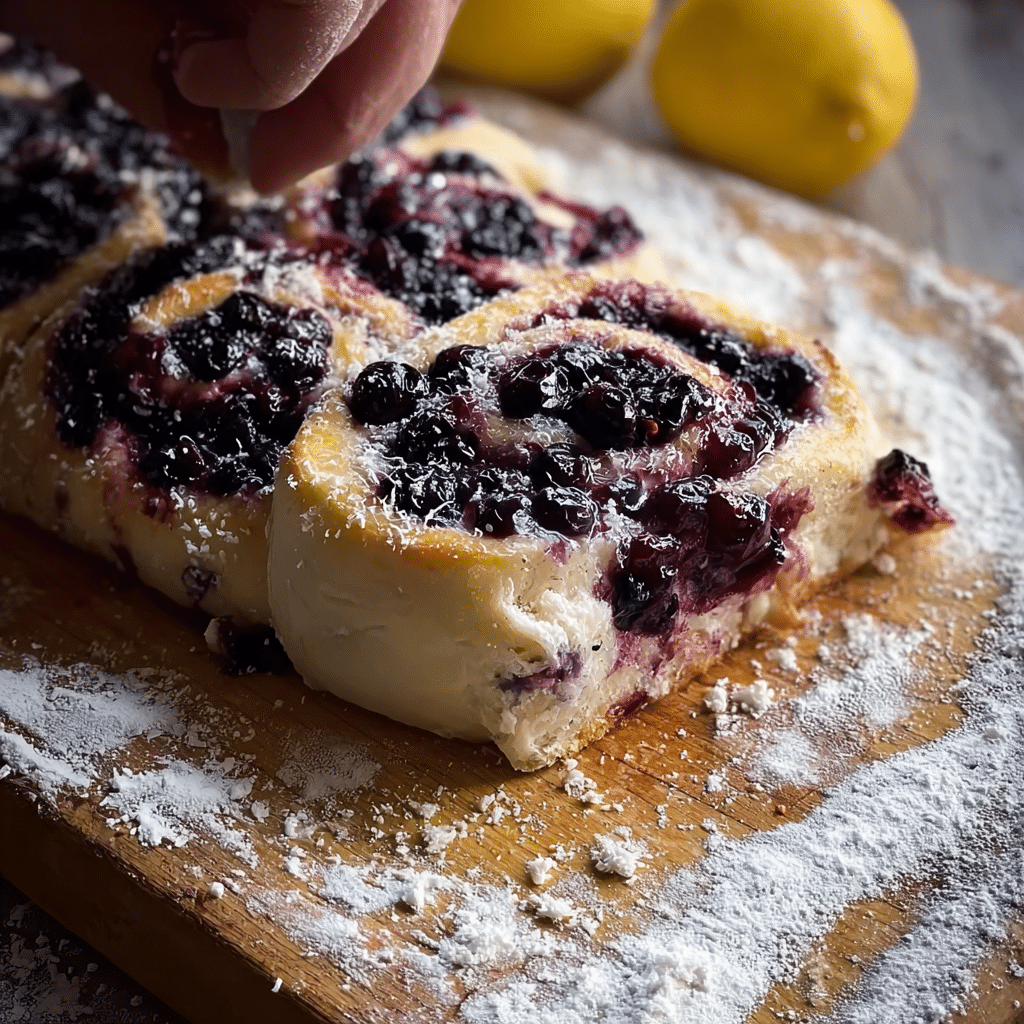
When it comes to serving your sourdough discard lemon rolls, presentation can make all the difference. A simple dusting of powdered sugar over the top can add a touch of elegance. Alternatively, a drizzle of a lemon glaze made from powdered sugar, lemon juice, and zest can make your rolls not only taste delicious but look stunning as well.
Serve your rolls on a rustic wooden board or a beautiful ceramic platter, and consider pairing them with fresh berries or a side of whipped cream cheese for an extra touch. The vibrant colors of lemon and blueberries will create an appealing visual contrast that is sure to impress your guests.
Wine and Beverage Pairings
Now, let’s talk about what to drink with your scrumptious sourdough discard lemon rolls. A light, crisp white wine such as Sauvignon Blanc or a sparkling wine like Prosecco complements the zesty flavors of the lemon beautifully. If you prefer non-alcoholic options, a refreshing iced tea with a hint of lemon or a sparkling lemonade can be delightful accompaniments as well.
In conclusion, mastering sourdough discard lemon rolls is not just about following a recipe; it’s about understanding the techniques and nuances that elevate your baking. With these professional tips, you’ll be well on your way to creating rolls that are not only delicious but also a joy to make. Happy baking!
Creative Variations and Adaptations of sourdough discard lemon
One of the most exciting aspects of baking is the opportunity to play with flavors and ingredients. Sourdough discard lemon rolls are a fantastic base for creativity, and there are countless ways to adapt the recipe to suit your taste or the season. Let’s explore some creative variations and adaptations that will take your sourdough discard lemon rolls to new heights.
Seasonal Variations
As seasons change, so do the ingredients available to us. In the summer, consider adding fresh herbs like basil or thyme to your sourdough discard lemon rolls. The combination of lemon with the fragrant herbs offers a refreshing twist that is perfect for warm weather. You can also incorporate seasonal fruits such as strawberries or raspberries for a berry-packed version.
In the fall, try swapping out the blueberries for cranberries and adding a hint of cinnamon to the dough. This will give you a delightful autumnal flavor that pairs beautifully with the tartness of cranberries. Additionally, adding a splash of orange juice or zest can complement the lemon and create a seasonal citrus blend.
Dietary Adaptations
Whether you’re accommodating dietary restrictions or simply exploring new cooking styles, there are plenty of options for modifying your sourdough discard lemon rolls to fit various dietary needs. For those following a vegan lifestyle, you can replace the eggs in the recipe with flaxseed meal or applesauce, which will help bind the ingredients together while adding moisture.
If you’re looking for a gluten-free option, consider using a gluten-free flour blend. However, keep in mind that the texture may differ slightly from traditional rolls. You might need to adjust the hydration levels again, as gluten-free flours often absorb more liquid than regular flour.
For a healthier twist, you can experiment with replacing some of the all-purpose flour with whole wheat flour. This not only adds a nutty flavor but also increases the fiber content of the rolls. Just remember that the dough may require a longer resting period to achieve the same elasticity and rise.
Creative Twists
Now, let’s get adventurous! Infusing your sourdough discard lemon rolls with different flavors can lead to some delicious surprises. Consider adding a swirl of cinnamon sugar or a layer of cream cheese filling before rolling up the dough. This will create a delightful surprise when you bite into the rolls.
For those who love a bit of heat, adding a pinch of cayenne pepper or chili flakes to the dough can create a unique sweet and spicy combination that will have your taste buds dancing. Alternatively, incorporating chocolate chips or chunks can create a decadent treat that contrasts beautifully with the tartness of the lemon.
Another fun idea is to turn your rolls into a breakfast treat by adding a layer of lemon curd or a lemon-flavored cream cheese filling. Imagine waking up to the aroma of freshly baked rolls filled with zesty lemon goodness! You can also create a savory version by adding cheese and herbs, making them perfect for brunch or as a side to soups and salads.
As you experiment with these variations, don’t hesitate to adjust the recipe according to your preferences. Baking is a personal and creative process, and the joy of cooking comes from making it your own. Whether you stick with the classic sourdough discard lemon rolls or venture into exciting new territory, the key is to have fun and enjoy the process.
In conclusion, sourdough discard lemon rolls are a versatile canvas for your culinary creativity. With these variations and adaptations, you can ensure that every batch is unique and perfectly suited to your tastes and the seasons. Happy baking!
Storage, Reheating, and Meal Prep for sourdough discard lemon
When it comes to baking, ensuring that your creations last and maintain their quality is essential. This is especially true for treats like sourdough discard lemon blueberry rolls, which are as delightful as they are fleeting. Proper storage techniques will not only help you enjoy your rolls over time but also ensure that they remain fresh and flavorful. Let’s dive deep into the world of storage, reheating, and meal prep for these wonderful rolls.
Short-term Storage
For those who plan on enjoying their sourdough discard lemon blueberry rolls within a few days, short-term storage is simple and effective. The best approach is to store them in an airtight container at room temperature. This method helps to preserve their softness and flavor while preventing them from drying out. It’s important to choose a container that isn’t too large; this minimizes the amount of air that gets in, which can lead to staleness.
When storing your rolls, consider using parchment paper to separate layers if you have stacked them. This prevents them from sticking together, which can be a common issue with soft baked goods. If you notice that your rolls have started to lose moisture, a slice of bread placed in the container can help maintain their softness. Just be sure to replace the bread slice regularly!
Another option for short-term storage is to wrap the rolls in plastic wrap, followed by aluminum foil. This double-layer method provides excellent protection against air exposure and helps retain moisture effectively. However, keep in mind that while this method is great for a couple of days, it’s best to consume the rolls within 2-3 days to enjoy their optimal taste and texture.
Freezing and Long-term Storage
If you want to extend the life of your sourdough discard lemon blueberry rolls even further, consider freezing them. Freezing is an excellent option for batch cooking, allowing you to enjoy these delicious treats at your convenience. To freeze your rolls, first ensure they are completely cooled. This step is crucial, as freezing them while warm can create excess moisture, leading to freezer burn.
Once cooled, wrap each roll individually in plastic wrap. This provides a barrier against freezer air and helps maintain quality. After wrapping, place the rolls in a freezer-safe bag or container. Make sure to label the bag with the date, so you can keep track of how long they’ve been stored. Ideally, these rolls should be consumed within 3 months for the best quality, although they can last longer if stored properly.
When you’re ready to enjoy your frozen rolls, the best method is to thaw them in the refrigerator overnight. This gradual thawing helps maintain their texture. If you’re short on time, you can also defrost them at room temperature for a few hours or pop them in the microwave for a few seconds. Just be cautious with the microwave; too long can lead to tough rolls.
Reheating Best Practices
Reheating your sourdough discard lemon blueberry rolls properly is essential to bringing back their delightful taste and texture. For the best results, use an oven rather than a microwave if you have the time. Preheat your oven to 350°F (175°C) and place the rolls on a baking sheet. Cover them loosely with aluminum foil to prevent over-browning. Heat for about 10-15 minutes, or until warmed through. This method helps revive their softness and brings back that freshly baked aroma.
If you must use a microwave, place a damp paper towel over the roll and heat it for about 10-15 seconds. This will help retain moisture while reheating, though the texture might not be as perfect as that achieved in the oven. Keep in mind that reheating multiple rolls may require a bit more time.
Meal prep enthusiasts will appreciate the versatility of these rolls. You can bake a large batch and store them using the methods mentioned above, making them a perfect grab-and-go breakfast or snack. Portioning is key; consider cutting the rolls in half if you prefer smaller servings. Not only does this make reheating easier, but it also allows for a greater variety of meal options, such as pairing with different spreads or toppings.
Finally, always consider food safety when storing any baked goods. If your rolls have been left out at room temperature for more than 2 hours, it’s best to discard them. Keeping track of the shelf life expectations and practicing good food safety can help you avoid any unpleasant surprises.
In conclusion, mastering the art of storage, reheating, and meal prep for your sourdough discard lemon blueberry rolls will ensure that you can savor their delightful flavors long after they’re baked. With the right techniques, these rolls can be a delicious staple in your kitchen, ready to brighten your day whenever you need a sweet treat!

Nutritional Benefits and Health Information
When we think of indulgent treats like sourdough discard lemon blueberry rolls, it’s easy to overlook their nutritional value in the face of their sheer deliciousness. However, understanding the nutritional benefits of the ingredients we use can enhance our enjoyment and help us make informed dietary choices. Let’s explore the nutritional breakdown of these rolls, the health benefits of their key ingredients, and how they fit into various diet plans.
Nutritional Profile
Starting with the basics, each serving of a sourdough discard lemon blueberry roll typically contains around 200-250 calories, depending on the size and specific ingredients used. The main components include flour, sugar, butter, blueberries, and sourdough discard. Here’s a closer look at the macronutrient distribution:
- Carbohydrates: Approximately 35-40 grams. The majority of calories come from carbohydrates, primarily from the flour and sugar.
- Proteins: About 3-5 grams. While not a significant source of protein, the inclusion of sourdough can provide some amino acids.
- Fats: Roughly 7-10 grams, largely from the butter used in the dough, contributing to the rolls’ rich flavor and tender texture.
In terms of vitamins and minerals, these rolls can be a source of essential nutrients, particularly when made with whole wheat flour or enriched flour. Whole wheat flour can provide additional fiber, which is beneficial for digestive health. Blueberries, a key ingredient in this recipe, are packed with antioxidants, vitamins C and K, and fiber, making them a powerhouse ingredient for overall health.
Health Benefits
Incorporating blueberries into your diet has numerous health benefits. These tiny fruits are known for their high antioxidant content, which can help combat oxidative stress in the body. Regular consumption of blueberries has been linked to improved heart health, better cognitive function, and reduced inflammation. Additionally, the vitamin C found in lemons adds another layer of health benefits, supporting immune function and skin health.
The sourdough fermentation process also contributes to the healthfulness of these rolls. Sourdough bread is known to have a lower glycemic index compared to traditional bread. This means that it may lead to a slower rise in blood sugar levels, making it a better option for those monitoring their glucose levels. The fermentation process can also improve the bioavailability of certain nutrients, making them easier for our bodies to absorb.
Dietary Considerations
For those with dietary restrictions, there are several ways to modify the sourdough discard lemon blueberry rolls to fit different needs. If you’re gluten-free, using a gluten-free flour blend can yield tasty results, although the texture may differ from traditional rolls. For a lower sugar option, consider reducing the amount of sugar or substituting with natural sweeteners like honey or maple syrup. Vegan adaptations are also possible by replacing butter with coconut oil or a vegan butter alternative and using a plant-based milk.
When comparing these rolls to other pastries or baked goods, they generally have a more favorable nutritional profile. For instance, a typical cinnamon roll or Danish pastry might contain significantly more sugar and fat. Making sourdough discard lemon blueberry rolls at home allows you to control the ingredients, making it a healthier choice without sacrificing flavor.
In conclusion, the sourdough discard lemon blueberry rolls can be a delightful treat that doesn’t compromise on nutrition. With their combination of wholesome ingredients and the health benefits of blueberries and sourdough fermentation, they can fit into a balanced diet while satisfying your sweet tooth. So, the next time you indulge in one of these rolls, you can appreciate not just their delicious flavor but also the nutrition they provide!