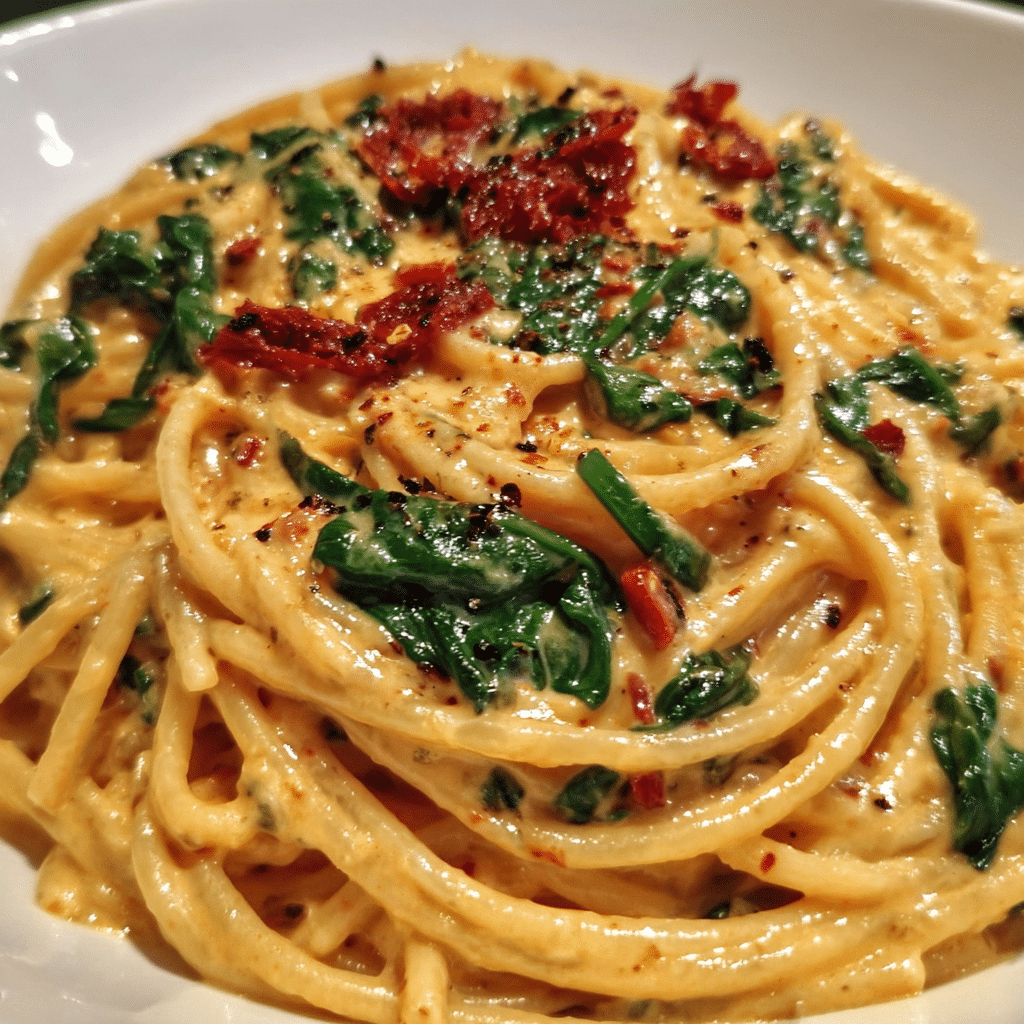
When we talk about spaghetti spinach sun-dried, it’s essential to appreciate the rich history and cultural significance of the ingredients and the dish itself. The world of pasta is vast and varied, with roots that stretch back over 2,000 years. Although the exact origin of spaghetti is debated, it is widely accepted that the pasta we love today has its roots in Italy, where it was developed as a convenient and long-lasting food source. Over the centuries, pasta has evolved into an integral part of Italian cuisine, with regional variations that reflect the local culture and traditions.
Origins and History
As the popularity of pasta grew, so did the creativity of chefs who sought to pair it with local ingredients. Spinach, a leafy green that has been cultivated since antiquity, became a popular addition to many pasta dishes due to its nutritional value and vibrant color. The Mediterranean climate, particularly in Italy, supports the growth of both spinach and tomatoes, making them natural partners in countless recipes.
Sun-dried tomatoes, a preservation method dating back to ancient times, became a culinary staple in Italian kitchens, allowing for the enjoyment of tomatoes year-round. This technique enhances the sweetness and intensifies the flavor of the tomatoes, which is why they play a starring role in our spaghetti spinach sun-dried dish. The combination of these ingredients is a celebration of Italy’s agricultural bounty, and each forkful tells a story of tradition and innovation.
Cultural Significance
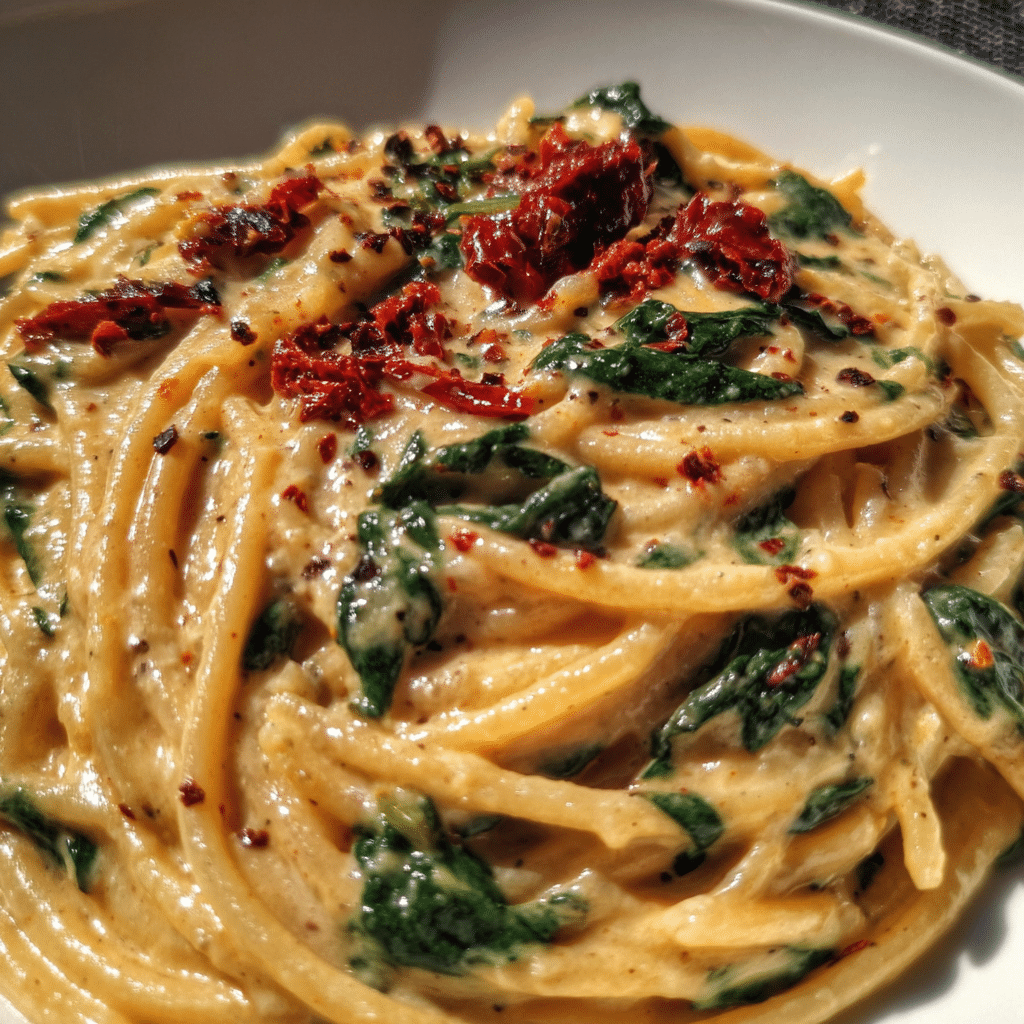
In Italy, pasta is more than just a meal; it’s a symbol of family and togetherness. It is often served during gatherings, celebrations, and holidays, bringing people together around the table. The presence of spaghetti spinach sun-dried at family dinners is reminiscent of the warmth and love that fills a home. Each bite is a reminder that food has the power to connect us to our roots, our families, and our cultures.
Across the globe, culinary enthusiasts have embraced this dish, adapting it to their own tastes and preferences. Whether served in a cozy trattoria in Rome or prepared in a home kitchen in the suburbs of America, spaghetti spinach sun-dried has become a beloved culinary tradition that transcends borders.
Nutritional Benefits
Aside from the rich history and cultural significance, the nutritional benefits of this dish cannot be overlooked. Spinach is a powerhouse of vitamins and minerals, packed with iron, calcium, and vitamins A and C. It is low in calories yet high in fiber, making it a great choice for maintaining a healthy diet. The addition of sun-dried tomatoes provides antioxidants, particularly lycopene, which is known for its health benefits, including heart health and cancer prevention.
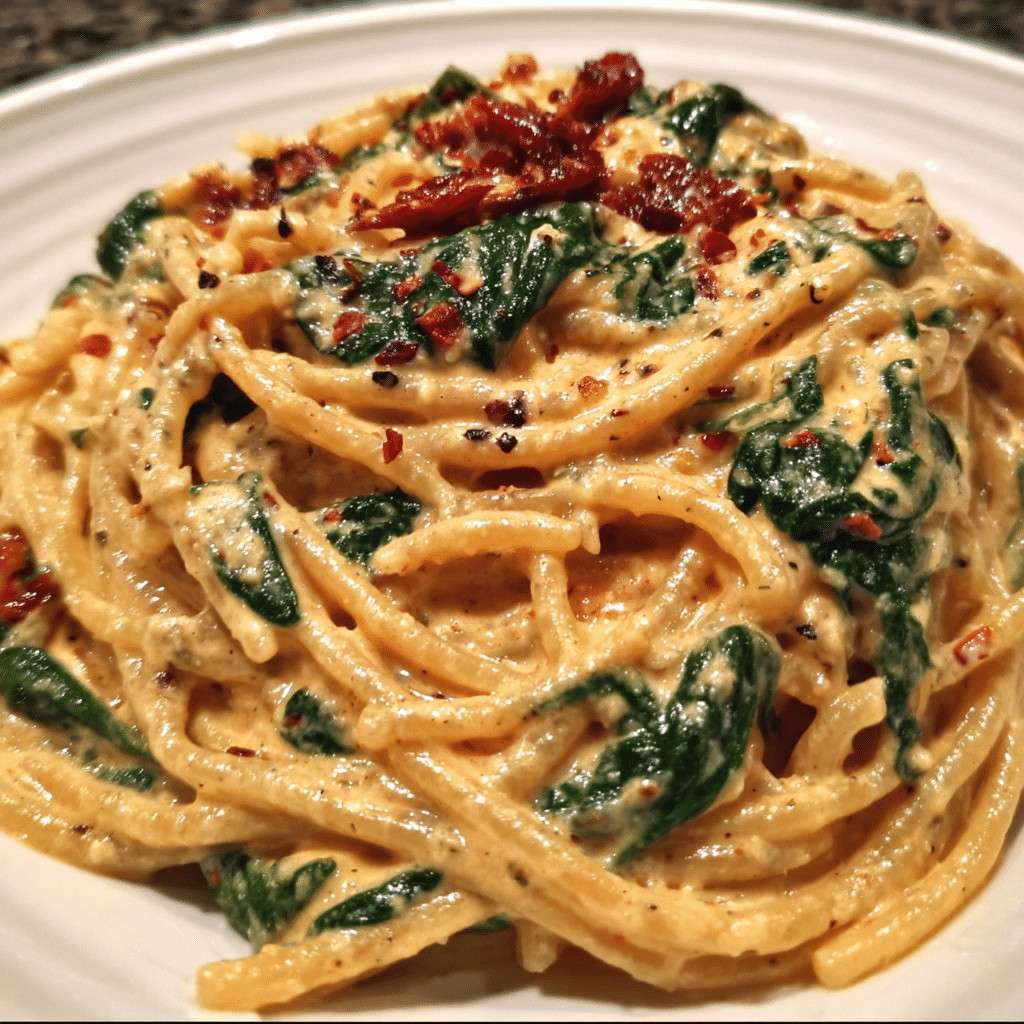
When you make spaghetti spinach sun-dried, you’re not just creating a delicious meal; you’re also providing your family with essential nutrients. Paired with whole grain spaghetti, this dish can be a wholesome and satisfying option that aligns with a balanced diet.
As we explore the nuances of spaghetti spinach sun-dried, I hope you feel inspired to bring this dish into your own kitchen. The combination of flavors, history, and emotional connections make it a meal worth sharing with those you love. Let’s continue to uncover the magic of this dish and learn how to prepare it in your home.
Essential Ingredients for Perfect spaghetti spinach sun-dried
When it comes to creating a delightful dish that combines the heartiness of pasta with the freshness of greens, few meals can compete with spaghetti spinach sun-dried. This dish, bursting with flavors and textures, relies heavily on a few key ingredients that not only contribute to its taste but also to its nutritional value. Let’s dive into the essential ingredients that will make your spaghetti spinach sun-dried truly shine.
Essential Ingredients
- 5 ounces baby spinach, coarsely chopped: Baby spinach is tender and has a mild flavor, making it perfect for this dish. It wilts beautifully and adds a vibrant green color, as well as a wealth of vitamins and minerals.
- 8 ounces whole-wheat spaghetti: Whole-wheat spaghetti offers a nutty flavor and a higher fiber content compared to traditional pasta. This not only enhances the dish’s health profile but also provides a satisfying chewiness that complements the creamy sauce.
- 1 tablespoon oil from sun-dried tomato jar: This oil is packed with flavor and helps to infuse the dish with a rich, savory taste. It’s a great way to utilize every part of the sun-dried tomatoes, ensuring nothing goes to waste.
- ½ cup slivered oil-packed sun-dried tomatoes: Sun-dried tomatoes bring a concentrated sweetness and a chewy texture that contrasts beautifully with the soft spinach and creamy sauce. They are a classic ingredient in Italian cuisine and are often used to add depth to various dishes.
- ½ cup halved and thinly sliced onion: Onions provide a foundational flavor base for many dishes. When cooked, they caramelize slightly, adding sweetness and richness to the sauce.
- 3 cloves garlic, minced: Garlic is a staple in cooking, known for its pungent aroma and flavor. It adds depth to the dish and pairs perfectly with the spinach and sun-dried tomatoes.
- ¼ teaspoon crushed red pepper: For those who enjoy a bit of heat, crushed red pepper will add a nice kick to the pasta, balancing the richness of the cream sauce.
- ¼ teaspoon salt: Salt enhances the flavors of all the other ingredients, making each bite more delicious.
- ¼ teaspoon ground pepper: Freshly ground black pepper adds a subtle warmth and complexity to the dish.
- 1 cup low-sodium vegetable or chicken broth: Broth adds moisture to the sauce and contributes to the overall flavor profile. Low-sodium options allow for better control over the saltiness of the dish.
- ½ cup sour cream: Sour cream provides a creamy texture and a slight tang that balances the richness of the other ingredients.
- ¼ cup grated Parmesan cheese: Parmesan cheese adds a nutty flavor and creaminess, helping to thicken the sauce and enhance the overall taste of the dish.
- 1 tablespoon unsalted butter: Butter adds a luscious richness that complements the cream and cheese, making the sauce velvety and indulgent.
Spaghetti And Spinach With Sun Dried Tomato Cream Sauce
Ingredients
- 5 ounces baby spinach, coarsely chopped
- 8 ounces whole-wheat spaghetti
- 1 tablespoon oil from sun-dried tomato jar
- ½ cup slivered oil-packed sun-dried tomatoes
- ½ cup halved and thinly sliced onion
- 3 cloves garlic, minced
- ¼ teaspoon crushed red pepper
- ¼ teaspoon salt
- ¼ teaspoon ground pepper
- 1 cup low-sodium vegetable or chicken broth
- ½ cup sour cream
- ¼ cup grated Parmesan cheese
- 1 tablespoon unsalted butter
Instructions
- Place 5 ounces spinach in a large colander in the sink. Bring a large saucepan of water to a boil over high heat. Add 8 ounces spaghetti and cook according to package directions. Drain the pasta over the spinach; toss to wilt the spinach.
- Meanwhile, heat ½ cup sun-dried tomatoes along with 1 tablespoon of the oil in a large skillet over medium heat. Add ½ cup onion and sun-dried tomatoes; cook, stirring, until softened, about 3 minutes. Add garlic, ¼ teaspoon crushed red pepper, ¼ teaspoon salt and ¼ teaspoon pepper; cook, stirring, for 1 minute. Increase heat to medium-high and add 1 cup broth; cook, stirring, until reduced by about half, about 2 minutes. Stir in ½ cup sour cream, ¼ cup Parmesan and 1 tablespoon butter. Add the spaghetti and spinach; toss to coat well.
Shopping Tips
When shopping for these ingredients, quality is paramount. Opt for fresh baby spinach that is vibrant in color and free from wilting or browning. Whole-wheat spaghetti should be whole grain, which means it retains more nutrients than its refined counterparts. Look for sun-dried tomatoes stored in oil, as they tend to be more flavorful and tender than dried versions. Additionally, selecting high-quality Parmesan cheese can elevate your dish significantly; it’s best to buy it in block form and grate it yourself for the freshest flavor.
While browsing for spices and other items, check the expiration dates to ensure that your ingredients are fresh. For items like garlic and onions, choosing firm bulbs and avoiding any that are sprouting or have soft spots will guarantee better results in your cooking.
Substitutions and Alternatives
Not everyone has the same dietary preferences or restrictions, so here are some substitution options:
- If you are avoiding gluten, consider using gluten-free pasta instead of whole-wheat spaghetti. There are many options available that mimic the texture of traditional pasta.
- For a dairy-free version, substitute sour cream with a plant-based alternative such as cashew cream or coconut yogurt and use nutritional yeast instead of Parmesan cheese for a cheesy flavor.
- If you want to boost the protein content, you can add cooked chicken or chickpeas to the dish.
- For those who prefer a different green, kale or Swiss chard can be used in place of spinach, though they may require a slightly longer cooking time.
In terms of storage, keep baby spinach in a container in the refrigerator and use it within a few days for the best flavor and texture. Whole-wheat spaghetti can be stored in a cool, dry place for extended periods, while sun-dried tomatoes should remain sealed in their oil to maintain their moisture and flavor. Fresh garlic and onions last longer in a cool, dark area, while prepped or opened broth should be stored in the fridge and used within a week or so.
As you prepare to embark on your culinary journey with spaghetti spinach sun-dried, remember that these ingredients are not just elements of your recipe; they are the foundation of a delicious meal that reflects care and attention to detail. Each ingredient plays a critical role, and understanding their significance will not only improve your cooking but also enhance your overall dining experience. Happy cooking!
Detailed Step-by-Step spaghetti spinach sun-dried Cooking Instructions
Creating a delectable bowl of spaghetti spinach sun-dried is not just about throwing ingredients into a pot. It’s an art that requires attention to detail, understanding of techniques, and a touch of love. In this section, I’ll guide you through the detailed step-by-step cooking process to ensure your dish turns out perfectly every time.
Preparation Steps
- Mise en place: Start by gathering all your ingredients. This French culinary term means “everything in its place.” Chop the baby spinach coarsely, slice the onion thinly, and mince the garlic cloves. Having everything prepped ahead of time will make the cooking process smoother and more enjoyable.
- Cook the spaghetti: In a large pot, bring salted water to a boil. Add the whole-wheat spaghetti and cook according to package instructions until al dente, usually about 8-10 minutes. Stir occasionally to prevent sticking. When done, reserve about ½ cup of the pasta water, then drain the spaghetti and set it aside.
- Heat the oil: In a large skillet or sauté pan, heat the tablespoon of oil from the sun-dried tomato jar over medium heat. This oil is packed with flavor and will impart a lovely richness to the dish.
- Sauté the onions: Once the oil is hot, add the halved and thinly sliced onion. Sauté for about 3-4 minutes, or until the onions become translucent and fragrant. Stir occasionally to avoid burning.
- Add garlic and spices: Add the minced garlic and crushed red pepper to the pan. Sauté for another 1-2 minutes until the garlic is fragrant but not browned, as burnt garlic can impart a bitter taste.
- Incorporate sun-dried tomatoes: Stir in the slivered sun-dried tomatoes and cook for 1-2 minutes, allowing their flavors to meld with the onions and garlic.
- Pour in the broth: Add the vegetable or chicken broth to the pan, stirring to combine all ingredients. Bring the mixture to a gentle simmer, allowing the flavors to develop for about 5 minutes.
- Mix in spinach: Gradually add the coarsely chopped spinach to the sauté pan. It may seem like a lot at first, but it will wilt down significantly. Stir gently until the spinach is wilted, which should take about 2-3 minutes.
- Create the creamy sauce: Reduce the heat to low and stir in the sour cream, grated Parmesan cheese, and unsalted butter. Mix well until everything is combined and the sauce is creamy. If the sauce seems too thick, add a bit of the reserved pasta water to reach your desired consistency.
- Combine spaghetti and sauce: Gently fold the cooked spaghetti into the sauce, ensuring that each strand is well-coated. This is where the magic happens; the spaghetti absorbs the delicious flavors from the sauce!
- Season to taste: Taste your dish and adjust the seasoning with salt and ground pepper as needed. This step is crucial as it enhances the overall flavor profile of your spaghetti spinach sun-dried.
Cooking Process
Throughout the cooking process, pay attention to visual cues and sensory indicators. The onions should be soft and translucent, the garlic fragrant but not browned, and the spinach should be bright green and wilted. As you incorporate each ingredient, take a moment to appreciate the transformation and how the flavors build upon one another.
A common mistake during this process is overcooking the garlic or spinach. Garlic should be sautéed just until fragrant, and spinach should only take a brief moment to wilt. If overcooked, both can lose their distinct flavors and textures.
Professional chefs often recommend multitasking during this process for efficiency. While the spaghetti cooks, you can prepare your vegetables and sauce simultaneously, cutting down on overall cooking time. Timing is key, and keeping an eye on the clock while being mindful of what’s happening in the pan will elevate your cooking game.
Final Assembly
Once the spaghetti is well mixed with the sauce, it’s time to plate your dish. Consider using a large bowl to accommodate the spaghetti and sauce, allowing for easy serving. A sprinkle of additional grated Parmesan and a dash of crushed red pepper on top can add a lovely finishing touch and visual appeal.
Finally, remember food safety: always ensure that your ingredients are fresh, and store leftovers promptly in an airtight container in the refrigerator. This spaghetti spinach sun-dried dish can be enjoyed as a comforting meal on its own or paired with a side salad for a balanced dinner.
In just about 30 minutes, you can create a beautiful and satisfying meal that showcases the vibrant flavors of spinach and sun-dried tomatoes combined with the heartiness of whole-wheat spaghetti. This dish is not only a feast for the taste buds but also a celebration of the art of cooking. Enjoy every bite, and feel free to share this culinary experience with friends and family!
Professional Tips and Techniques for spaghetti spinach sun-dried
When it comes to whipping up a delightful meal that combines the heartiness of pasta with the vibrant flavors of spinach and the rich, sun-dried tomatoes, mastering a few professional tips and techniques can elevate your dish from ordinary to extraordinary. The key to creating a stunning plate of spaghetti spinach sun-dried is not just in the ingredients but in how you handle them. Let’s dive into some insider secrets and techniques that will make your cooking experience a joy.
Professional Techniques
One of the first professional techniques to consider is the importance of cooking your pasta properly. Always use a large pot of boiling salted water to cook your spaghetti. This ensures that the pasta doesn’t stick together and cooks evenly. The general rule of thumb is to use about 1 tablespoon of salt per gallon of water. This not only flavors the pasta but also enhances the overall taste of your spaghetti spinach sun-dried dish.
As you prepare your sun-dried tomato cream sauce, consider the quality of your sun-dried tomatoes. Opt for those packed in oil, as they often have a richer flavor and a softer texture. If you use the dry variety, remember to soak them in warm water for about 20 minutes before use to rehydrate. This is a crucial step that many novice cooks overlook, and it can make all the difference in the flavor profile of your dish.
Another insider secret is to finish cooking your pasta in the sauce. Drain your spaghetti a minute or two before it reaches al dente and add it directly to the skillet with your sauce. This allows the pasta to absorb the flavors of the sauce, creating a harmonious blend that’s simply irresistible. Always reserve a cup of pasta water before draining; it’s a great way to adjust the consistency of your sauce later if it feels too thick.
Troubleshooting Guide
Even the best chefs encounter issues from time to time. If you find that your sun-dried tomato cream sauce is too thick, don’t panic! Gradually add the reserved pasta water until you reach your desired consistency. Conversely, if your sauce is too thin, simmer it on low heat for a few extra minutes to reduce it.
Another common problem arises with spinach. If you’re using fresh spinach, be sure to wash it thoroughly to remove any grit. If you add it to the pan too early, it may turn mushy. Instead, wait until your sauce is nearly finished before folding in the spinach. This allows it to wilt without losing its vibrant color and nutritional value.
Presentation Tips
Plating your spaghetti spinach sun-dried can turn a simple meal into a gourmet experience. Start by twirling the spaghetti onto a fork and gently placing it in the center of a wide, shallow bowl. This creates height and draws the eye in. For a pop of color, scatter fresh basil leaves or a sprinkle of grated Parmesan over the top. A drizzle of high-quality olive oil can add a beautiful sheen and enhance the flavor.
Consider serving your dish with a side of homemade garlic bread or a fresh salad to create a well-rounded meal. The contrast of flavors and textures will make your presentation even more appealing. And don’t forget the drink! A crisp white wine, such as Pinot Grigio or Sauvignon Blanc, pairs beautifully with the creamy sauce and bright flavors of spinach.
Make-ahead and Meal Prep Strategies
If you’re looking to save time during the week, consider making your sun-dried tomato cream sauce ahead of time. It can be refrigerated for up to three days or frozen for up to a month. Just reheat it gently on the stove and add freshly cooked spaghetti when you’re ready to serve. This not only saves time but also allows the flavors to meld beautifully.
Scaling the recipe is also straightforward. If you’re preparing a meal for a crowd, simply double or triple the ingredients while keeping an eye on cooking times, especially for the pasta. If you’re cooking for one or two, feel free to halve the recipe. Leftovers can be stored in an airtight container in the refrigerator and reheated, making your life a little easier on busy nights.
In summary, creating a stunning plate of spaghetti spinach sun-dried involves mastering a few techniques and understanding the ingredients. With a little practice and these tips in your back pocket, you’ll be well on your way to impressing your family and friends with a dish that’s not only delicious but also beautifully presented.
Creative Variations and Adaptations of spaghetti spinach sun-dried
The beauty of cooking lies in its versatility, and the dish of spaghetti spinach sun-dried is no exception. Once you have the foundational recipe down, there are countless ways to adapt it to suit your tastes, dietary needs, or seasonal ingredients. Let’s explore some creative variations and adaptations that can breathe new life into this classic dish.
Seasonal Variations
Cooking with the seasons is not just a trend; it’s a way to ensure that you’re getting the freshest and most flavorful ingredients available. In the spring, consider adding in some asparagus or peas to your spaghetti spinach sun-dried dish. The bright green vegetables not only add color but also a delightful crunch. In the fall, roasted butternut squash can add a sweet, nutty flavor that complements the cream sauce beautifully.
For summer, consider tossing in some cherry tomatoes or zucchini noodles for a lighter, refreshing twist. These seasonal swaps not only enhance the dish but also make it more nutritious. Whenever you can, visit local farmer’s markets to find fresh produce that can elevate your meal.
Dietary Adaptations
In our increasingly health-conscious world, accommodating dietary needs is essential. If you’re looking to make your spaghetti spinach sun-dried dish keto-friendly, substitute traditional pasta with zucchini noodles or spaghetti squash. These alternatives are low in carbs and still provide a satisfying base for your sauce.
For those who follow a vegan diet, you can easily adapt the cream sauce by using cashew cream or coconut milk instead of heavy cream. Blend soaked cashews with nutritional yeast, garlic, and a splash of lemon juice for a creamy, cheesy flavor. Additionally, ensure your sun-dried tomatoes are free from preservatives that may not fit a vegan diet.
If gluten is a concern, consider using gluten-free pasta made from brown rice or chickpeas. These options hold up well in sauces and provide a different texture that can be very enjoyable. Always check labels to ensure that the products you choose align with your dietary needs.
Creative Twists
Why not take your spaghetti spinach sun-dried in an international direction? Infuse your dish with Mediterranean flavors by adding olives, capers, or even feta cheese. These ingredients can enhance the savory profile and provide a delightful contrast to the cream sauce.
Another fun twist is to incorporate a bit of heat. Adding red pepper flakes or freshly chopped chili can turn up the spice level, making for an exciting flavor experience. If you enjoy experimenting, consider creating a fusion dish by combining elements from different cuisines. For instance, a hint of curry powder can give your sauce an unexpected depth and a unique twist.
Cooking methods can also vary your approach. If you prefer a rich, slow-cooked flavor, try making your sauce in a slow cooker. Combine your ingredients in the slow cooker and let them meld together throughout the day. This method is perfect for busy individuals who still want a home-cooked meal waiting for them at the end of a long day.
Finally, let’s talk about leftovers. If you find yourself with extra spaghetti spinach sun-dried, consider transforming it into a delicious frittata or a pasta bake. Simply mix the leftovers with some eggs and cheese, pour into a baking dish, and bake until golden and bubbly. This is an excellent way to minimize waste while creating something new and exciting.
In conclusion, the adaptability of spaghetti spinach sun-dried makes it a favorite in my kitchen. With a few creative variations and adaptations, you can keep this dish fresh and exciting, no matter the season or dietary preference. Embrace your creativity, and don’t be afraid to experiment with flavors and ingredients!
Storage, Reheating, and Meal Prep for spaghetti spinach sun-dried
When it comes to enjoying a delightful plate of spaghetti spinach sun-dried pasta, knowing how to store, reheat, and prepare it in advance can make all the difference in your culinary experience. Whether you’re whipping up a batch for a cozy dinner or meal prepping for the week ahead, understanding the storage techniques will ensure your dish remains just as sumptuous as the day you made it. Let’s dive into the nitty-gritty of storing this delicious pasta dish.
Short-term Storage
After you’ve savored your spaghetti spinach sun-dried, you might have some leftovers (if you’re lucky!). To store your delicious creation, allow it to cool at room temperature for no more than two hours. This step is crucial as it helps prevent bacterial growth. Once cooled, transfer the pasta into airtight containers. Glass containers are my personal favorite as they don’t retain odors and are microwave-safe. If using plastic containers, ensure they are BPA-free and microwave-safe as well.
For best quality, the pasta can be stored in the refrigerator for up to three to five days. Just make sure to label your containers with the date of storage. This is a simple but effective way to keep track of how fresh your leftovers are. If you notice any off smells or discoloration, it’s best to err on the side of caution and toss the dish. Remember, food safety is paramount!
Freezing and Long-term Storage
If you want to keep your spaghetti spinach sun-dried for a longer period, freezing is an excellent option. To prepare your pasta for freezing, let it cool completely, as mentioned earlier. Portion out your pasta into freezer-safe bags or containers. Try to divide it into single servings for easy defrosting later. Squeeze out as much air as possible from the bags before sealing; this helps prevent freezer burn, which can affect the texture and flavor of your dish.
When stored properly, your spaghetti spinach sun-dried can last in the freezer for up to three months. It’s always a good idea to label the bags with the date and contents for easy identification later. When you’re ready to enjoy your frozen pasta, simply transfer it to the refrigerator the night before to thaw gently. If you’re in a hurry, you can also reheat directly from the freezer using a microwave or stovetop method.
Reheating Best Practices
The ultimate goal when reheating any leftover dish, especially one as delightful as spaghetti spinach sun-dried, is to maintain its texture and flavor. The microwave is a quick option, but it can sometimes lead to uneven heating. If you choose this method, transfer your pasta to a microwave-safe bowl and add a splash of water or extra cream sauce to help rehydrate the dish. Cover it with a microwave-safe lid or wrap to retain moisture and heat for about 1-2 minutes, stirring occasionally.
For a stovetop method, heat a nonstick skillet over medium heat and add the pasta along with a splash of water or cream sauce. Stir frequently until heated through. This method not only warms the dish but also revives the creaminess of the sun-dried tomato sauce, making it taste nearly as fresh as when it was first made. Avoid reheating multiple times as it can lead to a decline in quality and taste.
Lastly, let’s discuss meal prep and batch cooking strategies. If you’re planning on making a large batch of spaghetti spinach sun-dried for the week, consider preparing the components separately. Cook the pasta and store it in a container, while the sauce can be stored separately. This technique helps the pasta from absorbing too much sauce and becoming mushy. When you’re ready to enjoy, simply combine the two, heat, and enjoy a fresh meal in minutes.
In conclusion, understanding the best practices for storing, freezing, and reheating your spaghetti spinach sun-dried can significantly enhance your culinary experience. By adhering to food safety guidelines and utilizing proper storage containers, you can enjoy your homemade pasta dish for days to come without compromising on quality. Bon appétit!
Nutritional Benefits and Health Information
When it comes to enjoying a hearty plate of spaghetti spinach sun-dried, it’s not just about the flavor; it’s also about the nutritional benefits hidden within those colorful ingredients. Let’s take a closer look at the nutritional profile and health benefits of this delightful dish, making it not only a treat for your taste buds but also a friend to your health.
Nutritional Profile
At its core, spaghetti spinach sun-dried is a beautiful blend of carbohydrates from the pasta, healthy fats from the sun-dried tomatoes and cream, and a bounty of vitamins and minerals from the spinach. A typical serving of this dish contains approximately 400-500 calories, depending on the specific ingredients and portion sizes used. The macronutrient distribution tends to be balanced, with around 15-20% protein, 30-40% fat, and 40-50% carbohydrates.
To break it down further, let’s consider a standard serving that includes about 2 ounces of cooked spaghetti, a handful of spinach, and a generous serving of sun-dried tomato cream sauce. Each serving generally contains around:
- Calories: 400-500
- Protein: 12-15 grams
- Carbohydrates: 60-70 grams
- Fat: 15-25 grams
- Fiber: 5-7 grams
This breakdown highlights how a dish like spaghetti spinach sun-dried can fit into various dietary patterns while still satisfying your cravings.
Health Benefits
Spinach is often hailed as a superfood, and for a good reason. Packed with vitamins A, C, K, and several B vitamins, spinach also provides a generous amount of iron, calcium, and antioxidants. These nutrients contribute to numerous health benefits, including improved vision, enhanced immune function, and better bone health.
Sun-dried tomatoes, on the other hand, are rich in lycopene, an antioxidant that has been linked to heart health and may even have cancer-fighting properties. They also add a burst of flavor that makes your spaghetti spinach sun-dried irresistible. The cream in the sauce provides a source of healthy fats, which are necessary for the absorption of fat-soluble vitamins.
Dietary Considerations
For those with dietary restrictions, this dish can be easily modified. For a gluten-free option, consider using gluten-free pasta made from chickpeas, brown rice, or quinoa. If you’re looking to reduce calories or fat content, you could substitute the cream with a lighter alternative, such as Greek yogurt or a plant-based cream. Vegan eaters can simply omit the cream or use coconut milk for a creamy texture while keeping the dish fully plant-based.
As with any meal, portion control is key. Although spaghetti spinach sun-dried is nutritious, enjoying it in moderation alongside a variety of other foods will help ensure a balanced diet. If you’re comparing it to similar dishes, like fettuccine Alfredo or traditional carbonara, you’ll find that the spaghetti spinach sun-dried is a healthier alternative due to the added vegetables and lower fat content when made with lighter ingredients.
In conclusion, spaghetti spinach sun-dried is more than just a delicious pasta dish; it is a nutritional powerhouse that can fit into a variety of dietary needs and preferences. With its rich blend of flavors and health benefits, it’s no wonder that this dish has become a favorite in homes and restaurants alike. By understanding the nutritional aspects, you can feel good about indulging in this delightful dish, making it a staple in your cooking repertoire.
Conclusion: Mastering the Perfect spaghetti spinach sun-dried
Creating the perfect spaghetti spinach sun-dried is more than just following a recipe—it’s about understanding the techniques, ingredients, and cultural significance behind this beloved dish. Throughout this comprehensive guide, we’ve explored everything from the historical origins to modern variations, ensuring you have all the knowledge needed to make this recipe your own.
Whether you’re a beginner cook or an experienced chef, the techniques and tips we’ve shared will help you create a spaghetti spinach sun-dried that’s not only delicious but also meaningful. Remember that cooking is a journey of discovery, and each time you make this dish, you’ll learn something new.
We encourage you to experiment with the variations we’ve discussed, adapt the recipe to your dietary needs, and most importantly, share it with the people you love. Food has the incredible power to bring people together, and Spaghetti and Spinach with Sun-Dried Tomato Cream Sauce is the perfect dish to create lasting memories around your dinner table.
Don’t forget to share your cooking adventures with us on social media, and feel free to ask questions in the comments below. Happy cooking!
Share this recipe and let us know how it turned out! Tag us on social media for a chance to be featured.