Spicy Korean ramen has a way of warming your soul and igniting your palate, a delightful fusion that makes every slurp feel like a cozy hug. I vividly remember the first time I stumbled upon this dish; I was visiting a small Korean restaurant tucked away in a bustling city, its neon lights flickering in the night. My taste buds were in for a ride as I ordered a steaming bowl of spicy Korean ramen, topped with succulent grilled beef and drizzled with a creamy sauce. The moment that bowl arrived, I knew I was in for something special. The aroma wafted through the air, a tantalizing blend of spices and savory notes that beckoned me to dive right in. As I took my first bite, the explosion of flavors—spicy, creamy, and rich—made me realize that I had discovered something extraordinary.
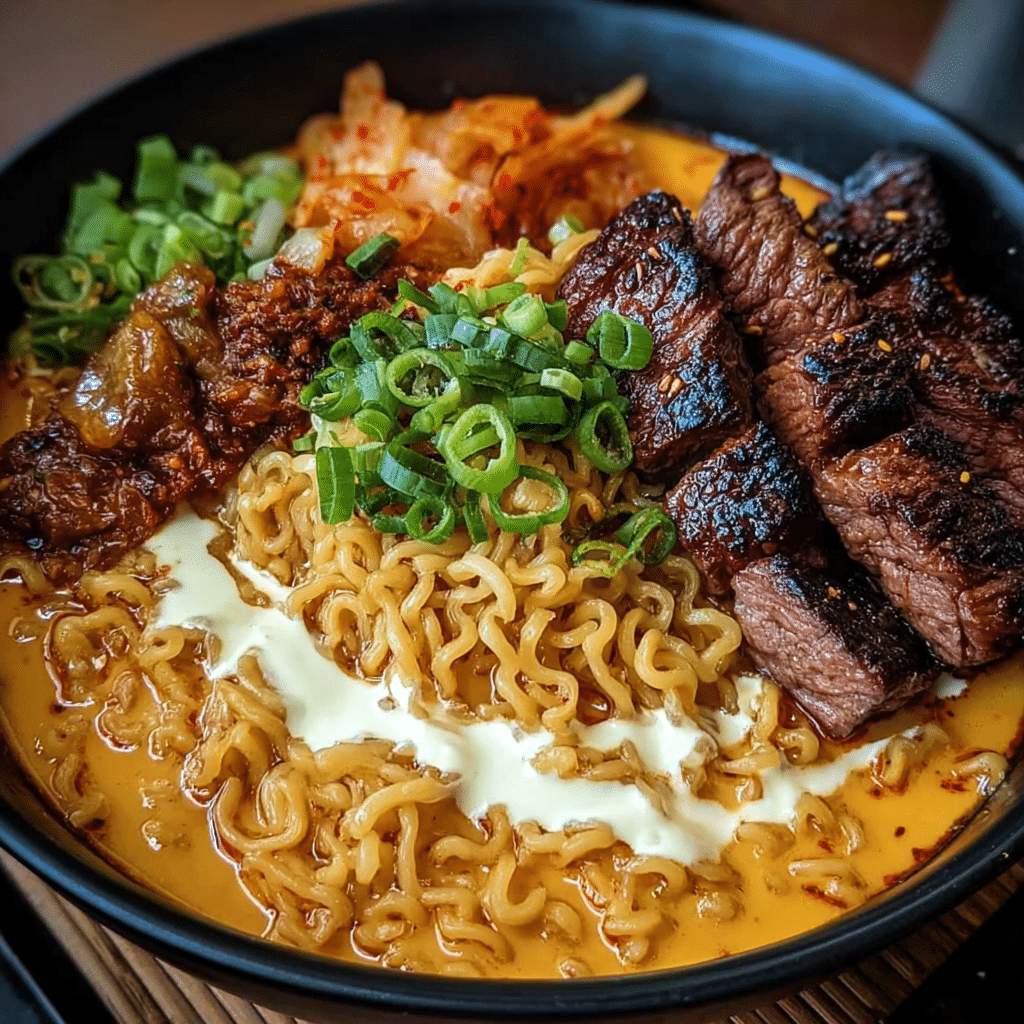
As I delved deeper into the world of Korean cuisine, I learned that spicy Korean ramen is not just a dish; it’s a celebration of flavors and culture. This beloved dish is a staple in Korean households, often enjoyed during cold winter nights or as a quick, satisfying meal that can be whipped up in no time. The combination of chewy noodles and a spicy broth, paired with grilled beef, creates a culinary experience that is both comforting and exciting. It’s this balance that sets this recipe apart from traditional ramen, which often leans towards lighter, less spicy broths. The addition of a creamy sauce elevates the dish, giving it a unique twist that is sure to impress.
The Story Behind This Recipe
What makes my version of spicy Korean ramen special is the memories woven into every bowl. I remember preparing this dish one rainy evening, the kind of weather that makes you want to curl up with a good book and a bowl of something warm. My family gathered in the kitchen, laughter and chatter filling the air as we chopped vegetables and marinated the beef together. Cooking has always been a family affair, and this dish became a symbol of togetherness for us. The vibrant colors of the ingredients, the sizzle of the beef on the grill, and the rich aroma of the broth bubbling away—it was a sensory feast that brought us closer.
This recipe is perfect for busy families looking for quick dinner solutions. With just a handful of ingredients and minimal prep time, you can create a meal that feels gourmet. The beauty of spicy Korean ramen lies in its versatility; you can easily customize it with whatever vegetables you have on hand or adjust the spice level to suit your family’s taste buds. It’s a dish that can be enjoyed any night of the week, yet it still feels special enough for a weekend gathering or family celebration.
As the seasons change, this dish remains a favorite. In the colder months, it’s a warming comfort food that provides solace against the chill. During the summer, I often find myself grilling the beef outside, enjoying the warm evenings while the enticing smells drift through the air. No matter the time of year, spicy Korean ramen holds a special place in our hearts and on our dinner table.
In this article, I promise to take you on a journey through the world of spicy Korean ramen. You’ll learn about its rich history, cultural significance, and how to prepare a delicious bowl at home. Whether you’re a seasoned cook or a beginner in the kitchen, this guide will equip you with the knowledge and inspiration needed to bring this delightful dish into your life. So, gather your ingredients, roll up your sleeves, and let’s embark on this culinary adventure together!
The Rich History and Cultural Significance of spicy korean ramen
The history of spicy Korean ramen is as rich and flavorful as the dish itself. Its roots can be traced back to the post-war era in Korea when instant noodles were introduced from Japan. While the original ramen was a simpler dish, Koreans quickly adapted it to their tastes, infusing it with the bold flavors and spices that characterize their cuisine. Today, spicy Korean ramen is a beloved comfort food, celebrated not only for its taste but also for its cultural significance.
Origins and History
Initially, ramen was a simple noodle soup that gained popularity in Korea during the 1960s, particularly with the introduction of instant ramen. However, it was not long before Korean cooks began to innovate, adding their signature ingredients like gochujang (Korean red chili paste) and kimchi to create a spicier version of the classic dish. The result was a fusion of flavors that appealed to the Korean palate and led to the creation of what we now know as spicy Korean ramen.
As the years went by, this dish evolved further, with regional variations emerging across the country. In Busan, for instance, seafood is often incorporated into the ramen, while in Seoul, the focus may be more on beef or pork. Each region boasts its unique twist, showcasing the versatility of the dish. Moreover, the popularity of spicy Korean ramen has transcended borders, captivating food lovers worldwide and leading to the establishment of Korean BBQ restaurants and ramen shops that feature this delightful dish.
Cultural Significance
Spicy Korean ramen holds a special place in Korean culture. It is enjoyed as a quick meal on busy weekdays, a late-night snack, or a gathering dish among friends and family. In Korea, it is not uncommon to see people slurping down a bowl of ramen at a street stall or enjoying a more elaborate homemade version during family dinners. The dish often symbolizes comfort and warmth, evoking feelings of nostalgia and connection to one’s roots.
Furthermore, spicy Korean ramen is frequently featured in popular culture, particularly in K-dramas and films, where characters often bond over a steaming bowl. This portrayal has helped cement the dish’s status as a beloved staple in both Korean and global food culture.
Nutritional Benefits
While spicy Korean ramen is often celebrated for its flavor, it also offers some nutritional benefits. The dish typically includes a variety of vegetables, such as carrots, green onions, and bean sprouts, which contribute vitamins and minerals to the meal. The addition of protein, whether through grilled beef, chicken, or tofu, enhances its nutritional profile, making it a balanced dish when prepared with care.
Moreover, the spices used in the broth, particularly gochujang, are known for their health benefits. Gochujang is rich in antioxidants and has been linked to boosting metabolism, which can be beneficial for those looking to maintain a healthy lifestyle. The broth also has hydrating properties, making it a comforting choice during colder months or when you’re feeling under the weather.
All in all, spicy Korean ramen is not just a meal; it’s a cultural experience that brings people together, tells a story, and delights the senses. As we explore this dish further, you’ll discover how to recreate its magic in your own kitchen, bringing a taste of Korea to your family table.
Essential Ingredients for Perfect spicy korean ramen
When it comes to crafting the perfect bowl of spicy Korean ramen, the ingredients you choose make all the difference. Each component not only adds its unique flavor and texture but also contributes to the overall experience of this beloved dish. In this section, we will explore the essential ingredients needed for a deliciously spicy ramen, including their roles, sourcing tips, storage, and alternatives to cater to various dietary needs.
Essential Ingredients
- Chicken: 1 cup, shredded (preferably boneless thigh for juicy flavor)
- Beef: 1 cup, thinly sliced (ribeye or sirloin works well)
- Pork: 1 cup, thinly sliced (pork belly adds richness)
- Seafood: 1 cup (shrimp or scallops for a briny kick)
- Pasta: 2 servings of ramen noodles (fresh or dried)
- Fruits: 1 small lime (for zest and acidity)
- Vegetables: 2 cups assorted (bok choy, mushrooms, and green onions)
Let’s dive into each ingredient to understand their importance:
Chicken is a staple protein that adds a savory depth to your spicy Korean ramen. Using boneless thighs rather than breasts will yield a juicier final dish. Opt for organic chicken when possible for better flavor and quality.
Beef, particularly cuts like ribeye or sirloin, introduces a rich umami flavor that complements the spiciness of the broth. When selecting beef, look for marbling; it indicates tenderness and flavor. Grass-fed beef is often more flavorful and healthier.
Pork, especially pork belly, brings a luscious richness that balances the spice. The fat renders during cooking, creating a silky broth. Organic pork can be a bit pricier but often tastes better and is raised without antibiotics.
Seafood like shrimp or scallops adds a delightful briny note. Fresh seafood elevates the dish, but frozen options are often just as good. When buying seafood, ensure it smells fresh and has a clean, ocean-like scent.
Pasta is the vehicle for all these flavors. Ramen noodles, whether fresh or dried, should be chosen based on your preference. Fresh noodles are softer and cook quickly, while dried noodles have a firmer bite.
Fruits, particularly lime, add a zesty finish that brightens the dish. Always choose firm limes that feel heavy for their size, as they will be juicier.
Vegetables are critical for texture and color. Bok choy, mushrooms, and green onions not only add nutritional value but also enhance the ramen’s visual appeal. Seasonal vegetables can often be found at local farmer’s markets, promoting freshness and supporting local growers.
Shopping Tips
When shopping for these ingredients, consider visiting local Asian markets as they often carry high-quality products specifically for Korean cuisine. For meats, look for a butcher who can recommend the best cuts for your recipe. Seasonal vegetables should be prioritized for maximum flavor and cost-effectiveness. Always check for organic options, particularly for produce, to avoid pesticides and support sustainable farming practices.
Substitutions and Alternatives
If you are vegetarian or vegan, substitute chicken, beef, and pork with tofu or tempeh, which can absorb the flavors of the broth beautifully. For seafood lovers, plant-based options like jackfruit can mimic the texture of meat. For gluten-free diets, use rice noodles instead of traditional ramen noodles, and ensure that your broth is free from soy sauce containing wheat. Store each ingredient properly: fresh proteins should be used within a couple of days or frozen for longer storage, while vegetables should be kept in the crisper drawer of your fridge to maintain freshness. Canned or dried items should be stored in a cool, dry place to extend their shelf life.
Lastly, cost-saving tips include buying in bulk or opting for frozen versions of seafood and meat, which can be just as fresh but less expensive. By understanding your ingredients and sourcing them wisely, you will set the stage for an unforgettable bowl of spicy Korean ramen.
Detailed Step-by-Step spicy korean ramen Cooking Instructions
Now that we have gathered all the ingredients for our spicy Korean ramen, it’s time to roll up our sleeves and dive into the cooking process! This recipe is designed to be straightforward yet allows the flavors to shine through. With a total cooking time of about 30 minutes, you’ll have a deliciously spicy and satisfying meal in no time.
Preparation Steps
- Gather Your Ingredients: Start by assembling all your ingredients on your kitchen counter. This is known as mise en place—having everything in its place will streamline your cooking process.
- Prep the Proteins: Thinly slice the beef and pork. If you’re using chicken, shred it into bite-sized pieces. For the seafood, ensure they’re cleaned and deveined if necessary. Season them lightly with salt and pepper.
- Chop the Vegetables: Slice the green onions, chop the bok choy, and slice mushrooms if using. Keep these vegetables separate, as they will go into the broth at different times.
- Prepare the Ramen Noodles: If you’re using dried noodles, bring a pot of water to a boil and follow the package instructions to cook them until al dente. Drain and set aside. Fresh noodles usually only require a quick dip in boiling water.
Cooking Process
- Start the Broth: In a large pot, heat about a tablespoon of oil over medium heat. Add the sliced beef and pork, and stir-fry until browned. This step adds a depth of flavor to your broth.
- Add Aromatics: Once the meat is browned, toss in your vegetables—starting with the mushrooms. Sauté for a few minutes until they begin to soften. Then, add the bok choy and cook for another minute.
- Introduce the Liquids: Pour in about 4 cups of water or broth of your choice. Add soy sauce, gochujang (Korean red chili paste), and any other spices or seasonings you prefer. Allow the broth to come to a gentle simmer.
- Incorporate the Chicken and Seafood: Once your broth is simmering, add the shredded chicken and seafood of your choice. Cook for an additional 5-7 minutes, or until the chicken is cooked through and the seafood is opaque.
- Taste and Adjust: This is a crucial step! Taste your broth and adjust the seasoning as needed. If you want more heat, add additional gochujang or a sprinkle of chili flakes. If it’s too spicy, a touch of sugar can balance the flavors.
Spicy Korean Ramen with Grilled Beef & Creamy Sauce
Ingredients
- 1 pound ground beef
- 2 teaspoons gochujang (Korean hot pepper paste)
- 1 teaspoon kosher salt
- 1 teaspoon freshly ground black pepper
- 1 tablespoon soy sauce
- 2 teaspoons grated fresh ginger (heated to 150 F degrees (65 degrees C) to deactivate enzymes, or soaked in 1 tablespoon vinegar for 5 minutes)
- 4 cloves garlic, finely minced
- ⅓ cup thinly sliced green onions, plus more for garnish
- ½ cup finely crushed buttery round crackers (such as Ritz®)
- toasted sesame seeds for garnish
For the Glaze:
- 4 cloves garlic, minced
- 2 tablespoons rice wine vinegar
- ¾ cup beef broth or water
- ⅓ cup brown sugar
- ⅓ cup soy sauce
- 1 tablespoon gochujang (Korean hot pepper paste)
- 1 teaspoon sesame oil
- 1 teaspoon Sriracha hot sauce
- 2 teaspoons cornstarch
- 1 tablespoon water
Instructions
-
Add ground beef to a bowl and spread gochujang evenly over the surface of the meat. Season evenly with kosher salt, pepper, and soy sauce. Spreading out the seasoning will reduce the time you need to handle the meat. Spread fresh ginger and garlic evenly over the surface. Add green onions and cracker crumbs. Mix in quickly with a fork until well combined.
-
Cover and refrigerate for about 30 minutes.
-
Preheat the oven to 450 degrees C (220 degrees C).
-
Form mixture into 12 equal-sized balls using wet hands. Add to a cast iron skillet.
-
Bake meatballs in the preheated oven until nicely browned, about 20 minutes.
-
Transfer meatballs to a plate while preparing the sauce in the same skillet.
-
Drain most of the grease but 1 teaspoon out of the skillet and set onto stove over medium-high heat. Add garlic and stir until fragrant, about 1 minute. Deglaze skillet with rice vinegar and soy sauce. Stir in brown sugar, beef broth, and gochujang. Season with sesame oil and Sriracha. Stir sauce and bring to a simmer. Cook until reduced by a third.
-
Meanwhile stir together cornstarch and water in a small bowl to create a slurry. Reduce heat to medium-low and mix in slurry while whisking constantly. Keep simmering sauce until it has reduced to about half. Add meatballs back into the skillet and baste with the sauce. Allow to simmer, basting generously, until meatballs are heated through and are well soaked with sauce, 3 to 5 minutes.
-
Serve garnished with toasted sesame seeds and green onions.
Final Assembly
- Combine Noodles and Broth: In serving bowls, add a portion of the cooked ramen noodles. Ladle the hot broth and all the ingredients over the noodles.
- Garnish: Top your spicy Korean ramen with chopped green onions, a squeeze of lime for brightness, and if desired, a sprinkle of sesame seeds. Feel free to add a boiled egg for an extra layer of richness.
- Serve Immediately: Enjoy your warming bowl of ramen while it’s hot! The noodles will soften and absorb the broth’s flavors, making each bite a delightful experience.
Cooking can be a joyful experience, but it’s also easy to make mistakes. One common error is overcooking the noodles, leading to a mushy texture. Always cook them separately and add them to the broth just before serving. Another tip is to ensure your broth is simmering gently rather than boiling, which helps develop the flavors without becoming cloudy.
For those interested in professional techniques, consider using a pressure cooker to make your broth even richer in less time. And when it comes to food safety, always ensure that your proteins are fully cooked and that you clean your work surfaces and utensils thoroughly after handling raw meat.
And there you have it—a deliciously spicy Korean ramen that’s sure to impress! Whether you’re cooking for yourself or hosting a gathering, this dish is a celebration of flavors and textures that reflect the heart of Korean cuisine.
Professional Tips and Techniques for spicy korean ramen
When it comes to crafting the perfect bowl of spicy korean ramen, not only do you need to master the flavors, but there are also a few professional tips and techniques that can elevate your dish from ordinary to extraordinary. As someone who has spent countless hours experimenting with this dish, I’ve discovered several insider secrets that make all the difference. So grab your apron, and let’s dive into the world of spicy korean ramen.
Professional Techniques
To begin with, the foundation of a delicious bowl of spicy korean ramen lies in your broth. Unlike instant ramen packets, which often rely on artificial flavors, a homemade broth can elevate your dish significantly. Start by simmering beef bones or chicken carcasses with aromatics such as garlic, ginger, and onions. This process extracts deep flavors and nutrients that will infuse your ramen with an authentic taste. Aim for a simmer of at least two hours to allow the flavors to develop fully.
Moreover, consider incorporating gochujang, a Korean chili paste, to create that signature spiciness. I remember the first time I added gochujang to my broth; it was a game-changer. The complex, fermented flavor added depth and a rich heat that instant ramen simply can’t replicate. Just remember, the key is to add it gradually, tasting as you go, until you reach your desired spice level.
Another professional technique is to use a mixture of soy sauce and sesame oil for seasoning. This combination not only adds umami but also gives your spicy korean ramen that authentic Korean flavor profile. I often drizzle a little extra sesame oil just before serving; it enhances the aroma and taste, making each bite even more delightful.
Troubleshooting Guide
No matter how experienced you are, cooking can sometimes lead to unexpected challenges. One common issue is a broth that tastes flat. If you find yourself in this predicament, try adding a splash of vinegar or a small amount of sugar to balance the flavors. Acid can brighten the broth, while sugar can enhance the natural sweetness of the ingredients.
Another common problem is overcooked ramen noodles. To avoid this, cook your noodles separately from the broth. Follow the package instructions, but remove them from the heat a minute early. This way, they’ll finish cooking in the hot broth just before serving, ensuring a perfect al dente texture. Trust me, no one wants a mushy noodle in their spicy korean ramen.
Presentation Tips
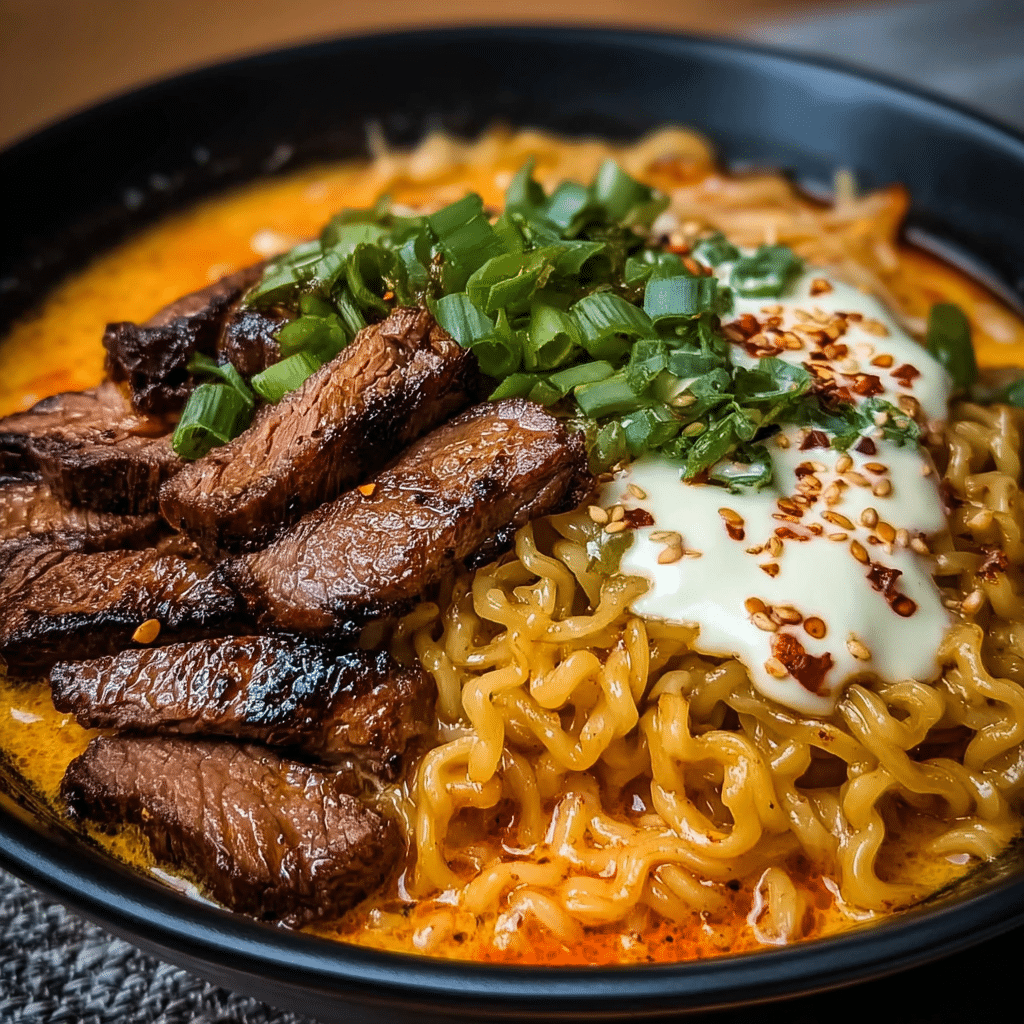
Once you have your spicy korean ramen prepared, it’s time to think about presentation. A well-plated dish not only looks appealing but also enhances the dining experience. Use a deep bowl to showcase the noodles and broth, and consider layering your toppings artistically. Think about color and texture; fresh herbs, like green onions or cilantro, can add a vibrant pop, while a soft-boiled egg, cut in half, offers a creamy richness.
Don’t be afraid to get creative with your garnishes! I love to sprinkle sesame seeds or drizzle a bit of chili oil on top just before serving. Not only does it make the dish look more appealing, but it also adds extra flavor and a hint of spice. Serve with chopsticks and a spoon for an authentic experience, and watch as your guests dive into their bowls with anticipation!
Wine and Beverage Pairings
Pairing beverages with your spicy korean ramen can elevate your meal to a whole new level. Traditional Korean drinks like Makgeolli, a milky rice wine, offer a refreshing contrast to the spiciness of the ramen. If you prefer something lighter, a chilled lager or a pale ale can also complement the dish nicely. The carbonation helps cleanse the palate between bites, enhancing the overall experience.
For those who enjoy wine, consider a slightly sweet Riesling or a Gewürztraminer. Their sweetness balances the heat from the gochujang, creating a harmonious flavor profile. I often find that a sip of these wines between bites of spicy korean ramen enhances the flavors beautifully. So, next time you whip up a bowl, don’t forget to think about what to sip alongside it!
In summary, creating the ultimate bowl of spicy korean ramen involves a combination of professional techniques, troubleshooting skills, and a flair for presentation. Master these elements, and your guests will be raving about your ramen for days!
Creative Variations and Adaptations of spicy korean ramen
The beauty of spicy korean ramen lies not just in its traditional form but also in the endless possibilities for creative variations. Whether you’re looking to tweak the recipe to suit dietary preferences or simply want to explore new flavors, the world of ramen is rich with opportunities. Let’s dive into some exciting adaptations and variations that can make your ramen experience unique!
Seasonal Variations
As the seasons change, so should your ingredients. In the spring, consider incorporating fresh vegetables like asparagus, peas, or bok choy. They add a crisp texture and vibrant color to your spicy korean ramen. For summer, I love adding corn and zucchini, which bring a sweet freshness that contrasts beautifully with the spicy broth.
As autumn arrives, you might want to experiment with hearty root vegetables like sweet potatoes or carrots. Roasting them before adding them to your ramen can enhance their flavors. And in winter, why not add some sliced mushrooms or even a handful of kale for a hearty, warming bowl? Seasonal swaps not only keep your ramen exciting but also support local produce and reduce your carbon footprint!
Dietary Adaptations
In today’s culinary world, being inclusive of various dietary preferences is essential. Luckily, spicy korean ramen can easily adapt to different diets. For a keto-friendly version, swap out traditional noodles for zucchini noodles or shirataki noodles. These low-carb alternatives still provide the slurp-worthy texture without the carbs.
If you’re catering to vegans, simply replace meat with tofu or tempeh and use vegetable broth instead of chicken or beef. Gochujang is typically vegan, but do check the label for any animal-derived ingredients. You can also load your bowl with plenty of vegetables to keep it satisfying and flavorful.
For those following a gluten-free diet, look for gluten-free ramen noodles or rice noodles. Just ensure that your soy sauce is gluten-free, or opt for tamari, a gluten-free alternative. With a few adjustments, everyone can enjoy a bowl of spicy korean ramen!
Creative Twists
Why not take your ramen on an international journey? Fusion variations can offer a delightful surprise. For instance, try incorporating Mexican elements by adding avocado, lime juice, and fresh cilantro. The creamy avocado pairs wonderfully with the spicy broth, creating a unique and delicious fusion. Another fun twist is to use Indian spices; adding a hint of curry powder can create an aromatic and flavorful experience unlike any other.
If you’re feeling adventurous, consider a Thai-inspired ramen with coconut milk, lemongrass, and lime. The creaminess of the coconut milk will mellow the heat while adding a tropical flair. These creative twists can turn your traditional spicy korean ramen into an exciting cultural experience!
Lastly, don’t forget about leftovers! Transforming your ramen into a new dish the next day can be as simple as turning it into a ramen stir-fry. Just toss the leftover noodles and broth into a hot skillet with some additional vegetables and protein. Stir-fry until everything is heated through, and you have a brand-new meal waiting for you!
In conclusion, the variations and adaptations of spicy korean ramen are limited only by your imagination. With seasonal ingredients, dietary modifications, and creative twists, you can create a bowl that not only satisfies your cravings but also excites your palate. So, embrace the versatility of ramen and let your culinary creativity shine!
Storage, Reheating, and Meal Prep for spicy korean ramen
When you whip up a delicious bowl of spicy Korean ramen with grilled beef and creamy sauce, it’s not just a meal; it’s an experience. But what happens when you find yourself with leftovers? Fear not! This guide is all about the best practices for storing, reheating, and meal prepping your spicy Korean ramen, ensuring you can enjoy that rich, spicy flavor long after the initial cooking adventure.
Short-term Storage
After you’ve savored your bowl of spicy Korean ramen, the first step is to store any leftovers correctly. Allow your ramen to cool to room temperature, but don’t leave it out for more than two hours to avoid any risk of bacterial growth. Once cooled, transfer your ramen into airtight containers. Glass containers are an excellent choice because they are non-reactive and can be heated without fear of leaching chemicals. If you’re using plastic containers, ensure they are BPA-free and microwave-safe.
When portioning out your ramen, consider dividing it into single-serving sizes. This not only makes reheating easier but also helps with portion control if you’re watching your intake. Ideally, store the broth separately from the noodles and toppings to prevent the noodles from becoming overly soggy. If you’ve added grilled beef, you can store this alongside the noodles, but keep any creamy sauce separate to maintain its texture.
Stored properly in the refrigerator, your spicy Korean ramen should be good for about 3 to 4 days. Make sure to label your containers with the date, so you can keep track of how long it’s been in there. If you notice any off-smells or changes in texture, it’s best to err on the side of caution and toss it out.
Freezing and Long-term Storage
If you want to keep your spicy Korean ramen for a longer period, freezing is an excellent option. Just like short-term storage, make sure the ramen is cooled completely before transferring it to freezer-safe containers or heavy-duty freezer bags. For best results, consider vacuum sealing your ramen to prevent freezer burn. If you choose to freeze, remember to separate the components: noodles, broth, beef, and sauce. This separation helps maintain the integrity of each ingredient when thawed and reheated.
When it comes to shelf life, homemade ramen can last up to 2-3 months in the freezer without losing quality. Remember to date your containers or bags and use them within this timeframe for the best taste. When you’re ready to enjoy your ramen again, simply transfer it to the refrigerator to thaw overnight. For quicker thawing, you can place the sealed bag in a bowl of cold water.
Reheating Best Practices
Reheating your spicy Korean ramen can be an art form. The goal is to bring back the original’s flavor and texture. The best method is to use a stovetop. Pour your broth into a pot and bring it to a gentle simmer. Add your noodles and any other ingredients, stirring occasionally until heated through. This method helps to rehydrate the noodles and revitalize the flavors without making them mushy.
If you’re in a rush, the microwave can be a suitable alternative. Transfer your ramen to a microwave-safe bowl, adding a splash of water or broth to help steam the noodles. Cover the bowl with a microwave-safe lid or plastic wrap, leaving a small vent for steam to escape. Heat in short intervals, stirring in between to ensure even heating. Be cautious not to overheat, as this can lead to rubbery noodles.
When it comes to meal prep, consider cooking a larger batch of your spicy Korean ramen at the beginning of the week. This allows you to portion out servings for quick lunches or dinners. You can even pre-cook the noodles and store them separately, reheating them just before serving. This method not only saves time but also satisfies your craving for that spicy kick whenever you want.
Food safety should always be a priority. Keep an eye on the temperature of your leftovers and ensure they are heated to at least 165°F (74°C) before consuming. If you’re ever in doubt about the freshness of your food, trust your senses. A strange smell or unusual texture is a clear sign that it’s time to say goodbye to your leftovers.
In conclusion, whether you’re enjoying your spicy Korean ramen fresh off the stove or savoring it days later, proper storage, reheating, and meal prep practices will ensure that each bite is as delightful as the first. With these tips in mind, you can enjoy your delicious creation without worrying about waste or quality.
Nutritional Benefits and Health Information
As the rich, spicy aroma of spicy Korean ramen fills the air, it’s easy to forget about the nutritional aspects of this beloved dish. But behind the seductive flavors lies a complex profile of nutrients that can contribute to a healthy diet. Let’s dive into the nutritional benefits and health information surrounding this culinary delight!
Nutritional Profile
The foundation of spicy Korean ramen typically includes noodles, broth, grilled beef, vegetables, and a creamy sauce. A standard serving can range from 400 to 700 calories, depending on the specific ingredients and portion sizes. This meal generally provides a balanced mix of macronutrients, including carbohydrates, proteins, and fats.
Carbohydrates come primarily from the noodles, offering a quick source of energy. The protein content from the grilled beef helps in muscle repair and growth, making it an excellent choice for those who are physically active. The creamy sauce often includes ingredients like mayonnaise or cream, which contribute fats to the dish, providing richness and flavor.
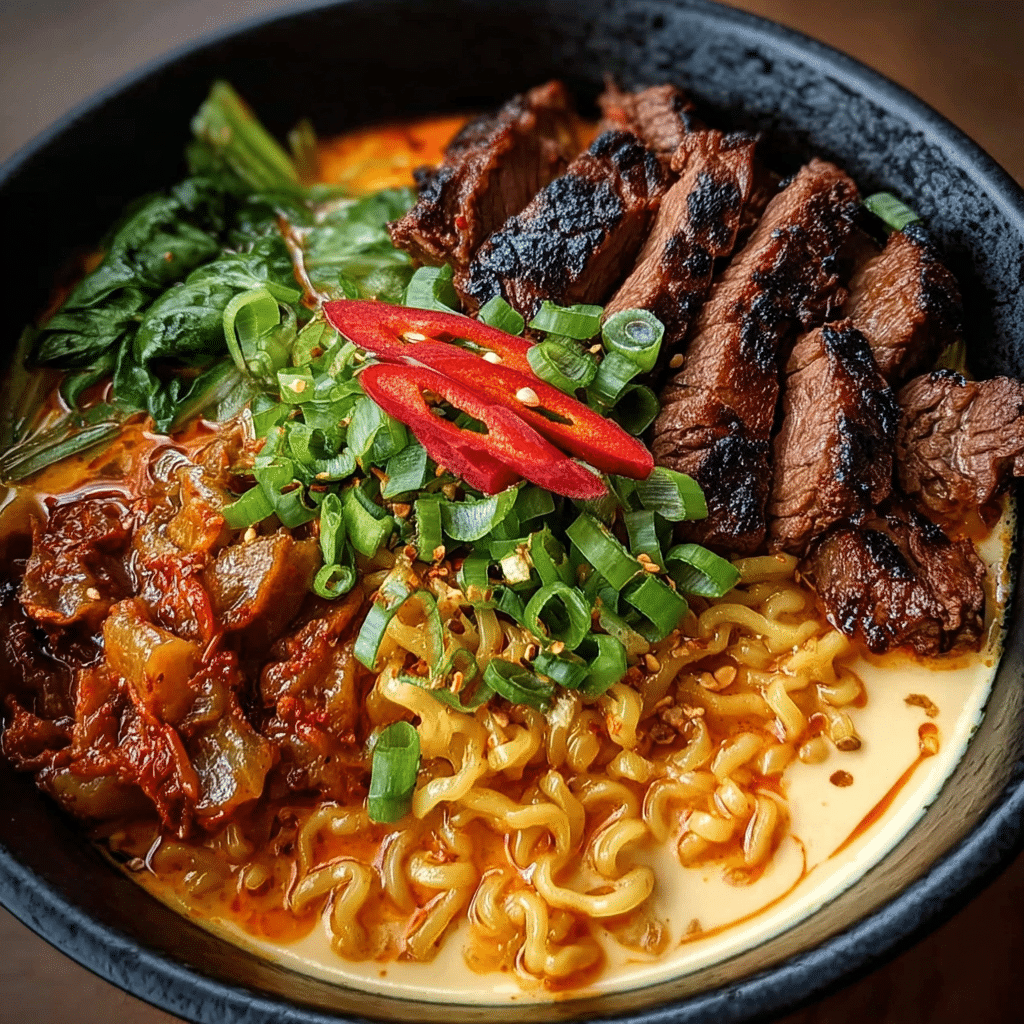
Furthermore, the dish is often garnished with vegetables such as scallions, carrots, or bok choy, adding fiber and essential vitamins. The spice blend typically includes gochugaru (Korean red pepper flakes) and gochujang (Korean chili paste), which not only adds heat but also offers a variety of antioxidants.
Health Benefits
One of the most appealing aspects of spicy Korean ramen is its potential health benefits. The spices used, particularly chilies, have been linked to metabolism-boosting properties. Capsaicin, the compound that gives chilies their heat, can help increase your metabolic rate and promote fat burning. Additionally, the antioxidants in these spices can support overall health by combating oxidative stress in the body.
The inclusion of lean protein from the beef is beneficial for maintaining muscle mass and keeping you fuller for longer, which can aid in weight management. That being said, it’s essential to choose high-quality beef and consider leaner cuts to keep the dish healthier.
Dietary Considerations
When it comes to dietary considerations, spicy Korean ramen can be adapted to fit various needs. For those following a gluten-free diet, you can substitute traditional wheat noodles with rice noodles or gluten-free ramen options. Additionally, for a vegetarian or vegan variation, replace the beef with tofu or a plant-based protein and use vegetable broth instead of meat broth.
Allergen information is crucial as well. The dish may contain common allergens such as soy (from sauces), dairy (from creamy sauces), and gluten (from noodles). Always check ingredient labels and consider making your own sauces to avoid allergens.
For those counting calories, you can modify the recipe by reducing the amount of sauce or opting for a lighter version. Incorporating more vegetables and using whole grain noodles can increase fiber content, making the meal more satisfying without significantly increasing calories.
In comparison to similar dishes, such as traditional ramen, spicy Korean ramen tends to be richer and has a more pronounced heat level due to the use of gochujang and gochugaru. While it may not be the lightest option available, its robust flavor and hearty ingredients make it a fulfilling meal choice.
In summary, spicy Korean ramen is not only a flavorful dish but also one that can fit into a balanced diet. With its mix of nutrients, potential health benefits, and adaptability to various dietary restrictions, it’s a meal worth savoring and enjoying. Whether you’re indulging in a bowl on a chilly night or prepping it for a week’s worth of lunches, knowing the nutritional value adds another layer of appreciation for this delicious dish.