Sticky beef noodles have a unique way of wrapping themselves around your heart and taste buds. The first time I encountered this dish was during a bustling family gathering at my aunt’s house. The aroma wafting from her kitchen was intoxicating, a savory blend of soy sauce, ginger, and tender beef simmering away. As I stepped into her kitchen, I watched her stir the thick, glossy noodles, each strand glistening with the rich sauce, and I knew I was about to experience something extraordinary. Little did I know, this dish would become a staple in my own kitchen, a recipe that would transcend generations and become a cherished family tradition.
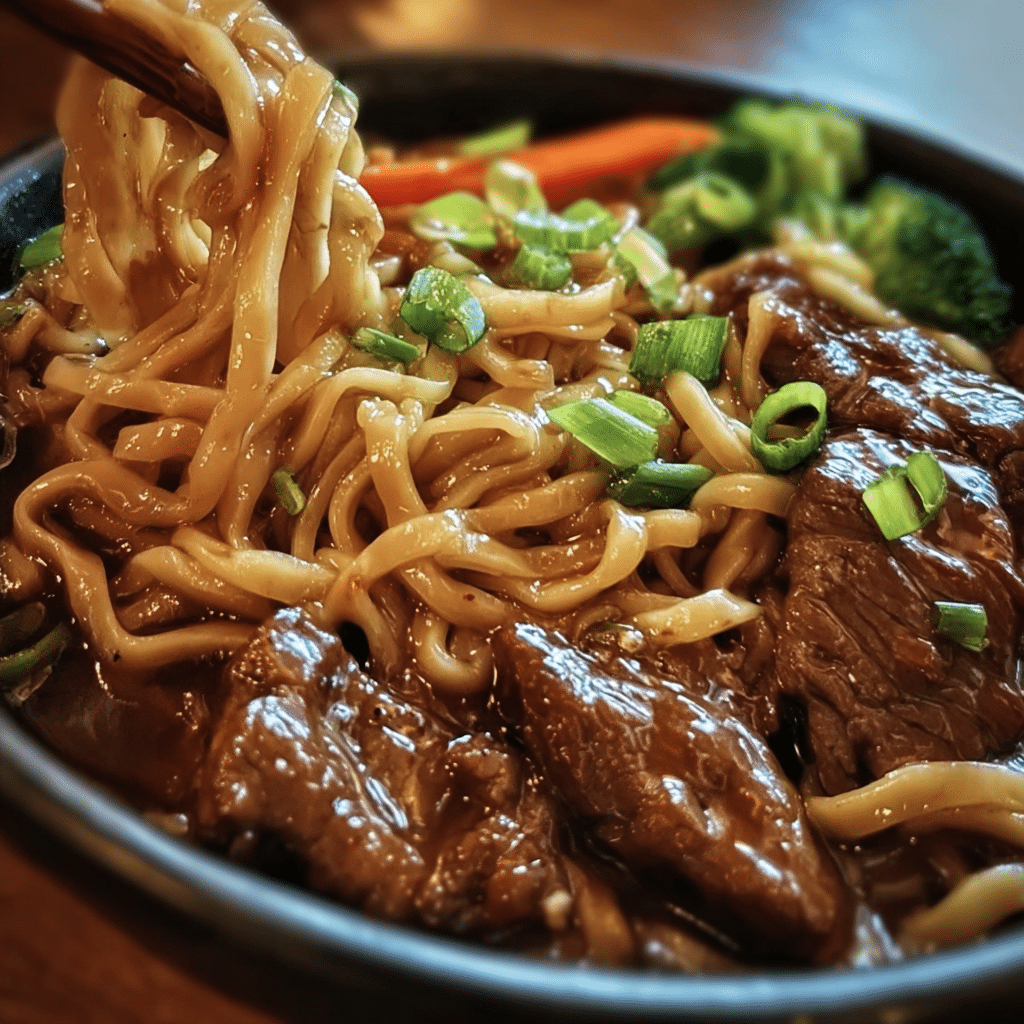
The beauty of sticky beef noodles lies not just in their flavor but in the story they tell. Originating from various culinary traditions across Asia, particularly in Chinese cuisine, these noodles embody a fusion of flavors and cooking techniques that have evolved over centuries. The dish reflects the heart of home cooking—simple yet deeply satisfying, a perfect representation of how food can bring people together. My aunt’s version of sticky beef noodles was a blend of her family’s secret ingredients combined with her personal touches, making it a dish that was uniquely hers. Each bite carried with it the warmth of family and the memories we created around the dinner table.
The Story Behind This Recipe
As I began to explore the art of cooking sticky beef noodles myself, I discovered that this dish is not merely a meal; it is a canvas for creativity. The traditional recipe usually includes beef, noodles, and a flavorful sauce, but the beauty of sticky beef noodles is that you can customize them according to your preference. I remember the first time I attempted to recreate my aunt’s dish. I was nervous yet excited, armed with her handwritten recipe and a dash of determination. The process was therapeutic; I chopped the vegetables, marinated the beef, and simmered the sauce. The moment I tossed the noodles into the pot, I felt an overwhelming sense of accomplishment. The flavors melded together beautifully, and for a fleeting moment, I felt as if I was in my aunt’s kitchen again, surrounded by family love.
Why You’ll Love This Dish
What sets sticky beef noodles apart from other dinner options is their versatility and ease of preparation, especially for busy families. With various vegetables and proteins that can be added or substituted, this dish adapts to what you have on hand, making it a go-to weeknight meal. The sauce, rich and sticky, clings to every noodle, ensuring that each bite is bursting with flavor. In just under 30 minutes, you can have a wholesome meal on the table, which is a lifesaver on hectic days when you’re juggling work, school, and everything in between.
Seasonally, sticky beef noodles shine in the cooler months, offering warmth and comfort as the weather turns crisp. The rich flavors evoke a sense of coziness, making them perfect for family gatherings or even a quiet weeknight dinner. However, they are also delightful in the spring and summer when fresh vegetables can be incorporated, providing a light yet satisfying meal during warmer months.
The emotional connection to sticky beef noodles runs deep for me. Each time I prepare them, I am reminded of family, tradition, and the simple joy that comes from sharing a meal with loved ones. It is a dish that not only fills the stomach but also nourishes the soul. Through this ultimate guide, I promise to share my tips, tricks, and the nuances of preparing sticky beef noodles, ensuring that you too can create unforgettable memories around your dinner table. Get ready to embark on a culinary journey that intertwines culture, history, and the love of food!
The Rich History and Cultural Significance of sticky beef noodles
The rich history and cultural significance of sticky beef noodles provide a fascinating glimpse into the culinary traditions that have shaped this beloved dish. The origins of sticky beef noodles can be traced back to various Asian cultures, with each region putting its unique spin on the recipe. From the bustling streets of Beijing to the night markets of Taiwan, this dish has taken on many forms, each representing the local flavors and ingredients available.
Origins and History
Sticky beef noodles have their roots deeply embedded in Chinese cuisine, where the concept of stir-frying and noodle dishes is prominent. Noodles have been a staple in Chinese culture for thousands of years, believed to symbolize longevity and prosperity. The earliest records of noodles date back to as early as 2000 BC, making them an integral part of Chinese culinary history. Throughout the centuries, different regions of China have developed their unique interpretations of noodles, leading to variations that we see today.
As the recipe spread beyond China, it began to evolve, incorporating ingredients and techniques from neighboring countries. In Southeast Asia, for instance, sticky beef noodles may feature a spicier sauce, reflecting local palates. In countries like Malaysia and Indonesia, the dish may be served with satay or infused with coconut milk, adding depth and richness. This evolution highlights how food can transcend borders, adapting to the tastes and preferences of different cultures while still maintaining its core essence.
Cultural Significance
Sticky beef noodles are often associated with family gatherings and special occasions. In Chinese culture, sharing a meal is a way to strengthen family bonds and symbolize unity. During festivals and celebrations, sticky beef noodles may be served to honor guests, showcasing the cook’s skill and the importance of hospitality. The dish is also a common choice for birthdays, as noodles are believed to bring good luck and longevity to the celebrant.
In addition to its significance during celebrations, sticky beef noodles are a popular comfort food for many families. The dish represents home-cooked meals, evoking feelings of warmth and nostalgia. Whether enjoyed at a street vendor’s stall or prepared at home, sticky beef noodles are a comforting reminder of shared experiences and familial love.
Nutritional Benefits
Beyond its cultural significance, sticky beef noodles also offer several nutritional benefits. The dish typically consists of protein-rich beef, which is an excellent source of iron and essential nutrients. When paired with a variety of vegetables, such as bell peppers, carrots, and broccoli, sticky beef noodles become a wholesome meal packed with vitamins and minerals. Whole-grain noodles can also be used to increase the fiber content, making this dish not only delicious but nutritionally balanced.
As more people become health-conscious, there is a growing trend to incorporate healthier alternatives into traditional recipes. Using lean cuts of beef, reducing sugar in the sauce, and adding a colorful array of vegetables can elevate sticky beef noodles to a healthy meal option without compromising on flavor. This balance of taste and nutrition makes it an appealing choice for families aiming to enjoy hearty meals while also caring for their health.
In conclusion, the rich history and cultural significance of sticky beef noodles are woven into the fabric of various culinary traditions. As you explore this dish, you will not only savor its delightful flavors but also appreciate the stories and cultural heritage it represents. Understanding the background and evolution of sticky beef noodles enhances the cooking experience, allowing you to connect more deeply with the meal you are preparing and sharing with your loved ones.
Essential Ingredients for Perfect sticky beef noodles
When it comes to creating the perfect sticky beef noodles, the foundation lies in selecting the right ingredients. Each element plays a crucial role not just in flavor but also in texture and presentation. Let’s dive into the essential ingredients that will transform your dish from ordinary to extraordinary.
Essential Ingredients
- 2 packets ramen or other instant noodles, discard seasoning (Note 1)
- 1 tsp oil
- 2 tsp sesame oil (or more oil) (Note 2)
- 2 garlic cloves, minced
- 1/2 onion, sliced
- 200g / 7oz beef mince (ground beef) (Note 3)
- 1 1/4 cups (315 ml) water, plus more as needed
- Big handful bean sprouts
- 1 tbsp dark soy sauce (Note 4)
- 1 tbsp Oyster sauce (or Hoisin, Note 5)
- 2 tsp Hoisin sauce (or more Oyster sauce)
- 1 tbsp mirin (Note 6)
- Finely sliced green onion / shallots
- Sesame seeds
Sticky Beef Noodles
Ingredients
- 2 packets ramen or other instant noodles , discard seasoning
- 1 tsp oil
- 2 tsp sesame oil (or more oil)
- 2 garlic cloves , minced
- 1/2 onion , sliced
- 200g / 7oz beef mince (ground beef) (Note 3)
- 1 1/4 cups (315 ml) water, plus more as needed
- Big handful bean sprouts
Sauce:
- 1 tbsp dark soy sauce
- 1 tbsp Oyster sauce (or Hoisin)
- 2 tsp Hoisin sauce (or more Oyster sauce)
- 1 tbsp mirin
Garnishes (optional):
- Finely sliced green onion / shallots
- Sesame seeds
Instructions
- Mix Sauce.
- Sauté onion and garlic – Heat oils in a medium skillet over high heat. Add onion and garlic, cook for 1 1/2 minutes until starting to go golden.
- Cook beef – Add beef and cook, breaking it up as you go, until it changes from pink to light brown.
- Caramelise beef – Add Sauce and cook for 2 to 3 minutes until well caramelised
- Add water and noodles – Push beef to the side to make enough space for the noodles. Add water, place noodles in water.
- Cook ramen – Leave for 45 seconds then turn. Leave for 30 seconds, then untangle the noodles, then toss through the beef.
- Add beansprouts, toss for 1 minute or until sauce reduces to coat the noodles and the noodles are cooked.
- Serve immediately, garnished with green onions and sesame seeds.
Now, let’s talk about the role of each ingredient in our sticky beef noodles.
- Ramen or Instant Noodles: The backbone of this dish! These noodles are quick to cook and absorb flavors beautifully. Opt for good quality noodles that retain their chewiness when cooked. I often lean towards egg noodles for a richer taste, but any thin noodle will work.
- Oil: A small amount of oil is essential to sauté your aromatics without burning them. A neutral oil like canola or sunflower oil is perfect here, but don’t forget to add that extra punch with sesame oil, which brings a nutty flavor.
- Garlic: Minced garlic adds an aromatic depth to the dish. Fresh garlic is best; the pre-minced stuff just can’t compare. Remember, the fresher the garlic, the more robust the flavor!
- Onion: Sliced onions caramelize beautifully when cooked, adding sweetness to our sticky beef noodles. Yellow onions work best for their balance of sweetness and sharpness.
- Beef Mince: The star protein of this dish. Use high-quality ground beef for the best flavor. Look for a mix that’s about 80% lean to ensure juiciness without being greasy.
- Water: This will help create a sauce that clings to the noodles, making them sticky and flavorful. Adjust the amount based on how saucy you like your noodles.
- Bean Sprouts: These add crunch and freshness, balancing the rich flavors of the beef and sauces. Buy them fresh, and avoid any that look wilted.
- Dark Soy Sauce: This gives our dish its rich color and deep umami flavor. It’s thicker and sweeter than regular soy sauce, making it perfect for sticky noodles.
- Oyster Sauce: A complex blend of sweet and savory flavors, oyster sauce enhances the depth of your dish. If you’re vegetarian, hoisin sauce can be a great substitute.
- Hoisin Sauce: This sauce adds a sweet, tangy element that rounds out the savory notes of the beef. You can adjust the quantity based on your sweetness preference.
- Mirin: A sweet rice wine, mirin adds a hint of sweetness and complexity. If you can’t find mirin, a splash of white wine vinegar with a touch of sugar can work.
- Green Onions/Shallots: These not only add a lovely pop of color but also a fresh, oniony flavor that brightens the dish. Use them both for garnish and flavor!
- Sesame Seeds: Toasted sesame seeds provide a delightful crunch and nutty flavor, making them the perfect finishing touch for your sticky beef noodles.
Shopping Tips
When shopping for ingredients, freshness is key. Visit your local farmers’ market or grocery store and look for vibrant vegetables and high-quality meats. For noodles, check the international aisle for a variety of options. Personally, I love to stock up on different types of noodles since they can be used in various dishes!
Buying in bulk can also be a cost-saving tip, especially for pantry staples like soy sauce and sesame oil. These ingredients have a long shelf life, so don’t hesitate to grab larger bottles if you can. Additionally, consider organic options when possible, especially for meat and vegetables, as they often offer better flavors and fewer additives.
Substitutions and Alternatives
Dietary restrictions? No problem! For those avoiding beef, ground turkey or chicken can easily replace the beef mince, while keeping the cooking time similar. For a vegetarian option, try substituting the beef with crumbled tofu or a plant-based meat alternative.
If you’re gluten-free, look for gluten-free soy sauce or tamari, and choose rice noodles instead of ramen. There are endless possibilities to customize your sticky beef noodles to fit your dietary needs without compromising on flavor!
Lastly, if you find yourself in a pinch, don’t be afraid to get creative. Cooking is all about experimenting and making the dish your own, so feel free to adjust the ingredients based on what you have on hand.
With all these ingredients at your disposal, you’re well on your way to making delicious sticky beef noodles that will impress family and friends alike!
Detailed Step-by-Step sticky beef noodles Cooking Instructions
Now that we have gathered our ingredients for the sticky beef noodles, it’s time to dive into the cooking process. With careful attention to detail and a bit of love, you’ll be able to create a mouthwatering dish that’s sure to satisfy. Let’s take this step by step!
Preparation Steps
- Mise en Place: Before you start cooking, gather all your ingredients and prep them. Mince the garlic, slice the onion, and chop the green onions. This ensures a smooth cooking process and prevents any last-minute scrambling. I always find that having everything ready makes the cooking experience more enjoyable.
- Cook the Noodles: Bring a pot of water to a boil. Add the ramen or instant noodles and cook according to package instructions, usually about 3-4 minutes. Once cooked, drain and set aside. This is a crucial step; overcooked noodles can become mushy and lose their wonderful texture!
- Prep the Beef: In a bowl, you can season the beef mince with a little salt and pepper to enhance its flavor. This small step can make a big difference!
Cooking Process
- Sauté the Aromatics: In a large skillet or wok, heat 1 tsp of oil over medium-high heat. Add the minced garlic and sliced onion. Stir-fry for about 2-3 minutes until the onions become translucent and fragrant. This is where the magic begins, and the aroma fills your kitchen!
- Add the Beef: Push the garlic and onions to the side of the pan and add the beef mince. Break it up with a spatula and cook until browned, about 5-7 minutes. Ensure the beef is cooked through, and the edges are slightly crispy for added texture. Here’s a pro tip: avoid overcrowding the pan; if necessary, cook the beef in batches.
- Incorporate the Sauces: Once the beef is cooked, add the dark soy sauce, oyster sauce, hoisin sauce, and mirin. Stir everything together, allowing the beef to soak up those delicious flavors. This combination of sauces is what truly makes your sticky beef noodles shine!
- Add Water: Pour in 1 1/4 cups of water, stirring well to combine. Bring the mixture to a gentle simmer and let it thicken slightly for about 2-3 minutes. You can always add more water if you like your noodles saucier.
- Incorporate the Noodles: Gently add the cooked noodles to the skillet, tossing them in the sauce to coat evenly. This is the moment where you see those beautiful sticky strands forming. If the noodles seem dry, don’t hesitate to add a splash more water!
- Add Bean Sprouts: Toss in a handful of bean sprouts and mix gently. The bean sprouts add a refreshing crunch that balances the richness of the beef. You want to heat them through, but not cook them too long – about 1-2 minutes should do the trick.
Final Assembly
- Serve: Once everything is well combined and heated through, it’s time to plate your sticky beef noodles. Serve hot, garnished with finely sliced green onions and a sprinkle of sesame seeds. The visual appeal of your dish will make it even more appetizing!
- Taste and Adjust: Before serving, give your dish a taste. This is the moment to adjust any seasoning. If you prefer a little more sweetness, a dash of hoisin sauce can do wonders. If it needs more umami, a touch more soy sauce will elevate the flavor.
- Enjoy: Dig in and enjoy the fruits of your labor! Sticky beef noodles are best enjoyed fresh, but you can also store any leftovers for later. Just reheat gently on the stove with a splash of water to bring the noodles back to life.
With a little patience and attention to detail, you’ve created a dish that’s not only satisfying to eat but also to make. The sticky beef noodles are a testament to the joy of cooking at home. They’re perfect for a cozy dinner or a weekend gathering with friends. Enjoy your culinary creation!
Professional Tips and Techniques for sticky beef noodles
When it comes to mastering the art of cooking sticky beef noodles, a few professional tips and techniques can elevate your dish from good to unforgettable. This delightful dish, known for its glossy sauce that clings to the noodles and tender beef, requires a blend of skill, precision, and a pinch of creativity. Let’s dive into some of the secrets that will help you achieve that perfect plate of sticky beef noodles.
Professional Techniques
To start, understanding the importance of the right cuts of beef is vital. For sticky beef noodles, you want to select cuts that are tender yet flavorful. Flank steak or sirloin are excellent choices; they hold up well to the cooking process and absorb flavors beautifully. I remember my first attempt at making this dish; I used a cheaper cut, and the results were tough and chewy. Learning to invest in quality ingredients was a game changer for me.
Cooking the beef correctly is equally essential. The trick is to marinate the beef beforehand. A marinade made of soy sauce, garlic, and a touch of sesame oil can transform the meat, giving it richness and depth. Marinate for at least 30 minutes, but if you have time, let it sit for a few hours or even overnight in the refrigerator. This not only infuses flavor but also tenderizes the beef.
When it comes time to cook, a hot, well-oiled wok or skillet is crucial. The high heat will give the beef a nice sear, locking in the juices and creating that beautiful caramelization. I often find myself reminiscing about the days spent in Asian markets, where the sizzling sound of beef hitting the hot wok was music to my ears. Don’t overcrowd the pan; if necessary, cook the beef in batches to ensure even cooking.
Once the beef is seared, it’s time to make the sauce. A classic sticky beef noodle sauce incorporates soy sauce, oyster sauce, brown sugar, and a splash of rice vinegar. The combination creates that signature sticky texture and glossy finish. What I love about this sauce is its versatility; it can be adjusted to taste. If you prefer it sweeter, add more sugar; if you enjoy a kick, add some chili paste or fresh ginger.
Troubleshooting Guide
Even the most seasoned cooks encounter hiccups. One common issue is a sauce that’s too thin. If this happens, simply mix a teaspoon of cornstarch with a tablespoon of cold water and stir it into the sauce while it’s simmering. This quick fix will thicken the sauce beautifully without altering the flavor.
Another common problem is sticky noodles that clump together. To prevent this, always rinse your noodles under cold water after cooking to remove excess starch. Additionally, tossing them with a bit of oil before adding them to the stir-fry can keep them from sticking.
Presentation Tips
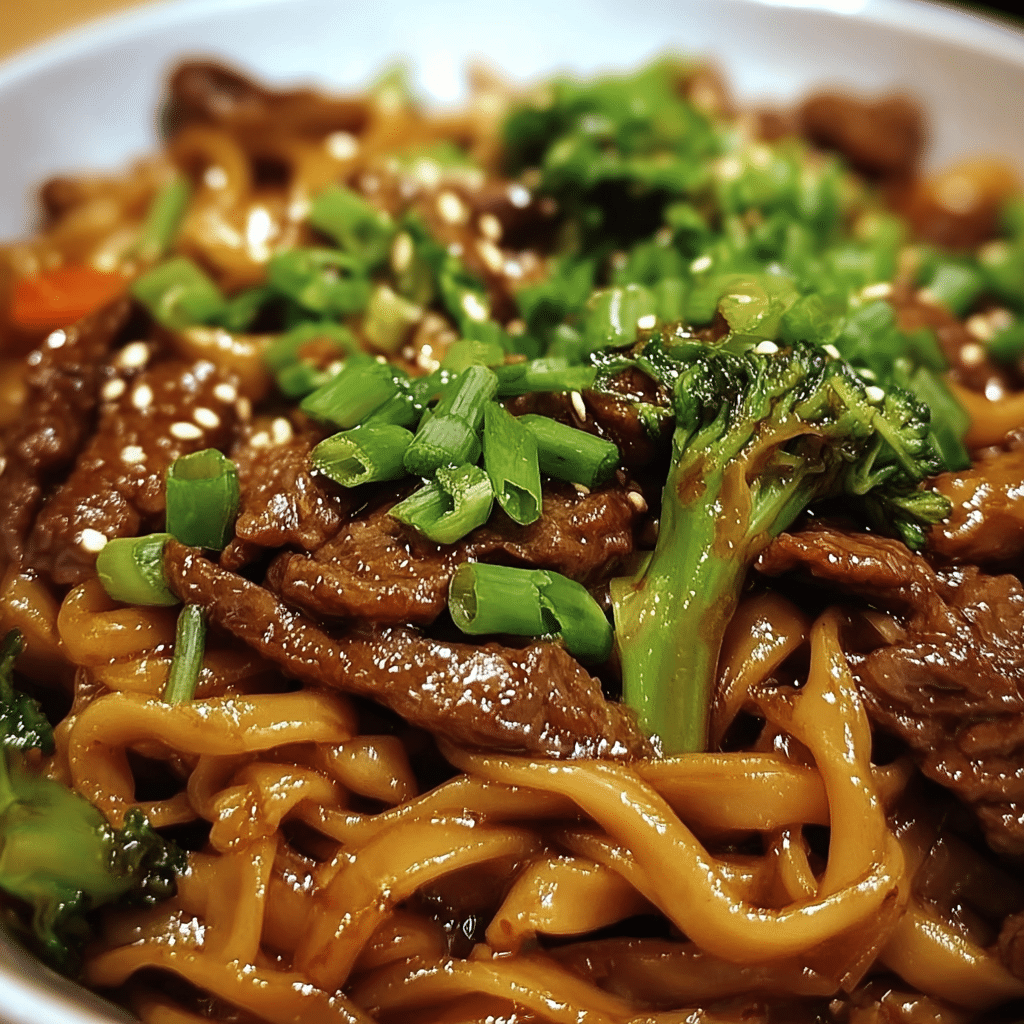
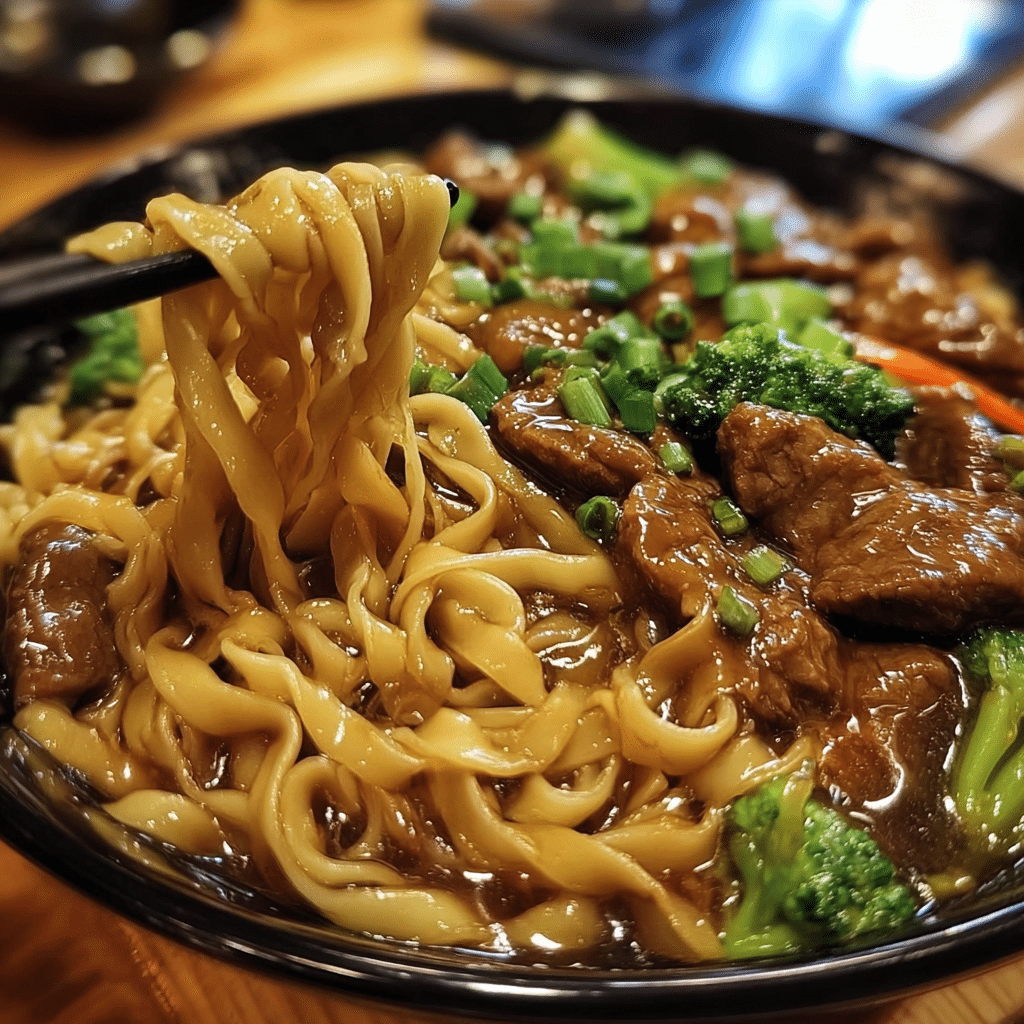
When it comes to plating sticky beef noodles, a little creativity goes a long way. Serve the dish in a large bowl with a generous amount of noodles and beef in the center. Use a pair of chopsticks to elegantly twirl the noodles, creating a beautiful nest effect. Top with sliced green onions and sesame seeds for that extra pop of color and texture.
For a special touch, consider garnishing with fresh herbs like cilantro or Thai basil, which add a refreshing note. Remember, we eat with our eyes first, so don’t shy away from vibrant garnishes. Pairing your dish with a side of steamed vegetables or a fresh cucumber salad can create a balanced meal, making it not just delicious but visually appealing as well.
Finally, let’s talk about beverage pairings. Sticky beef noodles pair beautifully with a crisp white wine like Sauvignon Blanc or a light-bodied red wine like Pinot Noir. The acidity in these wines complements the rich flavors of the dish and cleanses the palate. For those who prefer non-alcoholic options, a refreshing iced tea or a sparkling water with lime can enhance the dining experience without overwhelming the flavors of your sticky beef noodles.
In conclusion, mastering sticky beef noodles is all about the right techniques, quality ingredients, and a touch of personal flair. With these professional tips, you’ll be well on your way to creating a dish that not only satisfies hunger but also brings joy to your dining table.
Creative Variations and Adaptations of sticky beef noodles
Sticky beef noodles offer a canvas for creativity, allowing cooks to adapt and modify the dish to suit their preferences and seasonal ingredients. This flexibility is one of the reasons why this dish has become a beloved staple in many households. Let’s explore some exciting variations and adaptations to make your sticky beef noodles unique.
Seasonal Variations
One of the joys of cooking is embracing seasonal produce. In the spring, consider adding fresh snap peas and asparagus to your sticky beef noodles. The crunch of these vegetables adds texture and a burst of color to the dish. In the summer, you can swap out the beef for grilled chicken or shrimp, which pairs wonderfully with a citrus-infused sauce.
As autumn rolls around, think about incorporating roasted butternut squash or sweet potatoes. The natural sweetness of these vegetables complements the savory flavors of the sticky sauce beautifully. In winter, hearty greens like bok choy or kale can add nutrition and bulk to your noodles. Each season brings new opportunities to refresh this dish, making it a perennial favorite in your kitchen.
Dietary Adaptations
One of the wonderful aspects of sticky beef noodles is their adaptability to various dietary needs. For those following a keto diet, you can replace traditional noodles with zucchini noodles or shirataki noodles, which are low in carbs but still have that satisfying texture. The sauce can remain the same; just ensure that your sweetener aligns with your dietary goals.
If you’re looking to make a vegan version, substitute the beef with tofu or tempeh, marinated in the same sauce for similar flavor profiles. You can also replace the oyster sauce with a mushroom-based sauce to maintain that umami flavor without using animal products. This version is not only delicious but also packed with protein.
For gluten-free adaptations, simply use gluten-free soy sauce and check that your noodles are made from rice or another gluten-free grain. The beauty of sticky beef noodles is that they can cater to various dietary restrictions without sacrificing flavor or enjoyment.
Creative Twists
Why not take your sticky beef noodles on a culinary adventure? Consider infusing international flavors into the dish. For example, you could create a Thai-inspired version by adding coconut milk to the sauce and incorporating Thai basil and peanuts as toppings. This twist offers a creamy, nutty flavor profile that’s sure to impress.
If you’re feeling particularly adventurous, try a fusion with Italian cuisine by adding sun-dried tomatoes and olives to your sticky beef noodles. The combination of savory beef with tangy olives creates a unique experience that’s unexpected yet delightful. You can even finish the dish with a sprinkle of Parmesan cheese for an Italian flair.
Leftovers can also be transformed into something new. If you have sticky beef noodles left over, consider using them in a stir-fry with fresh vegetables for a quick lunch. Alternatively, you can create a sticky beef noodle salad by tossing the leftover noodles with fresh greens, a squeeze of lime, and some chopped peanuts for crunch. The possibilities are endless!
In summary, sticky beef noodles are a versatile dish that can easily be tailored to suit your taste preferences and dietary needs. Whether you’re swapping out ingredients based on the season or trying a creative twist, the key is to have fun and experiment in the kitchen. With these variations, you will not only make this dish your own but also keep your meals exciting and fresh.
Storage, Reheating, and Meal Prep for sticky beef noodles
When it comes to enjoying your homemade sticky beef noodles, understanding how to store, reheat, and prep them in advance can elevate your dining experience from merely satisfying to utterly delightful. As someone who has spent countless weekends perfecting my sticky beef noodles recipe, I can tell you that knowing the ins and outs of storage can make all the difference in maintaining the integrity of the dish.
Short-term Storage
After you’ve whipped up a delicious batch of sticky beef noodles, you may find yourself wondering how to store it properly to keep it fresh for later. For short-term storage, the refrigerator is your best friend. Allow your noodles to cool to room temperature before transferring them to an airtight container. This is crucial; placing hot food directly into the fridge can raise the internal temperature, potentially compromising the safety of other stored foods.
Use containers that are appropriate for the amount of food you have. If you’ve made a large batch, consider portioning the sticky beef noodles into smaller containers. This not only helps in managing portion sizes but also cools the noodles more quickly, reducing the risk of bacterial growth. The general rule of thumb is to consume refrigerated leftovers within 3 to 4 days. Beyond that, the quality may decline, and food safety becomes a concern.
Freezing and Long-term Storage
If you’re like me and love to batch cook, freezing your sticky beef noodles is a fantastic option. To freeze, start by allowing the noodles to cool completely. Next, portion them into freezer-safe containers or resealable plastic bags, ensuring that you remove as much air as possible to prevent freezer burn. If using bags, lay them flat in the freezer, as this makes for easier stacking and quicker thawing.
Sticky beef noodles can typically be frozen for up to 2-3 months. However, for the best flavor and texture, aim to consume them within the first month. When you’re ready to enjoy them again, simply transfer the frozen noodles to the refrigerator a day before serving, allowing them to thaw slowly and safely. If you’re in a hurry, you can also reheat them directly from frozen, though this may lead to a slightly mushier texture.
Reheating Best Practices
Reheating sticky beef noodles can be a bit tricky; you want to maintain that delightful sticky sauce while ensuring the noodles don’t turn into a clump of mush. My preferred method is to use a skillet. Pour a small amount of water or broth into the pan and add the noodles, covering it with a lid for a few minutes. This steam method helps revitalize the noodles without drying them out. Stir occasionally to ensure even heating.
Alternatively, you can reheat your sticky beef noodles in the microwave. Place your noodles in a microwave-safe bowl, add a splash of water or sauce to keep them moist, and cover with a microwave-safe lid. Heat in 30-second intervals, stirring between each, until warmed through. Just be cautious not to overheat, as that can lead to rubbery noodles.
Food safety is paramount when reheating. Always ensure that your noodles reach an internal temperature of at least 165°F (74°C) to kill any potential bacteria. If you notice any off smells or textures, it’s best to err on the side of caution and discard them.
When meal prepping sticky beef noodles, consider making a double batch of the sauce separately. Store it in an airtight container in the refrigerator or freezer, and you can easily whip up a fresh batch of noodles whenever you feel like it. Just cook the noodles fresh each time to ensure they maintain their perfect, chewy texture.
In summary, proper storage, reheating, and meal prep techniques are essential for enjoying your sticky beef noodles at their best. With a little attention to detail, you can savor this delightful dish multiple times, relishing in the exquisite flavors and comforting textures that make it a beloved recipe in my home.
Nutritional Benefits and Health Information
Sticky beef noodles are not just a culinary delight; they also bring a wealth of nutritional benefits to your plate. As a passionate home cook, I’ve always been curious about how the ingredients I use contribute to my family’s overall well-being. In this section, we’ll explore the nutritional profile of sticky beef noodles, the health benefits of key ingredients, and how this dish fits into various dietary considerations.
Nutritional Profile
At its core, sticky beef noodles are a hearty combination of ingredients that pack a punch when it comes to nutrition. The primary components include beef, noodles, vegetables, and a flavorful sauce. On average, a serving of sticky beef noodles contains approximately 500 to 700 calories, depending on the portion size and ingredients used.
Breaking it down further, let’s look at the macronutrient distribution. Typically, you can expect around 30-40 grams of protein from the beef, which is essential for muscle repair and growth. The carbohydrates from the noodles can range from 60-80 grams, offering a quick source of energy. Lastly, the dish contains a moderate amount of fat, primarily from the beef and any added oils or sauces, generally around 10-20 grams.
Vitamins and minerals are also present, particularly if you’re incorporating colorful vegetables like bell peppers, carrots, and broccoli into your sticky beef noodles. These can boost your intake of Vitamin C, Vitamin A, and various B vitamins, which are crucial for maintaining overall health.
Health Benefits
One of the standout ingredients in sticky beef noodles is the beef itself. Rich in iron and zinc, beef plays a significant role in supporting immune function and energy levels. Iron is particularly important for those who are active or pregnant, as it helps in the production of red blood cells and prevention of anemia.
The inclusion of vegetables not only enhances the flavor and texture but also adds essential nutrients and fiber. Fiber is key for digestive health, helping to keep you feeling full longer and promoting regular bowel movements. This is a crucial aspect, especially in a world where many of us struggle to meet our daily fiber needs.
Moreover, the sauce used in sticky beef noodles often includes soy sauce or similar condiments. While these can be high in sodium, they also contain amino acids that contribute to muscle recovery post-exercise. Moderation is key here, so be mindful of your overall sodium intake, especially if you have dietary restrictions.
Dietary Considerations
When it comes to dietary considerations, sticky beef noodles can be quite versatile. For those following a low-carb diet, consider substituting traditional noodles with zucchini noodles or shirataki noodles—these alternatives maintain the dish’s essence while reducing carbohydrate content significantly.
If you’re watching your caloric intake, you can also modify the recipe by reducing the amount of beef and increasing the proportion of vegetables, which adds volume and nutrients with fewer calories. Additionally, using lean cuts of beef can help lower the overall fat content.
For those with allergies or specific dietary restrictions, it’s essential to choose your ingredients wisely. Gluten-free noodles are readily available for individuals with gluten sensitivities, and you can substitute soy sauce with tamari or coconut aminos for a gluten-free option. Always check the labels, as some sauces can contain hidden allergens.
In comparison to similar dishes, sticky beef noodles stand out due to their rich flavors and texture. Dishes like pad thai or lo mein may have comparable ingredients, but the sticky sauce sets this dish apart, offering a unique taste experience. Understanding the nutritional benefits of sticky beef noodles allows you to enjoy them guilt-free while making informed choices about your overall diet.
In conclusion, sticky beef noodles are not only a delicious meal but also a well-rounded dish that contributes positively to your nutritional intake. With the right adjustments and awareness of ingredients, you can enjoy this dish while adhering to your health goals, making it a staple in your culinary repertoire.