Sticky beef noodles have a special place in my heart, and if you’ve ever tasted them, you’ll know exactly why. It was a rainy Tuesday evening when I stumbled upon a recipe for this delightful dish while browsing through an old family cookbook. As the rain pattered against the window, the warm aroma of beef simmering in a sweet and savory sauce filled my kitchen, instantly transporting me back to my childhood. I remember watching my grandmother whip up her version of sticky beef noodles, her hands moving deftly as she tossed the noodles and beef together, creating what felt like pure magic. That evening, I decided to recreate her recipe, and from that moment on, sticky beef noodles became a staple in my home, connecting me to my roots while also providing a comforting meal for my family.
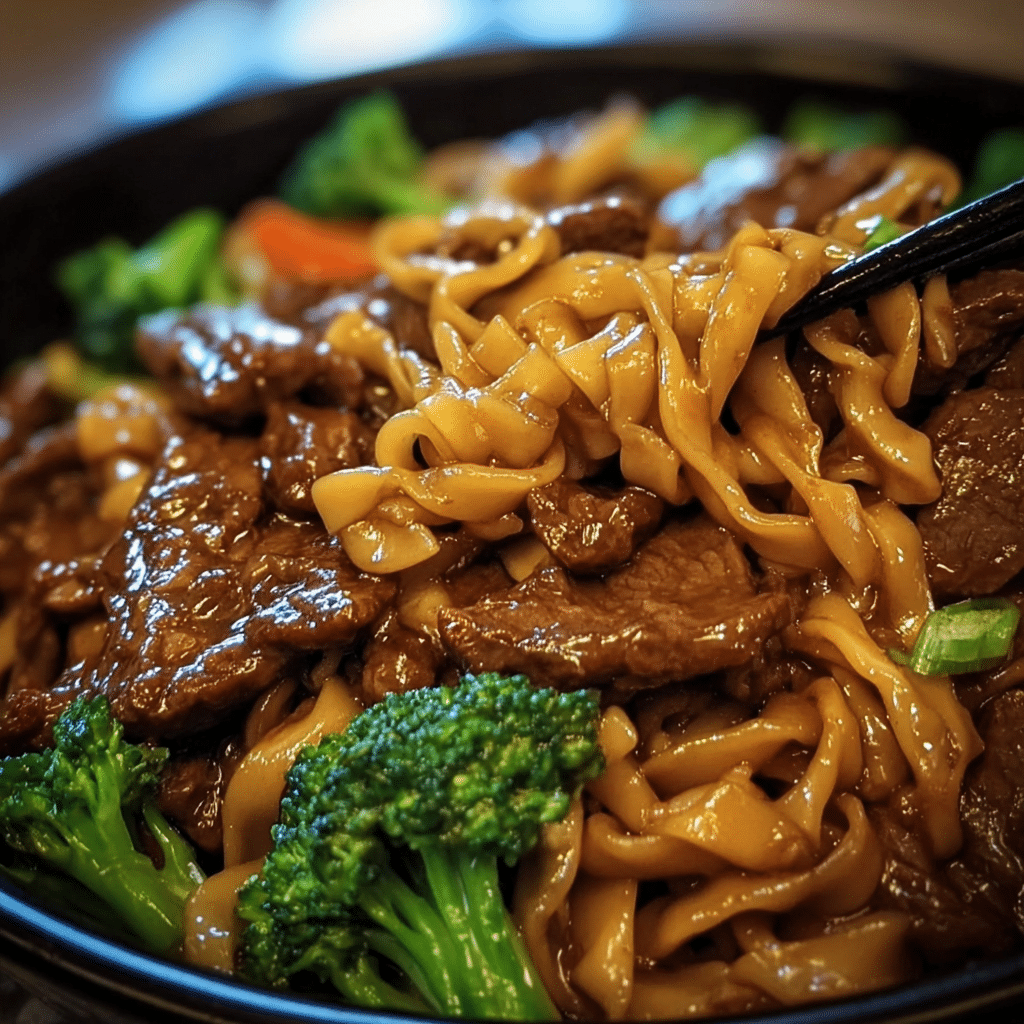
Sticky beef noodles are more than just a dish; they are a culinary journey that reflects the rich tapestry of cultural influences that have shaped Asian cuisine. Originating from various regions, particularly in China, this dish combines tender beef, flavorful sauces, and chewy noodles that create a harmonious blend of textures and tastes. The beauty of sticky beef noodles lies in their versatility, making them a beloved choice across different cultures and households. While my grandmother’s recipe had its unique twist, I later discovered that many families have their own take on this dish, often passed down through generations, each adding their flavor to the mix.
The Story Behind This Recipe
What makes sticky beef noodles special is not just the taste but also the ease of preparation. In today’s fast-paced world, busy families often seek quick dinner solutions, and this dish is perfect for those hectic weeknights. With a cooking time of less than 30 minutes, sticky beef noodles can be on the table in no time, allowing families to come together over a delicious meal even on the busiest of days. The ingredients are simple, yet they combine to create a rich and satisfying dish that everyone will love.
Seasonal relevance also plays a role in the appeal of sticky beef noodles. Whether it’s a chilly winter evening or a warm summer night, this dish adapts beautifully. During colder months, the warmth of the beef and sauce brings comfort, while lighter variations of the dish can be enjoyed in the summer, incorporating fresh vegetables and herbs. It’s a dish that resonates with me emotionally, reminding me of family gatherings and the laughter shared over a hearty meal.
In this guide, you’ll learn not only how to make the ultimate sticky beef noodles but also the stories and cultural significance behind this beloved dish. I’ll share my favorite recipe, tips for perfecting the flavor, and ways to customize it to suit your family’s tastes. Whether you’re a novice cook or an experienced chef, there’s something for everyone in the world of sticky beef noodles.
Why You’ll Love This Dish
Sticky beef noodles are a celebration of flavor, texture, and culture. They offer a wonderful balance of savory and sweet, with the sticky sauce clinging to the noodles and tender beef, creating a satisfying bite every time. The dish also allows for endless creativity; you can add your favorite vegetables, experiment with different types of noodles, or even adjust the sauce to make it spicier or sweeter according to your preference.
As you embark on this culinary adventure, you’ll not only create a delicious meal but also foster connections with your loved ones. Cooking sticky beef noodles is more than just a recipe; it’s an opportunity to share stories, create memories, and enjoy the simple pleasures of life. So grab your apron, and let’s dive into the wonderful world of sticky beef noodles!
The Rich History and Cultural Significance of sticky beef noodles
The origins of sticky beef noodles can be traced back to the heart of Asia, where noodles have been a staple for centuries. Influenced by both Chinese and Southeast Asian cuisines, this dish has evolved over time, incorporating local ingredients and flavors that reflect the regions it travels through. The combination of tender beef and sticky noodles is a culinary harmony that has captured the hearts of many, transcending cultural boundaries and becoming a beloved dish in various forms.
Origins and History
The history of sticky beef noodles is rich and diverse. Noodles themselves are believed to have originated in ancient China, with evidence dating back more than 4,000 years. As trade routes expanded, so did the varieties of noodles, leading to a fusion of flavors and techniques. The sticky beef preparation is often linked to the practice of braising beef, a method that has roots in both Chinese and Southeast Asian cooking traditions. This slow-cooking technique ensures that the beef becomes incredibly tender while absorbing the flavors of the sauce, resulting in a dish that is both satisfying and delicious.
As the dish traveled across regions, each culture added its unique twist. In China, you might find a soy sauce-based marinade with hints of ginger and garlic, while in Thailand, the dish might be infused with lemongrass and chilies for an extra kick. Vietnamese versions may include fresh herbs and lime, showcasing the versatility of sticky beef noodles. This adaptability is what makes the dish so special; it can reflect the ingredients available in a region and the preferences of the people who prepare it.
Cultural Significance
Sticky beef noodles hold cultural significance beyond their delicious taste. In many Asian cultures, sharing a meal is a communal event, and sticky beef noodles often feature prominently during family gatherings, celebrations, and festivals. They symbolize togetherness, warmth, and the joy of sharing food with loved ones. For instance, in Chinese culture, noodles are often associated with longevity and are served during birthdays and special occasions, making them a dish of celebration and well-wishing.
Furthermore, as globalization continues to influence culinary traditions, sticky beef noodles have found their way into the hearts and kitchens of families around the world. From food trucks to high-end restaurants, this dish has adapted to various culinary contexts, showcasing its universal appeal. Chefs have embraced the sticky beef trend, experimenting with flavors and presentation, thus elevating the humble dish to gourmet status.
Nutritional Benefits
On the health front, sticky beef noodles can be a nutritious choice when prepared thoughtfully. Beef is an excellent source of protein, iron, and essential vitamins that support muscle growth and overall health. By incorporating plenty of vegetables, such as bell peppers, broccoli, or bok choy, you can boost the nutritional value of the dish, adding fiber and vitamins that contribute to a balanced meal. Additionally, using whole-grain noodles or substituting with vegetable noodles can create a healthier version of this classic dish, catering to dietary preferences and restrictions.
In conclusion, sticky beef noodles are not just a recipe; they are a tapestry of history, culture, and community. Understanding the roots of this dish and its significance in various cultures enriches the experience of making and sharing it. So whether you’re enjoying a traditional version or a modern twist, each bite of sticky beef noodles carries with it the essence of the people and places that have contributed to its legacy. Dive into the warmth of this dish and create your own memories with every serving!
Essential Ingredients for Perfect sticky beef noodles
When it comes to creating a dish as comforting and satisfying as sticky beef noodles, the quality and selection of ingredients can make all the difference. Each component plays a crucial role in not just flavor, but also in texture and overall satisfaction of the dish. Let’s take a deep dive into the essential ingredients needed to whip up this delectable meal.
Essential Ingredients
- 2 packets ramen or other instant noodles, discard seasoning (Note 1)
- 1 tsp oil
- 2 tsp sesame oil (or more oil) (Note 2)
- 2 garlic cloves, minced
- 1/2 onion, sliced
- 200g / 7oz beef mince (ground beef) (Note 3)
- 1 1/4 cups (315 ml) water, plus more as needed
- Big handful bean sprouts
- 1 tbsp dark soy sauce (Note 4)
- 1 tbsp Oyster sauce (or Hoisin, Note 5)
- 2 tsp Hoisin sauce (or more Oyster sauce)
- 1 tbsp mirin (Note 6)
- Finely sliced green onion / shallots
- Sesame seeds
Sticky Beef Noodles
Ingredients
- 2 packets ramen or other instant noodles , discard seasoning
- 1 tsp oil
- 2 tsp sesame oil (or more oil)
- 2 garlic cloves , minced
- 1/2 onion , sliced
- 200g / 7oz beef mince (ground beef)
- 1 1/4 cups (315 ml) water, plus more as needed
- Big handful bean sprouts
Sauce:
- 1 tbsp dark soy sauce
- 1 tbsp Oyster sauce (or Hoisin)
- 2 tsp Hoisin sauce (or more Oyster sauce)
- 1 tbsp mirin
Garnishes (optional):
- Finely sliced green onion / shallots
- Sesame seeds
Instructions
- Mix Sauce.
- Sauté onion and garlic – Heat oils in a medium skillet over high heat. Add onion and garlic, cook for 1 1/2 minutes until starting to go golden.
- Cook beef – Add beef and cook, breaking it up as you go, until it changes from pink to light brown.
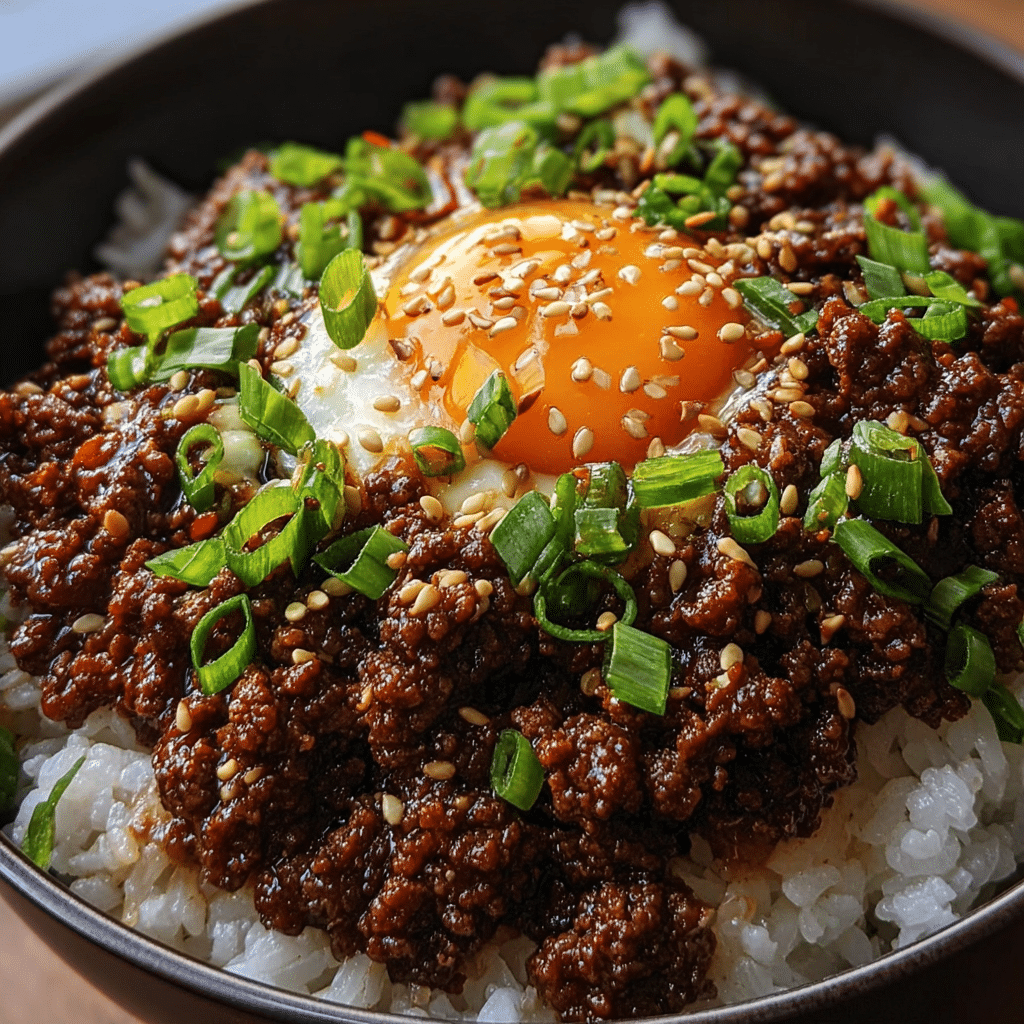
- Caramelise beef – Add Sauce and cook for 2 to 3 minutes until well caramelised (see video).
- Add water and noodles – Push beef to the side to make enough space for the noodles. Add water, place noodles in water.
- Cook ramen – Leave for 45 seconds then turn. Leave for 30 seconds, then untangle the noodles, then toss through the beef.
- Add beansprouts, toss for 1 minute or until sauce reduces to coat the noodles and the noodles are cooked. (Note 7)
- Serve immediately, garnished with green onions and sesame seeds.
Each ingredient in this list brings its unique flair to the sticky beef noodles, contributing to a symphony of flavors and textures that dance on your palate.
Starting with the ramen or instant noodles, they serve as the backbone of the dish. Their chewy texture holds up beautifully against the rich sauce. When selecting noodles, look for those with a firm texture; they should be slightly springy and not overly soft. Fresh noodles can also be used if you want to take your dish to the next level.
Oil is crucial for sautéing the aromatics and ensuring that the noodles don’t stick together during cooking. A neutral oil works well, but the addition of sesame oil adds a depth of flavor that can’t be matched. Opt for toasted sesame oil for an even richer taste.
Garlic and onion are the aromatic heroes of this dish. Garlic adds a sharp, pungent kick while onion lends sweetness. Always choose fresh garlic and onions; they should feel firm and have a vibrant color. If they start sprouting, they’ve been sitting too long.
The star protein of your sticky beef noodles is undeniably the beef mince. Ground beef brings a hearty richness that complements the other flavors. When purchasing, look for a good balance of meat to fat; around 80/20 is ideal for flavor. You can also opt for lean ground beef, but it might yield a less rich dish.
Next up is the dark soy sauce, which adds not only saltiness but also a beautiful color to your dish. Make sure to choose a high-quality brand, as this sauce forms the base of your flavor profile. The oyster sauce (or hoisin) adds umami depth, while mirin provides a hint of sweetness that balances the savory notes. Look for mirin in Asian grocery stores; it should be labeled as ‘hon mirin’ for the best quality.
Bean sprouts bring a refreshing crunch, offering contrast to the tender noodles and beef. When shopping, choose crisp, firm bean sprouts without any browning. They are typically available year-round, but the freshest ones are usually found in spring and summer.
Finally, for garnishing, green onion adds a fresh, sharp bite, while sesame seeds contribute a nutty crunch. These toppings not only enhance the aesthetic appeal but also elevate the flavor profile of your sticky beef noodles.
Shopping Tips
When shopping for these ingredients, consider visiting local Asian markets for the best selection and pricing. You’ll find a variety of soy sauces, oyster sauces, and noodles that might not be available at your typical grocery store. Plus, the staff can often offer valuable recommendations and tips on how to select the best products.
Opt for organic options when available, especially for garlic, onions, and green onions, as they tend to have a more robust flavor. However, if organic isn’t in the budget, conventional ingredients will still yield a delicious dish.
Substitutions and Alternatives
Dietary restrictions? No problem! If you’re looking to make sticky beef noodles gluten-free, swap out the soy sauce for tamari and choose gluten-free noodles. Vegetarian or vegan? Replace the beef mince with a plant-based alternative like lentils or textured vegetable protein (TVP). For a lighter version, consider using chicken or turkey mince.
Lastly, if you can’t find certain ingredients like mirin or oyster sauce, you can create a simple substitute by mixing rice vinegar with a bit of sugar or using a combination of soy sauce and a sweetener of your choice. Cooking should always be adaptable to your taste and availability!
Detailed Step-by-Step sticky beef noodles Cooking Instructions
Detailed Step-by-Step Sticky Beef Noodles Cooking Instructions
Making sticky beef noodles is a delightful culinary adventure that’s as enjoyable to prepare as it is to eat. Let’s break down the process into easy-to-follow steps, ensuring that your dish turns out perfectly every time. With a cooking time of around 30 minutes, this is a fabulous weeknight meal that packs a punch!
Preparation Steps
- Start by gathering all your ingredients. This is essential for a smooth cooking experience. Make sure everything is pre-measured and ready to go. This concept, known as mise en place, helps you focus on the cooking process without scrambling to find items.
- Next, prepare your noodles according to package instructions, but do not add the seasoning packets. Drain and set aside. If you have chosen fresh noodles, simply rinse them under cold water to stop the cooking process and set them aside.
- Minced garlic and sliced onions should be ready for sautéing. A good practice is to chop the garlic finely, as this will release its aromatic oils and enhance the flavor profile. The onions should be sliced thinly, ensuring they cook evenly.
- Grab your beef mince and let it sit out for about 10 minutes to bring it to room temperature. This helps it cook evenly. If you prefer a more flavorful beef, consider marinating it briefly in a mix of soy sauce and mirin.
Cooking Process
- In a large skillet or wok, heat 1 tsp of oil over medium-high heat. Once hot, add the minced garlic and sliced onions. Sauté for 2-3 minutes or until the onions become translucent and fragrant. Keep an eye on them; you don’t want the garlic to burn!
- Now, add the beef mince to the pan. Use a spatula to break it apart as it cooks. Stir frequently until it’s browned and well-cooked, which usually takes about 5-7 minutes. The visual cue here is that the beef should turn from pink to a lovely brown color.
- Pour in the 1 1/4 cups of water, along with the dark soy sauce, oyster sauce, and mirin. Stir well to combine all the flavors. This mixture will create a delicious sauce that coats the noodles.
- Let the sauce simmer for about 5 minutes, allowing the flavors to meld together. If the sauce seems too thick, feel free to add a little more water. You want it to be sticky but not overly dry.
- Next, add the prepared noodles and toss them in the sauce. Use tongs to ensure that every strand is coated. This is where the magic happens! The sauce will cling to the noodles, creating that delicious sticky texture.
- Finally, toss in a handful of bean sprouts and give everything a good mix. The bean sprouts will add a nice crunch and freshness to the dish. Cook for an additional 2-3 minutes to heat them through.
Final Assembly
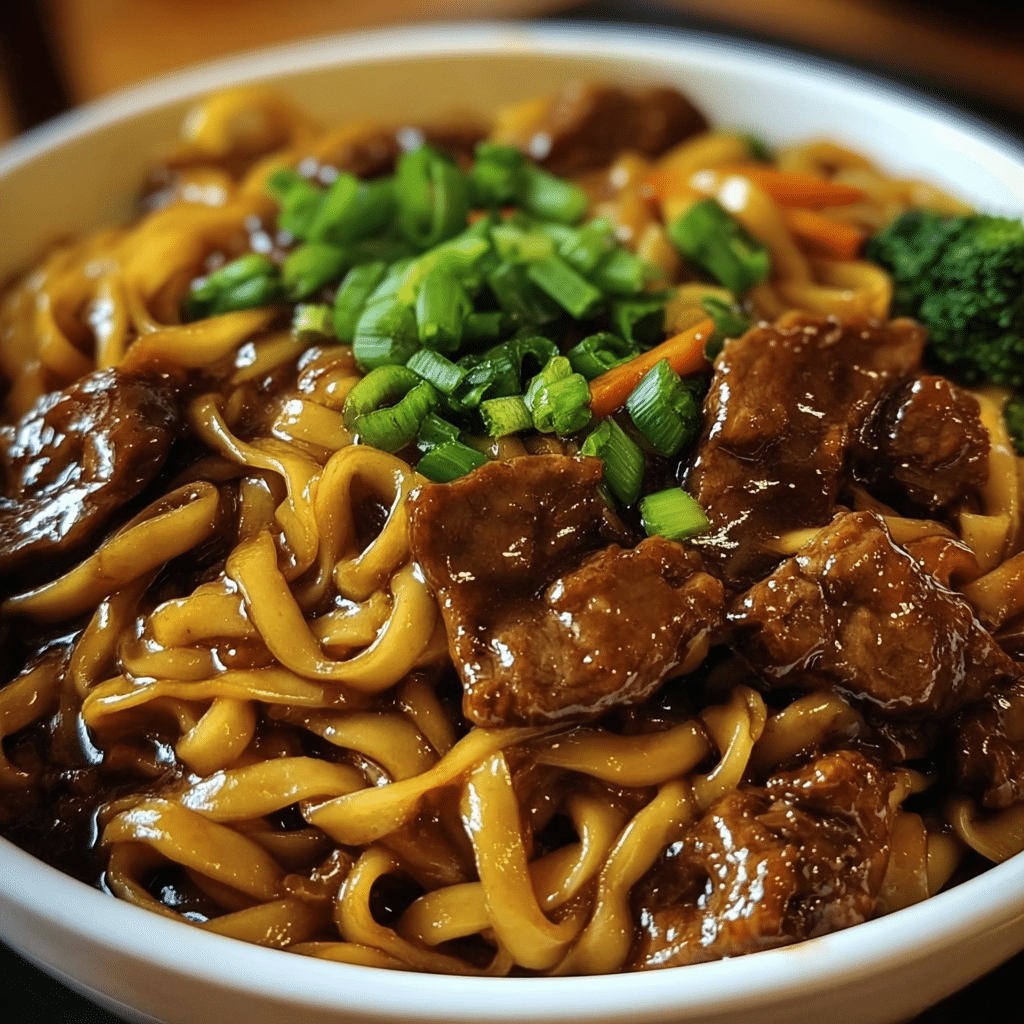
- Once everything is well combined and heated through, it’s time to plate up! Transfer the sticky beef noodles to serving bowls, making sure to get some of that glorious sauce over the top.
- Garnish with finely sliced green onions and a sprinkle of sesame seeds for that extra touch of flavor and presentation. The green onions will add a fresh bite, while the sesame seeds offer a delightful crunch.
- Serve immediately while it’s hot, and enjoy with friends or family! Sticky beef noodles are best enjoyed fresh, but if you have leftovers, they can be refrigerated and reheated the next day. Just add a splash of water to loosen the sauce during reheating.
As you can see, making sticky beef noodles is not only straightforward but also incredibly rewarding. The combination of flavors, textures, and the joy of cooking makes this dish a staple in my kitchen. Whether it’s a busy weeknight or a casual gathering with friends, sticky beef noodles never disappoint!
Professional Tips and Techniques for sticky beef noodles
If you’re looking to master the art of making sticky beef noodles, you’ve come to the right place! This dish is not just a meal; it’s a culinary experience that can transport you to the bustling streets of Asia with every bite. As someone who has navigated the highs and lows of cooking sticky beef noodles, I’m excited to share some professional tips and techniques that will elevate your cooking game.
Professional Techniques
To start, let’s talk about the key elements that will help you achieve that signature sticky texture. The magic begins with the beef. Opt for cuts like flank steak or sirloin, which are both flavorful and tender when cooked properly. The secret to getting the best out of your meat is marinating it. A marinade made of soy sauce, ginger, garlic, and a splash of sesame oil will not only infuse flavor but also help tenderize the beef. Aim for at least 30 minutes, but if you can let it sit overnight, you’ll be rewarded with an even deeper flavor profile.
When it comes to cooking, the technique matters. For sticky beef noodles, you want to stir-fry your beef over high heat. This quick cooking method locks in the juices and gives your beef that irresistible caramelization. Make sure your pan is hot enough before adding the meat. You can test this by sprinkling a few drops of water in the pan; if they sizzle and evaporate quickly, you’re good to go!
Another pro tip is to cook your noodles separately. After boiling them to a perfect al dente, drain and rinse them under cold water. This stops the cooking process and prevents them from becoming mushy. Tossing them in a little oil before adding them to the stir-fry will also help prevent sticking.
Troubleshooting Guide
Even seasoned cooks run into issues from time to time, so let’s address some common problems you might encounter while preparing sticky beef noodles. If your sauce is too thin, don’t worry! You can thicken it by mixing a teaspoon of cornstarch with a bit of cold water and adding it to the sauce while it’s simmering. This will give it that luscious, sticky consistency we all love.
Perhaps your noodles are clumping together? This can happen if you skip the rinsing step. Always rinse your noodles after cooking them. If they still stick together, add a splash of soy sauce or sesame oil and toss them gently to separate them.
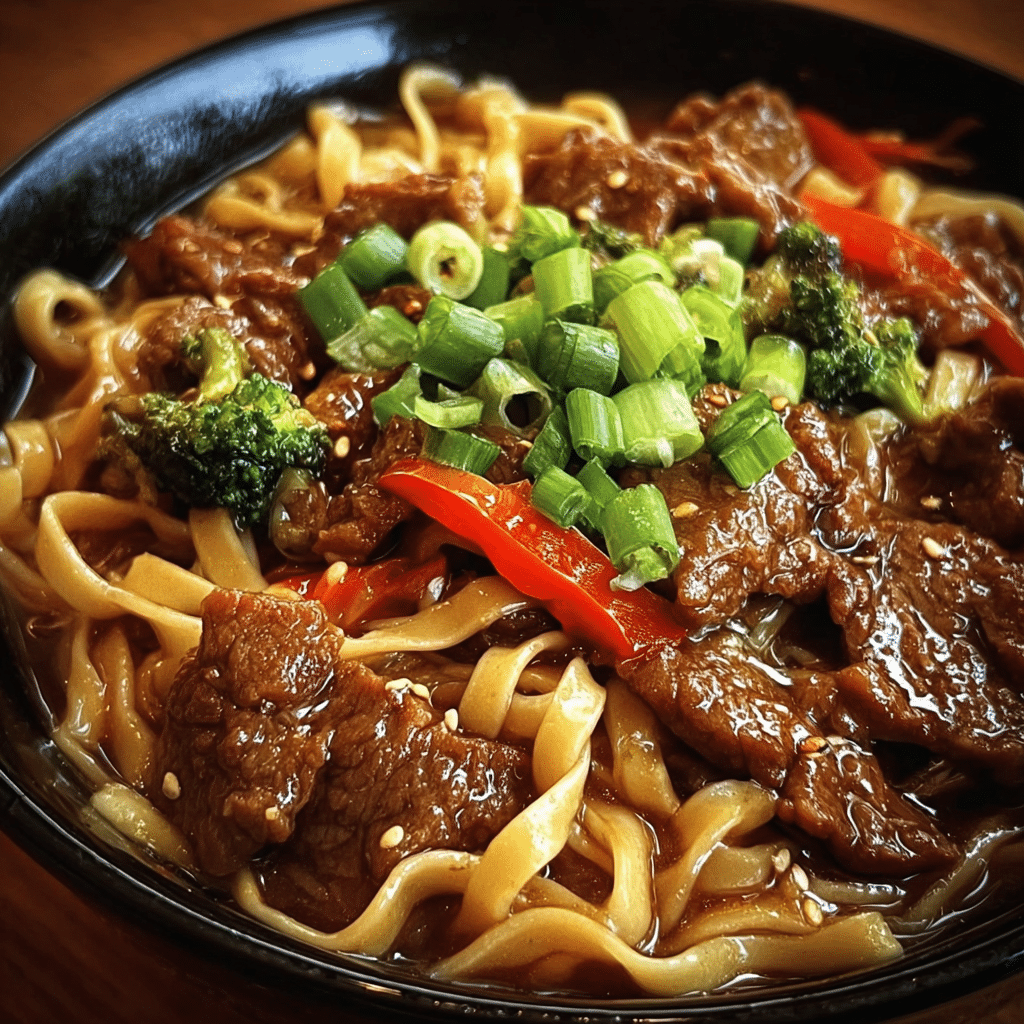
If you find that the flavors are lacking, consider adjusting the seasoning. A touch of sugar can balance the saltiness of the soy sauce, while a squeeze of lime juice can add brightness to the dish. Taste as you go; this is your creation, after all!
Presentation Tips
Now that you’ve mastered the cooking process, let’s talk about presentation. Eating is a sensory experience, and an appealing plate can elevate your dish. For sticky beef noodles, I love to use a large, shallow bowl. Start by twirling a serving of noodles in the center, creating a nest-like appearance. Layer the beef on top, allowing some of the delicious sauce to drizzle down the sides.
For color and texture, add a handful of fresh herbs like cilantro or green onions. A sprinkle of sesame seeds adds a nutty crunch, while a few slices of red chili can introduce a pop of color and heat. Don’t forget to serve your dish with lime wedges on the side for that extra zing!
Make-Ahead and Meal Prep Strategies
Sticky beef noodles are perfect for meal prep! You can marinate the beef the night before, making the cooking process much quicker on the day of. If you’re planning for a busy week, consider making a large batch of the dish. The flavors will meld beautifully as it sits in the fridge, making it even more delicious on day two or three. Just be sure to store the noodles and beef separately to keep everything fresh.
Scaling the Recipe Up or Down
If you’re cooking for a crowd, scaling up your sticky beef noodles is straightforward. Just multiply the ingredients, but remember to cook in batches to avoid overcrowding the pan. On the other hand, if you’re cooking for one or two, you can easily halve the recipe. The marinade will still work perfectly, and you won’t compromise on flavor.
Wine and Beverage Pairings
Lastly, let’s discuss beverage pairings. A light, fruity red wine like Pinot Noir works wonderfully with sticky beef noodles, as it complements the rich flavors without overpowering them. For those who prefer a non-alcoholic option, a sparkling water with a slice of lime or a ginger ale can add a refreshing touch that balances the meal beautifully.
In conclusion, mastering sticky beef noodles is all about the right techniques, troubleshooting, and a dash of creativity. With these professional tips, you’ll be well on your way to serving up a bowl of sticky beef noodles that will wow your family and friends. Happy cooking!
Creative Variations and Adaptations of sticky beef noodles
The beauty of sticky beef noodles lies not only in the comforting combination of tender beef and flavorful noodles but also in their versatility. If you’re like me, you love to experiment in the kitchen, and this dish can be transformed in so many delightful ways. Let’s dive into some creative variations and adaptations that can make your sticky beef noodles even more exciting!
Seasonal Variations
One of the joys of cooking is adapting recipes to incorporate seasonal ingredients. In the spring, for instance, you could add fresh vegetables like snap peas or asparagus, adding a pop of color and crunch to your dish. During the summer, consider tossing in grilled zucchini or bell peppers for a smoky flavor. In the fall, roasted butternut squash can introduce a sweet, earthy element, while winter calls for hearty greens like bok choy or kale, which add nutrients and depth.
These seasonal swaps not only enhance the flavor but also keep your sticky beef noodles fresh and exciting throughout the year. You might even consider adding fruits, like mango or pineapple, for a sweet twist that balances the savory elements.
Dietary Adaptations
As our culinary world becomes more inclusive, it’s essential to think about dietary modifications. For those following a keto diet, substitute traditional noodles with spiralized zucchini or shirataki noodles, which are low in carbs but still provide that satisfying base. If you’re looking for a vegan alternative, try using tofu or tempeh instead of beef, marinated in the same flavorful sauce. You can even incorporate a variety of mushrooms, which add a hearty texture and umami flavor.
For those who need gluten-free options, simply swap out standard soy sauce for tamari or coconut aminos, which deliver a similar taste without the gluten. With these adaptations, everyone can enjoy a bowl of sticky beef noodles!
Creative Twists
If you’re feeling adventurous, why not try some international fusion variations? Picture this: sticky beef noodles infused with Mexican flavors. Add a hint of chipotle and use corn noodles for a unique twist. Alternatively, you could experiment with an Indian flair by adding spices like garam masala and using paneer in place of beef, creating a delightful fusion of cultures in one dish.
Another fun idea is to create a “sticky beef noodle salad.” Toss cold noodles with shredded beef, fresh vegetables, and a zesty dressing made from lime juice, fish sauce, and sugar. It’s a fresh take that’s perfect for summer picnics or light lunches.
Different Cooking Methods
While stir-frying is the traditional method for making sticky beef noodles, there are other cooking techniques to explore. For a slow-cooked version, try using a slow cooker. Combine all the ingredients in the cooker and let them simmer for several hours until the beef is tender and the flavors have melded beautifully. This method is especially great for meal prep, as you can set it and forget it.
If you’re short on time, an Instant Pot can be a lifesaver. Throw everything in, select the pressure cook option, and in under an hour, you’ll have a delicious sticky beef noodle dish ready to serve.
Leftover Transformation Ideas
Let’s face it, sometimes we cook more than we need. But leftovers don’t have to be boring! If you have leftover sticky beef noodles, consider transforming them into a beef noodle soup. Simply add some broth and fresh herbs, heating everything together for a comforting bowl of soup. Alternatively, you could make a “sticky beef noodle casserole” by layering the noodles and beef in a baking dish, topping with cheese, and baking until bubbly. It’s a new take that can be a hit at the dinner table!
In conclusion, the potential variations and adaptations of sticky beef noodles are as endless as your creativity allows. Whether you’re incorporating seasonal ingredients, adapting for dietary needs, or experimenting with different cooking methods, this dish is a canvas for your culinary expression. Embrace the journey of cooking, and you’ll discover new flavors and combinations that will make every bowl of sticky beef noodles a delightful experience!
Storage, Reheating, and Meal Prep for sticky beef noodles
When it comes to enjoying sticky beef noodles, one of the most appealing aspects is how versatile and convenient they can be when it comes to storage. Whether you have leftovers from a delightful dinner or you’ve prepared a batch for meal prep, knowing how to properly store and reheat these noodles can greatly enhance your culinary experience. Let’s dive into the essential aspects of storage, reheating, and meal prep for sticky beef noodles.
Short-term Storage
After you’ve savored a delicious plate of sticky beef noodles, you may find yourself with leftovers. The first step in ensuring they remain fresh is proper short-term storage. Ideally, you want to transfer the noodles into airtight containers. These containers can be glass or BPA-free plastic, which help to keep moisture in and prevent the noodles from drying out.
As a general rule, make sure to refrigerate your sticky beef noodles within two hours of cooking. This is crucial for food safety. If you live in a particularly warm climate or your kitchen tends to heat up quickly, consider refrigerating them even sooner. Once the noodles are in the container, label them with the date, so you can keep track of how long they’ve been stored. When properly stored in the refrigerator, sticky beef noodles can last for about three to four days.
Freezing and Long-term Storage
If you want to extend the shelf life of your sticky beef noodles, freezing is a great option. To freeze, let the noodles cool completely before transferring them to freezer-safe bags or containers. One tip I’ve learned is to portion the noodles into individual servings before freezing. This way, you can easily grab just what you need when you’re ready to eat. Squeeze out as much air as possible from the bags before sealing to prevent freezer burn, which can ruin the texture and flavor of your noodles.
Frozen sticky beef noodles can last for up to three months. However, for the best quality, aim to consume them within one month. When you’re ready to enjoy your frozen noodles, move them to the refrigerator to thaw overnight, or use the defrost setting on your microwave if you’re in a hurry.
Reheating Best Practices
Reheating sticky beef noodles can be an art in itself. The goal is to maintain their delicious texture and flavor. One effective method is to reheat them on the stovetop. Start by adding a splash of water or broth to a skillet, then add the noodles. Cover the skillet for a few minutes to create steam. This helps to hydrate the noodles without making them mushy. Stir occasionally until heated through.
If you prefer using a microwave, place your noodles in a microwave-safe bowl and add a little water to keep them moist. Cover the bowl with a microwave-safe lid or a damp paper towel to trap steam. Heat in short intervals of 30 seconds, stirring in between, until heated to your liking. Be careful not to overheat, as this can lead to a chewy, less enjoyable texture.
Meal prep is a fantastic way to enjoy sticky beef noodles throughout the week. When prepping, consider making a large batch on the weekend and portioning it out for quick lunches or dinners. You can store each portion in individual containers and add fresh vegetables or a side salad to round out the meal. This not only saves time during busy weekdays but also allows you to maintain a balanced diet.
Lastly, always keep food safety in mind. If you notice any off smells or changes in texture or color, it’s better to err on the side of caution and discard the noodles. Remember, food safety guidelines suggest that you should not leave cooked noodles at room temperature for more than two hours, as this can lead to the growth of harmful bacteria.
In summary, understanding how to store and reheat your sticky beef noodles is essential for maximizing flavor and ensuring safety. With these tips, you can confidently prepare, save, and enjoy your noodles over multiple meals!
Nutritional Benefits and Health Information
When indulging in sticky beef noodles, it’s easy to focus solely on the delightful flavors and textures. However, taking a moment to consider the nutritional benefits can enhance your appreciation for this dish even further. Let’s explore the nutritional profile, health benefits, and dietary considerations associated with sticky beef noodles.
Nutritional Profile
A typical serving of sticky beef noodles is not just a satisfying meal; it also packs a nutritional punch. On average, one serving contains around 450-600 calories, depending on the specific ingredients and portion sizes used. The macronutrient distribution often includes approximately 15-25 grams of protein, 60-80 grams of carbohydrates, and 15-20 grams of fat.
The beef used in sticky beef noodles is a significant source of protein, providing essential amino acids necessary for muscle repair and growth. It also contains important nutrients like iron and zinc, which are vital for overall health. The noodles, typically made from wheat, contribute carbohydrates that serve as the body’s primary energy source.
Health Benefits
One of the standout ingredients in sticky beef noodles is the beef itself. Lean cuts of beef are rich in iron, which is crucial for transporting oxygen in the blood. This can be particularly beneficial for those who are active or have higher iron requirements, such as pregnant women. Additionally, beef contains B vitamins, including B12, which are essential for energy production and brain health.
Moreover, if you add vegetables to your sticky beef noodles, such as bell peppers, broccoli, or snap peas, you boost the dish’s overall nutritional value. Vegetables add fiber, vitamins, and minerals, enhancing digestive health and helping to maintain a healthy weight. Fiber is known for its ability to keep you feeling full longer, which can be beneficial if you’re watching your weight.
Dietary Considerations
While sticky beef noodles are a nutritious option, they may not be suitable for everyone. For those with gluten sensitivities or celiac disease, traditional noodles must be substituted with gluten-free alternatives, such as rice noodles or zucchini noodles. Additionally, individuals with beef allergies or those following a vegetarian or vegan lifestyle can easily modify the recipe by using plant-based proteins like tofu or seitan.
If you’re mindful of sodium intake, consider making your own sauce for the noodles instead of using store-bought versions, which can be high in sodium. By controlling the ingredients, you can create a healthier version of sticky beef noodles that suits your dietary needs.
For those counting calories or following specific diet plans, sticky beef noodles can fit into various dietary frameworks, including the Mediterranean diet or a balanced meal plan. To make a healthier version, consider reducing the amount of oil in the recipe or using leaner cuts of beef. You can also increase the vegetable content, making the dish more nutrient-dense without significantly increasing calories.
In comparison to similar dishes, sticky beef noodles often stand out for their rich flavors and satisfying texture. When compared to a classic pasta dish, for instance, sticky beef noodles can offer a unique twist with added protein and the potential for more varied ingredients.
In conclusion, while sticky beef noodles are undoubtedly a delicious meal, they also come with a host of nutritional benefits. With the right ingredients and modifications, you can enjoy this dish while aligning it with your health goals. So the next time you indulge in sticky beef noodles, take pride in not only their taste but also their nourishing qualities!
Conclusion: Mastering the Perfect sticky beef noodles
Creating the perfect sticky beef noodles is more than just following a recipe—it’s about understanding the techniques, ingredients, and cultural significance behind this beloved dish. Throughout this comprehensive guide, we’ve explored everything from the historical origins to modern variations, ensuring you have all the knowledge needed to make this recipe your own.
Whether you’re a beginner cook or an experienced chef, the techniques and tips we’ve shared will help you create a sticky beef noodles that’s not only delicious but also meaningful. Remember that cooking is a journey of discovery, and each time you make this dish, you’ll learn something new.
We encourage you to experiment with the variations we’ve discussed, adapt the recipe to your dietary needs, and most importantly, share it with the people you love. Food has the incredible power to bring people together, and Sticky Beef Noodles is the perfect dish to create lasting memories around your dinner table.
Don’t forget to share your cooking adventures with us on social media, and feel free to ask questions in the comments below. Happy cooking!
Share this recipe and let us know how it turned out! Tag us on social media for a chance to be featured.