Stuffed pepper casserole is one of those comforting dishes that brings warmth and nostalgia with every bite. I still remember the first time I stumbled upon this delightful recipe. It was a chilly autumn evening, and I was flipping through my grandmother’s old recipe box, searching for inspiration for dinner. Among the handwritten notes and yellowed index cards, I found a simple but inviting recipe for stuffed peppers. Intrigued, I decided to try my hand at this classic dish, transforming it into a casserole version that my family would enjoy. The result was a hearty, flavorful meal that quickly became a family favorite.
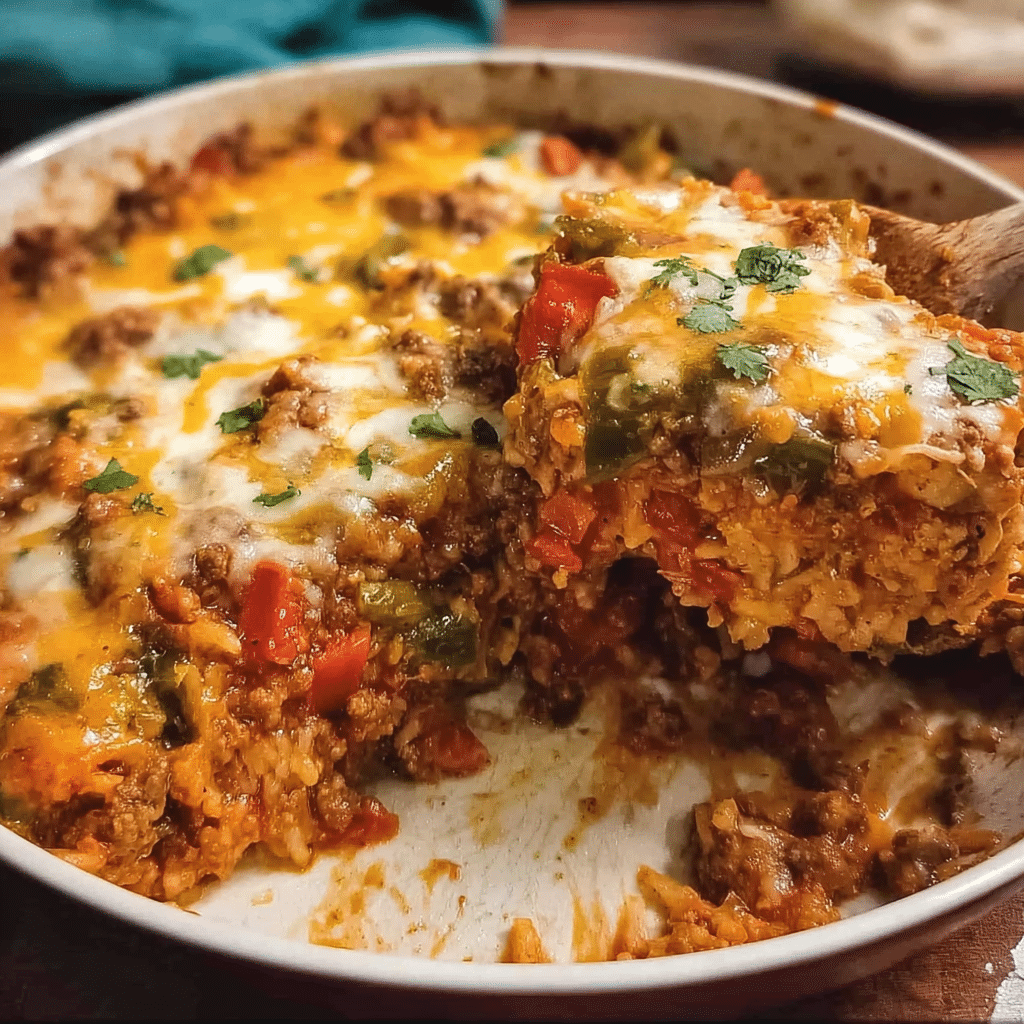
The Story Behind This Recipe
As I prepared the stuffed pepper casserole for the first time, I couldn’t help but feel a deep connection to my family history. My grandmother had always emphasized the importance of sharing meals together, and this recipe was a perfect representation of that philosophy. The aroma of simmering rice, seasoned ground meat, and vibrant bell peppers filled my kitchen, transporting me back to my childhood, where family dinners were a cherished ritual. The beauty of the stuffed pepper casserole lies not only in its taste but also in its ability to evoke memories and foster connections.
This dish carries a rich cultural background that dates back centuries. Stuffed peppers can be found in various cuisines worldwide, from the Mediterranean to Central America, with each region adding its unique twist. In the Mediterranean, for example, you’ll often find peppers stuffed with rice, herbs, and spices, while in Mexico, they are commonly filled with a mixture of beans, cheese, and spices. The versatility of the stuffed pepper casserole allows it to adapt to different culinary traditions, creating a delightful melting pot of flavors.
What makes my version of stuffed pepper casserole special is its simplicity and adaptability. Unlike traditional stuffed peppers, which can be time-consuming to prepare, the casserole method allows you to combine all the ingredients in one dish, making it not only quicker to assemble but also easier to serve. This is particularly beneficial for busy families looking for quick dinner solutions without sacrificing flavor or nutrition. The casserole can be prepped in advance, making it an ideal choice for those hectic weeknight dinners.
Seasonally, stuffed pepper casserole shines in the fall and winter months, when bell peppers are at their peak and the weather calls for hearty, comforting meals. However, it can be enjoyed year-round, making it a versatile dish that can be adapted to whatever ingredients are in season. The vibrant colors of the bell peppers and the wholesome ingredients make it a visually appealing dish that brings joy to the dining table.
There’s an emotional connection to this dish that transcends generations. Every time I make stuffed pepper casserole, I think of my grandmother’s laughter, her stories about family traditions, and her love for cooking. It’s a reminder that food is not just about sustenance; it’s about love, family, and community. With every bite, we share stories, laughter, and memories, making the meal a celebration of togetherness.
In this article, I promise to guide you through the ins and outs of creating the perfect stuffed pepper casserole. We’ll explore the ingredients that make it shine, tips for customizing it to your family’s tastes, and the best ways to serve it. Whether you’re a seasoned cook or a novice in the kitchen, you’ll find valuable insights and inspiration to bring this heartwarming dish to your table.
The Rich History and Cultural Significance of stuffed pepper casserole
The rich history and cultural significance of stuffed pepper casserole are as layered as the dish itself. With roots that can be traced across continents, this dish embodies the spirit of home-cooked meals, where every bite tells a story. The origins of stuffed peppers date back to ancient civilizations, where various cultures utilized local ingredients to create hearty and nourishing meals. From Mediterranean markets to Mexican kitchens, the concept of stuffing vegetables with grains, meats, and spices has been a culinary staple for centuries.
Origins and History
The history of stuffed peppers can be traced to the introduction of peppers to Europe from the Americas in the late 15th century. Initially, these vibrant vegetables were used as a spice, but over time, they became a fundamental ingredient in various regional dishes. In Mediterranean countries like Greece, Italy, and Spain, stuffed peppers evolved into a beloved comfort food, filled with rice, meat, herbs, and spices. The traditional Greek dish, “Gemista,” features bell peppers stuffed with a rice mixture, showcasing the Mediterranean’s rich culinary heritage.
As the recipe traveled across borders, it adapted to local tastes and ingredients. In Mexico, for instance, stuffed peppers became a staple of home cooking, often featuring a filling of cheese, beans, and spices, reflecting the vibrant flavors of Mexican cuisine. In the United States, stuffed peppers gained popularity in the mid-20th century, often featuring ground beef and rice, making it a convenient meal for busy families. The casserole version, however, emerged as a creative twist, allowing home cooks to combine all the ingredients in one dish, making it easier to prepare and serve.
Cultural Significance
Stuffed pepper casserole holds a significant place in culinary traditions worldwide. In many cultures, stuffed vegetables symbolize abundance and hospitality, often served during family gatherings, holidays, and special occasions. In Mediterranean cultures, for instance, stuffed peppers are a common dish during festive celebrations, showcasing the importance of sharing meals with loved ones. In the United States, the casserole version has become a go-to comfort food, often prepared for potlucks, family reunions, and casual weeknight dinners.
Famous chefs and restaurants have also embraced stuffed peppers in their menus, showcasing the dish’s versatility and appeal. From upscale dining establishments to family-owned diners, the stuffed pepper casserole has made its mark, often highlighting seasonal ingredients and regional flavors. This dish’s adaptability allows chefs to experiment with different fillings, sauces, and toppings, ensuring that every interpretation is unique and exciting.
Nutritional Benefits
Beyond its cultural significance, stuffed pepper casserole offers numerous nutritional benefits. Bell peppers are a rich source of vitamins A and C, providing essential antioxidants that support overall health. When combined with lean proteins, whole grains, and an array of vegetables, this dish becomes a wholesome and balanced meal option. The versatility of the casserole allows for the incorporation of various ingredients, making it easy to cater to specific dietary needs, whether you’re looking to make it vegetarian, gluten-free, or low-carb.
Moreover, stuffed pepper casserole is an excellent way to sneak in vegetables for picky eaters. The vibrant colors and delicious flavors make it appealing to children and adults alike, ensuring that everyone enjoys a nourishing meal. As a busy parent, I often rely on this dish to provide not only a satisfying dinner but also the peace of mind that comes with knowing my family is enjoying a healthy meal.
In conclusion, the stuffed pepper casserole is a dish steeped in history and cultural significance, representing the traditions of home cooking and family gatherings. Its evolution over time has allowed it to become a beloved staple in kitchens worldwide, while its nutritional benefits make it an excellent choice for health-conscious families. Whether you’re preparing it for a special occasion or a simple weeknight dinner, stuffed pepper casserole promises to bring comfort, joy, and connection to your table.
Essential Ingredients for Perfect stuffed pepper casserole
When it comes to making a delicious stuffed pepper casserole, the foundation lies in the quality and selection of ingredients. Each component plays a vital role in creating the comforting, hearty dish that we all know and love. Let’s dive into the essential ingredients that will not only enhance the flavor but also ensure that your casserole is a hit at the dinner table.
Essential Ingredients
- 2 tablespoons olive oil: Olive oil is a staple in many kitchens, and for good reason. It adds a rich flavor and helps to sauté the vegetables, unlocking their natural sweetness. Opt for extra virgin olive oil for the best taste and health benefits.
- 1 ½ pounds ground beef (lean): The heartiness of the ground beef provides a satisfying protein base for the casserole. Lean beef is preferable as it reduces excess fat, making the dish lighter while still maintaining flavor. Look for grass-fed options for a more robust taste and better nutritional profile.
- 1 yellow onion (diced): Onions are the unsung heroes of many recipes. They add depth and sweetness when cooked down. A yellow onion is versatile and works well in this dish. Choose one that feels firm and has a vibrant color.
- 1 medium red bell pepper (diced): Red bell peppers are sweet and slightly fruity, adding a pop of color to your casserole. They are rich in vitamins A and C. When selecting, look for smooth skin and a firm texture.
- 1 medium green bell pepper (diced): Green bell peppers have a slightly more bitter taste compared to their red counterparts but balance well in the dish. Ensure you pick one that is heavy for its size with no blemishes.
- 3 small cloves garlic (minced): Garlic adds a punch of flavor and aroma that elevates the entire dish. Fresh garlic should be firm and have a papery skin.
- 1 teaspoon Italian seasoning or Cajun seasoning: This seasoning mix can bring a whole new dimension to your casserole. Italian seasoning will give it a classic flavor, while Cajun seasoning adds a spicy kick. Choose based on your preference!
- 2 teaspoons Worcestershire sauce: This sauce adds umami and depth to the casserole, enhancing the overall flavor profile.
- ½ teaspoon salt: Salt is crucial for bringing out the flavors of the other ingredients. Don’t skimp on this; it’s essential for a well-seasoned dish.
- ¼ teaspoon ground black pepper: Freshly ground black pepper adds a subtle heat and enhances the flavors of the vegetables and meat.
- 14 ounces canned diced tomatoes: Canned tomatoes provide acidity and moisture, which are vital for a rich casserole. Look for brands that use whole tomatoes for the best quality.
- 1 cup long grain white rice: Rice acts as a filler and absorbs the flavors of the dish. It’s essential to use long grain for the right texture.
- 1 ½ cups beef broth: Beef broth adds moisture and flavor depth. Opt for low-sodium to control the salt content in your dish.
- 1 ½ cups shredded cheese (cheddar, mozzarella, or both): Cheese is what makes a casserole creamy and indulgent. Cheddar adds sharpness while mozzarella gives that delightful stretch. Use fresh cheese for optimal melting.
- Parsley (for garnish): Fresh parsley adds a touch of color and freshness, brightening up the dish visually and taste-wise.

Stuffed Pepper Casserole
Ingredients
- 2 tablespoons olive oil
- 1 ½ pounds ground beef lean
- 1 yellow onion diced
- 1 medium red bell pepper diced
- 1 medium green bell pepper diced
- 3 small cloves garlic minced
- 1 teaspoon Italian seasoning or cajun seasoning
- 2 teaspoons Worcestershire sauce
- ½ teaspoon salt
- ¼ teaspoon ground black pepper
- 14 ounces canned diced tomatoes
- 1 cup long grain white rice
- 1 ½ cups beef broth
- 1 ½ cups shredded cheese cheddar, mozzarella, or both
- parsley for garnish
Instructions
- Preheat the oven to 350°F/180°C. In a pan, or in a heat resistant skillet over medium-high heat and heat olive oil, and add ground beef.
- Saute while breaking it with a spatula until it’s no longer pink. Drain the fat, then add the onion, and bell peppers. Cook for 2-3 minutes.
- Add garlic, seasoning, worcestershire sauce, salt, and pepper. And cook for 30 seconds. Add diced tomatoes and stir it in.
- Add rice, and beef broth. Stir and bring to a boil, then cover with a lid (or foil if using a casserole dish that doesn’t have a lid).
- Place in the oven for 20-25 minutes. It’s ready to be removed when the rice is cooked through (I try the rice and see if it still has a crunch). If not, return to the oven and add a splash of water IF necessary.
- Remove from the oven, and sprinkle with cheese.
- Then return to the oven and place under the broiler for 3-5 minutes or until the cheese has melted and bubbly. Garnish with fresh parsley and serve.
When shopping for your ingredients, aim to visit local farmers’ markets for the freshest produce, especially for the bell peppers and onions. These ingredients shine best when they are in season. If you’re purchasing meat, consider asking your butcher for recommendations on the best cuts for casseroles, and don’t hesitate to inquire about the sourcing of the beef to ensure quality. For canned goods, look for BPA-free cans whenever possible, and always check the expiration date.
Substitutions and Alternatives
Dietary restrictions shouldn’t hold you back from enjoying a delicious stuffed pepper casserole. Here are some alternatives you can consider:
- Ground beef: Substitute with ground turkey, chicken, or even plant-based meat alternatives for a lighter or vegetarian option.
- Rice: For a low-carb option, consider using cauliflower rice instead of white rice.
- Cheese: Use dairy-free cheese if you’re lactose intolerant or avoiding dairy.
- Vegetables: Feel free to add other vegetables like zucchini, corn, or spinach to enhance nutrition.
With these substitutions, your stuffed pepper casserole can remain delicious while accommodating a variety of dietary needs.
Understanding the role and sourcing of each ingredient will not only elevate your cooking but also help you make informed decisions that align with your dietary preferences and budget. Now that we know what goes into a fantastic stuffed pepper casserole, let’s move on to crafting this delightful dish!
Detailed Step-by-Step stuffed pepper casserole Cooking Instructions
Detailed Step-by-Step Stuffed Pepper Casserole Cooking Instructions
Creating a stuffed pepper casserole is not just about throwing ingredients together; it’s an art that requires attention to detail and a bit of love. Follow these step-by-step instructions, and you’ll have a mouthwatering casserole ready in no time. Let’s get started!
Preparation Steps
- Gather all your ingredients: Before you start cooking, it’s essential to have everything prepared. This is known as mise en place, which means “everything in its place.” Measure out your ingredients, chop the vegetables, and have your spices ready. This makes the cooking process smoother and ensures you won’t miss anything.
- Preheat your oven: Preheat your oven to 350°F (175°C). This step ensures that once your casserole is assembled, it will cook evenly and thoroughly.
- Dice the vegetables: Start by finely dicing the yellow onion, red bell pepper, and green bell pepper. This not only helps them cook evenly but also allows their flavors to mingle beautifully in the casserole.
- Minced garlic: Peel and mince the garlic cloves. Fresh garlic adds a fragrant aroma and depth to your dish.
- Cook the rice: In a saucepan, bring 2 cups of water or broth to a boil. Add the cup of long grain white rice, a pinch of salt, and reduce the heat to a simmer. Cover and cook for about 15-20 minutes until the rice is fluffy and cooked through. Set aside once done.
Cooking Process
- Heat the olive oil: In a large skillet or pot over medium heat, add the 2 tablespoons of olive oil. Let it heat up for about a minute until it shimmers.
- Sauté the onions: Add the diced yellow onion to the hot oil. Sauté for about 3-4 minutes until translucent, stirring occasionally. You want to soften the onions and bring out their sweetness.
- Add garlic and bell peppers: Next, add the minced garlic, diced red bell pepper, and green bell pepper. Sauté for an additional 5 minutes until the peppers are tender. The smell will be heavenly!
- Brown the ground beef: Push the vegetables to one side of the skillet and add the 1 ½ pounds of ground beef. Use a wooden spoon to break it up as it cooks. Brown the beef for about 5-7 minutes, ensuring it’s no longer pink. Drain any excess fat if necessary.
- Season the mixture: Stir in the Italian or Cajun seasoning, Worcestershire sauce, salt, and pepper. Mix well to combine all the flavors. This is where the magic happens, so taste it and adjust seasonings if necessary!
- Add the tomatoes and rice: Pour in the 14 ounces of canned diced tomatoes (with juice) and the cooked rice. Stir everything together until well mixed.
- Incorporate the beef broth: Gradually add the 1 ½ cups of beef broth to the mixture. This will create a nice, saucy consistency that binds the casserole together.
Final Assembly
- Transfer to a baking dish: Once everything is combined, transfer the mixture into a greased 9×13 inch baking dish. Spread it out evenly.
- Top with cheese: Sprinkle the 1 ½ cups of shredded cheese over the top of the casserole. This will create a delicious, gooey layer that’s impossible to resist!
- Bake: Place the baking dish in the preheated oven and bake for about 30 minutes. You’ll know it’s done when the cheese is melted and bubbly, and everything is heated through.
- Garnish and serve: Once out of the oven, let it cool for a few minutes before garnishing with fresh parsley. This adds a burst of color and freshness. Serve hot and enjoy the delightful flavors of your stuffed pepper casserole!
Common mistakes to avoid include overcooking the rice beforehand, which can lead to a mushy casserole, or not properly seasoning the beef and vegetables, which might leave your dish lacking in flavor. Remember also that timing is key; multitasking is your friend here. As your beef cooks, you can prep the rice and vegetables simultaneously. Keep an eye on the casserole as it bakes, so you can pull it out just at the right moment for that perfect cheesy topping.
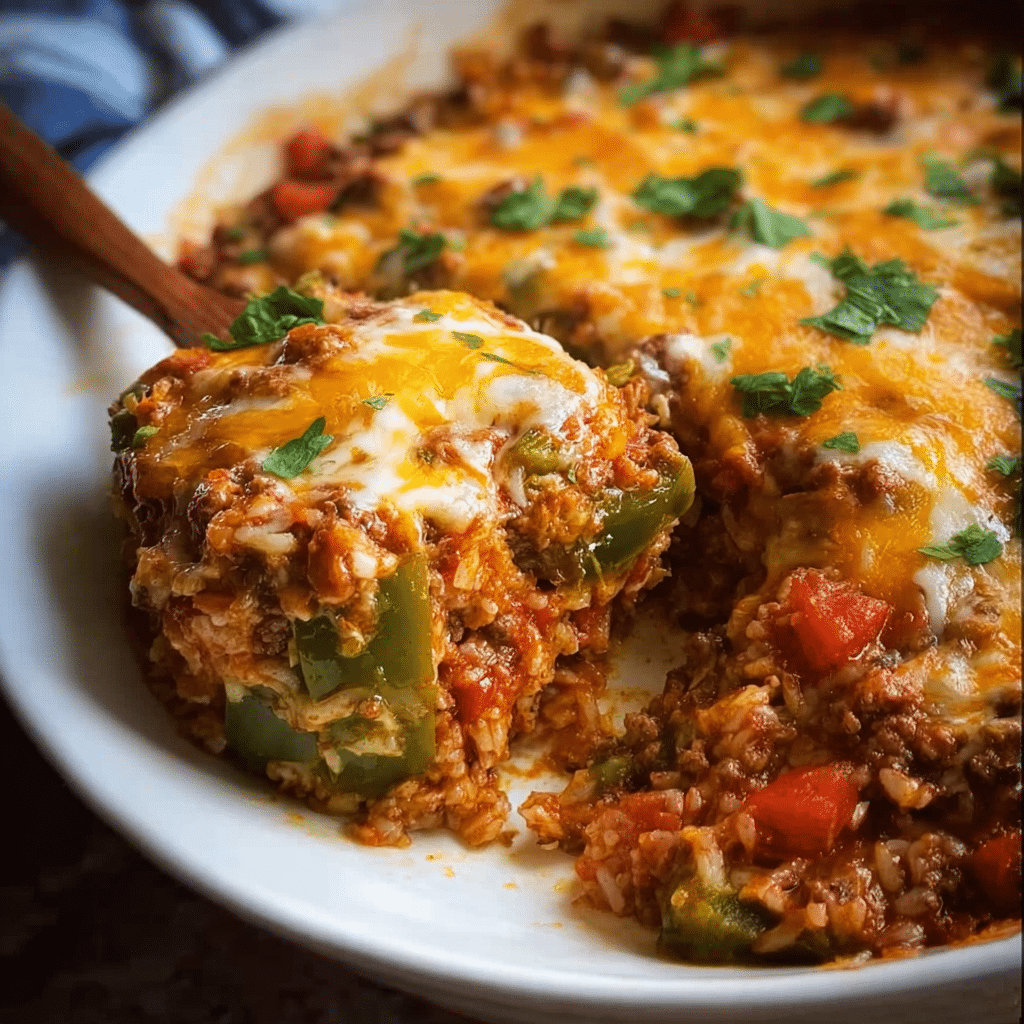
With these detailed instructions, you’re well on your way to mastering the art of the stuffed pepper casserole. Enjoy the process and the delicious results!
Professional Tips and Techniques for stuffed pepper casserole
When it comes to preparing a delightful stuffed pepper casserole, there’s a world of techniques and tips that can elevate your dish from good to spectacular. Having experimented with various recipes in my kitchen over the years, I’ve gathered a treasure trove of professional cooking techniques and insider secrets that I’m excited to share. Whether you’re a novice cook or an experienced chef, these insights will help you master this comforting dish.
Professional Techniques
To start, let’s talk about the foundational components of a great stuffed pepper casserole. The primary elements include bell peppers, rice, a protein (ground meat or a meat alternative), and a rich sauce. One professional tip is to par-cook the rice before adding it to your casserole. This ensures that the rice won’t absorb all the moisture from the sauce during baking, which can lead to a dry dish. Instead of using plain water, consider cooking your rice in vegetable or chicken broth to infuse additional flavor.
Another technique is to sauté your vegetables before adding them to the casserole. This step not only enhances the flavors through caramelization but also softens them, allowing them to meld better with the other ingredients during baking. A quick sauté with garlic, onions, and perhaps a hint of chili flakes adds depth and warmth to your stuffed pepper casserole.
For those looking to refine their skills further, think about layering the ingredients rather than simply mixing them all together. Start with a base of sauce in your casserole dish, followed by a layer of your filling, and repeat. This technique not only creates a beautiful presentation but also ensures that each bite is bursting with flavor.
Troubleshooting Guide
Even the best cooks encounter challenges, and knowing how to troubleshoot common problems is crucial. One common issue is a casserole that turns out too watery. This can happen if you use too much sauce or if your vegetables release excess moisture. To combat this, consider draining your canned tomatoes or using less broth. Additionally, if you notice your casserole is becoming too dry during baking, cover it with foil for part of the cooking time to retain moisture.
Another potential pitfall is uneven cooking. To ensure even baking, make sure to chop your bell peppers and other vegetables into uniform pieces. This not only promotes even cooking but also contributes to a more appealing texture. If you’re using a glass casserole dish, be mindful of the baking temperature; glass retains heat differently than metal, which can affect cooking times.
Presentation Tips
Presentation is key when it comes to making your stuffed pepper casserole enticing. A simple yet effective way to elevate your dish is by garnishing it with fresh herbs. Chopped parsley or cilantro sprinkled on top just before serving can add a pop of color and freshness. Additionally, consider serving your casserole in the bell peppers themselves if you have some leftover halves. It’s a whimsical touch that makes for an impressive table display.
As for plating, use a large spoon to serve and ensure you get a bit of everything on each plate. A side of crusty bread or a light salad can complement the dish beautifully, making it a complete meal. When it comes to wine pairings, a medium-bodied red, like a Merlot or a Zinfandel, can balance the flavors of the casserole, while a crisp white, such as a Sauvignon Blanc, offers a refreshing contrast.
For those who enjoy meal prep, the stuffed pepper casserole is a perfect candidate. You can prepare it ahead of time and store it in the refrigerator for up to 24 hours before baking. Just remember to allow it to come to room temperature before placing it in the oven, which will help it cook evenly. Scaling the recipe is also simple; whether you’re cooking for a crowd or just a few, adjusting the quantities is straightforward. Just keep the cooking times in mind, as larger portions may require a bit more time in the oven.
Creative Variations and Adaptations of stuffed pepper casserole
One of the most beautiful things about a stuffed pepper casserole is its versatility. You can adapt the recipe to suit your taste preferences, dietary restrictions, and seasonal ingredients. Over the years, I’ve experimented with numerous variations, and I’m excited to share some of my favorites that can inspire your culinary creativity.
Seasonal Variations
When it comes to seasonal ingredients, the possibilities are endless. In the summer, I love to incorporate fresh corn and zucchini into my stuffed pepper casserole. These ingredients not only add vibrant color but also enhance the flavors with their natural sweetness. You can simply sauté them with your onions and garlic for a refreshing twist.
In the fall, consider adding pumpkin or butternut squash to your filling. These hearty vegetables can be roasted and then mixed with your usual ingredients to add a seasonal flair. You can also swap out traditional rice for quinoa or farro, offering a nutty flavor and a boost of nutrition.
Dietary Adaptations
For those with specific dietary needs, adapting your stuffed pepper casserole is straightforward. If you’re following a keto diet, replace the rice with cauliflower rice or even shredded cabbage. This substitution reduces the carb content while still providing a satisfying texture. Vegan adaptations are equally simple—just use lentils, beans, or a meat substitute for the protein, and swap dairy-based cheese for a plant-based version or nutritional yeast for a cheesy flavor.
Gluten-free options are also readily available. Most ingredients in a traditional casserole are gluten-free, but always check your sauces and broths. Moreover, you can add gluten-free grains like millet or polenta instead of rice for a different texture.
Creative Twists
Let’s not forget about the fun of international fusion! One of my favorite twists on the traditional stuffed pepper casserole is to give it a Mediterranean flair by including olives, feta cheese, and sun-dried tomatoes. This combination brings a zesty brightness to the dish that is simply irresistible.
If you’re looking to add some heat, consider incorporating chorizo or spicy sausage into your filling. A sprinkle of smoked paprika can also lend a lovely depth of flavor. For those who enjoy Asian flavors, using soy sauce, ginger, and scallions can transform your casserole into a savory delight that is both unique and comforting.
You can also explore different cooking methods. While baking is the most common way to prepare a stuffed pepper casserole, try making it in a slow cooker. This method allows the flavors to meld beautifully over a longer period, resulting in a rich and hearty dish. Just be sure to adjust your cooking time accordingly, as slow cookers can vary significantly in temperature.
Lastly, let’s talk about leftovers. If you find yourself with extra casserole, don’t let it go to waste! You can transform it into stuffed pepper burritos, quesadillas, or even a hearty soup by adding broth and some additional vegetables. The versatility of this dish means that it can continually surprise you, providing new meals from a single recipe.
In conclusion, the stuffed pepper casserole is not just a dish; it’s a canvas for your culinary creativity. With a few simple adjustments and a sprinkle of imagination, you can customize this classic recipe to suit any occasion or palate. So gather your ingredients and let your creativity shine!
Storage, Reheating, and Meal Prep for stuffed pepper casserole
When it comes to the delightful world of stuffed pepper casserole, one of the many perks of this dish is its versatility, especially when it comes to storage. Whether you’ve made a big batch for a family dinner or are just cooking for yourself, knowing how to properly store, reheat, and prep meals can maximize both freshness and flavor. Let’s dive into all things storage, from short-term solutions to long-term freezing strategies.
Short-term Storage
After you’ve enjoyed your delicious stuffed pepper casserole, you might have some leftovers. The first step is to allow the casserole to cool to room temperature. This is crucial because placing hot food directly into the refrigerator can raise its internal temperature, which may affect other foods. Once cooled, transfer the casserole into airtight containers. Glass containers are excellent for this purpose as they are non-reactive, easy to clean, and don’t absorb smells. Alternatively, BPA-free plastic containers can work as well.
A good rule of thumb for refrigerator storage is to consume leftovers within 3 to 5 days. This timeframe ensures that the dish remains safe to eat while maintaining optimal taste. If you’re planning on saving your stuffed pepper casserole for longer than this, consider freezing it instead.
Freezing and Long-term Storage
Freezing your stuffed pepper casserole is a great way to extend its shelf life significantly—up to 3 months! To freeze, use the same airtight containers, but make sure to leave some space at the top of the container as the casserole will expand when frozen. Another option is to portion the casserole into individual serving sizes. This not only makes reheating easier but also helps you control portions if you’re watching your intake.
Consider wrapping the casserole in plastic wrap before sealing it in a container or placing it in a freezer bag. This double layer of protection helps prevent freezer burn, which can detract from the quality and flavor of your dish. Label the containers with the date and contents so you can easily find them later.
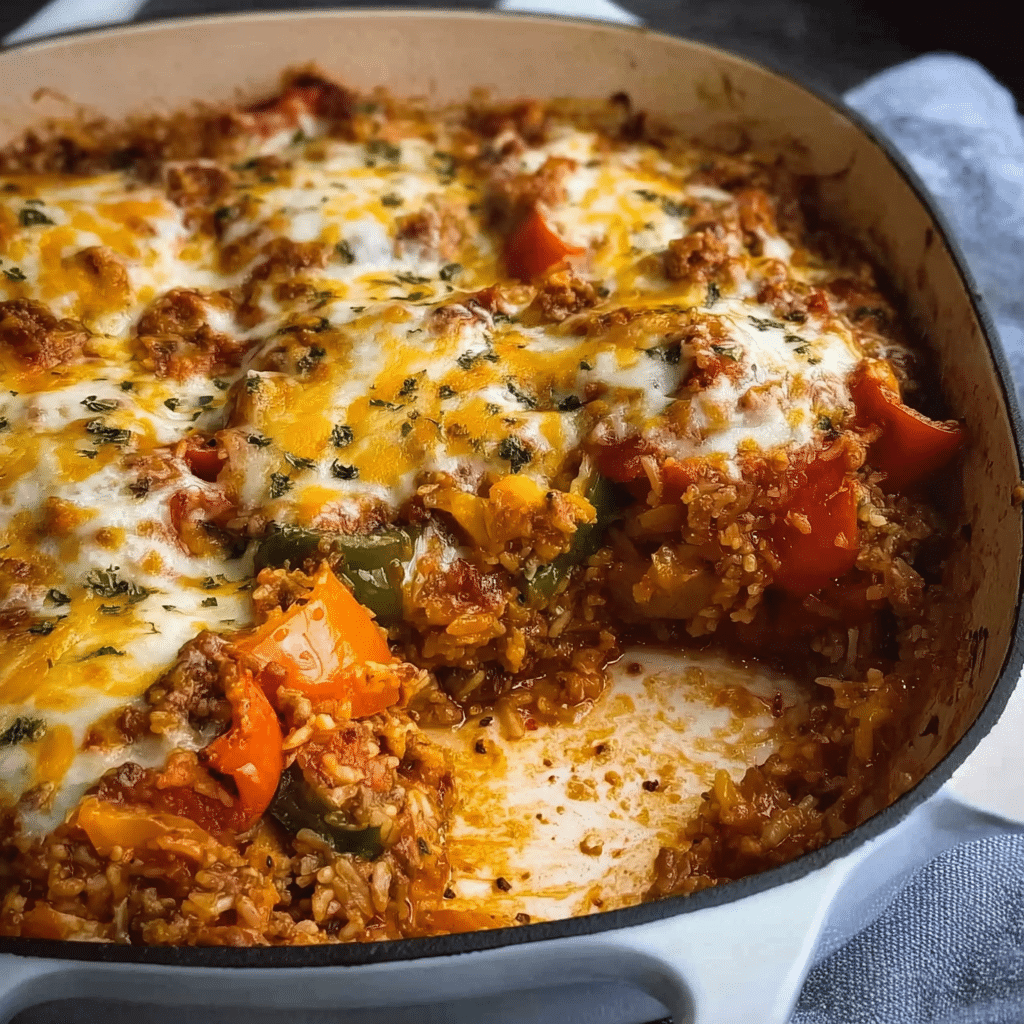
Reheating Best Practices
When it comes time to enjoy your frozen or refrigerated stuffed pepper casserole, reheating it properly is key to maintaining its deliciousness. If you’re reheating from frozen, it’s best to let the casserole thaw in the refrigerator overnight. This gradual thawing helps retain moisture and texture. However, if you’re short on time, you can use the microwave or an oven. When using a microwave, heat it in increments, stirring occasionally to promote even heating.
If you prefer the oven, preheat it to 350°F (175°C), cover the casserole with aluminum foil to prevent it from drying out, and heat until it’s warmed through, about 20-30 minutes depending on the size of the portion. If you want that delicious crispy top, remove the foil during the last 10 minutes of cooking.
Remember to always check the internal temperature; it should reach at least 165°F (74°C) to ensure it’s safe to eat. If you’re unsure, a quick thermometer check will give you peace of mind!
Meal Prep and Batch Cooking Strategies
Meal prepping is a fantastic way to save time and ensure that you have healthy options readily available throughout the week. When making stuffed pepper casserole, consider preparing a double batch and dividing it into multiple containers for easy lunches or dinners later on. Using a muffin tin is an innovative way to create individual servings of casserole. Just spoon the mixture into the muffin cups and bake. Once cooled, pop them out and store in containers for grab-and-go meals.
Also, consider the ingredients you’re using. Opt for pre-chopped vegetables or cooked grains to cut down on prep time. Having everything ready to assemble can make your cooking experience much more enjoyable and efficient.
Food Safety Considerations and Guidelines
Food safety is paramount when storing and reheating your stuffed pepper casserole. Always use clean utensils when handling your leftovers to avoid contamination. Additionally, keep track of how long your casserole has been in storage. As mentioned earlier, refrigerate leftovers within 2 hours of cooking to minimize the risk of bacterial growth.
If you’re ever in doubt about the freshness of your casserole, trust your senses—look for any off smells, discoloration, or changes in texture. It’s better to err on the side of caution when it comes to food safety.
Portioning and Packaging Tips
Portioning is not only practical but can also help with meal control. For those watching their portions, consider using smaller containers or even freezer bags for single servings. This way, you can easily grab a meal without the temptation of overindulging. When packaging for freezing, try to remove as much air as possible to prevent freezer burn and maintain the quality of your stuffed pepper casserole.
In conclusion, knowing how to store and reheat your stuffed pepper casserole can make all the difference in enjoying this comforting dish over time. With these tips and strategies, you can savor the flavors of your casserole days or even weeks later, turning leftovers into delightful meals with minimal effort.
Nutritional Benefits and Health Information
The journey of enjoying a warm plate of stuffed pepper casserole goes beyond its enticing flavors and comforting aromas—it also extends into the realm of nutrition. Let’s explore the nutritional breakdown, health benefits, and dietary considerations to understand how this dish fits into a healthy lifestyle.
Nutritional Profile
The beauty of stuffed pepper casserole lies in its simplicity and versatility, allowing you to customize the ingredients based on your preferences or dietary needs. Typically, the base of this dish includes bell peppers, ground meat (like beef, turkey, or chicken), rice, and tomato sauce. Each of these components adds valuable nutrition to the meal.
A standard serving of stuffed pepper casserole can provide a balanced mix of macronutrients. For instance, a typical serving might contain around 300-400 calories, depending on the ingredients and portion size. The macronutrient distribution usually includes:
- Protein: 20-25g, primarily from the meat and possibly cheese.
- Carbohydrates: 30-40g, mainly from rice and the peppers.
- Fat: 10-15g, depending on the meat and any added oils or cheese.
Moreover, the dish is rich in vitamins A and C from the bell peppers, along with antioxidants that help support overall health. This makes stuffed pepper casserole not only filling but also nourishing.
Health Benefits
Each ingredient in your stuffed pepper casserole contributes to its health benefits. Bell peppers, for instance, are low in calories but high in nutrients. They provide a good source of vitamins A and C, which are essential for immune function and skin health. Research has shown that antioxidants found in colorful vegetables can help reduce inflammation and lower the risk of chronic diseases.
In addition, using lean meats such as turkey or chicken can provide essential amino acids without excessive fat, making this dish a heart-healthy choice. If you opt for brown rice or quinoa instead of white rice, you’ll increase the fiber content, which can aid digestion and help keep you full longer.
Dietary Considerations
When it comes to dietary restrictions, stuffed pepper casserole can be quite accommodating. For those following a gluten-free diet, simply ensure that your rice is certified gluten-free and avoid any sauces that may contain gluten. Vegetarians and vegans can easily adapt this recipe by substituting the meat with plant-based proteins, such as lentils or tofu, and using vegan cheese.
If you’re counting calories or following specific diet plans like keto or paleo, consider modifying the ingredients accordingly. For keto, you could replace rice with cauliflower rice, while for paleo, you might focus on whole foods without dairy. Always remember that with a little creativity, you can make this dish fit into a wide variety of dietary needs.
In conclusion, the stuffed pepper casserole is not just a simple comfort food; it’s a nutritious meal that can be tailored to fit different lifestyles and preferences. With its balance of macronutrients and abundance of vitamins, this dish can play a significant role in a healthy eating regimen. So the next time you enjoy a hearty serving, you can relish not just the flavors but also the health benefits it brings to your table.
Frequently Asked Questions About Stuffed Pepper Casserole
Best stuffed pepper casserole
The best stuffed pepper casserole typically features a harmonious blend of flavors and textures, combining ground meat, rice, and bell peppers in a savory sauce. For optimal taste, consider using a mix of green, red, and yellow bell peppers to add a variety of sweetness and color. A great tip is to sauté the vegetables before baking, which enhances their flavor. Additionally, incorporating spices such as Italian seasoning or smoked paprika can elevate the overall profile of the dish. Don’t forget to top it with cheese for a deliciously melty finish!
Stuffed pepper Casserole Pioneer Woman
The Pioneer Woman’s stuffed pepper casserole takes a classic dish and gives it a comforting twist, often featuring her signature hearty ingredients. To replicate her style, use a blend of ground beef and Italian sausage for a richer flavor. She emphasizes the importance of layering, so arrange your ingredients thoughtfully for even cooking. Additionally, her recipes often include cheese, which you can sprinkle generously on top during the last 10 minutes of baking for that perfect bubbly finish. Be sure to serve it with a side of crusty bread to soak up the delicious sauce!
Stuffed pepper casserole Allrecipes
Allrecipes provides a variety of stuffed pepper casserole recipes that cater to different tastes and dietary preferences, making it a great resource for home cooks. One popular variation includes using quinoa instead of rice for a healthier alternative. Reviews from users often highlight the importance of seasoning; don’t be afraid to customize the spices to suit your palate, whether it’s adding cumin for a hint of warmth or cayenne for some spice. Also, consider preparing the casserole ahead of time; many users suggest it tastes even better the next day after the flavors meld. Always check the cooking time in your specific oven, as home ovens can vary in temperature accuracy.
Stuffed pepper casserole Taste of Home
Taste of Home features some delightful stuffed pepper casserole recipes that focus on wholesome, home-cooked flavors. Their recipes often include a homemade tomato sauce, which can enhance the dish significantly; consider using fresh tomatoes or canned diced tomatoes for a richer base. A useful tip is to mix the meat and rice thoroughly before layering them in the casserole, ensuring every bite is packed with flavor. Moreover, topping the casserole with fresh herbs like parsley or basil right before serving can add a fresh finish. Remember to allow it to rest for a few minutes after baking; this helps the layers set for easier serving.
Easy stuffed pepper casserole recipe
An easy stuffed pepper casserole recipe typically streamlines preparation, making it perfect for busy weeknights. Look for recipes that utilize pre-cooked rice or leftover ingredients, cutting down on cooking time significantly. A great shortcut is to use a slow cooker or Instant Pot, which can tenderize the ingredients while allowing the flavors to meld beautifully. For added convenience, you can also opt for frozen bell peppers, which are pre-chopped and ready to use. Don’t forget to taste as you go; adjusting seasoning throughout the cooking process can enhance the final dish immensely!
Stuffed pepper casserole delish
The Delish website offers creative spins on classic stuffed pepper casserole recipes that are both delicious and visually appealing. They often incorporate unique ingredients, such as black beans and corn, for a southwestern flair. A key tip is to experiment with different types of cheese, such as pepper jack or cheddar, to complement the flavors of your ingredients. Additionally, Delish recipes often emphasize presentation, suggesting you garnish with fresh cilantro or avocado slices for a pop of color and freshness. Remember, to truly make it Delish-worthy, bake until the cheese is golden and bubbling!
Mexican stuffed pepper casserole
A Mexican stuffed pepper casserole adds a zesty twist to the traditional dish by incorporating ingredients like taco seasoning, black beans, and corn. To enhance the flavor, consider using a mix of bell peppers and poblano peppers for a kick. Adding a layer of Mexican cheese blend on top can create a deliciously gooey finish, while fresh toppings like avocado, salsa, or cilantro can bring brightness to the dish. A tip for preparation is to cook your rice with chicken broth instead of water to infuse extra flavor. This dish is not only hearty but also customizable, allowing you to adjust the spice level to your preference.
Stuffed pepper casserole with tomato soup
Using tomato soup in a stuffed pepper casserole is a fantastic way to introduce a rich, creamy texture and depth of flavor. This method often simplifies the sauce-making process, as the soup can act as a base for the casserole. When using tomato soup, consider adding herbs like oregano or basil to enhance the flavor profile. You can also mix in additional vegetables or legumes to boost nutrition and flavor. For a more complex taste, try roasting your bell peppers before adding them to the casserole, as this can caramelize their natural sugars and heighten the overall dish.