Sweet pepper sausage is not just a meal; it’s a delightful journey that brings together vibrant flavors and cherished memories. I vividly remember the first time I stumbled upon this incredible recipe during a weekend family gathering. My aunt, an exceptional cook who never shied away from experimenting with spices, decided to whip up her signature dish—a tantalizing sweet pepper sausage pasta. As the aromas filled the air, I felt an overwhelming sense of nostalgia; it reminded me of summer evenings spent in her backyard, surrounded by laughter and delicious food. The combination of sweet, juicy peppers mingling with savory sausage over perfectly cooked pasta was an experience that lingered in my senses long after the meal was over.
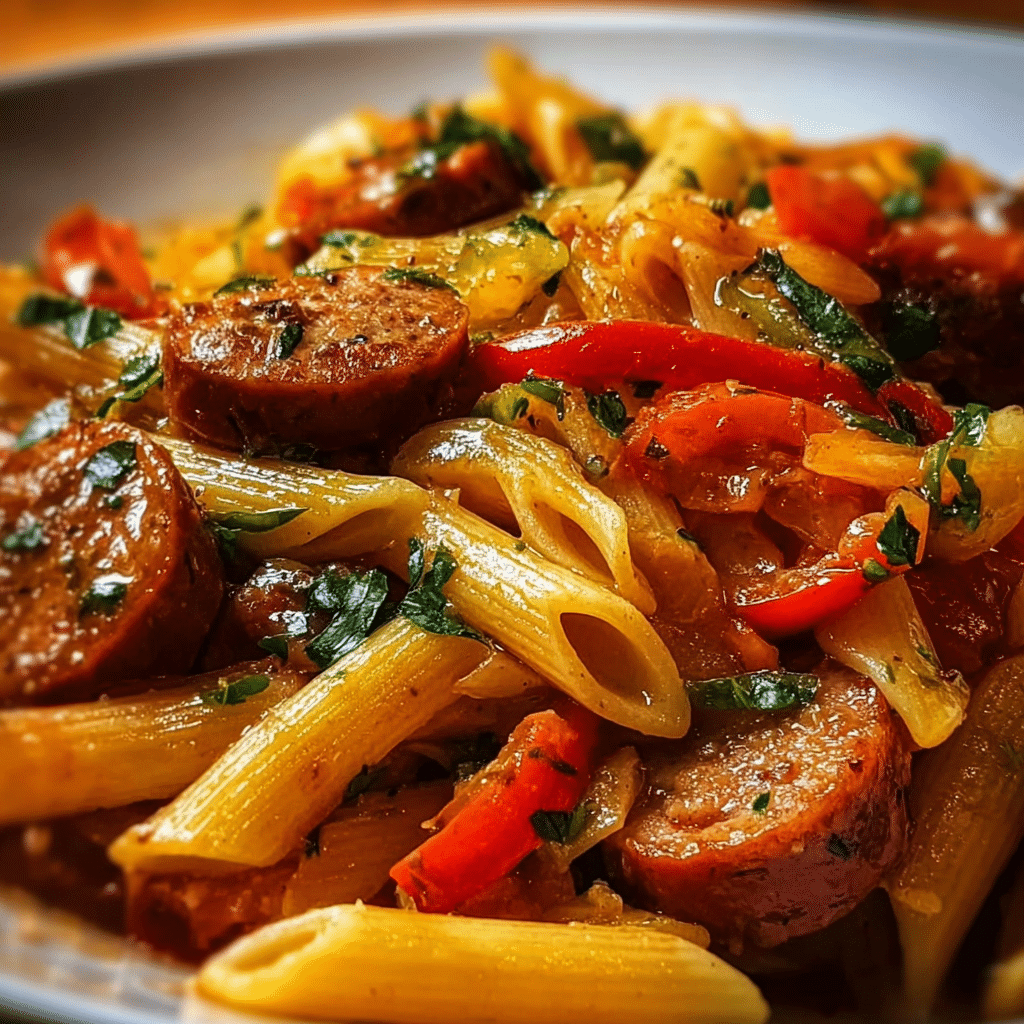
Historically, sweet pepper sausage pasta is a dish that reflects the rich tapestry of Italian culinary tradition. Originating from the heart of Italy, this dish is a celebration of fresh ingredients, particularly sweet bell peppers and various types of sausage. The use of sweet peppers can be traced back to the introduction of the vegetable to Europe in the 16th century, brought over from the Americas. Over time, the combination of these two ingredients transformed into a beloved family recipe, becoming a staple in kitchens around the world.
What makes this recipe particularly special is its versatility. While many pasta dishes tend to be heavy and rich, sweet pepper sausage pasta strikes a beautiful balance between flavors and textures. The sweetness of the peppers offsets the savory nature of the sausage, creating a harmonious blend that is simply irresistible. Plus, it’s a dish that can be easily adapted to suit various dietary needs, whether you prefer a gluten-free pasta, plant-based sausage, or just want to sneak in some extra veggies.
The Story Behind This Recipe
As I learned to make sweet pepper sausage pasta from my aunt, it became more than just following a recipe; it turned into a bonding experience. Each step, from chopping the peppers to sautéing the sausage, was filled with laughter, stories, and the occasional kitchen mishap. I remember the first time I attempted this dish on my own. I was determined to impress my friends for a dinner party. I diced the peppers with the precision of a seasoned chef, but when it came to cooking the pasta, I accidentally overcooked it. Instead of being discouraged, I laughed it off, thinking about how my aunt would have handled the situation. The result was a little mushy, but the flavors were still there, and my friends devoured the dish with joy.
This recipe is perfect for busy families seeking quick dinner solutions. It comes together in under 30 minutes, making it an ideal choice for weeknight meals. The ingredients are simple, often found in your pantry or refrigerator, and the cooking process is straightforward. You can even prep the sweet peppers and sausage in advance, making it even easier to throw together on a hectic evening. It’s a lifesaver when everyone is running in different directions, yet you still wish to sit down together for a nourishing meal.
Seasonally, sweet pepper sausage pasta shines during the summer and fall months when sweet peppers are at their peak. Farmers’ markets are overflowing with colorful varieties, providing an opportunity to choose the freshest produce. However, this dish can be enjoyed year-round, with the use of frozen peppers or dried herbs during the colder months, reminding us of summer’s warmth.
Emotionally, this dish is a reminder of family, connection, and the importance of sharing meals with loved ones. It embodies the spirit of togetherness and the heartwarming moments that come with cooking and dining as a family. It has a way of bringing everyone to the table, sparking conversations, and creating lasting memories.
In this article, we will delve deeper into the wonders of sweet pepper sausage pasta. You will learn how to prepare it, explore its historical significance, and gain insights into how you can customize it to your tastes. Whether you are a novice cook or a seasoned home chef, this dish promises to deliver an experience that is both fulfilling and delightful.
The Rich History and Cultural Significance of sweet pepper sausage
The rich history and cultural significance of sweet pepper sausage is a fascinating story that spans continents and centuries. The origins of this dish can be traced back to the Italian countryside, where fresh ingredients and simple cooking techniques reign supreme. Sweet peppers, known as “peperoni dolci” in Italian, have been cultivated in Italy since they were introduced from the Americas in the 16th century. Their vibrant colors and sweet flavors quickly made them a favorite among Italian cooks, particularly in southern regions like Calabria and Sicily.
Origins and History
In Italian cuisine, sausage is often made from pork, but regional variations exist, incorporating different meats and spices. The combination of sausage with sweet peppers likely emerged as families sought to create hearty, flavorful meals that showcased the bountiful harvest of summer. This dish exemplifies the Italian philosophy of using seasonal ingredients to create meals that are both satisfying and nourishing.
As Italian immigrants made their way to the United States in the late 19th and early 20th centuries, they brought their culinary traditions with them, including sweet pepper sausage pasta. Over time, this dish evolved, adapting to the available ingredients and the American palate. Today, it is a beloved staple in many American homes, particularly among families looking for quick and delicious dinner options.
Cultural Significance
Sweet pepper sausage pasta is more than just a meal; it’s often served during family gatherings, celebrations, and holidays. In Italy, pasta dishes are typically the centerpiece of festive occasions, embodying the spirit of sharing and connection. Similarly, in American households, this dish has become a go-to for potluck dinners and casual gatherings, where friends and family come together to enjoy a hearty meal.
Famous chefs and restaurants have also embraced this dish, adding their unique twists to elevate its status even further. For instance, in Italian-American communities, you might find variations that include spicy sausage or additional vegetables, showcasing the adaptability and creativity of cooks who cherish this meal. Restaurants that focus on rustic Italian cuisine often feature sweet pepper sausage pasta on their menus, allowing diners to experience the authentic flavors of Italy.
Nutritional Benefits
From a nutritional perspective, sweet pepper sausage pasta offers a balance of flavors and health benefits. Sweet peppers are an excellent source of vitamins A and C, antioxidants that promote good health and boost the immune system. When combined with sausage, the dish provides a good source of protein, essential for maintaining energy levels and muscle health. To make the dish even healthier, consider using whole-grain pasta or incorporating additional vegetables like spinach or zucchini, which can enhance the nutrient profile without compromising flavor.
In summary, the history and cultural significance of sweet pepper sausage pasta reveal a dish that is deeply rooted in tradition yet adaptable to modern tastes. It represents the beauty of Italian cuisine, where fresh ingredients and family gatherings come together to create memorable meals. As we explore how to prepare this dish, remember that you are not just cooking a recipe; you are participating in a culinary history that connects generations and celebrates the joy of food.
Essential Ingredients for Perfect sweet pepper sausage
When it comes to creating a delightful dish like sweet pepper sausage pasta, the ingredients you choose play a crucial role in the final outcome. Each component contributes not just flavor, but also texture, nutrition, and color, creating a symphony of tastes that can transport you to culinary heaven. Here, we’ll delve into the essential ingredients needed to prepare a sumptuous sweet pepper sausage dish, along with tips on sourcing, quality indicators, and even some budget-friendly alternatives.
Essential Ingredients
- Chicken: 1 pound, ground or diced
- Beef: 1 pound, ground or diced
- Pork: 1 pound, ground or diced
- Seafood: 1 pound, shrimp or scallops is a great choice
- Pasta: 12 ounces, your choice (penne, fusilli, or spaghetti)
- Fruits: 1 cup, diced tomatoes or bell peppers for sweetness
- Vegetables: 1 cup, finely chopped onions, garlic, and spinach
Sweet Pepper Sausage Pasta
Ingredients
- 2 cups brown rice rotini pasta
- 1 cup rotini pasta
- 1/2 cup reserved pasta water
- 1 tablespoon butter
- 1 tablespoon olive oil
- 1 yellow bell pepper, cut into strips
- 1 red bell pepper, cut into strips
- 1 medium sweet onion, cut into thin strips
- 3 cloves garlic, minced
- 3 links hot Italian sausage
- 1 (14.5 ounce) can diced tomatoes
- 1/2 cup tomato sauce
- 1/2 teaspoon dried basil
- 1/2 teaspoon granulated garlic
- 1/2 teaspoon crushed red pepper flakes
- 1/4 cup heavy whipping cream
Instructions
- Bring a large pot of lightly salted water to a boil; cook rotini at a boil until tender yet firm to the bite, about 8 minutes. Drain and reserve 1/2 cup pasta water.
- Meanwhile, heat butter and olive oil in a heavy skillet over medium heat. Add bell pepper strips, onion strips, and garlic and cook until softened, 4 to 5 minutes. Add Italian sausage, diced tomatoes, and tomato sauce. Stir to combine, cover, and cook for 15 minutes.
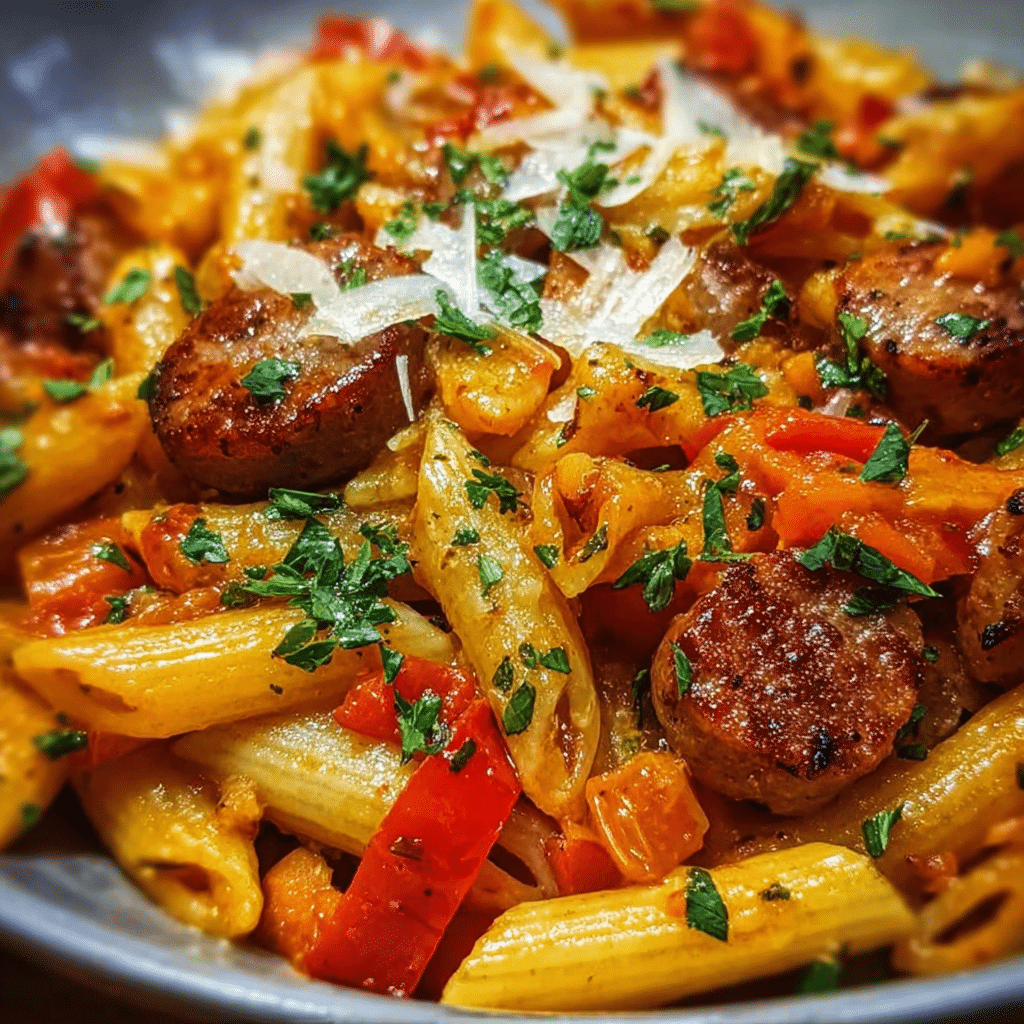
- Remove sausage links and cut on the diagonal into coin slices. Return sausage slices to the skillet. Season with basil, garlic granules, and crused red pepper flakes. Stir to combine. Mix in heavy cream and reserved pasta water. Cover and cook sauce for 8 more minutes.
- Divide cooked rotini amongst plates and serve topped with sauce.
Let’s explore the role and importance of each of these ingredients:
Chicken: This lean protein serves as a fantastic base for your sweet pepper sausage dish. Not only does chicken have a mild flavor that allows the spices and herbs to shine, but it also cooks relatively quickly, making it ideal for busy weeknight dinners. When selecting chicken, look for organic or free-range options that are free from antibiotics and hormones to ensure the best quality.
Beef: Adding ground beef brings a rich, hearty flavor to your pasta. Opt for grass-fed beef if you can; it’s not only more flavorful but also healthier than conventional options. The marbling in good quality beef will help create a sauce that clings beautifully to your pasta.
Pork: Ground pork adds a delightful sweetness and juiciness to the dish, balancing the other meats perfectly. When sourcing pork, look for cuts with a good fat-to-meat ratio; this combination ensures that your sausage won’t dry out during cooking.
Seafood: If you’re looking to add a touch of elegance, consider using seafood like shrimp or scallops. They cook quickly and provide a wonderful contrast to the heavier meats. Fresh seafood is ideal, but frozen can work just as well when fresh is not available; just ensure it’s properly thawed before cooking.
Pasta: The choice of pasta can dramatically affect the dish’s texture and overall experience. For a heartier dish, opt for whole wheat or gluten-free options. Pay attention to the cooking time listed on the package, as al dente pasta will hold up better when mixed with the sauce.
Fruits: Sweet bell peppers are a star ingredient in this dish. Their natural sweetness complements the savory sausage perfectly. Choose vibrant, firm peppers, avoiding any that show signs of wrinkles or blemishes.
Vegetables: Onions and garlic provide a savory foundation for your sauce. Fresh spinach adds a burst of color and nutrition. When selecting vegetables, look for those that are in season; they’ll be more flavorful and often less expensive.
Shopping Tips
When shopping for your ingredients, consider local farmers’ markets for the freshest produce and meats. Often, local vendors offer organic options at competitive prices. For meats, consider buying in bulk and freezing what you won’t use immediately. This can save you money in the long run.
For pasta, check the international food aisle for different varieties that may not be available in the regular pasta section. Experimenting with different pasta shapes can add an exciting twist to your dish!
Substitutions and Alternatives
Dietary restrictions shouldn’t hinder your ability to enjoy a delicious sweet pepper sausage pasta. Here are some alternatives:
- Chicken: Substitute with turkey or plant-based ground meat for a lighter, healthier option.
- Beef: Use lentils or quinoa for a vegetarian protein source that offers a similar texture.
- Pork: Ground turkey or chicken sausage can replace pork for a leaner version.
- Seafood: Tofu or tempeh can be a great substitute for those avoiding seafood.
- Pasta: Zucchini noodles or spaghetti squash are excellent low-carb alternatives.
Storage is also important. Keep meats in the coldest part of your refrigerator and use seafood the day you buy it for maximum freshness. Vegetables should ideally be stored in a cool, dark place or in the fridge, while pasta can be kept in a dry pantry. When it comes to herbs and spices, fresh is always best, but dried versions can work in a pinch.
Remember, cooking is an art—a little creativity can lead to wonderful results. With these essential ingredients, you’re well on your way to whipping up a delightful sweet pepper sausage pasta that’s not only delicious but also packed with love and care.
Detailed Step-by-Step sweet pepper sausage Cooking Instructions
Creating a delicious sweet pepper sausage pasta dish is not just about gathering the ingredients; it’s also about the cooking process. With the right techniques, you can elevate this simple meal into something truly spectacular. Below, I’ll guide you through a detailed step-by-step process that will make your cooking experience enjoyable and successful.
Preparation Steps
- Mise en Place: Before you even turn on the stove, gather all your ingredients and prepare them. Dice the chicken, beef, and pork into small pieces if you’re using whole cuts. Chop the sweet bell peppers, onions, and garlic finely. Having everything ready will make cooking a breeze.
- Prep Your Pasta: Bring a large pot of salted water to a boil. This is the time to cook your pasta. Add the pasta once the water is boiling and cook according to package instructions until al dente. Drain and set aside, reserving a cup of the pasta water for later.
- Gather Your Equipment: You’ll need a large skillet or sauté pan, a pot for boiling pasta, and a wooden spoon for stirring. A colander will also be handy for draining the pasta.
Cooking Process
- Sauté the Meats: In your skillet, heat a tablespoon of olive oil over medium heat. Add the chicken, beef, and pork. Cook for about 6-8 minutes, using your wooden spoon to break up the meat as it cooks. Look for a nice browning on the meat; this enhances the flavor of your dish.
- Add Aromatics: Once the meats are browned, add the chopped onions and garlic. Sauté for another 3-4 minutes until the onions become translucent and fragrant. This is a critical step as it builds the base flavor of your pasta.
- Introduce the Vegetables: Add the diced sweet bell peppers and spinach to the pan. Cook for about 2-3 minutes until the peppers soften slightly and the spinach wilts. The colors should be vibrant, adding visual appeal to your dish.
- Incorporate the Tomatoes: Pour in your diced tomatoes, stirring to combine all the ingredients. If you want a saucier pasta, now is the time to add a splash of the reserved pasta water. Bring the mixture to a simmer.
- Mix in the Pasta: Add the cooked pasta to the skillet, tossing everything together to ensure the pasta is thoroughly coated with the sauce. If it looks too dry, add more pasta water a little at a time.
- Season to Taste: Before serving, taste your pasta. This is where you can adjust the seasoning. A dash of salt, pepper, or even a sprinkle of crushed red pepper flakes can elevate the flavors. Don’t rush this step; it’s essential for a well-balanced dish.
Final Assembly
- Plating: Once everything is combined and heated through, it’s time to serve. Plate the pasta in bowls and garnish with freshly chopped parsley or basil for a pop of color and fresh flavor.
- Serve with a Side: Consider serving your sweet pepper sausage pasta with a side salad or garlic bread. These accompaniments can enhance the overall meal experience.
- Enjoy: Gather around the table with family or friends, and enjoy your creation! Take a moment to appreciate the aromas and the colorful presentation before digging in.
Cooking is an adventure, and with sweet pepper sausage pasta, you’re not just making a meal; you’re creating memories. The joy of cooking comes from the experience, the process, and the people you share it with. Each step is an opportunity to learn, and with practice, you’ll find that you can make this dish your own. Happy cooking!
Professional Tips and Techniques for sweet pepper sausage
Cooking with sweet pepper sausage can elevate your culinary game and impress your family and friends. The combination of savory sausage and the vibrant flavors of sweet peppers creates a dish that is not only delicious but also visually appealing. In this section, we’ll explore professional tips and techniques that can help you master this delightful dish.
Professional Techniques
One of the first things to consider when working with sweet pepper sausage is the quality of the ingredients. Opt for high-quality sausage made with fresh herbs and spices, as this will significantly enhance the flavor profile of your dish. When selecting sweet peppers, look for vibrant colors such as red, yellow, and orange, as these are often sweeter and more flavorful than their green counterparts.
When it comes to cooking techniques, sautéing is your friend. This method allows the fat from the sausage to render out, infusing the sweet peppers with rich flavors. Start by heating a large skillet over medium heat. Add a bit of olive oil to the pan, then add diced sweet pepper sausage. Allow it to brown evenly, stirring occasionally. The goal here is to achieve a nice caramelization, which adds depth to your dish.
For those looking to elevate their cooking skills, consider experimenting with sous vide cooking for your sausage. This technique involves vacuum-sealing the sausage and cooking it in a water bath at a precise temperature. By doing this, you can achieve perfectly cooked sausage that retains its moisture and flavor before finishing it off with a quick sear in a hot pan.
Troubleshooting Guide
Even with the best techniques, cooking can sometimes lead to unexpected challenges. One common issue is overcooked sausage, which can become dry and tough. To avoid this, pay attention to cooking times and use a meat thermometer to check for doneness. The internal temperature for sausage should reach 160°F (70°C). If you find yourself with overcooked sausage, consider slicing it thinly and incorporating it into a sauce, allowing the sauce to help moisturize the meat.
Another potential problem is the sweetness of the peppers. If they are too sweet for your taste, balance the flavor by adding a splash of vinegar or a squeeze of lemon juice. This acidity will help cut through the sweetness and enhance the overall flavor profile of the dish.
Presentation Tips
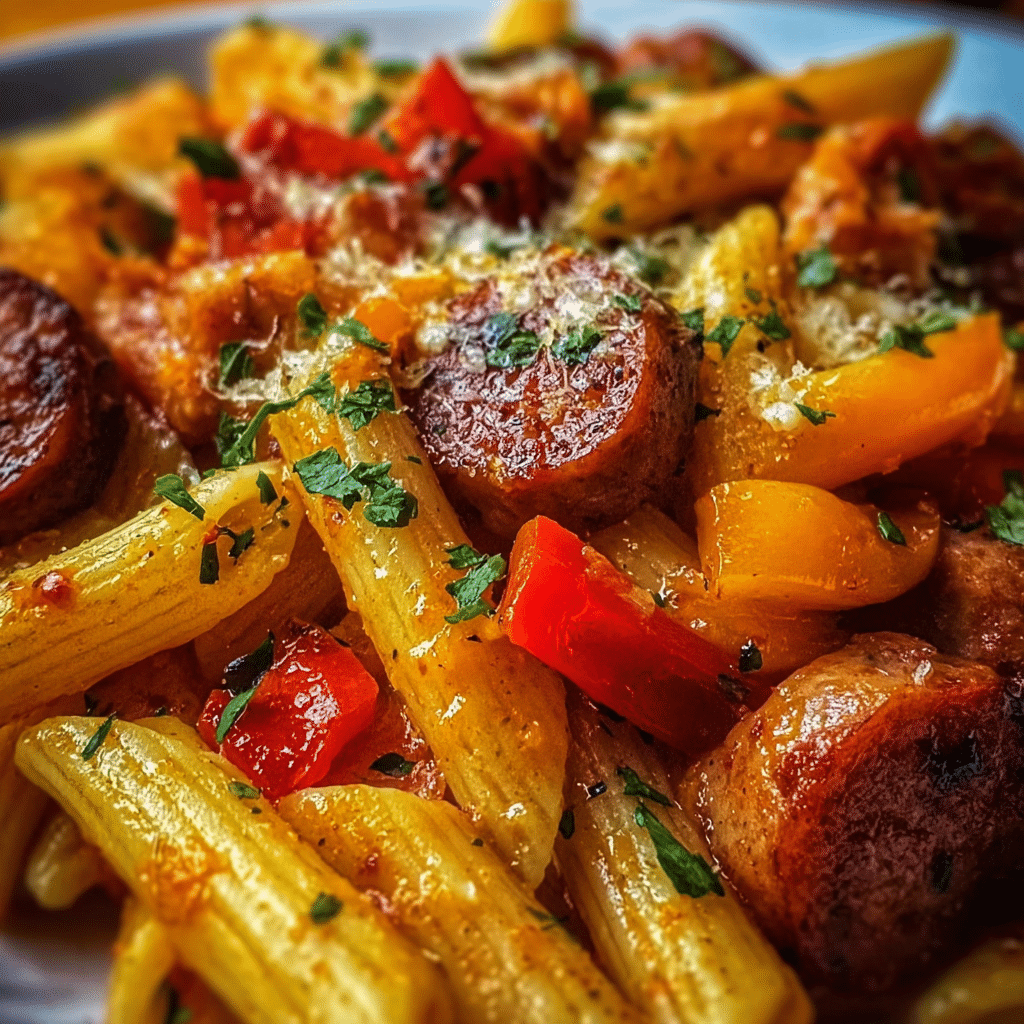
When serving your sweet pepper sausage pasta, presentation can make all the difference. Start with a clean, white plate to let the vibrant colors of the dish shine. Twirl the pasta into a nest shape in the center of the plate, allowing the sausage and peppers to cascade over the top. Garnish with freshly chopped parsley or basil for a pop of color and a fresh aroma.
Consider pairing your dish with a light, crisp salad or roasted vegetables to contrast the richness of the pasta. For a touch of elegance, a drizzle of high-quality olive oil or balsamic glaze can elevate the visual appeal and add flavor.
Wine and Beverage Pairings
Pairing your sweet pepper sausage dish with the right beverage can enhance the dining experience. A medium-bodied red wine, such as Chianti or Merlot, complements the savory flavors of the sausage while balancing the sweetness of the peppers. If you prefer white wine, a Sauvignon Blanc or Pinot Grigio, with their acidity and crispness, can be a refreshing choice that cuts through the richness of the dish.
For non-alcoholic options, consider serving sparkling water with a twist of lemon or an herbal iced tea. These beverages can cleanse the palate and provide a refreshing contrast to the hearty pasta dish.
In conclusion, mastering the art of cooking with sweet pepper sausage involves understanding techniques, troubleshooting potential issues, and presenting your dish in a way that is both appealing and appetizing. With these professional insights, you’re well on your way to creating delicious and memorable meals.
Creative Variations and Adaptations of sweet pepper sausage
When it comes to cooking, creativity knows no bounds, especially with a versatile ingredient like sweet pepper sausage. In this section, we’ll delve into creative variations and adaptations that can breathe new life into your culinary repertoire. Whether you’re looking to cater to seasonal ingredients or dietary needs, there’s a delightful twist for everyone.
Seasonal Variations
One of the joys of cooking with sweet pepper sausage is its adaptability to seasonal ingredients. In the fall, for example, consider incorporating roasted butternut squash or pumpkin puree for a creamy, autumn-inspired pasta. The sweetness of the squash beautifully complements the sausage and peppers, creating a comforting dish perfect for chilly evenings.
During the summer months, fresh garden vegetables can take center stage. Swap out classic pasta for zucchini noodles or spaghetti squash, and add in fresh tomatoes, basil, and corn. The bright flavors of summer produce will shine through, making for a light and refreshing meal that celebrates the season’s bounty.
Dietary Adaptations
For those following specific dietary guidelines, adapting your sweet pepper sausage dish is easier than you might think. If you’re on a keto diet, consider using cauliflower rice instead of traditional pasta. This low-carb alternative pairs perfectly with the sausage and peppers, providing a satisfying meal without the extra carbs.
For a vegan version, look for plant-based sausage options that mimic the flavors of traditional sausage. You can sauté these with sweet peppers, onions, and garlic for a dish that is both hearty and satisfying. Additionally, using gluten-free pasta can make this dish accessible to those with gluten sensitivities while still maintaining the delicious flavors.
Creative Twists
Don’t be afraid to experiment with different cooking methods and flavor profiles. Consider making a sweet pepper sausage casserole by layering cooked pasta with sausage, peppers, cheese, and a creamy sauce, then baking until golden and bubbly. This dish is not only comforting but also a perfect option for meal prep, as it can be made in advance and reheated for busy weeknights.
Alternatively, take your dish in an international direction by incorporating flavors from cuisines around the world. For a Mexican-inspired twist, add black beans, corn, and a sprinkle of cumin to your sweet pepper sausage pasta. Top it with avocado and cilantro for a fresh finish.
Lastly, leftover transformations can be a fun way to get creative in the kitchen. If you have leftover sweet pepper sausage pasta, try using it as a filling for stuffed peppers or as a topping for a homemade pizza. The possibilities are endless, and these transformations can turn a simple meal into something new and exciting.
In conclusion, the world of sweet pepper sausage is full of opportunities for creativity. By embracing seasonal ingredients, accommodating dietary needs, and experimenting with various cooking methods, you can create a stunning array of dishes that keep your meals fresh and exciting. Let your imagination run wild in the kitchen, and you’ll discover that the only limit is your creativity!
Storage, Reheating, and Meal Prep for sweet pepper sausage
When it comes to cooking, one of the most important aspects that often gets overlooked is proper storage. After whipping up a delicious meal featuring sweet pepper sausage, you want to ensure that your hard work doesn’t go to waste. Whether you’re preparing for a week of meals or simply have leftovers, knowing how to store your sweet pepper sausage pasta can make all the difference. In this guide, we’ll explore everything you need to know about storage, reheating, and meal prep strategies for your sweet pepper sausage dish.
Short-term Storage
After cooking your sweet pepper sausage pasta, the first thing you should do is let it cool down to room temperature. This is crucial because putting hot food directly into the refrigerator can raise the internal temperature of your fridge, potentially leading to food safety issues. Once cooled, you should transfer your sweet pepper sausage pasta into airtight containers. Glass containers are fantastic because they don’t absorb odors and can also go from the fridge to the microwave.
When storing in the refrigerator, your sweet pepper sausage pasta can stay fresh for about 3-5 days. It’s essential to label your containers with the date you cooked the meal. This not only helps you keep track of freshness but also reduces food waste. If you’re planning to enjoy your dish later in the week, consider portioning out individual servings. This way, you can easily heat only what you need without exposing the entire container to temperature fluctuations.
Freezing and Long-term Storage
If you want to keep your sweet pepper sausage pasta for longer than a week, freezing is the way to go. To do this, divide your pasta into meal-sized portions, ideally in containers or freezer bags that are specifically designed for freezing. Make sure to squeeze out as much air as possible from freezer bags to prevent freezer burn, which can ruin not just the taste but also the texture of your dish.
Your sweet pepper sausage pasta can be stored in the freezer for up to 2-3 months without significant loss of quality. When you’re ready to enjoy it again, the best method for thawing is to place it in the refrigerator overnight. If you’re short on time, you can also defrost it in the microwave using the defrost setting. However, be cautious, as this can sometimes lead to uneven heating and affect the texture of your sweet pepper sausage.
Reheating Best Practices
When it comes to reheating your sweet pepper sausage pasta, maintaining quality is key. The best way to reheat is on the stovetop over medium heat, adding a splash of water or broth to help revive the dish’s moisture. Stirring frequently will ensure even heating and prevent sticking. If you choose to use the microwave, cover the container with a microwave-safe lid or wrap to trap steam, which will keep your pasta from drying out.
It’s important to heat your sweet pepper sausage pasta to an internal temperature of 165°F (74°C) to ensure food safety. You can use a food thermometer for this purpose. If you’re reheating from frozen, take the time to thaw it first for the best results.
Meal prepping with sweet pepper sausage can also save you time during the week. Consider making larger batches and storing them in the refrigerator or freezer as previously discussed. This means you’ll have ready-to-eat meals at your fingertips, making it easier to stick to healthy eating habits. You can also experiment with different vegetables or pasta types during meal prep to keep your dishes exciting and nutritious.
Food safety is a significant concern when it comes to storage. Always practice the ‘first in, first out’ rule where the older meals are consumed before the newer ones. If you notice any off smells or changes in texture or color, it’s best to err on the side of caution and discard the food.
In terms of shelf life, the general rule is that cooked pasta with meat, such as your sweet pepper sausage dish, should last 3-5 days in the refrigerator and 2-3 months in the freezer. Ensuring that everything is properly sealed and stored will help maximize freshness. Remember to keep your sweet pepper sausage pasta away from foods with strong odors, as pasta can easily absorb these, altering its flavor.
In conclusion, knowing how to store, reheat, and prep your sweet pepper sausage pasta not only preserves its deliciousness but also enhances your cooking experience. With these tips in hand, you can enjoy this delightful dish over multiple meals without compromising on quality or taste.
Nutritional Benefits and Health Information
When it comes to enjoying a bowl of sweet pepper sausage pasta, most of us indulge without giving too much thought to the nutritional benefits behind the ingredients. However, understanding the nutritional profile of this dish can enhance your appreciation for it and help you make healthier choices. Let’s dive into the health benefits of sweet pepper sausage pasta and how it can fit into your dietary lifestyle.
Nutritional Profile
The star of our dish, sweet pepper sausage, is not just a flavorful ingredient but also packs a nutritional punch. Typically made from pork, chicken, or turkey, sweet pepper sausage is rich in protein, essential for muscle repair and growth. A standard serving (about 3 ounces) can contain anywhere from 15 to 20 grams of protein, depending on the meat used.
One of the standout features of sweet pepper sausage is its seasoning and the inclusion of sweet peppers, which are high in vitamins A and C. These vitamins play a crucial role in maintaining healthy skin, boosting the immune system, and promoting eye health. Additionally, the bright colors of sweet peppers indicate a rich supply of antioxidants, which help combat oxidative stress in the body.
In terms of caloric content, a serving of sweet pepper sausage pasta can range from 400 to 600 calories, depending on factors like portion size and whether you add cheese or cream sauces. This makes it a filling meal that can fit well within a balanced diet when consumed in moderation.
Health Benefits
Sweet pepper sausage pasta is a well-rounded meal that can bring several health benefits, especially when balanced with a variety of vegetables. The protein content helps keep you feeling full longer, which can aid in weight management. Incorporating whole-grain pasta can also enhance the dish’s fiber content, promoting digestive health and keeping blood sugar levels stable.
Moreover, sweet peppers are known for their anti-inflammatory properties, which can contribute to overall health by reducing the risk of chronic illnesses. The healthy fats that might be included, especially if you use olive oil in your preparation, can help in the absorption of fat-soluble vitamins and provide essential fatty acids beneficial for heart health.
Dietary Considerations
When considering dietary restrictions, sweet pepper sausage pasta can be easily modified to fit various needs. For those watching their caloric intake, using turkey sausage or plant-based sausage can reduce fat content while still delivering flavor. Gluten-free pasta options are also readily available for those with gluten sensitivities, and they can be paired with the same delicious sweet pepper sausage for a satisfying meal.
Allergen information is essential to consider as well. If you have nut allergies, ensure your sweet pepper sausage does not contain any nut-based fillers. Additionally, some sausages may contain dairy, so always check the label if you’re lactose intolerant or following a dairy-free diet.
For those following specific diet plans such as Keto or Paleo, sweet pepper sausage can fit seamlessly into these lifestyles. By adjusting the type of pasta you use and focusing on the sausage and vegetable components, this dish can easily align with low-carb or whole-food approaches.
In summary, sweet pepper sausage pasta is not just a delightful dish; it’s also a nutritious option that can be tailored to fit a variety of dietary preferences. From its protein-rich sausage and vibrant veggies to its potential for healthy modifications, this meal can be both indulgent and healthful. So next time you whip up a batch of sweet pepper sausage pasta, take a moment to appreciate the nutritional benefits that come along with it. After all, good food nourishes both the body and the soul.