Taco pasta salad is a delightful fusion dish that brings together the vibrant flavors of Mexican cuisine and the comfort of a classic pasta salad. I stumbled upon this recipe during one of those hectic weeknights when the kids were clamoring for something tasty and filling, yet I was short on time. I remember flipping through a well-worn cookbook while my children were busy with their homework. As I glanced at the colorful photos, my eyes landed on the taco pasta salad—its bright hues of tomatoes, lettuce, and cheese made my mouth water instantly. That night, I decided to give it a try, and little did I know it would become a beloved staple in our home.
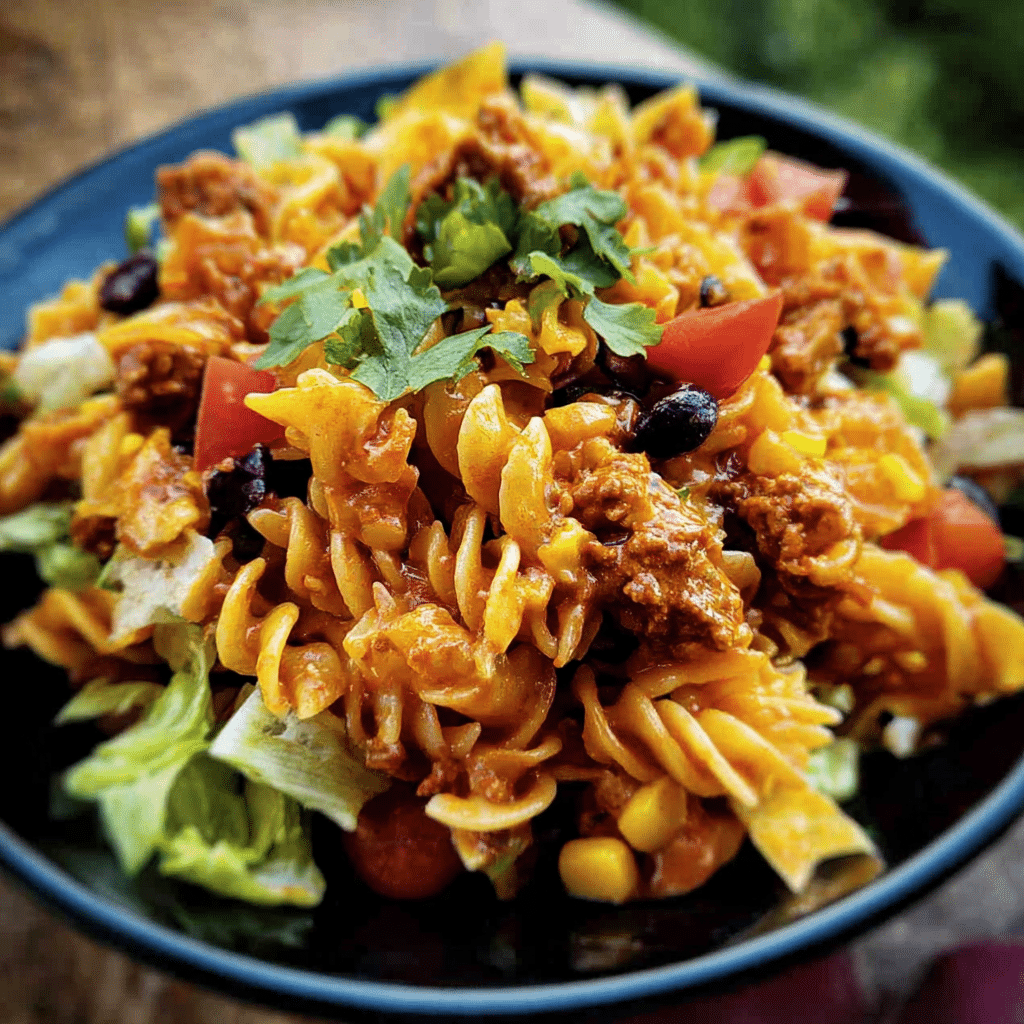
The first bite was a revelation! The combination of al dente pasta, seasoned ground beef, crisp vegetables, and a zesty dressing created a symphony of flavors that danced on my taste buds. My kids loved it, and I felt a sense of accomplishment knowing that I had created something they enjoyed that was also quick to prepare. Since then, taco pasta salad has not only become a weekly meal but also a dish that brings back fond memories of family dinners filled with laughter and chatter.
The Story Behind This Recipe
The origins of taco pasta salad are somewhat murky, as it seems to have emerged from the blending of American and Mexican culinary traditions. Pasta salads have long been a staple in American cooking, often featuring a variety of ingredients from seasonal vegetables to proteins. The addition of taco-inspired elements—such as seasoned meat, cheese, and fresh toppings—adds a unique twist that sets this dish apart from traditional pasta salads. It’s a beautiful example of how cuisines can evolve and merge, creating something entirely new.
What makes taco pasta salad exceptionally special is its versatility. You can customize it to fit your family’s preferences or dietary restrictions. Whether you’re a meat lover, vegetarian, or even vegan, there’s a way to adapt this recipe to suit your needs. This flexibility has made it a go-to dish in our household, especially during the busy school year when time is of the essence.
Why You’ll Love This Dish
Taco pasta salad is perfect for busy families looking for quick dinner solutions. With its straightforward preparation and minimal cooking time, you can whip up this delightful meal in under 30 minutes. It’s also a fantastic make-ahead dish; you can prepare it in advance and store it in the fridge, making it an excellent option for picnics, potlucks, or casual get-togethers. The flavors meld beautifully as it sits, allowing you to enjoy a dish that tastes even better the next day.
Seasonally, taco pasta salad shines in the warmer months when fresh vegetables are abundant. It’s the kind of dish that begs to be served at summer barbecues, backyard parties, or even just a relaxing family dinner on the patio. The bright colors and fresh ingredients make it visually appealing, and it’s an excellent way to encourage kids to eat their veggies without them even realizing it!
On a more personal note, taco pasta salad holds a special emotional connection for me. It represents the chaotic yet joyful moments of family life. It’s the meal that has seen us through countless busy evenings, homework sessions, and the occasional family movie night. Each time I prepare it, I’m reminded of the laughter shared around the table and the stories exchanged over hearty servings of this delicious dish.
In this guide, you’re going to learn everything you need to know about taco pasta salad—from its origins and variations to tips for making it your own. You’ll discover how to customize it with different proteins, dressings, and toppings, ensuring it becomes a versatile addition to your culinary repertoire. So, gather your ingredients and let’s dive into the scrumptious world of taco pasta salad!
The Rich History and Cultural Significance of taco pasta salad
The rich history and cultural significance of taco pasta salad reflect the beautiful interplay of culinary traditions that have evolved over time. This dish is a testament to how flavors from different regions can come together to create something uniquely delicious. Taco pasta salad, while a relatively modern invention, taps into the deep-rooted love for both pasta salads and taco ingredients, blending them seamlessly into a dish that resonates with many.
Origins and History
The roots of taco pasta salad can be traced back to the rise of American-Mexican cuisine in the late 20th century. As Mexican food gained immense popularity across the United States, creative cooks began to explore ways to incorporate traditional ingredients into familiar formats. Pasta salads were a common choice at potlucks and gatherings, so it was only natural for home cooks to experiment with taco-inspired flavors in this beloved dish.
While precise origins are hard to pinpoint, the combination of pasta, seasoned meat, and fresh vegetables reflects a broader trend in cooking that embraces fusion meals. The dish likely gained traction in the 1980s and 1990s, paralleling the taco craze that swept through American dining culture. Today, taco pasta salad is celebrated for its refreshing taste and hearty ingredients, making it a favorite among families and gatherings.
Cultural Significance
Taco pasta salad serves as a cultural bridge, bringing together families and friends through shared meals. It’s not just a dish; it’s a conversation starter at parties and celebrations. You’ll often find it at summer barbecues, potlucks, and family reunions, where people gather to enjoy good food and great company. The dish has evolved to reflect regional preferences, with variations that incorporate local ingredients or family traditions.
In many cultures, food is a central part of social gatherings, and taco pasta salad exemplifies that beautifully. It embodies the idea of sharing and community, inviting everyone to dig in and enjoy. Some families have even passed down their own versions of the recipe, each adding a personal touch that makes it special to them. This evolution is a reminder of how food connects us across generations and cultures.
Nutritional Benefits
In addition to its cultural significance, taco pasta salad also offers various nutritional benefits. The base of the salad—pasta—provides carbohydrates that are essential for energy, while the inclusion of lean proteins, such as ground turkey or chicken, contributes to muscle maintenance and overall health. The fresh vegetables, such as bell peppers, tomatoes, and lettuce, add vital vitamins and minerals, making it a well-rounded dish.
Moreover, taco pasta salad can be tailored to suit various dietary needs. For those seeking a lighter option, whole grain or gluten-free pasta can be used, and substituting beans for meat caters to vegetarian or vegan diets. By incorporating a variety of ingredients, you can ensure that this dish is not only delicious but also a healthy meal choice for your family.
In conclusion, taco pasta salad is more than just a meal; it’s a celebration of flavors, cultures, and the joy of sharing food with loved ones. Its rich history and significance in American dining culture showcase how a simple dish can bring people together, making it a cherished recipe in kitchens across the nation. As you explore this delightful dish, remember that every bite carries the essence of community, creativity, and the love of cooking.
Essential Ingredients for Perfect taco pasta salad
When it comes to creating a delicious taco pasta salad, the ingredients you choose can elevate your dish from ordinary to extraordinary. The right combination of flavors, colors, and textures not only makes your salad visually appealing but also tantalizes your taste buds. Let’s dive into the essential ingredients for the perfect taco pasta salad, and I’ll share some personal insights on why each element is crucial.
Essential Ingredients
Here’s a complete list of the ingredients you’ll need for an unforgettable taco pasta salad:
- 1 pound ground beef
- 2 tablespoons taco seasoning
- 8 ounces rotini pasta, cooked al dente according to package instructions
- 1 medium jalapeño pepper, seeded, finely diced
- 1 medium Roma tomato, finely diced
- 1 can (15.25 ounces) corn kernels, drained
- ½ cup (74.5 g) red bell pepper, finely diced
- ½ cup (80 g) yellow onion, diced
- 2 cups (226 g) mild cheddar cheese, shredded
- 1 cup (272 g) Catalina dressing
- 1 bag (9.25 ounces) Nacho Doritos, slightly crushed, reserving a few for topping
- diced iceberg lettuce, optional for garnish
Taco Pasta Salad
Ingredients
- 1 pound ground beef
- 2 tablespoons taco seasoning
- 8 ounces rotini pasta, cooked al dente according to package instructions
- 1 medium jalapeño pepper, seeded, finely diced
- 1 medium Roma tomato, finely diced
- 1 can (15.25 ounces) corn kernels, drained
- ½ cup (74.5 g) red bell pepper, finely diced
- ½ cup (80 g) yellow onion, diced
- 2 cups (226 g) mild cheddar cheese, shredded
- 1 cup (272 g) Catalina dressing
- 1 bag (9.25 ounces) Nacho Doritos, slightly crushed, reserving a few for topping
- diced iceberg lettuce, optional for garnish
Instructions
- In a large skillet over medium heat, cook ground beef until no longer pink (8-10 minutes).
- Add taco seasoning, stirring to combine. Set the meat aside.
- In a large bowl combine cooked pasta, jalapeño pepper, tomatoes, corn, red bell pepper, onion, cheese, taco meat, and Catalina dressing.
- When ready to serve, add Doritos, tossing to combine.
- Serve garnished with extra Doritos and chopped lettuce (optional).
Let’s explore the importance of each ingredient in detail:
Ground Beef: Ground beef forms the protein base of the taco pasta salad. It brings a hearty element that balances the other ingredients. When selecting ground beef, look for a mix with 80-85% lean meat to ensure flavor without excessive grease. If you’re looking for a healthier option, consider using ground turkey or chicken.
Taco Seasoning: This blend of spices infuses the ground beef with classic taco flavors. You can use store-bought seasoning or make your own using chili powder, cumin, garlic powder, onion powder, paprika, and salt. Freshly made taco seasoning can enhance the overall taste, allowing you to control the spice level.
Rotini Pasta: The pasta adds a delightful texture and serves as a base for the salad. Rotini is perfect for holding onto the dressing and the flavors of the taco seasoning. Cook it al dente to prevent it from becoming mushy when mixed with the other ingredients.
Jalapeño Pepper: For those who enjoy a little heat, jalapeño adds a spicy kick. Be sure to seed and finely dice it to distribute the heat evenly throughout the salad. If you prefer a milder flavor, you can substitute it with a bell pepper or omit it altogether.
Roma Tomato: Fresh tomatoes provide juiciness and a burst of color. Roma tomatoes are ideal for salads due to their firm texture. Look for tomatoes that are bright and have a slight give when squeezed, indicating ripeness.
Corn Kernels: Canned corn adds sweetness and crunch. Drain it well before adding to avoid excess moisture. If you prefer fresh corn, you can cut it off the cob and briefly cook it for added sweetness and flavor.
Red Bell Pepper: This ingredient not only adds color but also a sweet, crunchy texture. Choose firm peppers with vibrant skin, and avoid any with soft spots or wrinkles.
Yellow Onion: Diced yellow onion adds a savory depth to the salad. If raw onion is too strong for your taste, consider soaking it in cold water for 10 minutes to mellow its flavor.
Mild Cheddar Cheese: Shredded cheese provides creaminess and richness. Opt for freshly grated cheese when possible, as it melts better and has a more robust flavor compared to pre-packaged options.
Catalina Dressing: This sweet and tangy dressing ties all the flavors together. If you’re looking for a lighter option, consider using a vinaigrette or a yogurt-based dressing. Dressings can be homemade as well, allowing for customization.
Nacho Doritos: Crushed Doritos add a delightful crunch and enhance the taco-inspired flavor profile. The nacho cheese flavor pairs perfectly with the other ingredients, making it a fun addition that kids and adults alike will love.
Iceberg Lettuce: While optional, diced iceberg lettuce adds freshness and a crisp texture that balances the richness of the cheese and beef. Look for heads with tightly packed leaves, and avoid any that appear wilted or discolored.
Shopping Tips
When shopping for these ingredients, freshness is key. Visit local farmers’ markets for produce to ensure quality and seasonal availability. For ground beef, consider buying from a butcher or a reputable grocery store. If you prefer organic, look for USDA-certified options, especially for vegetables and meats, to avoid pesticides and antibiotics.
Substitutions and Alternatives
If you have dietary restrictions or preferences, there are plenty of substitutions available. For a vegetarian version, swap the ground beef for black beans or lentils. Vegan cheese can also be used to replace the cheddar. If you’re avoiding gluten, use gluten-free pasta and ensure all dressings and seasonings are certified gluten-free. These tweaks can help accommodate various dietary needs without sacrificing flavor.
In conclusion, the ingredients of taco pasta salad not only define the dish but also contribute to its overall experience. By selecting the best ingredients and understanding their roles, you’ll create a taco pasta salad that is not only delicious but also memorable. Happy cooking!
Detailed Step-by-Step taco pasta salad Cooking Instructions
Now that we’ve covered the essential ingredients for a fantastic taco pasta salad, let’s dive into the step-by-step instructions to bring this dish to life. The process is straightforward and fun, making it an excellent choice for gatherings or a quick weeknight dinner. With a little preparation, you’ll have this vibrant salad ready in about 30 minutes!
Preparation Steps
- Gather Your Ingredients: Before you start cooking, gather all your ingredients and equipment. This will make your cooking experience smoother and more enjoyable. You’ll need a large pot for boiling pasta, a skillet for the ground beef, and a large mixing bowl for assembling the salad.
- Cook the Pasta: Bring a pot of salted water to a boil. Add the rotini pasta and cook according to the package instructions until al dente. This usually takes about 8-10 minutes. Stir occasionally to prevent sticking. Once cooked, drain and rinse the pasta under cold water to stop the cooking process and cool it down.
- Prepare the Vegetables: While the pasta is cooking, take this time to prepare your vegetables. Dice the jalapeño, Roma tomato, red bell pepper, and yellow onion into small, uniform pieces. This not only ensures an even distribution of flavors but also makes for a more appealing presentation.
- Cook the Ground Beef: In a skillet over medium heat, add the ground beef. Use a wooden spoon or spatula to break it apart as it cooks. Once it’s browned and cooked through (about 5-7 minutes), drain any excess grease. Then, sprinkle the taco seasoning over the beef and add a couple of tablespoons of water. Stir until the beef is evenly coated and the seasoning is fragrant. This usually takes about 2-3 minutes. Set aside to cool slightly.
- Combine Ingredients: In a large mixing bowl, combine the cooked rotini pasta, seasoned ground beef, diced jalapeño, Roma tomato, corn, red bell pepper, yellow onion, and shredded cheddar cheese. Toss gently to mix everything evenly.
Cooking Process
- Add the Dressing: Pour the Catalina dressing over the mixed ingredients. Start with about three-quarters of the dressing, and toss gently to combine. The dressing should coat the pasta and vegetables without making it too soggy. You can always add more dressing later if needed, so it’s best to start conservatively.
- Incorporate the Doritos: Gently fold in the slightly crushed Nacho Doritos, reserving a few for garnish. The Doritos will add a delightful crunch, so be careful not to crush them too finely at this stage. This step is where the fun really begins, as you get to enjoy the texture contrast.
- Taste and Adjust: Give your taco pasta salad a taste test! This is the moment to adjust the flavors. If you feel it needs more zing, consider adding a splash of lime juice or an extra sprinkle of taco seasoning. If it’s too thick, a little more dressing can help loosen it up.
Final Assembly
- Chill if Desired: Taco pasta salad can be served immediately, but if you have time, let it chill in the refrigerator for about 30 minutes. This allows the flavors to meld beautifully. If you do this, cover the salad tightly to prevent it from drying out.
- Serve and Garnish: When ready to serve, scoop the salad into bowls or a large serving platter. Top with the reserved crushed Doritos for a final crunch and sprinkle diced iceberg lettuce on top for freshness. This garnish not only looks appealing but also adds a refreshing crunch that balances the richness of the cheese and beef.
- Enjoy! Gather your friends and family around the table, and enjoy this delightful taco pasta salad together. It’s a fantastic dish for potlucks, BBQs, or simply a fun meal at home. Remember, the best part of cooking is sharing your creations with loved ones!
Throughout this process, keep an eye on timing. Since you’re multitasking—cooking the pasta while browning the beef—it’s essential to stay organized. Mise en place, or having everything in its place, will help streamline your cooking experience and reduce stress.
In conclusion, making taco pasta salad is not just about following a recipe; it’s about enjoying the process and creating something delicious to share. With these detailed instructions, you’ll be well-equipped to whip up this crowd-pleaser in no time. Happy cooking, and enjoy every bite of your taco pasta salad!
Professional Tips and Techniques for taco pasta salad
Creating a delicious taco pasta salad is not just about throwing together some ingredients; it’s about understanding the nuances of flavors, textures, and preparation techniques. With a few professional tips and techniques, you can elevate your taco pasta salad from ordinary to extraordinary. Whether you’re a novice cook or an experienced chef, these insights will help you craft a dish that everyone will rave about.
Professional Techniques
One of the most significant aspects of making a taco pasta salad is the pasta itself. Choosing the right type of pasta is crucial. I often opt for rotini or fusilli because their spirals hold onto the dressing and the taco flavors exceptionally well. Make sure to cook the pasta just until al dente. Overcooked pasta can lead to a mushy salad, which no one enjoys.
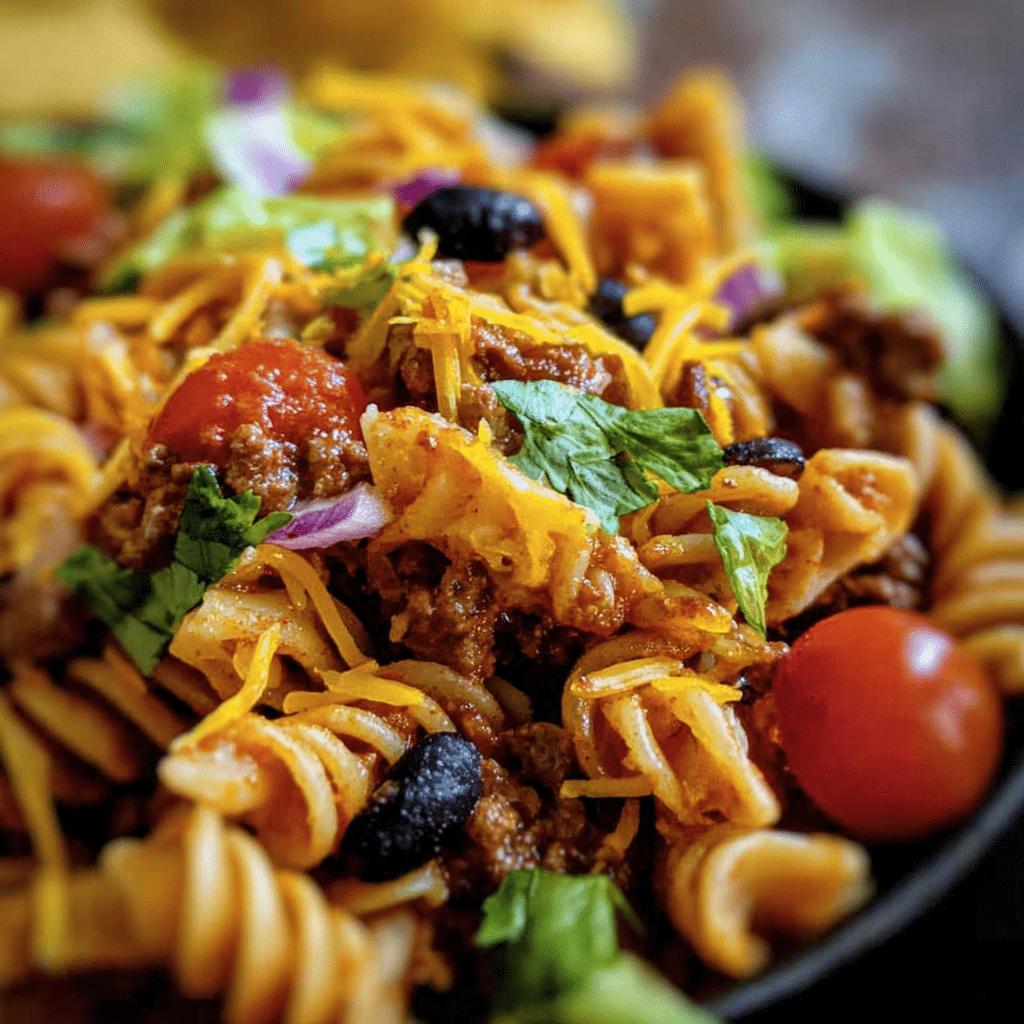
When it comes to flavor, seasoning your pasta water is key. Just like you would season water for cooking vegetables, adding salt to the pasta water enhances the flavor of the pasta itself. I usually add a generous pinch of salt to the boiling water before adding the pasta. This is a small step that makes a big difference!
Another insider secret is to let your taco pasta salad chill in the refrigerator for at least an hour before serving. This allows the flavors to meld together beautifully. If you can prepare it the night before, even better! The longer it sits, the more delicious it becomes. Just be sure to give it a good stir before serving, as the dressing may settle at the bottom.
Troubleshooting Guide
Even the best chefs encounter challenges. If you find your taco pasta salad is too dry, don’t panic! A drizzle of extra dressing or a splash of lime juice can bring it back to life. Conversely, if it’s too soggy, consider adding more ingredients to absorb the excess dressing, such as additional avocado or beans.
Another common issue is the balance of flavors. If it tastes too salty, a squeeze of fresh lime can brighten it up and cut through the saltiness. If it lacks flavor, try incorporating additional spices or fresh herbs. Fresh cilantro, in particular, can elevate the dish to new heights.
For those who might be cooking for a crowd, scaling the recipe up can be challenging. As a general rule, for every additional person, you can add about 1 cup of pasta and ½ cup of each of the other ingredients. This way, you maintain the balance of flavors while serving larger portions.
Presentation Tips
Presentation is everything when it comes to food. A well-presented taco pasta salad not only tastes great but looks inviting. To enhance the visual appeal, consider serving the salad in a large, clear glass bowl to showcase the vibrant colors of the ingredients. You can also layer the salad, starting with the pasta at the bottom, followed by beans, corn, diced tomatoes, and cheese on top. This not only looks stunning but also allows guests to serve themselves easily.
Dressing the salad can also add to the presentation. Drizzle some extra taco dressing over the top just before serving for a fresh look. You can also garnish with fresh cilantro or lime wedges for a pop of color. If you’re feeling adventurous, sprinkle some crushed tortilla chips on top for added crunch and an appealing contrast in texture.
As for beverage pairings, a taco pasta salad goes wonderfully with a crisp, chilled white wine like Sauvignon Blanc or a light beer. If you’re hosting a gathering, consider serving a refreshing margarita for a festive touch. The key is to complement the flavors of the salad while providing a refreshing contrast.
In conclusion, mastering the art of taco pasta salad involves understanding cooking techniques, troubleshooting potential issues, and presenting your dish beautifully. With these professional tips and techniques, you’ll be well on your way to impressing your family and friends with a dish that tastes as good as it looks.
Creative Variations and Adaptations of taco pasta salad
While the classic taco pasta salad is a fan favorite, don’t be afraid to experiment! There are countless creative variations and adaptations to make this dish uniquely yours. From seasonal swaps to dietary modifications, let’s dive into the exciting world of taco pasta salad variations.
Seasonal Variations
One of the joys of cooking is adapting recipes to the seasons. For a summer twist, consider incorporating fresh corn and ripe tomatoes. These ingredients burst with flavor and add a refreshing crunch. In the fall, you might swap out traditional lettuce for roasted butternut squash, giving the dish a warm, comforting feel. You can also add roasted peppers for an earthy flavor, enhancing the overall taste profile.
Winter calls for heartier ingredients. Think about adding roasted Brussels sprouts or even some shredded kale for a nutritious punch. In the spring, fresh herbs like chives or dill can be introduced to lighten the dish and offer a vibrant flavor. Adapting your taco pasta salad to seasonal ingredients not only keeps it fresh but also allows you to enjoy the best flavors of each season.
Dietary Adaptations
In today’s world, many of us have dietary restrictions or preferences, and the taco pasta salad is exceptionally versatile. For those following a keto diet, you can replace traditional pasta with zucchini noodles or cauliflower rice. Not only does this lower the carb content, but it also provides a unique texture and flavor that pairs beautifully with the taco seasoning.
For a vegan option, simply substitute the cheese with a dairy-free alternative or leave it out altogether. You can add in more beans or even avocado for creaminess. If you’re gluten-free, using gluten-free pasta or quinoa is an excellent way to keep the dish inclusive without sacrificing flavor.
Creative Twists
Don’t be afraid to get creative with your taco pasta salad! One of my favorite twists is to add different proteins to the mix. Grilled chicken, shrimp, or even spicy chorizo can elevate the dish and provide a heartier meal. If you’re feeling adventurous, consider adding a touch of chipotle in adobo for a smoky kick or some pineapple for a sweet contrast to the savory flavors.
Another exciting variation is to infuse a bit of international flair. Try a Mediterranean taco pasta salad by incorporating olives, feta cheese, and a balsamic vinaigrette. The possibilities are endless! You could even create a Thai-inspired version by adding peanut sauce and shredded carrots for a crunchy texture.
Leftover taco pasta salad is another fantastic opportunity for creativity. If you have some left, consider transforming it into a filling for burritos or wraps. You can also mix it into an omelet for a delightful breakfast option. The key is to think outside the box and use what you have on hand.
In summary, the taco pasta salad is an incredibly adaptable dish that can be tailored to fit any taste, season, or dietary need. By exploring seasonal variations, incorporating dietary adaptations, and adding creative twists, you can keep this dish exciting and fresh. So go ahead, let your imagination run wild and make this salad your own!
Storage, Reheating, and Meal Prep for taco pasta salad
When it comes to preparing a delicious taco pasta salad, you might find yourself with leftovers or planning to make it ahead of time for a party or meal prep. Understanding how to properly store, reheat, and meal prep taco pasta salad can significantly enhance your dining experience while also ensuring food safety. Let’s dive into the best practices for storing this flavorful dish, so you can enjoy it fresh and tasty for days to come.
Short-term Storage
After you’ve whipped up a hearty batch of taco pasta salad, you’ll want to ensure it stays fresh in the refrigerator. The first step to proper short-term storage is to choose the right container. Opt for airtight containers that are BPA-free to keep your salad at its best. Glass containers work wonders, as they don’t stain and can be easily reheated, while plastic containers with tight-fitting lids are also a great option if you’re looking for something lightweight.
Before placing your taco pasta salad in the refrigerator, let it cool to room temperature. This is crucial because putting warm food directly into the fridge can raise the overall temperature inside, potentially leading to bacterial growth. Once cooled, transfer your taco pasta salad into your chosen container, leaving a little bit of space at the top to allow for any expansion as ingredients settle. Seal the container tightly to keep out moisture and other odors from the fridge.
For optimal freshness, taco pasta salad can be stored in the refrigerator for up to 3 to 5 days. This timeframe is essential to remember, as ingredients like tomatoes and avocados can become mushy over time, impacting the texture of your salad. If you notice any signs of spoilage, such as discoloration or an off smell, it’s best to err on the side of caution and discard the salad.
Freezing and Long-term Storage
If you find yourself with a large batch of taco pasta salad or simply want to prepare ahead for future meals, freezing is an excellent option. However, it’s important to note that not all ingredients freeze well. For example, pasta can become mushy upon thawing, and fresh vegetables may lose their crunch. Therefore, when preparing to freeze your taco pasta salad, consider making a version that’s easy to freeze. You can cook the pasta separately and freeze just the taco seasoning mixture and any proteins, then mix them with fresh veggies when you’re ready to eat.
To freeze your taco pasta salad, use a freezer-safe container or heavy-duty freezer bags. If using bags, squeeze out as much air as possible to prevent freezer burn. Label the containers with the date of freezing, so you can keep track of how long it has been stored. Taco pasta salad can typically be frozen for up to 3 months, but for the best flavor and texture, aim to consume it within the first month.
When you’re ready to enjoy your frozen taco pasta salad, the best method is to thaw it in the refrigerator overnight. This slow thawing process helps maintain the integrity of the ingredients. Once thawed, give the salad a good stir and check for any needed adjustments in seasoning or freshness.
Reheating Best Practices
Reheating taco pasta salad can be tricky, especially since you want to maintain the quality of the ingredients. If you’ve stored your salad in the refrigerator, you can enjoy it cold, which is often the best way to appreciate the flavors. However, if you prefer your taco pasta salad warm, consider reheating only the portions you plan to eat. This way, the rest can stay fresh in the fridge.
To reheat, transfer your desired portion to a microwave-safe bowl. Heat it in short intervals—about 30 seconds at a time—stirring in between to ensure even heating. If you notice that it’s becoming dry, a splash of broth or water can help rehydrate the ingredients. Alternatively, you can reheat it on the stove over low heat, stirring frequently. Remember, the key is to heat it just enough to warm through without cooking the fresh ingredients.
Meal prep is another fantastic way to enjoy taco pasta salad throughout the week. By preparing individual portions in small containers, you can grab a healthy lunch on busy days. Just be mindful of how you portion out ingredients that may brown or wilt, like avocados or lettuce. Consider keeping these items separate until you’re ready to eat for the freshest experience.
In conclusion, understanding the ins and outs of storage, reheating, and meal prep for taco pasta salad not only helps you enjoy this dish to its fullest but also ensures that you’re practicing food safety. With the right techniques, you can savor your taco pasta salad at its best, whether it’s day one or day five!
Nutritional Benefits and Health Information
When it comes to eating deliciously and healthily, taco pasta salad strikes an incredible balance. Not only is it bursting with flavors, but it also offers a variety of nutritional benefits that make it a great choice for a quick meal or a hearty side dish. Let’s dive into the nutritional profile of taco pasta salad, explore the health benefits of its key ingredients, and consider any dietary considerations you might need to keep in mind.
Nutritional Profile
A typical serving of taco pasta salad is a delightful balance of carbohydrates, proteins, and healthy fats. While the exact nutritional breakdown can vary based on the specific ingredients you use, a standard serving size typically contains around 300 to 400 calories. The macronutrient distribution often breaks down to about:
- Carbohydrates: 40-50 grams
- Protein: 15-25 grams
- Fat: 10-20 grams
These numbers can fluctuate based on the type of pasta and proteins you include. For example, using whole grain pasta increases fiber content, while adding black beans or chicken boosts protein levels significantly. If you’re watching your calorie intake, adjusting the portion sizes of cheese, dressing, or high-calorie toppings can also make a difference.
Health Benefits
The variety of ingredients in taco pasta salad contributes to its health benefits. Ingredients like bell peppers, tomatoes, and onions are rich in vitamins A and C, which are essential for maintaining healthy skin and a robust immune system. Bell peppers, in particular, are known for their high antioxidant content, which can help combat inflammation in the body.
Moreover, the inclusion of beans or lean meats provides a great source of protein, which is vital for muscle repair and growth. Protein also helps keep you feeling full longer, which can be beneficial for weight management. Additionally, if you choose to incorporate avocados, you add healthy monounsaturated fats that are great for heart health.
Another important aspect of taco pasta salad is its versatility. You can easily swap in seasonal vegetables to increase the nutrient density even further. For example, adding corn in the summer or roasted zucchini in the fall can introduce new flavors and additional vitamins.
Dietary Considerations
When preparing taco pasta salad, it’s essential to consider any dietary restrictions or allergies that may affect your guests or family members. For those with gluten sensitivities, opting for gluten-free pasta made from quinoa, rice, or legumes is an excellent alternative. Moreover, if you’re vegetarian or vegan, you can replace meat with plant-based proteins like chickpeas or tempeh, which still pack a protein punch.
If you’re conscious of sodium intake, be aware of the taco seasoning and any store-bought dressings you might use, as they can often be high in salt. Homemade versions can help control this aspect and allow you to tailor the flavors to your liking.
Additionally, if you’re following a low-carb diet, consider using spiralized vegetables or cauliflower rice instead of pasta. This maintains the salad’s texture while significantly reducing the carbohydrate content.
In conclusion, taco pasta salad is not just a treat for your taste buds; it’s also a nutritious option that can fit into various dietary lifestyles. By understanding the nutritional benefits and making simple adjustments, you can enjoy this delightful dish while ensuring it meets your health goals. Whether you’re serving it at a potluck or preparing it for a weekly meal prep, taco pasta salad is sure to please and nourish!
Conclusion: Mastering the Perfect taco pasta salad
Creating the perfect taco pasta salad is more than just following a recipe—it’s about understanding the techniques, ingredients, and cultural significance behind this beloved dish. Throughout this comprehensive guide, we’ve explored everything from the historical origins to modern variations, ensuring you have all the knowledge needed to make this recipe your own.
Whether you’re a beginner cook or an experienced chef, the techniques and tips we’ve shared will help you create a taco pasta salad that’s not only delicious but also meaningful. Remember that cooking is a journey of discovery, and each time you make this dish, you’ll learn something new.
We encourage you to experiment with the variations we’ve discussed, adapt the recipe to your dietary needs, and most importantly, share it with the people you love. Food has the incredible power to bring people together, and Taco Pasta Salad is the perfect dish to create lasting memories around your dinner table.
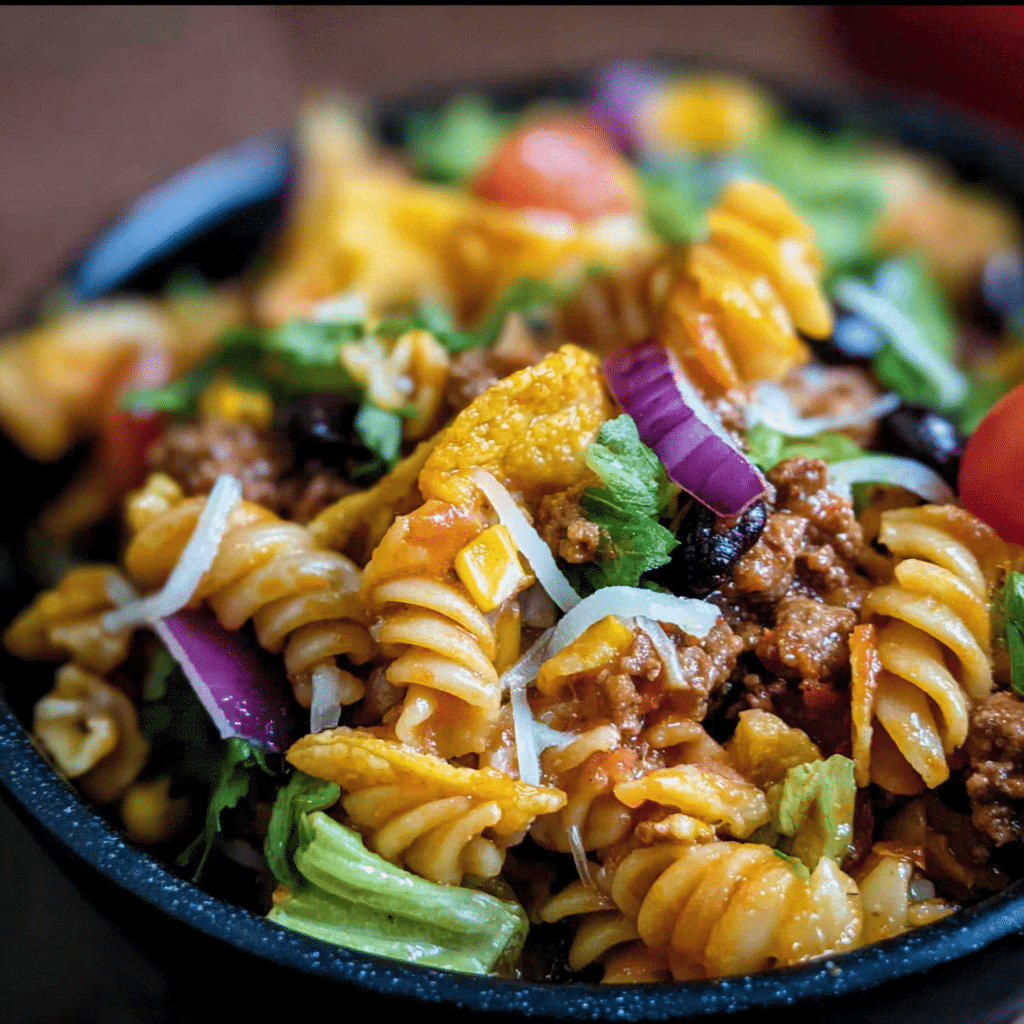
Don’t forget to share your cooking adventures with us on social media, and feel free to ask questions in the comments below. Happy cooking!
Share this recipe and let us know how it turned out! Tag us on social media for a chance to be featured.