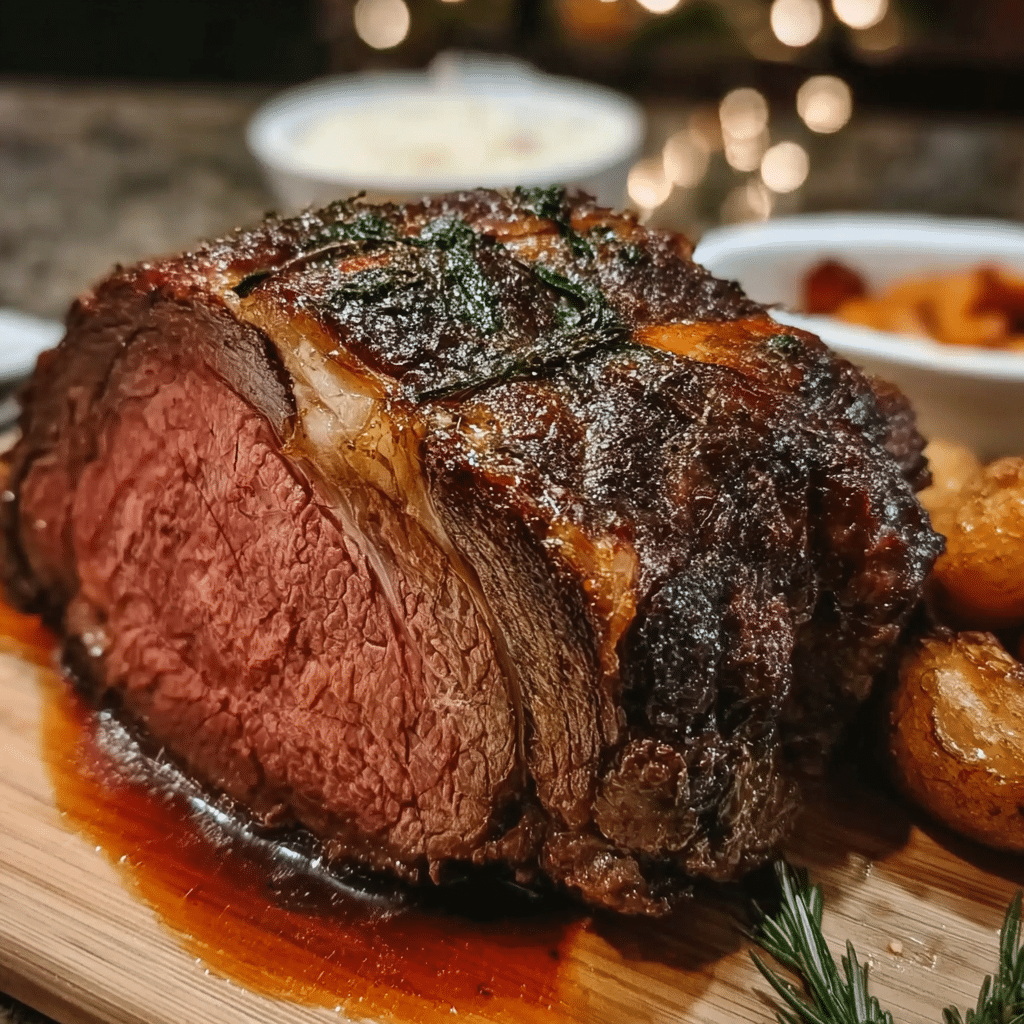
Tasty Christmas prime is more than just a meal; it’s a heartwarming experience that unites families and friends during the festive season. I still remember the first time I attempted to make prime rib for Christmas dinner. As a novice cook, I was a bundle of nerves standing in the kitchen, my family eagerly awaiting the feast. The aroma of garlic and herbs filled the air as I watched the roast gradually transform into a beautiful centerpiece. That evening, I learned that cooking is an art form, and the prime rib was not merely a dish; it was the embodiment of love, tradition, and celebration. Each bite was a reminder of the warmth of family gatherings, laughter, and the joy of sharing a special meal together.
The Story Behind This Recipe
My journey into the world of tasty Christmas prime truly began when I inherited my grandmother’s recipe book. Tucked between the pages was her handwritten note about the secret to a perfect prime rib—a blend of patience and love. As I delved deeper into her notes, I discovered not just a recipe but a legacy of culinary artistry passed down through generations. My grandmother would often prepare this dish for our Christmas celebrations, surrounded by the cheerful chaos of family and friends. The prime rib was always the star of the table, and it held stories behind its savory flavor.
What makes this recipe special is its simplicity and elegance. Unlike many complex holiday dishes that require hours of preparation, tasty Christmas prime allows busy families to create a gourmet experience with relative ease. By choosing the right cut of meat and following a few key steps, anyone can achieve that restaurant-quality flavor right at home. It’s a dish that invites you to savor each moment, especially during the hustle and bustle of the holiday season.
Why You’ll Love This Dish
As we approach the holiday season, the search for easy yet impressive recipes becomes paramount. Tasty Christmas prime is perfect for those moments when you want to serve something memorable without spending all day in the kitchen. This dish is not just about the food; it’s about the connections we forge while sharing a meal. Imagine the joy of gathering around a beautifully roasted prime rib, the laughter echoing through the dining room as everyone digs in. It becomes a shared experience, a moment suspended in time, and the memories created are the true essence of the holidays.
The seasonal relevance of prime rib cannot be overstated. Traditionally served during Christmas, this dish is steeped in the celebration of abundance and gratitude. It symbolizes warmth and togetherness, making it the perfect addition to any festive table. Whether you’re hosting a large family gathering or a cozy dinner with friends, the prime rib has a way of elevating the occasion, filling it with joy and merriment.
In this guide, you will learn everything there is to know about preparing a tasty Christmas prime. From selecting the right cut to mastering the cooking technique, you’ll find tips and tricks that will make you the star of your holiday gathering. I promise to share not only the recipe but also the rich history and cultural significance behind this beloved dish. Whether you’re a seasoned chef or a kitchen rookie, you’ll find value in this comprehensive exploration of prime rib, making your Christmas celebrations unforgettable.
The Rich History and Cultural Significance of tasty christmas prime
The tasty Christmas prime we know today has roots that run deep into history, reflecting a rich tapestry of cultural significance and culinary evolution. This dish, often a centerpiece of holiday feasts, has its origins in the traditions of roasting meats, which date back to ancient times. In medieval Europe, large cuts of meat were reserved for special occasions, primarily used to showcase wealth and hospitality. The prime rib, known for its tenderness and flavor, quickly became a favorite for celebrations, especially during the winter months when hearty meals were essential for warmth and comfort.
Origins and History
The history of tasty Christmas prime is intertwined with the agricultural practices of cattle farming. The prime rib comes from the rib section of the cow and is considered one of the most succulent cuts of meat. In the 19th century, the popularity of prime rib surged, particularly in the United States, where it became a staple at holiday dinners. The dish reflects the American spirit of celebration, embodying the idea of gathering around a table laden with food to share with loved ones.
As time passed, the recipe for prime rib evolved, with various regional adaptations emerging. In some cultures, the meat is seasoned with herbs and spices unique to their culinary traditions. For instance, in the American South, a robust blend of spices might be used, while in European traditions, a more straightforward approach allows the natural flavors of the meat to shine through. These variations highlight how tasty Christmas prime can be a canvas for personal and regional expression, allowing families to put their unique spin on the classic recipe.
Cultural Significance
Across many cultures, prime rib is more than just food; it’s a symbol of celebration and community. In the United States, it is particularly popular during Christmas and New Year’s Eve, often gracing the tables of families and friends who gather to celebrate the end of the year. In the UK, a similar tradition exists with the Christmas roast, where families come together to enjoy a sumptuous meal that signifies togetherness and gratitude.
Famous chefs and restaurants have also contributed to the prime rib legacy. From upscale steakhouses to family-run diners, prime rib has earned its place on menus across the globe. Chefs have experimented with various cooking methods, including slow-roasting and smoking, which add layers of flavor and texture to the dish. This ongoing evolution keeps the dish relevant, ensuring that it remains a beloved choice for festive occasions.
Nutritional Benefits
While tasty Christmas prime is often associated with indulgence, it also offers nutritional benefits that can be appreciated during the holiday season. Prime rib is an excellent source of high-quality protein, essential for maintaining muscle mass and overall health. Additionally, it contains vital nutrients such as iron, zinc, and B vitamins, which support energy levels and immune function.
When preparing prime rib, it’s essential to consider portion sizes and balance it with healthy sides, such as roasted vegetables or a fresh salad. This approach allows families to enjoy the rich flavors of prime rib while also maintaining a nutritious diet. As we celebrate the holidays, it’s important to remember that food can nourish not just our bodies but also our relationships and traditions.
In conclusion, the tasty Christmas prime is a dish steeped in history and cultural significance. It brings people together, creating lasting memories and joyful gatherings. As you embark on your journey to create the perfect prime rib for your holiday celebrations, remember the stories and traditions that have shaped this beloved dish over the years.
Essential Ingredients for Perfect tasty christmas prime
When it comes to creating a tasty Christmas prime, the ingredients you choose are paramount. They not only affect the flavor but also the overall experience of the meal. Let’s dive deep into each component that makes this dish unforgettable. Below is a complete list of ingredients you will need, along with an explanation of their significance and tips on selecting the best versions.
Essential Ingredients
- 1 6 pound boneless prime rib roast – This is the star of the show. A prime rib roast is known for its tenderness and rich flavor, making it a popular choice for festive occasions. When selecting your roast, look for a well-marbled piece, as the fat will render during cooking, enhancing the flavor and juiciness.
- 2 tablespoons prepared horseradish – This ingredient adds a sharp, tangy kick to your prime rib. It’s important to choose fresh horseradish for the best flavor. You can find prepared horseradish in jars at most grocery stores, but make sure to check the ingredients for any added preservatives.
- 2 tablespoons Dijon mustard – This adds a layer of depth and complexity to the dish. A good Dijon mustard, especially one made with white wine, can elevate the flavors of your roast. Check for a brand that uses quality ingredients without too many additives.
- 2 teaspoons kosher salt – Salt is essential for enhancing the flavor of the meat. Kosher salt is preferred due to its larger grains, which dissolve slowly and distribute flavor evenly. Always opt for a non-iodized variety to avoid any off-flavors.
- 2 teaspoons coarsely ground black pepper – Freshly ground black pepper is crucial for adding a warm, spicy note to your roast. Use a pepper mill for the best flavor and adjust the amount according to your taste preference.
- 2 teaspoons dried thyme – Thyme complements the meat beautifully, offering an earthy aroma. If possible, use organic dried herbs for a more potent flavor, as they are often more fragrant than their conventional counterparts.
- 2 teaspoons garlic powder – Garlic powder is a convenient way to infuse your roast with flavor. However, consider using fresh minced garlic for a more robust taste, especially if you are a garlic lover.
- 2 stalks celery cut into 2-inch pieces – Celery acts as a natural flavor enhancer in the roasting pan, adding moisture and a subtle vegetable flavor to the au jus.
- 1 carrot cut into 2-inch pieces – Similar to celery, carrots add sweetness and help create a rich base for the au jus sauce.
- 1 small unpeeled onion quartered and separated – Onions provide a depth of flavor and sweetness that enhances the roast’s taste. Using them unpeeled retains their sweetness and helps build a great flavor profile in the pan.
- Au Jus Sauce – This is the perfect accompaniment for your prime rib, made from the pan drippings. It adds moisture and flavor to each slice.
- 2 teaspoons concentrated beef base paste – This ingredient intensifies the beef flavor of your sauce. Look for high-quality options that contain minimal additives.
- 1 1/2 cups water – Water is necessary for creating the au jus and helps deglaze the pan, capturing all those flavorful bits left from roasting.
- 1 teaspoon cornstarch – Cornstarch is used as a thickening agent for the au jus. It’s essential to mix it with water first to avoid clumps in your sauce.
- 1 teaspoon water – This is used to dissolve the cornstarch before adding it to the sauce.
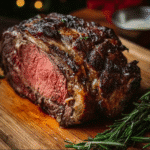
Tasty Christmas Prime Rib
Ingredients
- 1 (6 pound) boneless prime rib roast
- 2 tablespoons prepared horseradish
- 2 tablespoons Dijon mustard
- 2 teaspoons kosher salt
- 2 teaspoons coarsely ground black pepper
- 2 teaspoons dried thyme
- 2 teaspoons garlic powder
- 2 stalks celery, cut into 2-inch pieces
- 1 carrot, cut into 2-inch pieces
- 1 small unpeeled onion, quartered and separated
- Au Jus Sauce:
- 2 teaspoons concentrated beef base (paste)
- 1 ½ cups water
- 1 teaspoon cornstarch
- 1 teaspoon water
Instructions
- Gather all ingredients.
- A variety of bowls with ingredients to make Christmas prime rib.
- The day before you plan to serve the prime rib, remove roast from the package and dry thoroughly with paper towels. Set roast on a baking sheet, and place in refrigerator overnight. Remove from refrigerator 1 hour before cooking to allow beef to reach room temperature.
- Trussed prime rib on a baking sheet.
- Rub the roast all over with horseradish and Dijon mustard. Mix kosher salt, black pepper, thyme, and garlic powder together in small bowl; sprinkle over the roast.
- Trussed prime rib seasoned with horseradish and mustard on a baking dish.
- Preheat the oven to 450 degrees F (230 degrees C). Place celery, carrot, and onion into the bottom of a roasting pan; place the roast on top.
- Trussed and seasoned prime rib atop of vegetables on a baking sheet.
- Roast in the preheated oven for 30 minutes. Reduce oven temperature to 350 degrees F (175 degrees C), and roast until the meat is browned and an instant-read meat thermometer inserted into the thickest part of the roast reads 130 degrees F (54 degrees C) for medium-rare.
- A person inserting a thermometer into cooked prime rib.
- Remove from oven, transfer roast to a platter, and cover with a tent of aluminum foil. Allow to rest for 30 minutes. The temperature of the meat will rise about 10 degrees during resting time.
- Prime rib covered with foil.
- To make au jus sauce: Skim excess fat from pan drippings in the roasting pan. Place the pan over a burner set to medium heat; stir in beef base and 1 1/2 cups of water. Bring to a boil, scraping and dissolving any brown flavor bits from the bottom of the pan.
- A person deglazing a roasting pan.
- Strain out and discard vegetables. Combine cornstarch and 1 teaspoon of water in a small bowl; whisk the mixture into sauce.
- A person adding cornstarch slurry to beef broth.
- Allow sauce to thicken slightly; pour into a gravy boat and serve with roast.
- Au jus in a gravy boat.
- Serve and enjoy!
Shopping Tips
When shopping for the ingredients for your tasty Christmas prime, consider the following tips to ensure you select the best quality. First, visit your local butcher for the prime rib roast. They can offer advice on the best cuts and may even be able to prepare the roast for you. Look for bright red meat with good marbling; this is a sign of quality. For the seasonings, check the freshness date on dried herbs and spices, and opt for organic when possible, especially for items like thyme and garlic powder. Fresh vegetables should be firm and vibrant in color, avoiding any with blemishes or soft spots.
Substitutions and Alternatives
If you have dietary restrictions or simply prefer alternatives, there are several substitutions you can consider. For the prime rib roast, you might opt for a less expensive cut like a ribeye or sirloin, though the texture and flavor will differ. If you need a gluten-free option, ensure that your mustard and beef base are gluten-free. For those avoiding horseradish, a mix of mustard and a bit of lemon juice can provide a different yet enjoyable flavor profile. Additionally, feel free to substitute fresh herbs for dried ones; just remember that fresh herbs are generally more potent, so you’ll need to adjust the quantities accordingly.
Finally, make sure you store your ingredients properly to preserve their quality. Fresh vegetables should be kept in the refrigerator, while spices can be stored in a cool, dark place. If you have leftover prime rib, it can be refrigerated for up to three days or frozen for longer storage. With these tips and a solid ingredient list, you’re well on your way to creating a delicious tasty Christmas prime.
Detailed Step-by-Step tasty christmas prime Cooking Instructions
With all your ingredients ready, it’s time to transform them into a stunning tasty Christmas prime. Cooking a prime rib roast can seem daunting, but with proper preparation and attention to detail, it can be an enjoyable experience. Here, I’ll walk you through each step of the cooking process, ensuring that you achieve a perfectly cooked roast that will impress your guests.
Preparation Steps
- Gather Your Ingredients: Before you start, ensure all your ingredients are within reach. This is referred to as mise en place, a French culinary term meaning “everything in its place.” Having everything ready will make the cooking process smoother.
- Preheat the Oven: Set your oven to 450°F (232°C). Preheating is crucial as it helps create a beautiful crust on the roast.
- Season the Roast: Pat the prime rib dry with paper towels. This helps achieve a nice crust. In a small bowl, mix together the kosher salt, black pepper, garlic powder, and dried thyme. Rub this seasoning mix all over the roast, ensuring it’s well coated. This step is essential for flavor penetration.
- Prepare the Vegetables: In your roasting pan, arrange the celery, carrot, and onion. These will not only flavor the au jus but also serve as a natural rack for the roast, allowing it to cook evenly.
- Horseradish and Mustard Layer: Spread the prepared horseradish and Dijon mustard over the top of the roast. This layer adds a zesty flavor that complements the richness of the beef.
- Insert a Meat Thermometer: For best results, insert a meat thermometer into the thickest part of the roast, avoiding contact with the bone. This will help you monitor the internal temperature accurately.
Cooking Process
- Roasting the Prime Rib: Place the roast in the preheated oven and roast for 20 minutes at 450°F. This initial high temperature helps to create a crust. After 20 minutes, reduce the oven temperature to 325°F (163°C) and continue roasting until the internal temperature reaches your desired doneness—about 130°F (54°C) for medium-rare.
- Monitor the Temperature: Cooking time will vary, but a rough estimate is about 15-20 minutes per pound. For a 6-pound roast, this might take roughly 1.5 to 2 hours. Keep an eye on the thermometer to prevent overcooking.
- Resting the Meat: Once the roast reaches your desired temperature, remove it from the oven and let it rest for at least 20 minutes. Resting allows the juices to redistribute throughout the meat, ensuring a juicy final product.
Final Assembly
- Make the Au Jus: While the roast is resting, use the drippings left in the pan to make the au jus. Place the roasting pan on the stovetop over medium heat. Add the concentrated beef base paste and water, scraping up the browned bits from the bottom of the pan. Bring to a simmer.
- Thicken the Au Jus: In a small bowl, mix the cornstarch with 1 teaspoon of water until smooth. Gradually whisk this mixture into the simmering au jus, allowing it to thicken slightly. Taste and adjust the seasoning if necessary.
- Slice and Serve: Once the roast has rested, slice it against the grain into thick slices. Serve with the warm au jus drizzled over the top. This adds moisture and flavor, making each bite of your tasty Christmas prime even more delicious.
Cooking a prime rib may seem intimidating at first, but by following these steps carefully and paying attention to details, you’ll create a show-stopping centerpiece for your Christmas dinner. Enjoy the process, and don’t forget to take a moment to relish the delicious aromas filling your kitchen!
Professional Tips and Techniques for tasty christmas prime
When it comes to preparing a stunning main course for your holiday feast, nothing quite compares to a tasty Christmas prime rib. This cut of meat, with its rich marbling and robust flavor, is not only a showstopper but also a delightful centerpiece that brings family and friends together. Given my passion for holiday cooking, I’ve gathered a wealth of professional tips and techniques that can transform your prime rib from good to outstanding.
Professional Techniques
One of the most crucial aspects of cooking a tasty Christmas prime rib is achieving the perfect temperature. A digital meat thermometer is your best friend here. Aim for an internal temperature of 125°F for medium-rare. Remember, the meat will continue to cook after being removed from the oven, so it’s wise to take it out when it’s about 5°F shy of your desired doneness. This technique, known as carryover cooking, is essential for maintaining that juicy, tender quality.
Another insider secret is the importance of seasoning. Don’t shy away from using a generous amount of kosher salt and freshly cracked black pepper. Season your prime rib at least 24 hours in advance, allowing it to rest in the refrigerator. This dry brining technique draws moisture out of the meat, which then gets reabsorbed, resulting in a more flavorful and juicy roast.
If you’re feeling adventurous, consider adding a herb crust. A mixture of parsley, rosemary, thyme, and garlic can elevate the flavor profile of your tasty Christmas prime rib. Simply chop the herbs finely, mix them with olive oil, and slather them onto the meat before roasting. The aromatic blend will create a delightful crust that not only adds flavor but also enhances the visual appeal of your dish.
Troubleshooting Guide
Even experienced cooks can encounter issues while preparing a tasty Christmas prime rib. One common problem is overcooking. If you find that your roast is getting too done, try covering it loosely with foil to slow down the cooking process. On the flip side, if your prime rib isn’t browning to your liking, increase the oven temperature for the last 10-15 minutes of cooking. This will help create that coveted crust without compromising the tenderness inside.
Another hurdle can be uneven cooking. To avoid this, ensure that your prime rib is at room temperature before it goes into the oven. Let it sit out for at least an hour. This simple step can make all the difference in achieving a perfectly cooked roast.
Presentation Tips
When it comes to serving your tasty Christmas prime, presentation is key. Slice the roast against the grain to ensure tenderness in every bite. Arrange the slices on a large platter, and for an elegant touch, garnish with fresh rosemary and thyme sprigs. This not only enhances the visual appeal but also adds a fragrant touch that whets the appetite.
Consider serving your prime rib with a selection of sides that complement its rich flavor. Classic options include creamy horseradish sauce, a red wine reduction, or a light chimichurri for a refreshing contrast. A well-curated wine pairing can elevate your meal further. A bold Cabernet Sauvignon or a Malbec works beautifully with the flavors of prime rib, enhancing the overall dining experience.
For those who wish to prepare ahead, the prime rib can be cooked a day in advance. Simply reheat it in a low oven, wrapped in foil, until warmed through. This strategy not only saves time on Christmas day but also allows the flavors to meld beautifully.
In conclusion, preparing a tasty Christmas prime rib is an art that combines technique, flavor, and presentation. With these professional tips and techniques, you’ll not only impress your guests but also create cherished memories around the dinner table this holiday season.
Creative Variations and Adaptations of tasty christmas prime
While a classic tasty Christmas prime rib is a beloved holiday tradition, there are numerous creative variations and adaptations that can cater to diverse tastes and dietary preferences. This holiday season, let’s explore some exciting ways to put a unique twist on this festive centerpiece, ensuring everyone at your table can enjoy a delicious meal together.
Seasonal Variations
One of the joys of cooking is adapting recipes to highlight seasonal ingredients. For a fresh take on your tasty Christmas prime rib, consider incorporating seasonal flavors. In winter, root vegetables like carrots, parsnips, and turnips can be roasted alongside the meat. Their natural sweetness caramelizes beautifully in the oven, creating a delightful contrast to the savory richness of the prime rib.
Another idea is to use a spice rub featuring seasonal spices such as cinnamon, nutmeg, and allspice. This can add an unexpected warmth to the flavor profile, making your roast feel even more festive. Pairing your prime rib with a cranberry reduction sauce can also bring a bright, tart contrast that balances the richness of the meat.
Dietary Adaptations
With the rise of dietary restrictions and preferences, it’s essential to have options that accommodate everyone. For those following a keto or low-carb diet, consider serving the prime rib with a creamy mushroom sauce made from heavy cream and sautéed mushrooms instead of traditional gravies that may contain flour.
If you have vegan friends or family members, you can create a stunning centerpiece with a plant-based alternative. A well-seasoned and roasted cauliflower steak can mimic the look of a prime rib. Pair it with a vibrant chimichurri for a flavorful touch. This not only ensures that everyone has a main dish but also sparks interesting conversations and culinary creativity!
Creative Twists
For those looking to take their tasty Christmas prime rib to the next level, consider international fusion variations. For instance, a Korean-inspired prime rib can be marinated in a mixture of soy sauce, ginger, and sesame oil, giving it an umami-packed punch. Serve it with kimchi and rice for a unique twist on a holiday classic.
Alternatively, infuse your roast with Mediterranean flavors by using a marinade of lemon juice, garlic, and olives. This not only adds a fresh zing to the meat but also whisks your guests away on a culinary journey without leaving the comfort of your dining room!
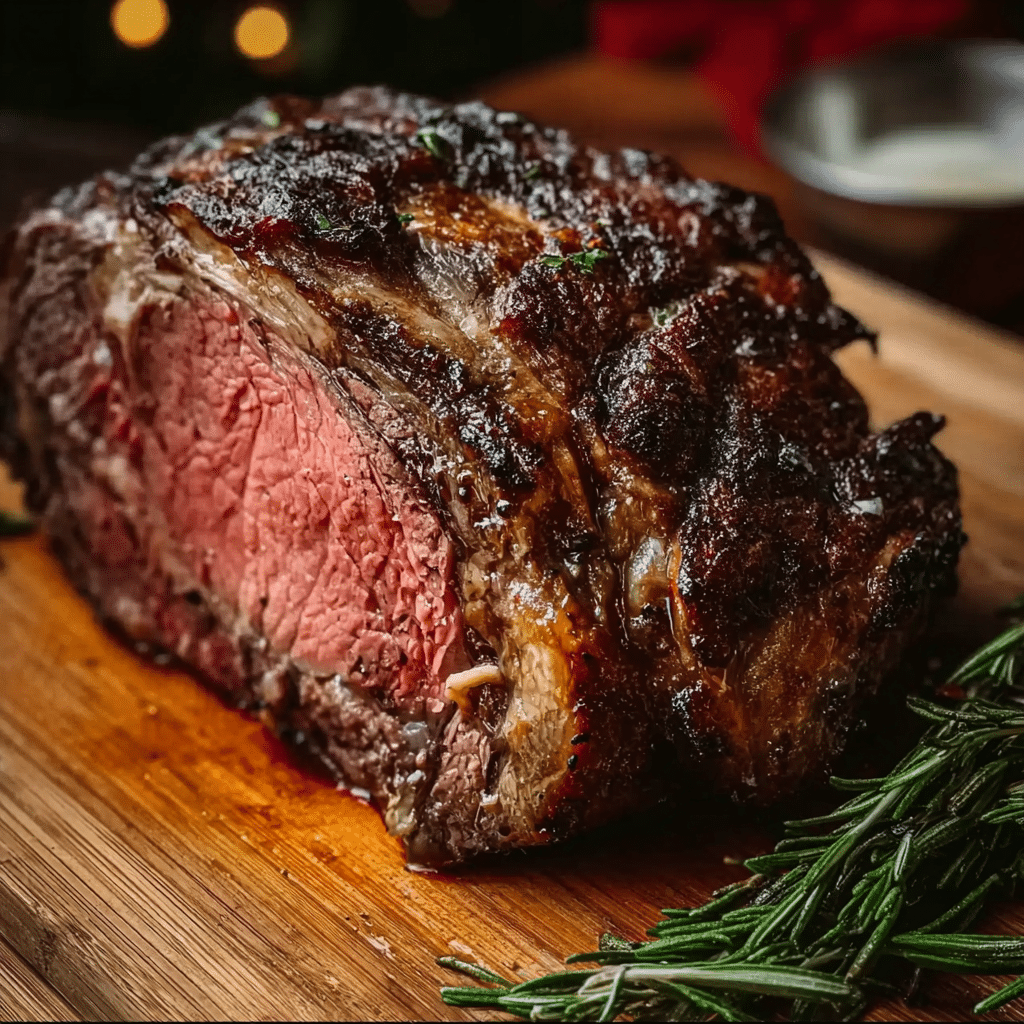
Don’t forget about the cooking methods! While the traditional oven-roasting method is classic, experimenting with different techniques can yield delicious results. Consider slow cooking your prime rib for a melt-in-your-mouth texture or using a sous-vide method to ensure perfect doneness with minimal effort. Just finish it off with a quick sear on the stovetop for an appealing crust.
Lastly, let’s talk leftovers! After the holiday feast, prime rib leftovers can be transformed into mouthwatering sandwiches, rich stews, or even tacos. Slice the meat thinly, layer it on a crusty roll with horseradish sauce, and serve it with a side of au jus for dipping. This not only minimizes waste but also extends the joy of your tasty Christmas prime rib beyond the holiday meal.
In conclusion, the variations and adaptations for a tasty Christmas prime rib are virtually limitless. By incorporating seasonal ingredients, accommodating dietary preferences, and getting creative with flavors and cooking methods, you can craft a holiday meal that is not only memorable but also inclusive and delightful for everyone at your table.
Storage, Reheating, and Meal Prep for tasty christmas prime
Storage, Reheating, and Meal Prep for Tasty Christmas Prime
When it comes to preparing a tasty Christmas prime rib, the joy doesn’t end with the last slice being served. In fact, the way you store, reheat, and prep your prime rib can make a significant difference in both flavor and safety. Having spent many Christmases perfecting my prime rib recipe, I’ve learned a thing or two about making the most of those delectable leftovers. Let’s dive into the ins and outs of storage, reheating, and meal prep strategies that will keep your prime rib tasting fresh and delicious long after the holiday festivities have ended.
Short-term Storage
When you’ve just pulled your tasty Christmas prime rib from the oven, the aroma alone is enough to make your mouth water. However, if you find yourself with leftovers, storing them correctly is paramount. First, allow the prime rib to cool to room temperature for about 30 minutes. This prevents condensation from forming inside the storage container, which can lead to sogginess.
Use airtight containers or wrap the prime rib tightly in aluminum foil. If you’re using plastic wrap, ensure it’s tightly sealed to keep air out, which can dry out the meat. If you have a vacuum sealer, this is an excellent time to use it; vacuum sealing not only extends the life of your meat but also preserves the flavors and moisture. In the refrigerator, properly stored prime rib can last up to three to four days. If you’re like me and can’t resist snacking on it, you might find it disappearing much faster!
Freezing and Long-term Storage
If you know you won’t finish your tasty Christmas prime rib within a few days, freezing is your best option for long-term storage. The key to freezing is to ensure that the meat is as fresh as possible before it hits the freezer. Wrap the rib tightly in plastic wrap, followed by aluminum foil for an extra layer of protection against freezer burn. Alternatively, vacuum sealing is the best method for freezing. This can help maintain the quality of the meat for up to six months.
When it comes time to thaw your frozen prime rib, the best practice is to move it to the refrigerator and let it thaw overnight. If you’re short on time, you can also use the cold water method. Simply submerge the tightly wrapped rib in cold water, changing the water every 30 minutes until it’s thawed. Avoid thawing at room temperature, as it can promote bacterial growth. Remember, once you’ve thawed your prime rib, it should not be refrozen without cooking it first.
Reheating Best Practices
Reheating prime rib can be a bit tricky; you want to warm it through without drying it out. One of my favorite methods is using the oven. Preheat your oven to a low temperature, around 250°F (120°C). Place the rib on a roasting pan or baking sheet and cover it with aluminum foil to retain moisture. Heat it until it reaches an internal temperature of about 130°F (54°C) for medium-rare or 140°F (60°C) for medium. This usually takes about 20-30 minutes, but be sure to keep an eye on it to avoid overcooking.
If you’re in a hurry, the microwave can do the trick, but with caution. Use a microwave-safe dish and cover it with a damp paper towel to keep moisture in. Microwave on low power in short intervals, checking frequently until heated through. This method can cause uneven heating and sometimes dry out the meat, so it’s not my preferred method, but it works in a pinch.
Meal prep is also an excellent way to enjoy your tasty Christmas prime rib throughout the week. Consider slicing the rib into portions before storing. This allows you to take out only what you need for a meal, minimizing the risk of drying out the remaining meat. You can even use the leftovers in various dishes, such as prime rib sandwiches, salads, or stir-fries, which makes for quick weeknight dinners!
Food safety should always be a priority. Always check the meat for any signs of spoilage, such as an off smell or discoloration. When reheating, ensure that your prime rib reaches a safe internal temperature of 165°F (74°C) before consuming. Following these guidelines will help you enjoy your tasty Christmas prime rib safely and deliciously!
Nutritional Benefits and Health Information
Nutritional Benefits and Health Information
When it comes to holiday meals, few dishes stand out quite like a succulent tasty Christmas prime rib. While it’s undoubtedly a showstopper on any dinner table, it’s also important to understand the nutritional benefits and health information associated with this classic dish. As someone who has spent years exploring different cuts of beef and their health implications, I’m excited to unravel the nutritional elements of prime rib.
Nutritional Profile
Prime rib is primarily made up of beef, which boasts a robust nutritional profile. A standard serving size (about 3 ounces) of cooked prime rib contains approximately 250 calories. The breakdown of macronutrients is particularly noteworthy; a serving typically includes about 20 grams of protein, 20 grams of fat, and 0 grams of carbohydrates. This makes prime rib a great source of protein for those looking to build muscle or maintain a healthy weight.
Moreover, the fat content includes both saturated and unsaturated fats. While saturated fats have been scrutinized over the years, they do play a role in hormone production and nutrient absorption. Moderation is key, and pairing your prime rib with fiber-rich vegetables can create a balanced meal.
Health Benefits
One of the standout benefits of enjoying a tasty Christmas prime rib is the abundance of vitamins and minerals found in beef. Prime rib is rich in B vitamins, particularly B12, which is essential for red blood cell formation and maintaining healthy nerve function. Additionally, beef is a good source of iron, which is crucial for transporting oxygen in the blood and preventing anemia.
Another important mineral found in prime rib is zinc, which supports immune function and assists in wound healing. The omega-3 fatty acids present in grass-fed beef can also offer heart health benefits, promoting a healthier cardiovascular system. While some may view red meat as detrimental to health, when enjoyed in moderation as part of a balanced diet, it can provide significant nutritional benefits.
Dietary Considerations
As with any dish, there are dietary considerations to keep in mind. People with specific dietary restrictions may need to adapt their consumption of prime rib. For those following a low-carb or ketogenic diet, prime rib can be an excellent choice due to its high protein and fat content. However, individuals managing their cholesterol levels may want to be cautious about their portion sizes, as prime rib can be higher in saturated fats compared to leaner cuts of meat.
For those concerned about allergens, prime rib is naturally gluten-free. However, if you’re serving it with sauces or sides, be sure to check those ingredients to avoid any gluten or dairy issues. Additionally, you can easily modify the recipe by incorporating herbs and spices instead of high-sodium marinades or sauces to enhance flavor without compromising health.
When comparing prime rib to similar dishes, such as ribeye steak or filet mignon, the nutritional differences are subtle yet meaningful. Ribeye is often more marbled with fat, leading to a richer flavor but slightly higher calories and fat content. Filet mignon, while leaner, lacks some of the robust beef flavor that prime rib offers. Ultimately, the choice between these cuts boils down to personal preference and dietary goals.
In conclusion, a tasty Christmas prime rib can be a delightful centerpiece for your holiday meal, providing not only amazing flavor but also an array of nutritional benefits. By understanding its health information and how it fits into various dietary needs, you can enjoy this festive dish with confidence and joy, all while making cherished memories around the dinner table.
Frequently Asked Questions About Tasty Christmas Prime
Tasty Christmas prime rib roast recipe
To create a tasty Christmas prime rib roast, start by selecting a high-quality cut of meat, ideally from a trusted butcher. A 5-7 pound prime rib is perfect for a festive gathering. For the rub, combine kosher salt, freshly cracked black pepper, garlic powder, and rosemary for a classic flavor. Allow the roast to sit at room temperature for about an hour before cooking to ensure even cooking. Roast it in a preheated oven at 450°F for the first 20 minutes, then reduce the temperature to 325°F until it reaches your desired doneness, typically around 135°F for medium-rare. Always let the meat rest for at least 20 minutes before carving to retain its juices.
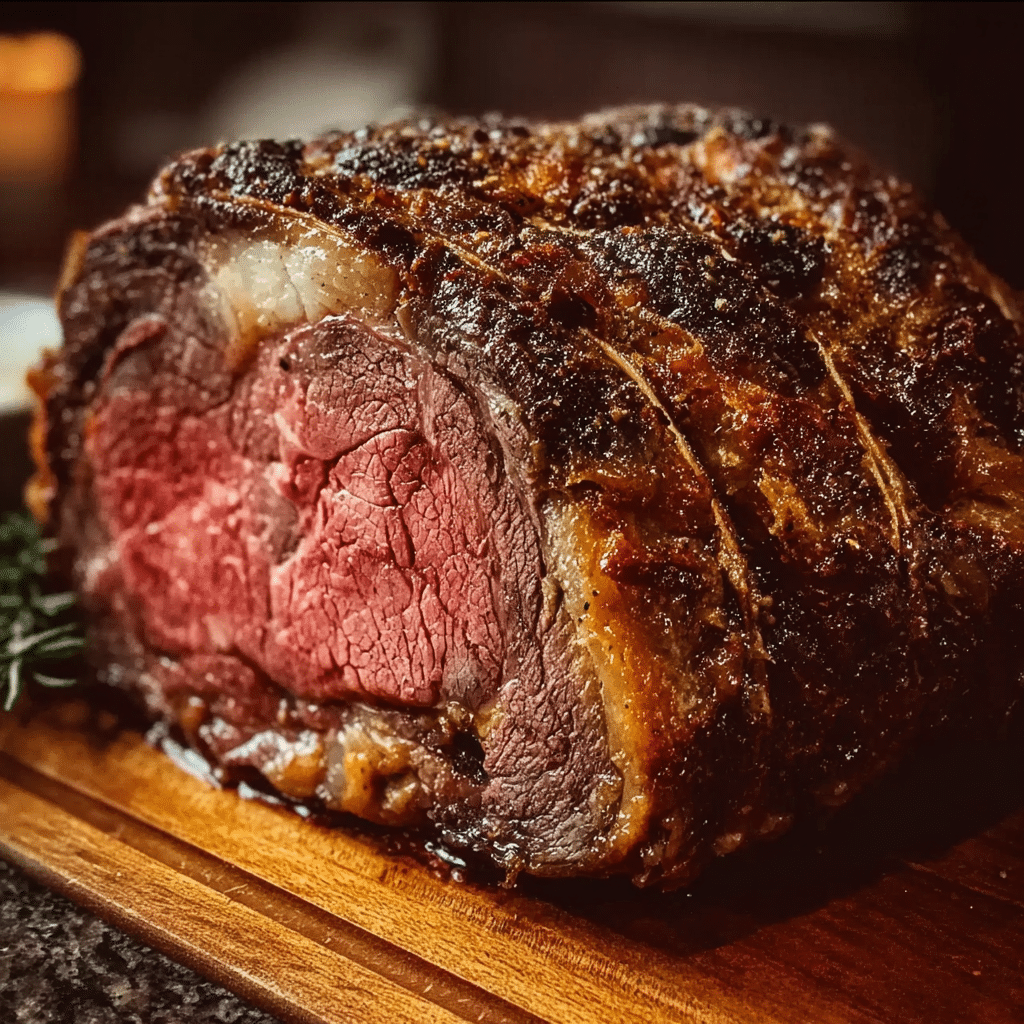
Tasty Christmas prime rib recipe
For a flavorful Christmas prime rib recipe, begin by seasoning your rib roast generously with a mixture of kosher salt, cracked black pepper, and garlic powder. Consider adding fresh herbs like thyme and rosemary for an aromatic touch. Sear the roast in a hot skillet for a few minutes on each side before transferring it to a roasting pan. Cook it in a preheated oven at 450°F for the first 20 minutes, then lower the temperature to 325°F, cooking until the internal temperature reaches 130°F for medium-rare. Pair the roast with a homemade au jus made from the pan drippings for an exquisite finish.
Tasty Christmas prime rib oven
Using your oven effectively for a Christmas prime rib is crucial for a delicious result. Preheat your oven to 450°F and ensure it’s fully heated before placing the prime rib inside. This initial high temperature creates a beautiful crust on the roast. After 20 minutes, reduce the temperature to 325°F, which allows the meat to cook evenly. Utilize a meat thermometer to monitor the internal temperature, aiming for 130°F for medium-rare. Remember to let the prime rib rest outside the oven for about 20-30 minutes before slicing, which will help the juices redistribute and enhance the overall flavor.
Prime rib butter rub overnight
For an incredibly flavorful prime rib, consider using a butter rub overnight. Soften unsalted butter and mix it with minced garlic, fresh herbs like rosemary and thyme, salt, and pepper. Generously coat the entire surface of the prime rib with this mixture, ensuring it gets into all the nooks and crannies. Wrap the seasoned roast tightly in plastic wrap and refrigerate it overnight, allowing the flavors to penetrate deeply into the meat. When you’re ready to cook, remove it from the fridge to bring it to room temperature before roasting, which will promote even cooking and enhance tenderness.
Christmas prime rib recipe
This Christmas prime rib recipe is simple yet impressive. Start by allowing your rib roast to sit at room temperature for about an hour. Season the exterior generously with a blend of salt, pepper, and your choice of herbs, such as thyme or rosemary. For cooking, place the roast bone-side down in a roasting pan and start at a high temperature of 450°F for the first 20 minutes. Then, reduce the heat to 325°F, cooking until you reach your desired doneness, typically around 130°F for medium-rare. Let the roast rest for 20-30 minutes before carving to ensure juicy slices.
How to cook a small prime rib roast
Cooking a small prime rib roast, typically weighing 3-5 pounds, requires careful attention to ensure it remains juicy and flavorful. Begin by seasoning it well with salt, pepper, and garlic powder, allowing it to sit at room temperature for about 30 minutes prior to cooking. Preheat your oven to 450°F and roast the meat for 15-20 minutes to develop a nice crust. After that, lower the temperature to 325°F and continue cooking until the internal temperature reaches 130°F for medium-rare. Remember to let it rest for at least 15 minutes before carving to allow the juices to redistribute.
Best prime rib roast recipe ever
The best prime rib roast recipe ever combines quality ingredients with straightforward cooking techniques. Start with a prime cut of beef and season it liberally with a mix of kosher salt, black pepper, and garlic powder. Searing the roast in a hot skillet before roasting helps to lock in flavor and juices. Roast in a preheated oven at 450°F for the first 20 minutes, then reduce the temperature to 325°F until the internal temperature registers 130°F for medium-rare. Don’t forget to rest the meat for 20-30 minutes before slicing to ensure every bite is tender and juicy.
Tasty prime rib
Creating a tasty prime rib involves selecting the right cut and perfecting the seasoning. Choose a USDA Prime rib roast for the best flavor and tenderness. Use a simple rub of kosher salt, cracked black pepper, and minced garlic to enhance the natural flavors of the meat. Searing the roast at a high temperature initially locks in juices, followed by a slow roast at a lower temperature to ensure even cooking. Always rest the roast before slicing to maintain juiciness, and consider serving it with horseradish or a rich gravy for added flavor.