Texas cowboy stew is not just a dish; it’s a hearty embrace of a meal that tells stories of the American frontier. I first stumbled upon this delicious concoction during a family camping trip in Texas. My uncle, a self-proclaimed cowboy at heart, decided to whip up a pot of his famous stew over an open fire. The aroma wafting through the night air, mixed with the crackling of the fire and the laughter of family, created an unforgettable memory. Little did I know that this simple blend of ingredients would soon become a staple in my kitchen, especially during those busy weeknights when the family is rushing around.
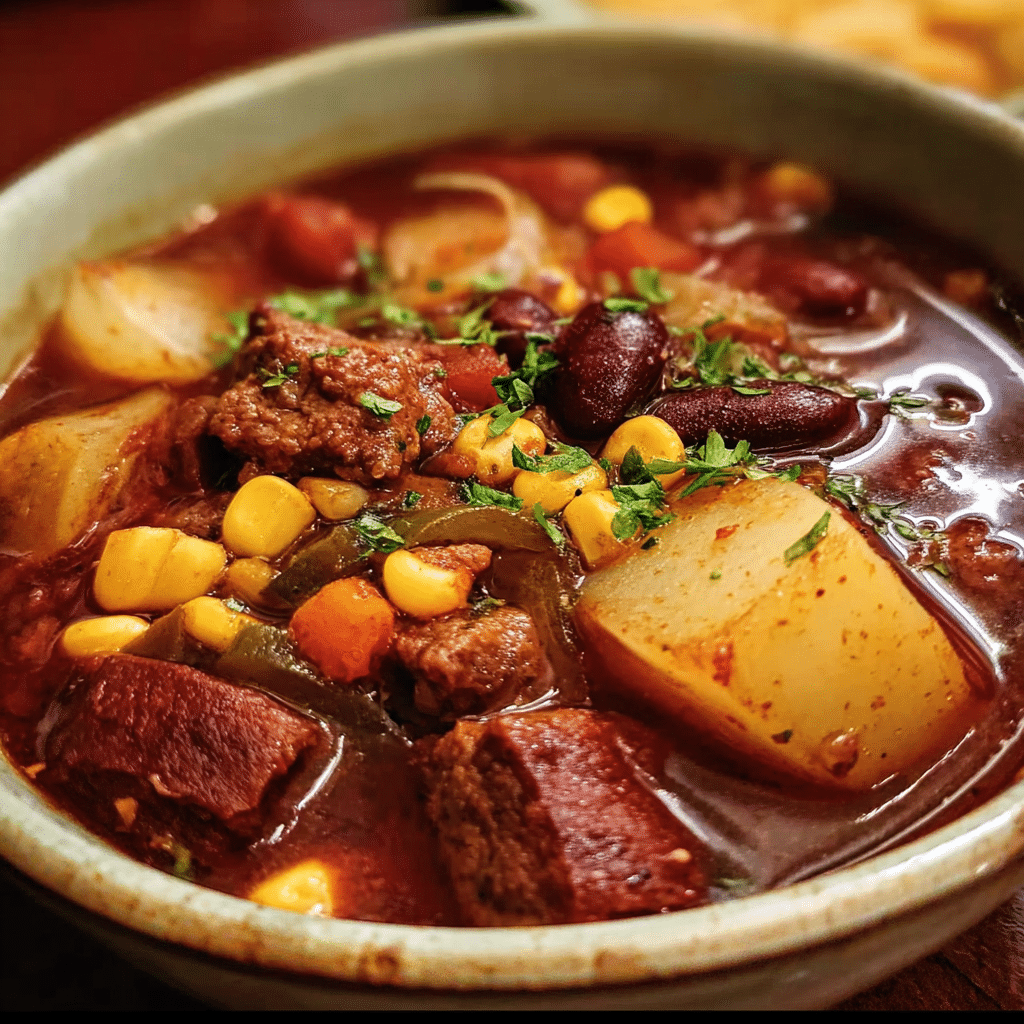
Cowboy stew is deeply rooted in the rich tapestry of Texas history. Originating from the early days of cattle herding, it was designed to provide a warm, filling meal for cowboys on long cattle drives. The simplicity of the dish, combining whatever ingredients were available—be it beans, potatoes, or leftover meats—reflects the resourcefulness required on the range. This dish embodies the spirit of the Texas cowboy: hearty, rugged, and full of flavor, making it a beloved staple in many households.
The Story Behind This Recipe
As I began to explore different recipes for Texas cowboy stew, I discovered that each one seemed to tell a unique story. Some recipes called for corn and green beans, while others incorporated tomatoes and spices. My uncle’s version was a family affair, with everyone pitching in to chop vegetables and stir the pot. This collective effort not only made the stew taste better but also created a sense of togetherness that I cherish to this day. It’s this personal connection that makes Texas cowboy stew special; it’s more than just food; it’s about family, tradition, and love.
What sets Texas cowboy stew apart from other stews is its adaptability. It can be customized to suit any family’s palate or dietary restrictions, making it perfect for busy families looking for quick dinner solutions. You can use whatever protein you have on hand—beef, chicken, or even sausage—and throw in any vegetables that need to be used up. This flexibility ensures that the dish can be enjoyed year-round, whether served hot on a chilly winter night or on a busy weeknight when time is tight.
Why You’ll Love This Dish
For me, Texas cowboy stew is synonymous with comfort. It has a way of bringing people together, whether around a campfire or the family dinner table. The rich, savory flavors meld together beautifully, creating a dish that warms both the stomach and the soul. I often find myself reminiscing about those summer nights spent under the stars, laughing and sharing stories, all while savoring the delicious meal my uncle prepared. It’s a dish that evokes nostalgia, and I love being able to recreate that experience for my children today.
As the seasons change, Texas cowboy stew remains relevant. In the fall, it can be a cozy meal after apple picking or a comforting option on a brisk evening. In the winter, it warms you up after a day of sledding or holiday shopping. Spring and summer also provide opportunities for this dish, especially when fresh vegetables are plentiful. The heartiness of the stew makes it a perfect choice for gatherings, whether you’re tailgating for a football game or having a family reunion.
In this ultimate guide to Texas cowboy stew, you’ll learn everything you need to know to prepare this dish with ease. From the essential ingredients to cooking techniques and even variations to try, this guide will help you turn a simple stew into a cherished family tradition. So grab your apron, and let’s dive into the world of Texas cowboy stew—where every bite tells a story!
The Rich History and Cultural Significance of texas cowboy stew
The rich history and cultural significance of Texas cowboy stew are as layered as the ingredients that fill the pot. This dish has traveled through time, evolving from a necessity among cattle herders to a beloved staple in homes across Texas and beyond. To truly appreciate the depth of Texas cowboy stew, we must first explore its origins and the cultural tapestry from which it emerged.
Origins and History
Texas cowboy stew has its roots in the rugged lifestyle of the American cowboy, particularly during the late 19th century. As cattle drives became a common practice, cowboys needed sustenance that was not only filling but also easy to prepare and transport. The original versions of this stew often consisted of simple, hearty ingredients like beans, potatoes, and leftover meats, all thrown together in one pot. This method of cooking allowed cowboys to create a nourishing meal while minimizing waste—a skill that was crucial in the vast, open landscapes they traversed.
Over time, the recipe began to evolve as different cultures and ingredients were introduced. Native American influences brought in new flavors and techniques, while Mexican cuisine contributed spices and additional ingredients such as corn and chili peppers. This blending of cultures is what gives Texas cowboy stew its unique flavor profile, making it a true representation of the melting pot that is Texas cuisine.
Cultural Significance
Texas cowboy stew is more than just a meal; it symbolizes resilience and community. Historically, it has been served at gatherings, fairs, and celebrations, often as a way to feed large groups. It’s common to see it at potlucks and family reunions, where everyone contributes their favorite variation. The communal aspect of preparing and enjoying this dish strengthens bonds, reminding us of the importance of family and shared experiences.
In modern times, many restaurants and diners across Texas have put their own spin on this classic dish. Some establishments are renowned for their exceptional cowboy stew, drawing locals and tourists alike. These eateries often pay homage to the traditional recipes while adding contemporary twists that showcase local ingredients, reflecting the evolution of Texas cuisine.
Nutritional Benefits
Aside from its rich history and cultural significance, Texas cowboy stew also boasts several nutritional benefits. The combination of beans, vegetables, and lean meats provides a balanced meal, packed with protein, fiber, and essential vitamins. Beans, a staple ingredient, are an excellent source of plant-based protein and are high in fiber, which aids digestion and promotes heart health.
Moreover, the inclusion of various vegetables means you can easily increase the nutritional value of the stew. Carrots, bell peppers, and tomatoes not only add flavor but also contribute vital nutrients such as vitamins A and C. This adaptability allows families to customize the dish based on dietary preferences, ensuring that everyone at the table can enjoy it without compromising on health.
In conclusion, Texas cowboy stew is a dish steeped in history, culture, and nutrition. Its evolution over time reflects the diverse influences that have shaped Texan cuisine. By understanding its origins, we can appreciate the significance of this hearty meal and the joy it brings to family gatherings. Whether you’re looking to connect with your roots or simply enjoy a delicious bowl of stew, Texas cowboy stew is sure to satisfy.
Essential Ingredients for Perfect texas cowboy stew
When it comes to creating a hearty and delicious Texas Cowboy Stew, the right ingredients are key. Each component plays a vital role in delivering the rich flavors and comforting texture that makes this dish a beloved staple of Texan cuisine. Below, I’ll break down the essential ingredients you’ll need for this mouthwatering stew, along with some helpful tips on selecting the best options, storage, and even substitutions if you’re looking for alternatives.
Essential Ingredients
Here’s a complete list of ingredients to gather for your Texas Cowboy Stew:
- 2 lb ground beef
- 2 packages kielbasa sausage, sliced into 1/2 inch pieces
- 2 garlic cloves, minced
- 1 onion, chopped
- 2 (14.5 oz) cans peeled and diced tomatoes, drained
- 4 medium baking potatoes, peeled and diced
- 2 (15 oz) cans pinto beans with liquid
- 1 (15 oz) can whole kernel corn, drained
- 2 (14.5 oz) cans diced tomatoes with green chile pepper, with liquid
- 1 (10 oz) package frozen mixed vegetables
- 4 cups of water
- 2 tsp ground cumin
- 2 tsp chili powder
- Salt and pepper to taste
Let’s delve deeper into each ingredient and explore their significance in this classic dish.
Print
Texas Cowboy Stew
Ingredients
- 2 lb ground beef
- 2 packages kielbasa sausage sliced into ½ inch pieces
- 2 garlic cloves, minced
- 1 onion, chopped
- 2 (14.5oz) cans peeled and diced tomatoes, drained
- 4 medium baking potatoes, peeled and diced
- 2 (15oz) cans pinto beans, with liquid
- 1 (15.2oz) can whole kernel corn, Drained
- 2 (14.5oz) can diced tomatoes with green chile pepper, with liquid
- 1 (10oz) package frozen mixed vegetables
- 4 cups of water
- 2 tsp ground cumin
- 2 tsp chili powder
- Salt and pepper to taste
Instructions
- In a dutch oven over medium heat, sauteé onion. Add ground beef and cook until there’s no pink left
- Add sliced sausage
- Pour in tomatoes, pinto beans, corn, potatoes, diced tomatoes with chiles and veggies
- Mix everything until well combined, add spices
- Add water, bring to a boil, and simmer for one hour
Ground Beef: This is the foundation of your Texas Cowboy Stew, providing a hearty base and rich flavor. When selecting ground beef, look for a blend with 80% lean meat to 20% fat for a balance of flavor and moisture. The fat contributes to the stew’s richness while keeping it from being too dry.
Kielbasa Sausage: The addition of kielbasa introduces a smoky, savory element that elevates the stew. Opt for high-quality sausage without fillers or artificial preservatives. If you prefer a leaner option, turkey kielbasa can be used instead.
Garlic and Onion: These aromatics are crucial for building flavor. Fresh garlic adds a pungent kick, while onions provide sweetness. Choose firm, unblemished onions, and opt for fresh garlic bulbs instead of pre-minced for the best flavor.
Peeled and Diced Tomatoes: Canned tomatoes are a great convenience, and they add acidity and moisture. Look for no-salt-added varieties to control the overall sodium content of your stew.
Baking Potatoes: These spuds add heartiness to the dish. When choosing potatoes, select ones that are firm with no sprouts or green spots. Russets or Yukon Golds are excellent options for their creamy texture when cooked.
Pinto Beans: They bring protein and fiber to the stew, making it more filling. If you’re using canned beans, rinse them to reduce sodium levels. Alternatively, you can use dried beans, which will require soaking and cooking beforehand.
Whole Kernel Corn: Corn adds sweetness and texture. Fresh corn can be used when in season, but canned is a convenient option. Ensure to drain it well before adding it to the stew.
Diced Tomatoes with Green Chile Pepper: These tomatoes provide a mild heat and depth of flavor. Choose a brand that uses quality ingredients for the best taste.
Frozen Mixed Vegetables: These add color and nutrition while making the cooking process quicker. Look for a blend that includes carrots, peas, and corn for variety. They’re typically harvested and frozen at peak freshness.
Water: This serves as the base for your stew. You can enhance the flavor by using broth instead of plain water.
Ground Cumin and Chili Powder: These spices are essential for that Tex-Mex flavor profile. Freshly ground spices can elevate the dish, so consider grinding your own if possible.
Salt and Pepper: These basic seasonings enhance the overall flavor of the stew. Always taste and adjust the seasoning toward the end of cooking to get it just right.
Shopping Tips
When you’re ready to hit the grocery store for your Texas Cowboy Stew ingredients, keep these tips in mind:
- Fresh is Best: Whenever possible, opt for fresh produce and high-quality meats. Organic options are great for those looking to avoid pesticides and support sustainable farming practices.
- Plan Ahead: Make a shopping list based on the ingredients above to avoid impulse buys and ensure you gather everything you need for the stew.
- Local Markets: Consider visiting local farmers’ markets for fresh vegetables and meats. This not only supports local agriculture but often provides fresher and more flavorful produce.
Substitutions and Alternatives
Sometimes, dietary restrictions or personal preferences necessitate substitutions. Here are some alternatives you can consider:
- Ground Beef: For a healthier option, lean ground turkey or chicken can be used. If you want a vegetarian version, try using lentils or a plant-based meat substitute.
- Kielbasa: If you’re avoiding pork, turkey or chicken sausage works well. For a vegetarian twist, you could use tempeh or smoked tofu, diced.
- Pinto Beans: Black beans or kidney beans can be swapped in for a different flavor profile. If you’re going for a low-carb option, omit beans altogether.
- Frozen Mixed Vegetables: Fresh vegetables like zucchini, bell peppers, or spinach can be used instead, just adjust cooking times accordingly.
Each ingredient in Texas Cowboy Stew not only contributes to the overall flavor but tells a story of tradition and comfort food. With these ingredients and tips, you’ll be well on your way to creating an unforgettable bowl of stew that captures the heart of Texas and warms the soul.
Detailed Step-by-Step texas cowboy stew Cooking Instructions
Now that you have gathered all the essential ingredients for your Texas Cowboy Stew, it’s time to roll up your sleeves and get cooking! This step-by-step guide will walk you through the entire process, ensuring that you create a flavorful and satisfying dish that your friends and family will rave about.

Preparation Steps
- Mise en Place: Before you start cooking, ensure you have everything prepared and ready to go. Chop the onion, mince the garlic, and dice the potatoes. Having all your ingredients measured and prepped will make the cooking process smoother and more enjoyable.
- Gather Your Equipment: You’ll need a large pot or Dutch oven, a cutting board, sharp knives, measuring cups and spoons, and a stirring spoon. Having everything at hand will help you maintain focus and efficiency.
- Prep Your Ingredients: Start by peeling and dicing the potatoes. I like to cut them into uniform pieces to ensure they cook evenly. Next, chop the onion and mince the garlic; the aroma of these two ingredients together is one of the greatest joys of cooking!
Cooking Process
- Brown the Meat: In your large pot, heat a tablespoon or two of oil over medium heat. Add the ground beef and cook until browned, about 5-7 minutes. Use a wooden spoon to break it into smaller pieces as it cooks. You want to achieve a nice brown color on the meat, which adds depth to the flavor.
- Add the Sausage: After the ground beef is browned, add the sliced kielbasa sausage. Cook for an additional 3-4 minutes until the sausage starts to brown slightly. This step enhances the stew’s smoky flavor.
- Incorporate the Aromatics: Toss in the chopped onion and minced garlic and sauté for about 2-3 minutes until the onion is translucent and fragrant. Stir frequently to prevent the garlic from burning.
- Mix in the Vegetables: Add the diced potatoes, drained diced tomatoes, pinto beans with their liquid, corn, and mixed vegetables. Stir everything together to combine well. The colors of the vegetables will make your stew look inviting!
- Spice it Up: Sprinkle the ground cumin and chili powder over the mixture. Season with salt and pepper to taste. Stir well to ensure that the spices coat all the ingredients evenly.
- Add Liquid: Pour in the 4 cups of water, making sure everything is covered. If you prefer a richer flavor, you can substitute some or all of the water with beef broth. Bring the mixture to a boil over high heat.
- Simmer: Once boiling, reduce the heat to low and cover the pot. Let it simmer for about 20-30 minutes, stirring occasionally to prevent sticking. This allows all the flavors to meld beautifully.
- Final Touches: Taste the stew and adjust the seasoning as needed. If you think it needs more kick, feel free to add a dash of hot sauce or more chili powder. If the stew is too thick for your liking, you can add a bit more water or broth.
Final Assembly
- Check Consistency: After simmering, the potatoes should be tender, and the stew should have thickened slightly. If it’s too thick, add a splash of water or broth to reach your desired consistency.
- Serve Hot: Ladle the hot Texas Cowboy Stew into bowls. It’s perfect on its own, but you can serve it with crusty bread, cornbread, or over a bed of rice for an even heartier meal.
- Garnish (Optional): For an extra touch, consider garnishing with fresh cilantro or a dollop of sour cream. The coolness of the sour cream contrasts nicely with the warm spices in the stew.
Cooking Texas Cowboy Stew is not just about following a recipe; it’s about embracing the experience and enjoying the process. The wonderful thing about this dish is its versatility and the ability to adapt it to your taste. Whether you’re cooking for a weeknight family dinner or a gathering with friends, this stew is sure to be a crowd-pleaser. Enjoy every spoonful and the delightful stories that come with it!
Professional Tips and Techniques for texas cowboy stew
When it comes to crafting the perfect Texas Cowboy Stew, there’s a world of depth and flavor waiting to be explored. This hearty dish, steeped in tradition, is a reflection of the rugged, hearty lifestyle of the Texan cowboy. To help you create a stew that not only fills the belly but also warms the soul, I’m sharing my professional tips and techniques that will elevate your cooking game.
Professional Techniques
First and foremost, the foundation of any great Texas Cowboy Stew lies in its ingredients. Choosing high-quality meats and fresh vegetables can make a significant difference. For the meat, consider using a combination of beef chuck and sausage. The beef adds richness while the sausage brings a smoky element that’s essential to this dish. Browning the meat is crucial; it caramelizes the sugars and creates a depth of flavor. Use a cast-iron pot for this step — it retains heat excellently and gives that beautiful sear.
Next, layering flavors is key. After browning your meat, remove it from the pot and set it aside. In the same pot, add your onions, garlic, and bell peppers to sauté. This technique deglazes the pot, allowing the fond (those flavorful brown bits) to infuse your stew. Don’t rush this step; let the vegetables soften and develop their sweetness.
Another insider secret? Adding a splash of beer or red wine after sautéing the vegetables can enhance the stew’s complexity. The alcohol will cook off, leaving behind a rich, deep flavor that complements the meat beautifully. For a traditional touch, a good Texas beer, like a robust amber ale, works wonders.
Troubleshooting Guide
Even the best cooks face challenges when creating a Texas Cowboy Stew. One common issue is a stew that turns out too thick or too thin. If your stew is too thick, simply add a splash of broth or water to loosen it up. Conversely, if it’s too thin, allow it to simmer uncovered for some time to reduce and thicken. If you find it lacks flavor, don’t hesitate to adjust the seasoning. Sometimes a pinch of salt or a dash of hot sauce can transform the dish.
Another frequent problem is overcooked vegetables. To avoid mushy carrots and potatoes, add heartier vegetables early on, while more delicate ones like corn can be added later in the cooking process. Timing is everything! If you’re using frozen vegetables, add them towards the end of the cooking time to maintain their texture.
Make-Ahead and Meal Prep Strategies
The beauty of Texas Cowboy Stew is that it’s even more delicious the next day! This makes it an ideal candidate for meal prep. You can prepare a large batch and store it in the fridge or freezer for later. When making ahead, allow the stew to cool completely before transferring it to airtight containers. It can last in the refrigerator for up to three days or in the freezer for up to three months.
For scaling the recipe, I recommend using the “rule of thirds.” If the original recipe serves four, triple the ingredients for a crowd but consider that the cooking time might need to be increased. Always taste and adjust seasonings as you scale. And don’t forget, a larger pot can accommodate more ingredients; sometimes, you might need to switch to a stock pot for bigger batches!
Presentation Tips
Presentation can elevate your Texas Cowboy Stew from a simple meal to a feast. Serve it in rustic bowls or even directly in cast-iron skillets for a homey feel. Top with a sprinkle of fresh cilantro or parsley for a pop of color. A dollop of sour cream or a sprinkle of shredded cheese can add creaminess and richness that pairs beautifully with the robust flavors of the stew.
For a delightful pairing, consider serving cornbread or crusty bread on the side. The bread can soak up the flavorful broth, making every bite satisfying. If your stew is particularly rich, a crisp, refreshing salad can balance the meal nicely.
Wine and Beverage Pairings
When it comes to pairing drinks with your Texas Cowboy Stew, think bold and flavorful. A robust red wine, such as a Cabernet Sauvignon or a Malbec, complements the deep, meaty flavors of the stew. Alternatively, a cold, crisp beer can also be a fantastic match. Look for something with a bit of maltiness to mirror the stew’s richness. If you prefer non-alcoholic options, a strong iced tea with a hint of lemon can provide a refreshing contrast.
In summary, creating an unforgettable Texas Cowboy Stew involves not just following a recipe, but understanding the techniques and flavors that come together harmoniously. With the right approach, a little patience, and a dash of creativity, you’ll not only serve a delicious meal but also create lasting memories around the dinner table.
Creative Variations and Adaptations of texas cowboy stew
The beauty of Texas Cowboy Stew is its versatility. While the traditional recipe is a beloved classic, there’s plenty of room for creativity and adaptation. Whether you’re looking to accommodate dietary restrictions, use seasonal ingredients, or simply try something new, here are some fun and inventive variations to consider.
Seasonal Variations
One way to keep your Texas Cowboy Stew fresh and exciting is to embrace seasonal ingredients. In the fall, you might add butternut squash or sweet potatoes for a touch of sweetness and a beautiful color contrast. Winter is all about hearty root vegetables like parsnips and turnips, which can add depth and earthiness to the stew.
In the spring and summer, opt for lighter vegetables. Fresh peas, zucchini, or even corn can brighten your stew and add a pop of color. If you have access to a farmer’s market, take advantage of what’s in season and let those ingredients guide your recipe. Not only does this enhance flavor, but it also supports local agriculture!
Dietary Adaptations
Adapting the Texas Cowboy Stew for dietary preferences is easier than you might think. For those following a keto diet, consider substituting traditional potatoes with cauliflower or turnips. This keeps the stew hearty without the carbs. For a vegan version, replace the meat with hearty beans like black beans or lentils, and use vegetable broth instead of beef broth. You can still achieve a smoky flavor by adding liquid smoke or smoked paprika.
If you’re catering to gluten-free diners, ensure that your broth and any added condiments are certified gluten-free. Most ingredients in cowboy stew are naturally gluten-free, making it a great option for larger gatherings where dietary restrictions might be a concern.
Creative Twists
Feeling adventurous? Try infusing international flavors into your Texas Cowboy Stew. For a Mexican twist, add spices like cumin and chili powder, and top with avocado and cilantro. A Caribbean version could incorporate jerk seasoning, sweet potatoes, and black beans for a sweet and spicy flavor profile.
Experimentation doesn’t need to stop there! Consider different cooking methods: If you’re short on time, a pressure cooker can reduce cooking time significantly while still retaining all those delicious flavors. On the other hand, slow cooking can deepen the flavors beautifully; simply set your slow cooker in the morning, and by dinner, you’ll have a fragrant, hearty meal waiting for you.
Leftover transformations can also breathe new life into your stew. Use leftover Texas Cowboy Stew to create a delicious filling for burritos or empanadas. You can also turn it into a savory shepherd’s pie topping it with mashed potatoes or polenta for a comforting dish that’s perfect for colder days.
In conclusion, the adaptability of Texas Cowboy Stew allows for endless possibilities, making it a dish that can be enjoyed year-round. Whether you stick to tradition or explore new flavors, there’s always a way to make this dish your own, ensuring every bite reflects your unique taste and creativity.
Storage, Reheating, and Meal Prep for texas cowboy stew
When it comes to enjoying a hearty bowl of Texas Cowboy Stew, knowing how to store, reheat, and meal prep this dish can greatly enhance your culinary experience. Not only does good storage help maintain the flavor and texture of the stew, but it also allows you to enjoy this Texas classic over multiple meals. Whether you’re making a big batch for a family gathering or just want to save some for a cozy night in, here’s everything you need to know about storing Texas Cowboy Stew.
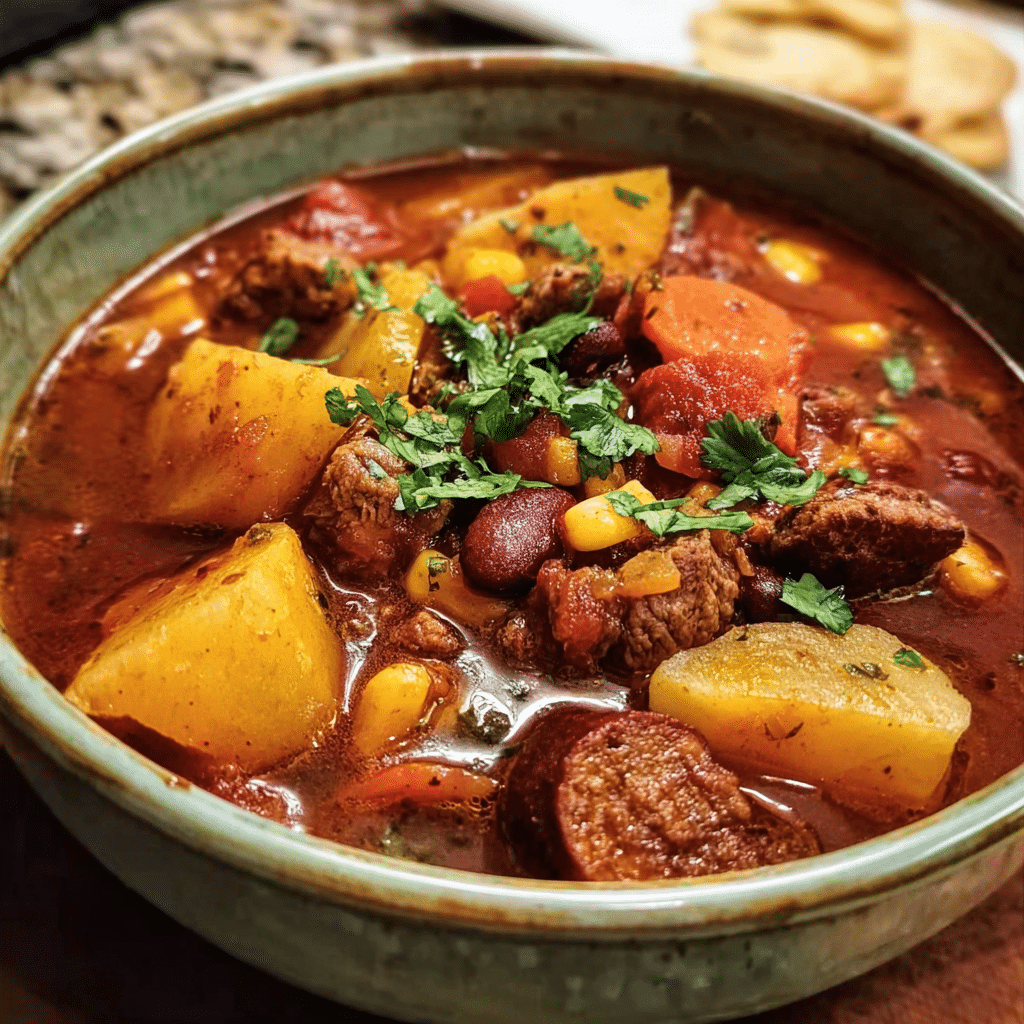
Short-term Storage
After you’ve cooked up a delicious pot of Texas Cowboy Stew, you’ll want to store it properly in the refrigerator if you plan to eat it within a few days. The key is to allow the stew to cool down to room temperature before placing it in the fridge. This prevents condensation from forming, which could lead to sogginess and spoilage.
Use airtight containers or glass jars with tight-fitting lids for optimal freshness. Stainless steel containers are also a great option as they don’t retain odors. When portioning out your stew, consider how much you typically consume in one sitting. This will help you avoid repeatedly reheating the entire batch, which can degrade the quality of the stew over time.
In general, Texas Cowboy Stew can be stored in the refrigerator for 3 to 5 days. Be sure to label your containers with the date so you can keep track of freshness. If you notice any off smells or changes in texture, it’s best to err on the side of caution and discard the stew.
Freezing and Long-term Storage
If you want to keep your Texas Cowboy Stew for a longer period, freezing is the way to go. This method is perfect for meal prep aficionados who like to have home-cooked meals ready to go. To freeze your stew, allow it to cool completely before transferring it to freezer-safe containers. Leave some space at the top of the container to allow for expansion as the stew freezes.
Another great tip is to use freezer bags for easier storage. Lay the bags flat in the freezer, and once they’re frozen solid, you can stack them vertically to save space. When stored properly, Texas Cowboy Stew can be frozen for up to 3 months. Just remember to write the date on the bag or container!
When you’re ready to enjoy your frozen stew, the best method for thawing is in the refrigerator overnight. If you’re in a hurry, you can use the microwave or place the sealed container in cold water to speed up the process. However, using the refrigerator is the safest option as it keeps the stew at a consistent temperature.
Reheating Best Practices
Reheating your Texas Cowboy Stew properly is crucial to maintaining its rich flavors and hearty texture. The stovetop is often the best option for reheating, as it allows for even heat distribution. Pour the desired amount into a saucepan and heat it over medium heat, stirring occasionally. This prevents the stew from sticking to the bottom and burning.
If you’re using the microwave, transfer the stew into a microwave-safe bowl and cover it with a microwave-safe lid or plate to allow steam to escape. Heat in short intervals, stirring in between, until it’s heated through. Remember, the key is to heat it thoroughly for food safety, aiming for an internal temperature of 165°F.
For those who love meal prepping, consider cooking a large batch of Texas Cowboy Stew on a Sunday and freezing portions for quick weeknight dinners. This not only saves time but also ensures that you have a delicious, nutritious meal ready whenever you need it. Just follow the storage and reheating tips outlined here, and you’ll be well on your way to enjoying this Texan favorite anytime you crave it!
Nutritional Benefits and Health Information
When it comes to Texas Cowboy Stew, it’s not just about the robust flavors and hearty ingredients; it’s also about the nutritional benefits that come along with this traditional dish. Understanding the health aspects of the stew can help you appreciate it even more, especially when you’re serving it to family and friends. Let’s dive into the nutritional breakdown, health benefits, and dietary considerations of this beloved Texan dish.
Nutritional Profile
The beauty of Texas Cowboy Stew lies in its wholesome ingredients, typically featuring beef, beans, tomatoes, corn, and an array of spices. A standard serving (about 1 cup) of this stew can contain approximately 350-400 calories, depending on the specific recipe and portion sizes. The macronutrient distribution generally consists of:
- Protein: Roughly 25-30 grams, primarily from the beef and beans.
- Carbohydrates: About 30-40 grams, which come from the beans and vegetables.
- Fats: Typically around 10-15 grams, dependent on the cut of beef used.
In addition to macronutrients, Texas Cowboy Stew is rich in vitamins and minerals. For instance, beans are a great source of fiber, while tomatoes provide Vitamin C and potassium. Corn adds to the fiber content and contributes essential nutrients like folate and B vitamins.
Health Benefits
One of the standout ingredients in Texas Cowboy Stew is the beans, which offer numerous health benefits. They are high in fiber, promoting digestive health and helping to maintain a healthy weight by keeping you fuller for longer. Additionally, beans are a good source of plant-based protein, making them an excellent choice for vegetarians and meat-lovers alike.
Tomatoes, another key ingredient, are rich in antioxidants, particularly lycopene, which has been linked to reduced risks of certain cancers and heart diseases. Plus, the presence of fresh vegetables like bell peppers and onions contributes vitamins A and C, essential for immune function and skin health.
Furthermore, the spices used in Texas Cowboy Stew not only enhance flavor but also provide health benefits. For instance, chili powder can boost your metabolism, while garlic is known for its anti-inflammatory properties.
Dietary Considerations
When considering Texas Cowboy Stew in the context of dietary needs, it’s essential to note that the dish is inherently customizable. For those following a gluten-free diet, ensure that any broth or seasoning blends used are gluten-free. Vegans and vegetarians can easily modify the recipe by substituting the beef with plant-based proteins like lentils or additional beans.
If you’re watching your sodium intake, consider using low-sodium broth and limit the amount of added salt. For those with specific allergies, be mindful of ingredients like corn, which can be a common allergen. Always read labels on store-bought ingredients to ensure they fit your dietary restrictions.
In conclusion, Texas Cowboy Stew is more than just a filling meal; it’s a dish packed with nutrients and health benefits. It fits seamlessly into various diet plans, whether you’re looking for a hearty meal post-workout or a comforting dish on a chilly evening. With its wholesome ingredients and flexibility, this stew not only warms the soul but can also nourish the body!
Frequently Asked Questions About Texas Cowboy Stew
Texas cowboy stew pinterest
Pinterest is a fantastic source for discovering visually appealing Texas cowboy stew recipes. You can find a variety of versions that include unique ingredients, cooking methods, and presentation tips. When searching, use keywords like “Texas cowboy stew” along with specific ingredients or cooking styles to find the best fit for your tastes. Don’t forget to check the comments and save your favorite pins for easy access to the recipes later. This can also inspire you to put your own twist on the traditional dish!
Texas cowboy stew slow cooker
Cooking Texas cowboy stew in a slow cooker is a great way to develop rich flavors while ensuring the meat becomes tender and juicy. Start by browning your meat and sautéing onions and garlic in a skillet, then transfer them to the slow cooker with your other ingredients such as beans, tomatoes, and spices. Set your slow cooker on low for 8 hours or high for 4 hours, stirring occasionally if possible. This method allows the flavors to meld beautifully, and you can easily customize the stew by adding vegetables like bell peppers or corn for extra nutrition.
Old fashioned texas cowboy stew
Old-fashioned Texas cowboy stew is a hearty and rustic dish that reflects the cooking traditions of cowboys on the range. Typically, it includes simple ingredients like beef, potatoes, beans, and seasonal vegetables, all simmered together for a rich, comforting meal. To achieve that authentic taste, use slow-cooked beef, such as chuck roast, and let it simmer for an extended period to enhance the flavor. Don’t forget to add spices like chili powder and cumin to give it that signature southwestern kick, and serve it with cornbread for a true cowboy experience!
Texas cowboy stew recipes
There are countless Texas cowboy stew recipes available, each with its own unique spin on the classic dish. A basic recipe typically features ingredients like ground beef, tomatoes, beans, corn, and a variety of spices. For a delicious twist, consider adding jalapeños for heat or smoked paprika for a deeper flavor profile. Explore different recipes online, and don’t hesitate to mix and match ingredients based on what you have on hand or your dietary preferences. The key is to let the stew simmer long enough to develop a rich, layered taste!
Texas cowboy stew with potatoes
Adding potatoes to Texas cowboy stew is a great way to enhance its heartiness and make it even more filling. You can use any type of potato, but Yukon Golds or russets work particularly well due to their ability to hold their shape while cooking. Cut the potatoes into chunks and add them early in the cooking process so they have ample time to absorb the flavors of the broth. To prevent overcooking, check for tenderness about halfway through the cooking time, adjusting as necessary to achieve the perfect texture.
Texas cowboy stew recipe pioneer woman
The Pioneer Woman’s Texas cowboy stew recipe is a beloved take on this classic dish, known for its simplicity and hearty flavor. This version typically features ground beef, tomatoes, beans, and a variety of vegetables, all simmered together for a satisfyingly thick stew. A key tip is to season your meat well before browning it, enhancing the overall taste of the dish. Don’t forget to add her suggested spices for a touch of warmth, and consider garnishing with fresh cilantro or green onions for a burst of freshness before serving.
Original cowboy stew recipe
The original cowboy stew recipe has roots in the cooking traditions of cowboys who needed hearty, portable meals. It often consists of simple, robust ingredients like beef, potatoes, beans, and whatever vegetables were available. To prepare an authentic version, focus on high-quality cuts of meat and slow-cook the stew to allow flavors to develop fully. Traditional seasonings include garlic, onion, and chili powder, which can be adjusted based on personal preference. Serve with crusty bread or cornbread for a complete cowboy experience!
Cowboy stew with ground beef
Cowboy stew made with ground beef is a quick and convenient version of the traditional recipe, perfect for busy weeknights. Start by browning the ground beef in a large pot, then add chopped onions, garlic, and your choice of vegetables such as bell peppers and corn. Incorporate canned tomatoes, beef broth, and beans, and season with your favorite spices for extra flavor. Allow the stew to simmer for at least 30 minutes to let the flavors meld, and serve it hot with a sprinkle of cheese or fresh herbs on top for added texture and taste!