Best baked rigatoni—a phrase that evokes images of bubbling cheese, rich tomato sauce, and the comforting embrace of pasta. My journey with this delightful dish began on a chilly autumn evening, when the air outside was crisp, and the leaves were turning shades of gold and crimson. I remember being invited to a friend’s house for dinner, where the aroma of a homemade baked rigatoni filled the air as I walked through the door. Little did I know, this meal would spark my love for the dish and inspire countless family dinners in my own kitchen.
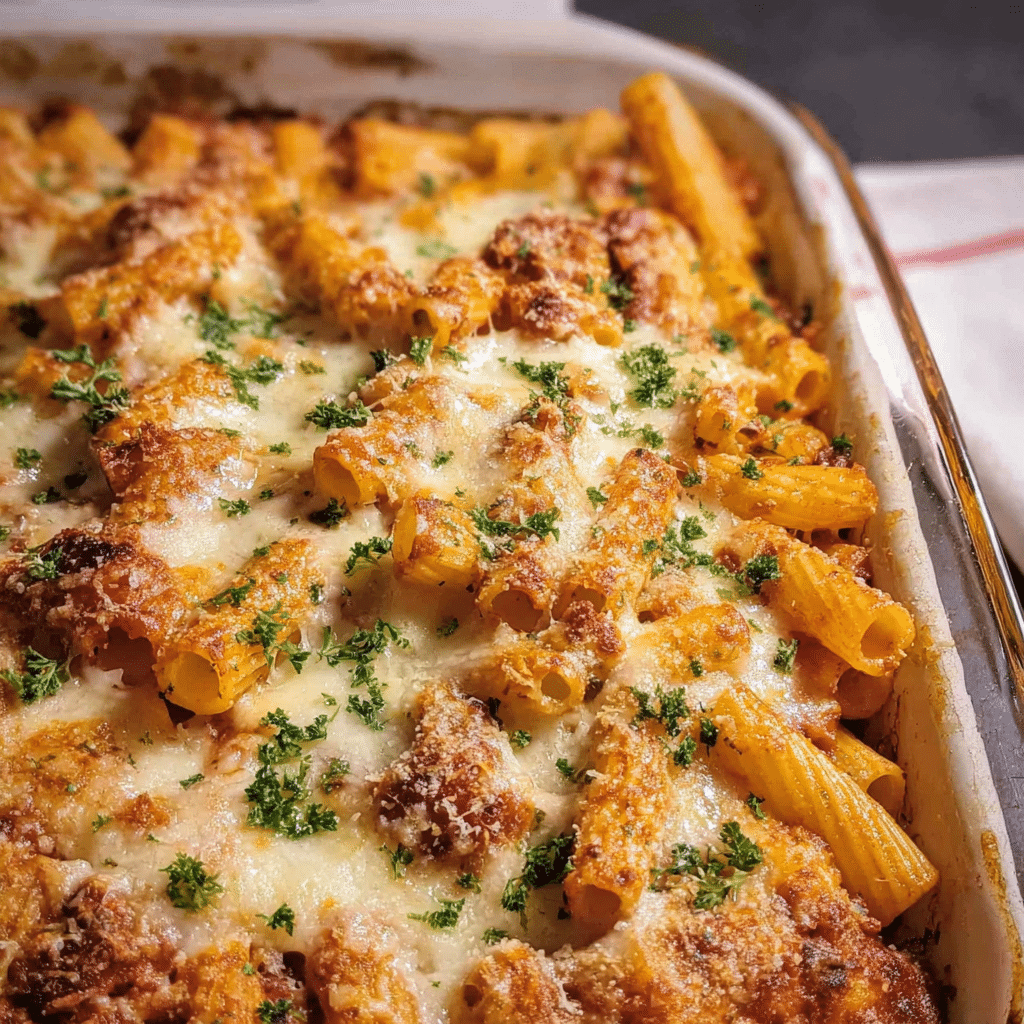
As we gathered around the table, my friend’s mother served up generous portions of her baked rigatoni, and I was instantly captivated. Each bite delighted my taste buds, with the pasta perfectly al dente, layered with a savory marinara sauce, and topped with a golden, bubbling blanket of cheese. It was the kind of dish that brought everyone together, filling the room with laughter and warmth. I left that night with a full belly and a yearning to recreate that experience in my own home.
The Story Behind This Recipe
What makes best baked rigatoni so special is its versatility. While traditional recipes may call for specific ingredients, I’ve discovered that this dish can be tailored to suit any family’s palate. Whether you prefer a vegetarian version loaded with fresh vegetables or a meaty rendition featuring ground beef or sausage, the beauty of baked rigatoni lies in its ability to adapt. This recipe is a canvas for creativity, allowing you to experiment with flavors and textures until you find your perfect combination.
This dish is a staple in Italian-American homes, a testament to the melding of cultures. Baked pasta dishes have roots in Italy, where the tradition of layering pasta with sauce and cheese has been cherished for generations. However, it was in the United States that baked rigatoni found its unique identity, influenced by regional ingredients and the busy lifestyles of families seeking convenient yet delicious meal options. This makes it an ideal choice for busy weeknights, as it can be prepared ahead of time and simply popped in the oven when hunger strikes.
Why You’ll Love This Dish
For families on the go, the best baked rigatoni is not just a meal; it’s a solution. It allows for easy meal prep, as it can be assembled in advance and stored in the refrigerator or freezer. On those hectic evenings filled with after-school activities, you can simply slide it into the oven, filling your home with the delightful aroma of a home-cooked meal without the stress of last-minute cooking. Plus, it’s a dish that pleases even the pickiest of eaters, making it a favorite among children and adults alike.
As the seasons change and the weather turns cooler, baked rigatoni becomes even more appealing. It’s a dish that not only warms your belly but also your heart, offering a sense of comfort and nostalgia. I often find myself making it during family gatherings or holiday celebrations, where it serves as a reminder of love, tradition, and togetherness. The emotional connection to this dish is profound; it’s not just about the food, but the memories made around the table, sharing stories and laughter with loved ones.
In this guide, you’ll learn how to prepare the best baked rigatoni that will become a beloved staple in your household. From selecting the right ingredients to mastering the layering technique, I’ll share tips and tricks that will elevate your dish to new heights. You’ll also discover variations that cater to different dietary needs, ensuring that everyone at your table can enjoy this delightful meal. So, let’s roll up our sleeves and dive into the world of baked rigatoni!
The Rich History and Cultural Significance of best baked rigatoni
The best baked rigatoni is more than just a meal; it’s a dish steeped in history and cultural significance. Its origins can be traced back to Italy, where pasta has been a staple for centuries. Rigatoni, with its ridged surface and hollow center, is particularly well-suited for holding onto sauces, making it a favorite choice for baked dishes. The word “rigatoni” itself comes from the Italian verb “rigare,” which means “to stripe,” referring to the pasta’s distinctive ridges.
Origins and History
The history of best baked rigatoni intertwines with the broader narrative of Italian cuisine. Pasta has been a part of Italian culture since at least the 12th century, evolving through various regions and incorporating local ingredients. Baked pasta dishes emerged as a way to make the most of leftovers, a common theme in Italian cooking. Families would layer cooked pasta with sauce, cheese, and any remaining meats or vegetables, then bake it to create a comforting, hearty meal.
As Italian immigrants made their way to the United States, they brought their culinary traditions with them. Baked rigatoni found its place in the hearts and homes of American families, evolving into a dish that often includes ingredients like ricotta cheese and mozzarella, which may not have been as prevalent in traditional Italian recipes. This adaptation showcases the creativity and resourcefulness of home cooks who sought to make the dish accessible and appealing to a broader audience.
Cultural Significance
Baked rigatoni is more than just food; it symbolizes family gatherings, celebrations, and the joy of sharing a meal. In many Italian-American households, this dish is a staple for Sunday dinners, holiday feasts, and special occasions. It’s often the centerpiece of potluck dinners, where everyone brings their own unique twist to the recipe, creating a diverse spread of flavors and styles. The communal nature of sharing baked rigatoni fosters a sense of belonging and connection, transcending generations.
Famous chefs and restaurants have also embraced baked rigatoni, elevating it to new heights. From cozy family-owned trattorias to upscale dining establishments, you’ll find variations that highlight the dish’s versatility. Chefs often experiment with gourmet ingredients, offering unique spins that cater to contemporary tastes while still honoring the dish’s traditional roots. This evolution reflects the ongoing love affair between pasta and American cuisine, showcasing how food can bridge cultural divides and bring people together.
Nutritional Benefits
When it comes to nutrition, the best baked rigatoni can be surprisingly wholesome. Rigatoni itself is a good source of carbohydrates, providing the energy needed for busy families. The dish can be enhanced with various vegetables, such as spinach, zucchini, or bell peppers, adding essential vitamins and minerals. Additionally, incorporating lean proteins like ground turkey or chicken can boost its nutritional profile, making it a balanced meal option. With the right ingredients, baked rigatoni can be both satisfying and nutritious, ensuring that families enjoy a wholesome dinner.
In conclusion, the rich history and cultural significance of best baked rigatoni make it a dish worth celebrating. With its roots in Italy and its evolution in American cuisine, it represents the beauty of culinary traditions passed down through generations. As you prepare to create your own version of this beloved dish, remember that it’s more than just a recipe; it’s an opportunity to connect with your family and create lasting memories around the dinner table.
Essential Ingredients for Perfect best baked rigatoni
When it comes to crafting the best baked rigatoni, the selection of ingredients is paramount. Each component plays a vital role in developing flavors, textures, and the overall experience of this delightful dish. Below, I’ll break down the essential ingredients you’ll need, along with their importance, quality indicators, and even some tips on sourcing and substitutions.
Essential Ingredients
- Chicken: 1 pound, diced
- Beef: 1 pound, ground
- Pork: 1 pound, ground
- Seafood: 1 pound (shrimp or scallops work beautifully)
- Pasta: 1 pound of rigatoni
- Fruits: Optional, for flavor enhancement (e.g., sun-dried tomatoes)
- Vegetables: 2 cups mixed (bell peppers, onions, garlic, etc.)
The Best Baked Rigatoni
Ingredients
- ¾ pound hot Italian sausage
- ¾ pound sweet Italian sausage
- 2 tablespoons olive oil
- 1 large yellow onion, diced
- ½ teaspoon dried oregano
- ¼ teaspoon dried thyme
- ¼ teaspoon dried rosemary
- 2 (24-ounce) jars prepared marinara sauce
- 2 cups water
- 1 (16-ounce) package ziti pasta
- 1 drizzle olive oil, or as needed, for greasing
- 1 ½ cups whole-milk ricotta cheese
- 8 ounces mozzarella cheese, cut into small cubes
- 1 cup grated Pecorino Romano cheese
- 1 teaspoon chopped flat-leaf parsley, or to taste
Instructions
- Gather the ingredients. Cut down the length of each sausage with a sharp knife. Remove and discard casings.
- Heat olive oil in a large saucepan set over high heat. Add sausages and onion. Cook, stirring occasionally and breaking up with a spatula, until sausage begins to brown, and onion turns translucent, 5 to 7 minutes. Add oregano, thyme, and rosemary and cook for 1 minute more.
- Pour in marinara sauce. Pour 1 cup water into each jar to rinse out remaining sauce; add to the saucepan. Stir together and bring sauce to a simmer.
- Reduce the heat to medium-low, and let simmer, stirring occasionally, for 1 hour. Taste for seasoning and adjust if needed. Turn off heat and reserve until needed. Before using, skim any excess fat that rises to the surface.
- While sauce simmers, bring a large pot of generously salted water to a boil. Add ziti and cook, stirring occasionally, for 1 or 2 minutes less than the directions on the package call for, about 8 minutes. Drain well and transfer into a large mixing bowl.
- Carefully add the meat sauce and stir until thoroughly combined. Let rest for 5 minutes. Meanwhile, preheat the oven to 375 degrees F (190 degrees C). Grease a large 9×15-inch casserole dish with a drizzle of olive oil. If you need to use a 9×13-inch dish, reserve about 1 cup cooked pasta to avoid overfilling and bubbling over.
- Use a slotted spoon to transfer half of the pasta and sauce mixture to the prepared dish, then use a spatula to even out into a uniform layer. Top with 1/2 of the ricotta cheese, 1/2 of the mozzarella cheese, and then 1/2 of the grated Pecorino Romano cheese, being sure to distribute evenly. Top with the rest of the pasta and sauce mixture and give the pan a little shake to settle the sauce. Repeat the cheese application.
- Bake in the center of the preheated oven until the cheese is melted and the casserole is piping hot, 30 to 35 minutes. Remove from the oven and let cool 10 to 15 minutes before serving. Top with parsley.
Let’s dive a little deeper into why each of these ingredients is essential for the best baked rigatoni.
Chicken: The diced chicken provides a lean source of protein while adding a tender texture to the dish. When selecting chicken, look for organic, free-range options if possible; they often have a richer flavor compared to conventional chicken. If you prefer, you can use leftover rotisserie chicken for added convenience.
Beef: Ground beef contributes a hearty, robust flavor to the baked rigatoni. Aim for a good quality beef that is around 80% lean. The fat content adds flavor and moisture to the rigatoni. When shopping, observe the color—fresh ground beef should be bright red with minimal browning.
Pork: Ground pork brings a lovely richness to the dish. It balances the flavors beautifully, especially when paired with beef or chicken. Look for pork that is pinkish-red and avoid anything that appears too dry or gray. For a healthier option, you can use ground turkey as a substitute.
Seafood: Whether you choose shrimp, scallops, or another seafood, it adds a touch of sophistication and a hint of the ocean to your rigatoni. Fresh seafood should smell like the sea and have a firm texture. If you’re unsure about freshness, purchasing frozen seafood is a reliable alternative—just ensure it’s thawed properly before cooking.
Pasta: Rigatoni is a tubular pasta that holds sauce exceptionally well, making it perfect for baking. Look for high-quality pasta made from durum wheat for the best texture. Whole wheat options are also available for a healthier alternative. To store pasta, keep it in a cool, dry place, and it can last for a long time.
Fruits: While not traditional, incorporating fruits like sun-dried tomatoes or olives can elevate the flavor profile of your baked rigatoni. Choose fruits that are ripe and bursting with flavor. They can often be found in the same aisle as the canned vegetables, dried fruits, or the international foods section.
Vegetables: A medley of vegetables like bell peppers, onions, and garlic adds depth and color to your dish. Fresh vegetables should be firm and vibrant; avoid any that show signs of wilting or browning. Seasonal vegetables can enhance the dish, so consider what’s available locally when shopping. For longer storage, keep your vegetables in the refrigerator crisper drawer.
Shopping Tips
When it comes to shopping for the best baked rigatoni, quality is key. Always opt for fresh ingredients when possible. Local farmers’ markets are a fantastic option for seasonal vegetables and fruits, offering produce that is often fresher than what you find in grocery stores. Don’t hesitate to ask farmers about their growing practices; they are usually very knowledgeable and passionate about their products.
For meats, local butcher shops may provide superior quality and better advice on cuts compared to larger supermarkets. If you’re on a budget, consider buying in bulk or looking for sales on meats that you can freeze for later use. Freezing cooked meats, like chicken or pork, can also save time on busy weeknights.
Substitutions and Alternatives
Dietary restrictions should not keep anyone from enjoying the best baked rigatoni! There are numerous substitutions you can make. For instance, if you’re vegetarian or vegan, you can substitute the meats with a medley of mushrooms and plant-based proteins like lentils or chickpeas, which offer a hearty texture. Additionally, there are gluten-free rigatoni options available for those with gluten intolerance.
When it comes to dairy, if you’re lactose intolerant, there are excellent non-dairy cheese alternatives available that melt beautifully. Nutritional yeast can also bring a cheesy flavor without the dairy. Always consider the flavors you want to highlight in your dish, and don’t be afraid to experiment with new ingredients!
Finally, store each ingredient properly to prolong its life. For meats, keep them in airtight containers in the fridge if you plan to use them soon; otherwise, freezing is your best bet. Vegetables generally last longer when kept in a cool, dark place, while pasta should be stored in a dry, sealed container. Following these tips will ensure you have the freshest ingredients on hand for the best baked rigatoni you can create.
Detailed Step-by-Step best baked rigatoni Cooking Instructions
Creating the best baked rigatoni is not just a culinary task; it’s an experience filled with aromas, textures, and family memories. This dish has a certain magic—layered with sauces, cheeses, and meats, it’s a comfort food that brings people together. Below, I will walk you through each step, ensuring you have a clear understanding of the process to achieve that perfect baked rigatoni.
Preparation Steps
- Gather Your Ingredients: Before you begin cooking, lay out all your ingredients. This mise en place approach not only makes the cooking process smoother but also helps you avoid forgetting any key components. Make sure your pasta is uncooked, and your meats are prepped and diced or ground.
- Preheat Your Oven: Set your oven to 375°F (190°C). Preheating is crucial as it ensures that your rigatoni bakes evenly, creating that perfect golden crust on top.
- Cook the Pasta: In a large pot, bring salted water to a boil. Once boiling, add your rigatoni and cook until al dente, usually about 2-3 minutes less than the package instructions. Drain the pasta and set it aside, but do not rinse it. Rinsing removes the starch that helps the sauce cling to the pasta.
- Sauté the Vegetables: In a large skillet, heat a tablespoon of olive oil over medium heat. Add your diced onions, bell peppers, and minced garlic, sautéing until they are fragrant and translucent. This usually takes about 5-7 minutes. Cooking the vegetables first enhances their flavors and ensures they are tender when baked.
- Cook the Meats: Add your ground beef, pork, and chicken (or seafood) to the skillet with the sautéed vegetables. Cook until all the meats are browned and fully cooked, about 10-12 minutes. Use a wooden spoon to break up any chunks. This step is essential for developing deep flavors.
- Add the Sauce: Once the meats are cooked, stir in your favorite pasta sauce (store-bought or homemade) along with any additional seasonings like Italian herbs, red pepper flakes, and salt. The sauce should coat the meat and vegetables well, so let it simmer for about 5 minutes.
- Combine the Ingredients: In a large mixing bowl, combine the cooked rigatoni with the meat sauce mixture. Make sure every piece of pasta is coated in the sauce. This step is crucial for flavor distribution.
Cooking Process
- Layer the Rigatoni: In a large baking dish, start layering your rigatoni mixture. Begin with a layer of sauce on the bottom to prevent sticking. Then, add half of the rigatoni mixture, followed by a generous layer of shredded cheese. Repeat this process with the remaining rigatoni and top with more cheese. This layering not only looks appealing but also ensures gooey, cheesy goodness in every bite.
- Cover and Bake: Cover the baking dish with aluminum foil and place it in the preheated oven. Bake for about 20 minutes covered to allow the flavors to meld together.
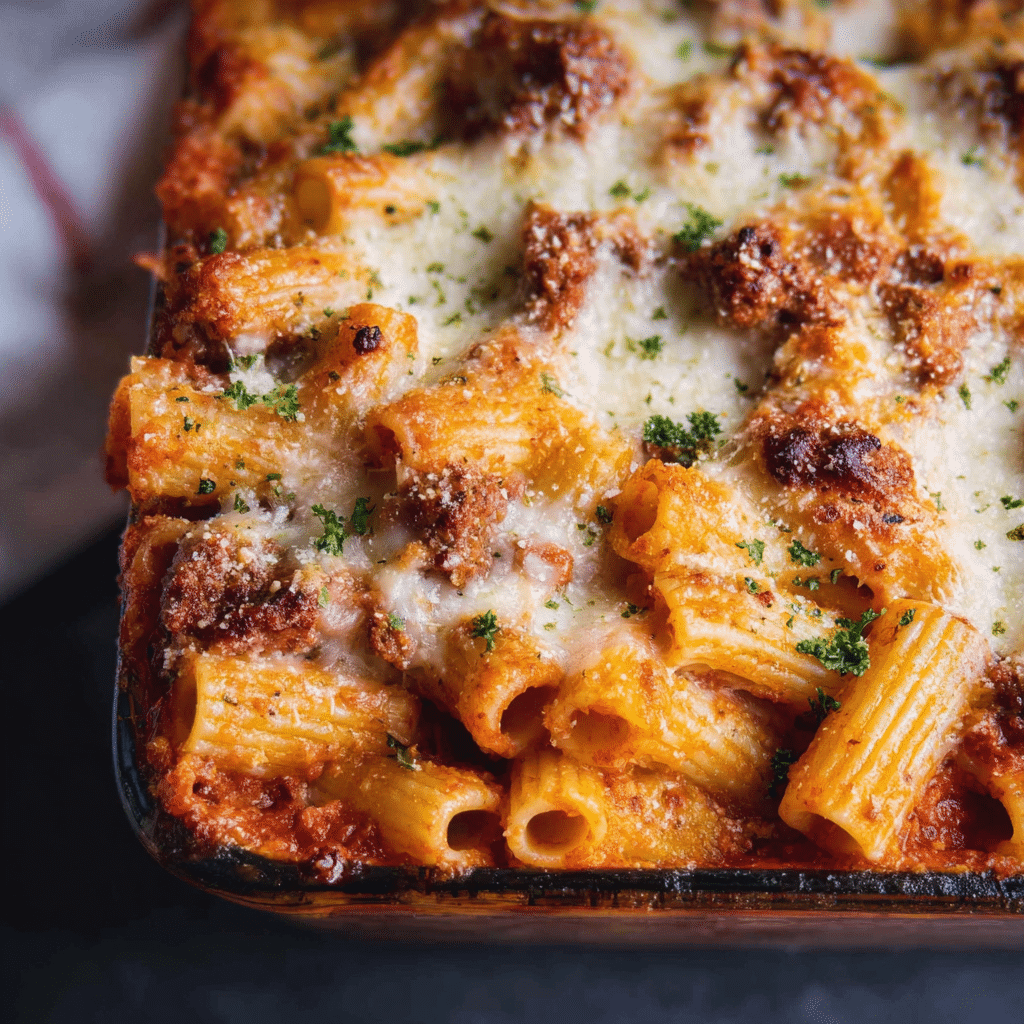
- Uncover and Brown: After 20 minutes, remove the foil and bake for an additional 10-15 minutes, or until the cheese on top is bubbly and golden brown. This step is essential for achieving that coveted crispy cheese layer.
- Check for Doneness: To ensure your baked rigatoni is cooked through, insert a knife in the center. It should come out hot and steamy; if it feels cool, give it a few more minutes in the oven.
- Let it Rest: Once out of the oven, let the baked rigatoni sit for about 10 minutes. This resting period allows the dish to set, making it easier to serve. It also enhances the flavors as they continue to meld together.
Final Assembly
- Garnish: Just before serving, sprinkle freshly chopped basil or parsley on top for a pop of color and freshness. This little touch elevates the appearance and taste of your baked rigatoni.
- Serve: Using a large spoon, serve generous portions onto plates or bowls. Pair with a side salad and some crusty bread for a complete meal. Remember, the best baked rigatoni is best enjoyed with loved ones around the table.
- Storing Leftovers: If you have leftovers (which is rare because it’s so delicious!), let them cool before transferring to an airtight container. The rigatoni can be stored in the refrigerator for up to three days. Reheat in the oven or microwave until heated through.
- Avoid Common Mistakes: One of the common pitfalls is overcooking the pasta. Remember to cook it al dente, as it will continue to cook in the oven. Also, ensure your oven is preheated properly; an unheated oven can lead to uneven cooking.
- Chef’s Secrets: For an extra layer of flavor, consider adding a splash of white wine to your meat mixture while it’s cooking or sprinkle some grated parmesan cheese in between the layers of rigatoni and sauce. These little secrets can turn your best baked rigatoni into something truly spectacular!
With these detailed instructions, you’re well on your way to creating the best baked rigatoni that will impress your family and friends. Cooking is not just about following steps; it’s about enjoying the process and sharing the love through food. Bon appétit!
Professional Tips and Techniques for best baked rigatoni
When it comes to the best baked rigatoni, mastering the preparation is key to creating a dish that will dazzle your family and friends. As a passionate home cook, I’ve spent years perfecting my version of this comforting classic, and I’m excited to share some professional tips and techniques that can elevate your baked rigatoni to new heights. Let’s dive into the secrets that will make your dish truly outstanding!
Professional Techniques
To achieve the best baked rigatoni, understanding the fundamentals of pasta cooking is crucial. Always start with high-quality rigatoni; the tubular shape is perfect for holding onto sauces and cheese. Cook the pasta al dente, which means it should be firm to the bite. This is especially important because the pasta will continue to cook when it’s baked, and you don’t want it to turn mushy.
Next, consider the sauce. A rich, homemade marinara or a creamy béchamel can set your baked rigatoni apart. Don’t be shy about adding layers of flavor: sauté garlic and onions before adding your tomatoes, or include a splash of white wine for acidity. If you’re feeling adventurous, try adding a hint of nutmeg to your béchamel for a warm, aromatic touch.
Assembling your baked rigatoni is an art form in itself. Alternate layers of rigatoni, sauce, and cheese in a deep baking dish. I like to use a mix of mozzarella for stretch and parmesan for depth. Don’t forget to reserve a bit of cheese to sprinkle on top before it goes into the oven—this will create a lovely golden crust.
Troubleshooting Guide
No matter how experienced you are, challenges can arise when making the best baked rigatoni. One common issue is dryness. If your rigatoni comes out too dry, ensure that your sauce is sufficiently moist before baking. A good tip is to add a splash of pasta water or chicken broth to the sauce before layering it. This will help keep the dish juicy and flavorful.
Another common problem is uneven cooking. To ensure even heat distribution, cover your baking dish with foil for the first half of the baking time. This keeps moisture inside and allows the rigatoni to cook through. Remove the foil for the last 15 to 20 minutes to allow the cheese to brown beautifully.
Presentation Tips
best baked rigatoni, consider using a large, shallow dish to showcase the layers of pasta, sauce, and cheese. Once it’s out of the oven, let it sit for about 10 minutes before serving; this allows the layers to set and makes it easier to slice. Garnish with freshly chopped basil or parsley for a pop of color and freshness.
Pairing beverages with your meal can enhance the dining experience. A medium-bodied red wine, such as Chianti or a simple Cabernet Sauvignon, complements the rich flavors of the baked rigatoni beautifully. If you prefer white, a crisp Pinot Grigio can also work well, especially if your sauce leans towards the creamier side.
For those who like to meal prep, baked rigatoni is a fantastic dish to make in advance. You can assemble it a day ahead and keep it in the refrigerator until you’re ready to bake. Just add an extra few minutes to the baking time to ensure it’s heated through. You can also scale the recipe up or down depending on your needs. This flexibility makes it a go-to for family gatherings or a cozy weeknight dinner.
Creative Variations and Adaptations of best baked rigatoni
The beauty of best baked rigatoni lies in its versatility. While the classic version is undeniably comforting, don’t hesitate to explore creative variations and adaptations that cater to your taste and dietary needs. Let’s explore some exciting twists that can bring new life to this cherished dish!
Seasonal Variations
One of the joys of cooking baked rigatoni is the ability to incorporate seasonal ingredients. In the fall, consider adding roasted butternut squash or sautéed mushrooms for an earthy flavor profile. A sprinkle of sage or thyme can enhance the seasonal essence. During the summer months, fresh zucchini, yellow squash, or ripe tomatoes can be folded into the dish for a lighter touch. The key is to let the seasonal produce shine, creating a dish that feels fresh and vibrant.
Another delightful option is to experiment with different sauces. For instance, a spinach and ricotta mixture can be a delightful change, giving a nod to classic Italian dishes like lasagna while still allowing the rigatoni to take center stage. Pairing this with a light tomato sauce will create a delightful contrast in flavors and textures.
Dietary Adaptations
In today’s culinary landscape, dietary preferences and restrictions are more prevalent than ever. If you’re catering to a gluten-free crowd, opt for gluten-free rigatoni made from chickpeas or lentils. These alternatives offer a unique flavor and texture while still holding the sauce beautifully. For a vegan version, replace cheese with a blend of cashews, nutritional yeast, and lemon juice to create a creamy, cheese-like sauce that’s both delicious and satisfying.
If you’re mindful of carbs, consider a keto adaptation by substituting the rigatoni with spiralized zucchini or baked cauliflower florets. The key is to ensure your sauce remains flavorful and rich, as these substitutes may require a bit more seasoning to compete with the traditional pasta.
Creative Twists
The best baked rigatoni can also be a canvas for international fusion. Why not try a Mexican twist by adding chorizo and black beans, layering them with a spicy tomato sauce and cheese? The result is a vibrant, hearty dish that brings together the best of both worlds.
For those who enjoy a bit of heat, consider drizzling sriracha or adding jalapeños to the mix for a spicy kick. Alternatively, transform your baked rigatoni into a comforting Italian-American dish by incorporating meatballs or sausage. The fusion of flavors can create a dish that feels familiar yet exciting.
Lastly, don’t forget about those pesky leftovers. Baked rigatoni can be transformed into a delightful pasta bake the next day. Simply reheat it with a splash of broth, toss in some fresh vegetables, and top with more cheese. This not only minimizes waste but also gives you a new meal that feels like a treat.
In conclusion, the best baked rigatoni is a dish that can adapt to your culinary whims and seasonal availability. Embrace creativity and feel free to play with ingredients, techniques, and presentations. Each iteration not only tells a new story but also enriches your cooking repertoire. Bon appétit!
Storage, Reheating, and Meal Prep for best baked rigatoni
When it comes to enjoying the best baked rigatoni, proper storage, reheating, and meal prep techniques are essential to keeping that deliciousness intact. Whether you’re a cooking novice or a seasoned pro, knowing how to store your baked rigatoni can elevate your dining experience and reduce food waste. I remember the first time I made a large batch of baked rigatoni for a family gathering. I was so excited about the leftovers, but I quickly realized that I needed a plan for storage. Let’s dive into how you can keep your best baked rigatoni fresh and flavorful for days to come.
Short-term Storage
Once you’ve baked your rigatoni to perfection and served it up, you may find yourself with leftovers. The first step in short-term storage is ensuring that your rigatoni cools down to room temperature before putting it in the fridge. This step is crucial to avoid condensation, which can lead to soggy pasta. I often let my rigatoni sit in the baking dish for about 30 minutes before transferring it to storage containers.
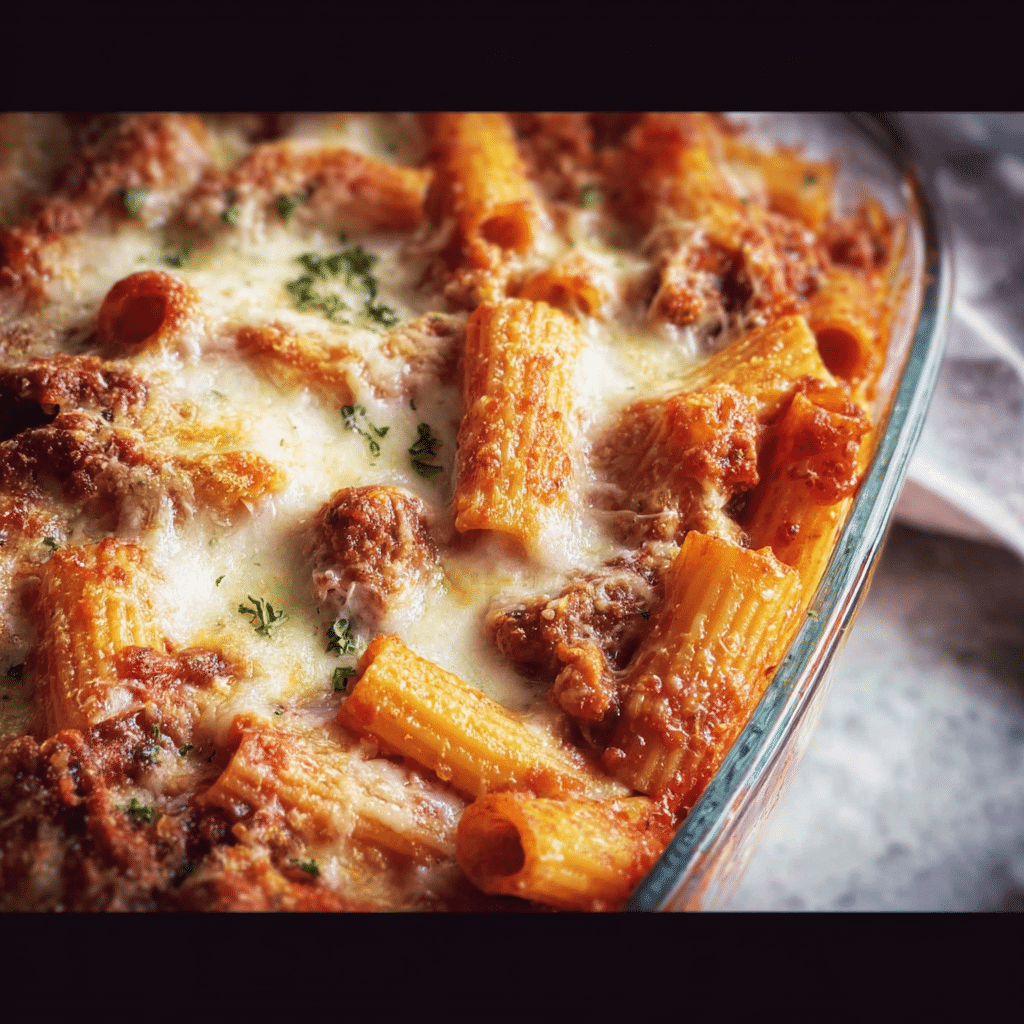
For refrigerator storage, I recommend using airtight containers. Glass containers are particularly great because they don’t retain odors like plastic can. You can also portion out the rigatoni into smaller containers for easy serving later on. Portioning not only helps with reheating but also makes it easier to grab a single serving for lunch or dinner. Generally, best baked rigatoni can be stored in the fridge for about 3 to 5 days. However, be sure to keep an eye (and nose) out for any signs of spoilage.
Freezing and Long-term Storage
If you want to extend the life of your best baked rigatoni, freezing is a fantastic option. Before freezing, ensure the rigatoni is completely cooled. I often divide my baked rigatoni into single-serving portions, allowing for quick meals on busy weeknights. Using freezer-safe containers or heavy-duty aluminum foil can help protect it from freezer burn, which can ruin the texture and flavor.
When freezing, I recommend wrapping the rigatoni tightly. If using aluminum foil, double wrap it for added protection. You can also use freezer bags, but be sure to remove as much air as possible before sealing. The rigatoni can be kept in the freezer for up to 3 months. Just remember to label your containers with the date, so you can keep track of how long they’ve been stored.
Reheating Best Practices
When it’s time to enjoy your best baked rigatoni again, reheating correctly is vital to maintaining its deliciousness. The oven is my preferred method for reheating, as it helps to keep the pasta from becoming mushy. Preheat your oven to 350°F (175°C) and transfer the rigatoni to an oven-safe dish. Cover it with aluminum foil to prevent it from drying out and heat for about 20-25 minutes, or until it’s warmed through.
If you’re in a rush, the microwave is a quick alternative. Just be sure to add a splash of water or sauce to keep it moist, and cover it with a microwave-safe lid or plate to trap steam. Reheat in 30-second intervals, stirring in between, until warmed through. While reheating in the microwave may not yield the same texture as the oven, it’s still a convenient option when time is tight.
Food safety is another vital consideration. Always check that your rigatoni is heated to an internal temperature of 165°F (74°C) before consuming. This ensures that any potential bacteria from storage are eradicated.
In summary, proper storage, freezing, and reheating techniques can greatly extend the life and quality of your best baked rigatoni. With a little planning and care, you can enjoy this comforting dish over multiple meals, making it perfect for meal prep or simply enjoying leftovers.
Nutritional Benefits and Health Information
When we talk about the best baked rigatoni, it’s easy to get lost in the gooey cheese and savory sauce. However, it’s essential to consider the nutritional aspects that come with this beloved dish. As a home cook, I’ve often found myself not just enjoying the flavors but also thinking about how to make my meals as nourishing as possible. Let’s explore the nutritional benefits, health information, and how this dish fits into various dietary needs.
Nutritional Profile
The nutritional breakdown of best baked rigatoni can vary depending on the ingredients used, such as the type of cheese, sauce, and any added proteins like ground meat or vegetables. On average, a serving of baked rigatoni can contain around 350-500 calories, with a macronutrient distribution of approximately 20-25g of protein, 40-50g of carbohydrates, and 15-20g of fat. This balance provides a satisfying meal that can keep you full for hours, especially when you pair it with a side salad.
Carbohydrates in pasta are essential for energy, making it a favorite choice for athletes and active individuals. Whole wheat or gluten-free options can add additional fiber, which is beneficial for digestive health. The protein content from cheese and any added meats contributes to muscle repair and growth. However, if you’re looking to reduce calories or fat, consider using lower-fat cheese or a mix of vegetables to bulk up the dish while cutting back on high-calorie ingredients.
Health Benefits
One of the most significant health benefits of best baked rigatoni comes from the use of tomatoes in the sauce. Tomatoes are rich in lycopene, an antioxidant that has been linked to heart health and cancer prevention. Adding spinach or other leafy greens can boost the dish’s vitamin A and iron content, making it not just a comfort food but also a nutrient-dense option.
Additionally, if you choose to incorporate lean proteins like turkey or chicken, you’ll be adding essential nutrients like B vitamins, which are crucial for energy metabolism. The inclusion of vegetables not only enhances flavor but also increases fiber content, aiding in digestion and promoting satiety. The versatility of baked rigatoni allows you to tailor it to your health goals while still enjoying a hearty meal.
Dietary Considerations
When preparing the best baked rigatoni, it’s important to consider various dietary needs and restrictions. For those who are gluten intolerant, using gluten-free pasta is a simple swap that allows everyone to enjoy this dish. Similarly, for those watching their carbohydrate intake, alternative pasta options made from legumes or vegetables can be used without sacrificing the essence of baked rigatoni.
For vegetarian or vegan diets, you can easily modify the recipe by substituting cheese with plant-based alternatives and using a vegetable-rich sauce. I’ve experimented with cashew cheese, which provides a creamy texture without the dairy! Additionally, when considering allergen information, always be cautious of ingredients like nuts or dairy, particularly if you’re cooking for a crowd.
In summary, the best baked rigatoni can be a wholesome and filling meal that caters to various dietary needs. With a little creativity and thoughtful ingredient choices, you can enjoy this classic dish while ensuring it aligns with your health goals. So whether you’re indulging in a cheesy plate of rigatoni or transforming it into a healthier version, it remains a dish that nurtures both the body and soul.