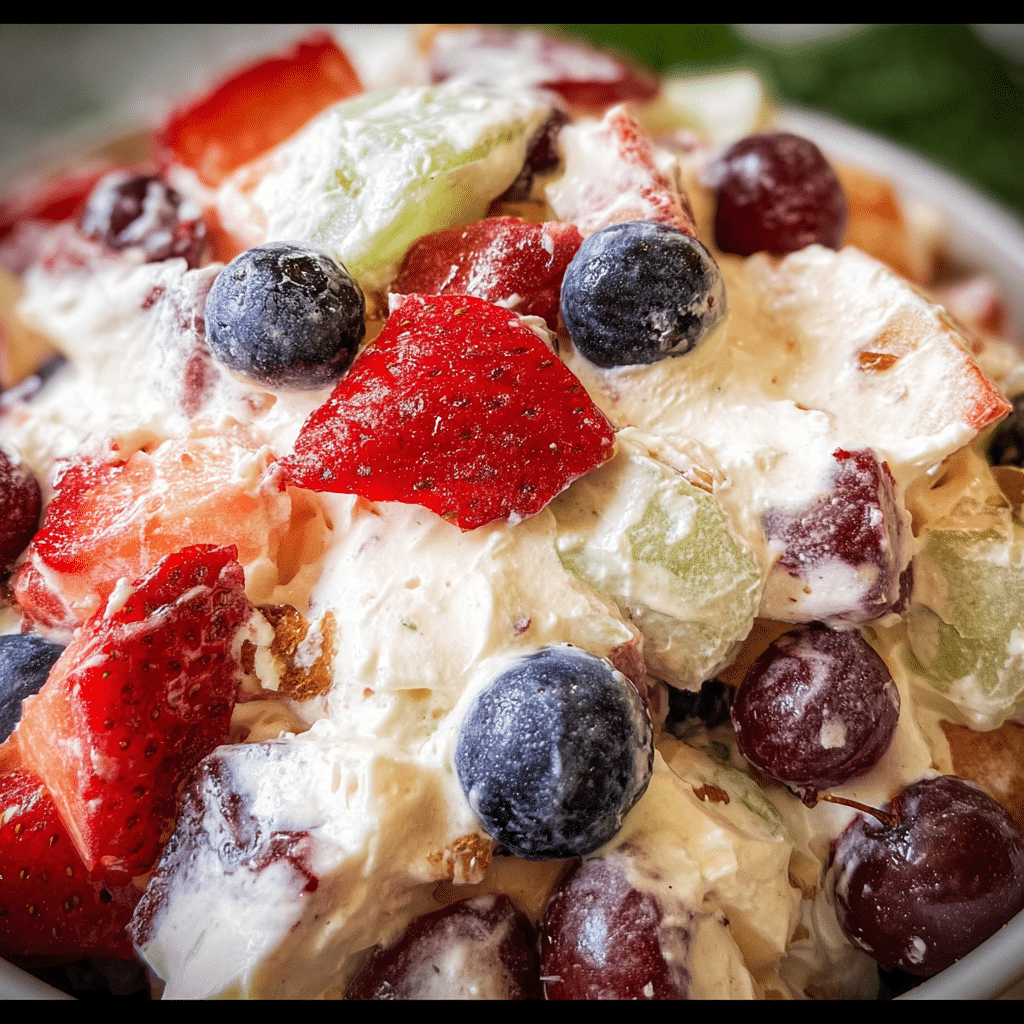
Best grape salad—these three words evoke a sense of refreshing delight, a vibrant medley of flavors that dances upon your palate. My journey to discovering the ultimate grape salad recipe began on a warm summer afternoon at a family reunion. Picture this: a long picnic table stretched across a sun-drenched backyard, adorned with colorful platters of food, laughter echoing, and the sweet scent of blooming flowers hanging in the air. As I navigated through the spread, something caught my eye—a bowl of grape salad, glistening invitingly in the sunlight. Little did I know, this would ignite my passion for a dish that would soon become a staple in my home.
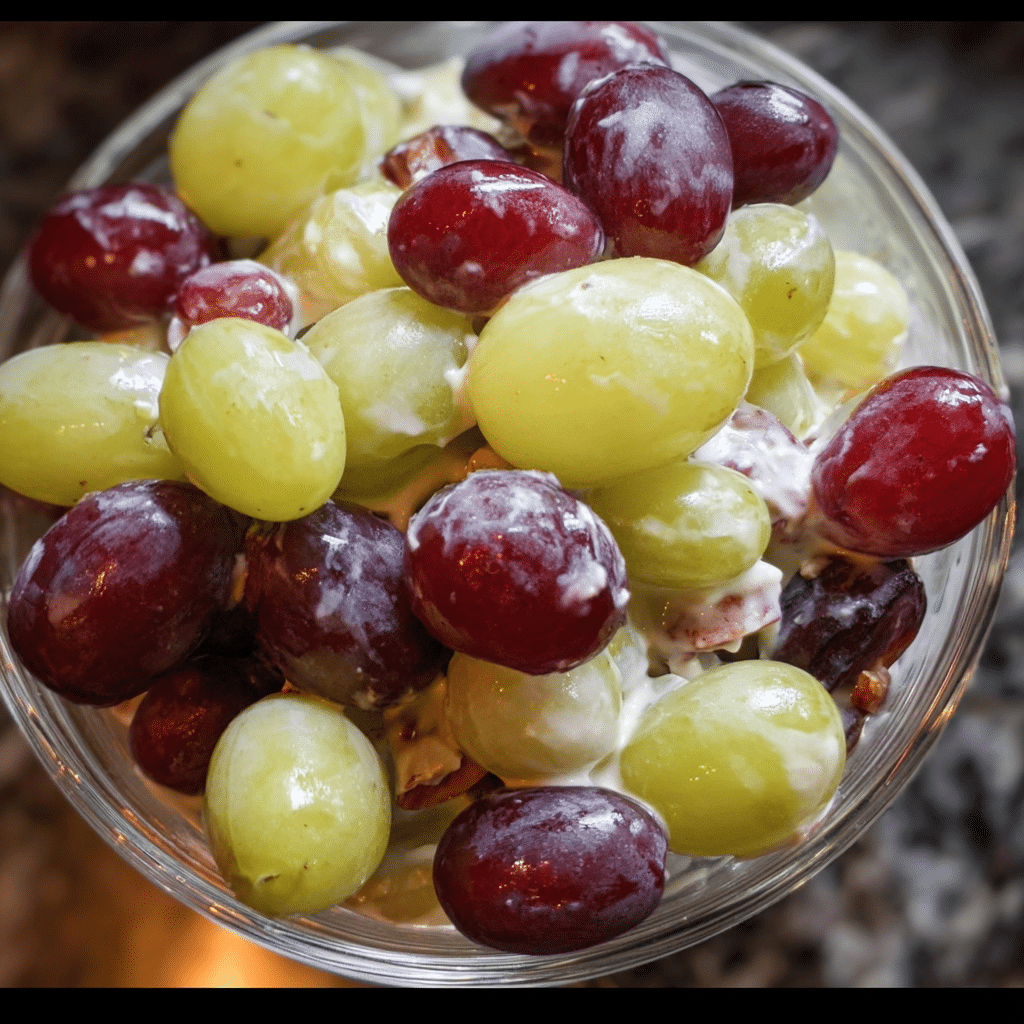
As I took my first bite, I was hit with a burst of sweetness from the grapes, harmoniously balanced by the tangy creaminess of the dressing. It was a flavor explosion that I had never experienced before. I quickly learned that this was no ordinary salad; it was a family recipe passed down through generations, each adding their unique twist. I left that gathering with not just a full stomach but also a newfound appreciation for the versatility and simplicity of best grape salad. It became a part of my culinary repertoire, a dish I could whip up in minutes, yet one that always drew compliments from family and friends.
The Story Behind This Recipe
The origins of grape salad can be traced back to the United States, particularly popular in the Midwest, where potluck gatherings are a beloved community tradition. Traditionally, grape salad combines fresh grapes with creamy ingredients like cream cheese, yogurt, or whipped topping, sometimes enhanced with nuts, sugar, and even a sprinkle of cinnamon. The beauty of this dish lies in its adaptability; it can be made richer or lighter depending on personal preferences or dietary needs. For me, every time I prepare it, I’m reminded of that sunny afternoon, the laughter shared, and the way food brings people together.
What makes this recipe truly special, however, is its ability to cater to the busy lives we lead today. In a world where time is a luxury, the best grape salad serves as a refreshing option that doesn’t require hours in the kitchen. It’s a crowd-pleaser that can be thrown together in about 15 minutes, making it ideal for those hectic weeknights or impromptu gatherings. Toss in some grapes, a creamy dressing, and perhaps some crunchy nuts, and you’ve got a dish that’s not only pleasing to the eyes but also to the taste buds.
Why You’ll Love This Dish
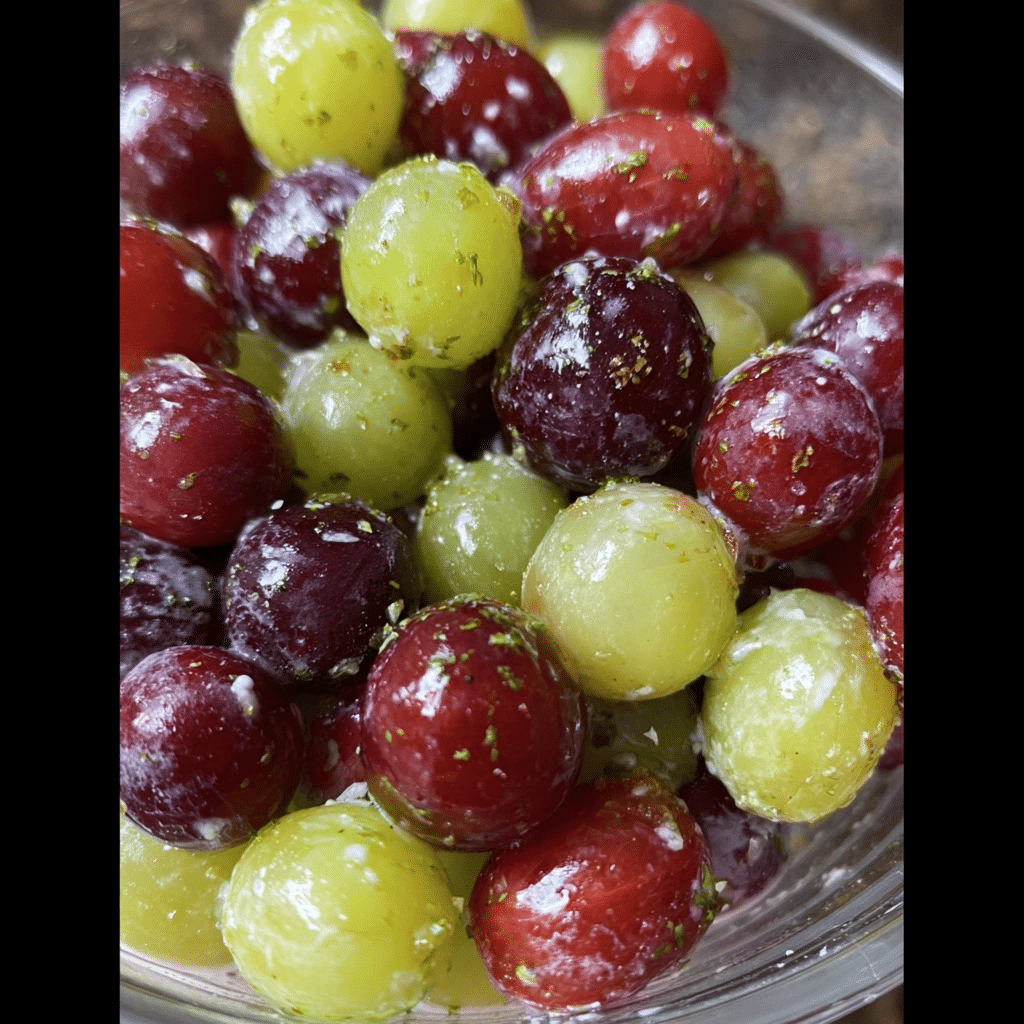
As the seasons change, so does the availability of fresh produce, but grape salad remains delightfully relevant year-round. In the summer, it’s a cool, refreshing complement to grilled meats; in the fall, it can be a delightful side for Thanksgiving feasts. I find myself making it more frequently during the warmer months, when juicy, ripe grapes are at their peak. The vibrant colors of the salad—purple, green, and sometimes flecks of red—echo the beauty of a summer garden and bring a sense of joy to any table.
But it’s not just the flavors that draw me back to this dish time and again; it’s the emotional connection. Every time I make the best grape salad, I think of family gatherings, laughter, and the warmth of sharing a meal together. It embodies comfort and celebration, a way to bond with loved ones over something simple yet exquisite.
In this article, you will uncover not only the recipe that has captured my heart but also the nuances that make grape salad a beloved dish in many households. You’ll learn about the ingredients that elevate it, tips for customizing your own version, and even the nutritional benefits that make it a guilt-free indulgence. By the end, I promise you’ll be inspired to create your own version of the best grape salad, making it a cherished part of your culinary repertoire.
Print
The Best Grape Salad
Ingredients
- 4 pounds seedless green grapes
- 1 (8 ounce) package cream cheese
- 1 (8 ounce) container sour cream
- ½ cup white sugar
- 1 teaspoon vanilla extract
- 4 ounces chopped pecans
- 2 tablespoons brown sugar
Instructions
- 4 pounds seedless green grapes
- 1 (8 ounce) package cream cheese
- 1 (8 ounce) container sour cream
- ½ cup white sugar
- 1 teaspoon vanilla extract
- 4 ounces chopped pecans
- 2 tablespoons brown sugar
The Rich History and Cultural Significance of best grape salad
The best grape salad is not just a delicious dish; it carries with it a rich history and cultural significance that spans across various communities. Its roots can be traced back to the early 20th century in the United States, where it began as a simple mix of grapes tossed with a creamy dressing. Over the years, it has evolved into a dish that showcases regional ingredients and variations, becoming a staple at potlucks, family gatherings, and holiday celebrations.
Origins and History
In its early days, the best grape salad recipe often included ingredients like sugar and nuts, giving it a sweet and crunchy profile. As culinary trends evolved, so did the recipe. Some modern variations incorporate ingredients such as cream cheese, sour cream, or even mascarpone for a richer flavor. This adaptability has allowed the dish to transcend generations, with each family adding their unique flair. For instance, some regions might add a sprinkle of cinnamon or even a hint of vanilla extract, while others might enhance it with fresh herbs like mint for a refreshing twist.
Cultural Significance
The cultural significance of grape salad is particularly pronounced in the context of American potluck culture. Potlucks, which are gatherings where guests bring a dish to share, have become synonymous with community bonding and celebration. Grape salad, with its vibrant colors and appealing flavors, serves as a symbol of hospitality and generosity. It’s often featured at church picnics, family reunions, and holiday gatherings, embodying the spirit of togetherness that food fosters.
Moreover, grape salad has made its way into many culinary repertoires beyond the Midwest. Renowned chefs and restaurants have embraced this dish, often giving it gourmet spins that elevate its status. For instance, upscale dining establishments might use organic grapes and craft sophisticated dressings that incorporate elements like honey or citrus zest, transforming a simple salad into an exquisite culinary experience. This evolution showcases the versatility of the best grape salad and its ability to adapt to current food trends while maintaining its core essence.
Nutritional Benefits
Beyond its delicious taste and cultural significance, the best grape salad also boasts a range of nutritional benefits that make it a guilt-free indulgence. Grapes are rich in antioxidants, vitamins C and K, and provide a significant amount of hydration due to their high water content. They are known for their anti-inflammatory properties and potential heart health benefits, making them a great choice for a nutritious snack or side dish.
When combined with ingredients like yogurt or cream cheese, the salad can also provide a good source of protein and calcium, depending on the type of dairy used. For those looking to reduce sugar, using Greek yogurt or a sugar-free whipped topping can create a healthier version without sacrificing taste. This flexibility allows families to enjoy the best grape salad while accommodating various dietary preferences, making it a beloved staple in homes across the country.
In summary, the rich history and cultural significance of the best grape salad are as compelling as its taste. From its humble beginnings to its status as a potluck favorite, this dish tells a story of community, tradition, and the joy of sharing food. As you explore the recipe and its variations, you’ll not only create a delicious dish but also connect with the heritage that has made grape salad a cherished part of American culinary culture.
Essential Ingredients for Perfect best grape salad
When it comes to creating the best grape salad, the ingredients you choose can make all the difference. The beauty of this dish lies not only in the harmonious blend of flavors but also in the quality and freshness of each component. Let’s dive into the essential ingredients that will help you craft the very best grape salad.
Essential Ingredients
- Chicken: For those who enjoy a protein-packed salad, grilled or roasted chicken breast can be a wonderful addition. It adds a hearty element to the dish, making it more satisfying. When selecting chicken, look for organic, free-range options if possible, as they tend to have better flavor and texture.
- Beef: If you prefer a different protein, thinly sliced beef can also work beautifully. Choose cuts like flank or sirloin, which become tender and flavorful when marinated and grilled. Again, opting for grass-fed beef can elevate the taste and nutritional profile.
- Pork: Pork can provide a delightful contrast to the sweetness of grapes. Items like prosciutto or grilled pork tenderloin add a savory note that complements the dish. Freshness is key; look for bright pink meat without any grey or browning.
- Seafood: Shrimp or crab can add a luxurious touch to your grape salad, especially in a summer setting. Fresh seafood should smell like the ocean, not fishy, and should be firm to the touch. Consider wild-caught options for better flavor.
- Pasta: For a more filling version, consider adding cooked pasta, such as orzo or fusilli. This transforms the salad into a complete meal. Choose whole grain pasta for added health benefits and a nuttier flavor.
- Fruits: Grapes are, of course, the star of the show! Aim for a mix of red and green grapes to create a vibrant color palette. Fresh, firm grapes that are plump and free from blemishes are ideal. Other fruits like apples, pears, or berries can also add complexity.
- Vegetables: Crunchy vegetables like cucumbers, bell peppers, or celery can enhance the texture of your grape salad. Look for bright, crisp produce that feels heavy for its size, indicating freshness.
- View All: The beauty of the best grape salad is its versatility. You can view all these ingredients and mix and match based on your preferences and what you have on hand.
Shopping Tips
When it comes to sourcing ingredients for the best grape salad, quality reigns supreme. For the best chicken, beef, and pork, consider shopping at local butcher shops or farmers’ markets where you can often find organic and ethically sourced options. Seafood should ideally come from reputable fishmongers or markets that prioritize sustainability.
During peak seasons, local produce is often more affordable and tastier. Grapes are usually best in the warm months, while vegetables and other fruits will vary by season. For instance, cucumbers are freshest in summer, while apples shine in the fall. Being mindful of seasonal availability will not only enhance the flavor of your dish but can also save you money.
Substitutions and Alternatives
Dietary restrictions shouldn’t keep you from enjoying the best grape salad. For those who are vegetarian, grilled tofu or chickpeas can replace meat proteins. If you have a gluten intolerance, consider using gluten-free pasta or omitting it altogether. Dairy-free alternatives like cashew-based cream can replace traditional dressings if you want to add creaminess without the dairy.
When it comes to storage, ensure that any leftover salad is kept in an airtight container in the fridge to maintain freshness. Most ingredients can last a few days, but it’s best to store the dressing separately to avoid sogginess. Planning your shopping around sales or buying in bulk can also help keep costs down while you create the best grape salad. Remember, it’s all about balance—both in flavors and in your budget!
Detailed Step-by-Step best grape salad Cooking Instructions
Creating the best grape salad is not just about gathering ingredients; it’s about mastering the art of preparation and assembly. With step-by-step instructions, we’ll explore how to bring all these delicious components together to create a vibrant, flavorful dish.
Preparation Steps
- Gather Ingredients: Collect all the ingredients you’ll need. This includes your choice of protein (chicken, beef, pork, or seafood), grapes, any additional fruits and vegetables, and your dressing components.
- Wash and Prep Fruits and Vegetables: Rinse all fruits and vegetables under cold water. For grapes, simply remove them from their stems and pat them dry. For cucumbers and bell peppers, slice them into bite-sized pieces. If you’re adding apples or pears, slice them thinly and toss them in lemon juice to prevent browning.
- Cook Your Protein: If using chicken, beef, or pork, season your meat with salt, pepper, and any other preferred spices. Heat a grill or frying pan over medium-high heat, adding a bit of oil to prevent sticking. Cook your protein until it reaches the appropriate internal temperature: 165°F for chicken, 145°F for pork, and 135°F for beef. For seafood like shrimp, cook until they turn pink and opaque.
- Prepare the Dressing: Whisk together your dressing ingredients. A simple blend of olive oil, balsamic vinegar, honey, and Dijon mustard works beautifully. Taste and adjust the seasoning to your liking.
- Cook Pasta (if using): If you’ve decided to add pasta, cook it according to package instructions until al dente. This typically takes about 8-10 minutes. Drain and rinse under cold water to cool.
- Mise en Place: Organize your workspace. Have all your prepped ingredients laid out and ready to go. This will streamline the process and help you avoid any last-minute chaos.
Cooking Process
As you move through the cooking process, engage all your senses. Pay attention to the sizzling sound of your protein cooking, the aroma of spices wafting through the air, and the vibrant colors of your vegetables and grapes.
Cooking time for the entire salad shouldn’t exceed 30 minutes if you’ve prepped efficiently. Make sure to multitask; while your protein is cooking, you can prepare the dressing and chop your veggies. This will help you stay on track and ensure everything is fresh and ready to go.
Final Assembly
- Combine Ingredients: In a large mixing bowl, combine the cooled pasta (if using), your cooked protein, all the chopped fruits and vegetables, and grapes.
- Add Dressing: Drizzle your prepared dressing over the top and gently toss everything together to ensure an even coating.
- Plate and Serve: Transfer the salad to a serving platter or individual bowls. Garnish with fresh herbs like parsley or mint for an added touch of freshness.
- Visual Cues: Look for bright colors and a well-mixed salad. The grapes should be glistening with dressing, and the protein should be evenly distributed throughout.
- Common Mistakes: Avoid overcooking your protein, which can lead to dryness. Also, be cautious not to add too much dressing at once; you can always add more, but it’s difficult to remove excess.
Finally, the beauty of the best grape salad lies in its versatility. Feel free to experiment with different combinations of ingredients to find what you love most. With these instructions, you’re well on your way to impressing family and friends with a dish that’s not only delicious but also visually stunning!
Professional Tips and Techniques for best grape salad
When it comes to creating the best grape salad, the finishing touches can elevate your dish from ordinary to extraordinary. Understanding the nuances of preparation, presentation, and pairing can make all the difference. Allow me to share some professional tips and techniques that I have gathered over the years, along with a few personal anecdotes to make the journey enjoyable.
Professional Techniques
One of the key aspects of making the best grape salad is selecting the right grapes. While you might be tempted to grab just any bag from the grocery store, consider visiting a local farmer’s market or a specialty store where you can find a variety of grapes, such as Concord, Thompson Seedless, or even Cotton Candy grapes. Each type has its unique flavor profile, and using a mix can add depth to your salad.
Washing your grapes properly is also crucial. I recommend using a vinegar solution—mix one part vinegar with three parts water—to eliminate any pesticides and bacteria. After soaking for about five minutes, rinse them thoroughly under cold water and dry gently with a kitchen towel. This method not only ensures cleanliness but also enhances the taste by allowing the natural sweetness of the grapes to shine through.
Cutting the grapes in half can provide a delightful burst of flavor with each bite. However, if you prefer to keep them whole for a more elegant presentation, that’s perfectly fine! Just remember to choose grapes that are small and firm, as they will hold their shape better.
Troubleshooting Guide
Even the most seasoned cooks can encounter issues when preparing the best grape salad. One common problem is a salad that becomes soggy or loses its vibrancy over time. To combat this, I suggest adding the dressing just before serving. If you’re making the salad ahead of time, keep the dressing separate until you’re ready to enjoy. Additionally, using a thicker dressing, like a creamy yogurt-based one, can help maintain the salad’s integrity.
Another issue can be overly sweet or bland flavors. If your grapes are too sweet, balance them out with a splash of acidity, like lemon juice or a vinegar-based dressing. For blandness, add a pinch of salt or some chopped herbs such as mint or basil to awaken the flavors.
Presentation Tips
Presentation plays a vital role in how we perceive food. For the best grape salad, consider using a large, shallow bowl to allow the colors and textures to shine. Layering the salad ingredients can create a stunning visual effect. Start with a base of greens, followed by a generous layer of halved grapes, and then finish with toppings such as nuts, cheese, or a drizzle of dressing. Garnishing with fresh herbs or edible flowers can add an extra pop of color and sophistication.
Consider using beautiful serving dishes that complement the vibrant colors of your salad. When plating, make sure to include a variety of textures and colors to entice the eye. You might even want to place some grapes on the side, creating a beautiful cascade effect that draws in your guests.
Pairing beverages with the best grape salad can elevate your dining experience. A light white wine, such as Sauvignon Blanc or a refreshing sparkling water with lemon, can enhance the salad’s flavors without overpowering them. If you’re serving this dish at a summer gathering, a chilled rosé can also be a delightful accompaniment.
Lastly, don’t forget to engage your guests with the story of your salad. Share anecdotes about the ingredients or the inspiration behind the dish; this personal touch can make the meal feel even more special.
Creative Variations and Adaptations of best grape salad
While the classic version of the best grape salad is undeniably delicious, the beauty of this dish lies in its versatility. With just a few tweaks, you can create endless variations that cater to different tastes and dietary preferences. Let’s explore some creative adaptations and seasonal swaps that will keep your grape salad exciting and fresh!
Seasonal Variations
The best grape salad can be transformed with the changing seasons. In the spring, consider adding fresh strawberries or blueberries for a burst of color and flavor. The sweetness of the berries works harmoniously with the grapes, creating a refreshing twist. In the fall, think about incorporating diced apples or pears, along with a sprinkle of cinnamon, for a cozy, autumnal vibe.
During the summer months, you can easily swap out the greens for a bed of cool, crisp romaine lettuce or even a mixture of arugula and spinach. Toss in some toasted walnuts for a crunchy texture and a drizzle of honey vinaigrette to tie the flavors together. This summer variation is perfect for barbecues and picnics, where every bite feels like a celebration of the season.
Dietary Adaptations
One of the best things about the best grape salad is its adaptability to various dietary needs. For those following a vegan lifestyle, you can substitute traditional dairy-based dressings with a tahini or cashew cream dressing. Not only does this keep the salad plant-based, but it also adds a rich, nutty flavor that complements the grapes beautifully.
If you’re looking to cater to a keto diet, consider omitting high-carb ingredients like croutons or sugary dressings. Instead, focus on adding more nuts and seeds, which not only provide healthy fats but also add a satisfying crunch. A simple lemon olive oil dressing can keep the flavors bright without adding unnecessary carbs.
Creative Twists
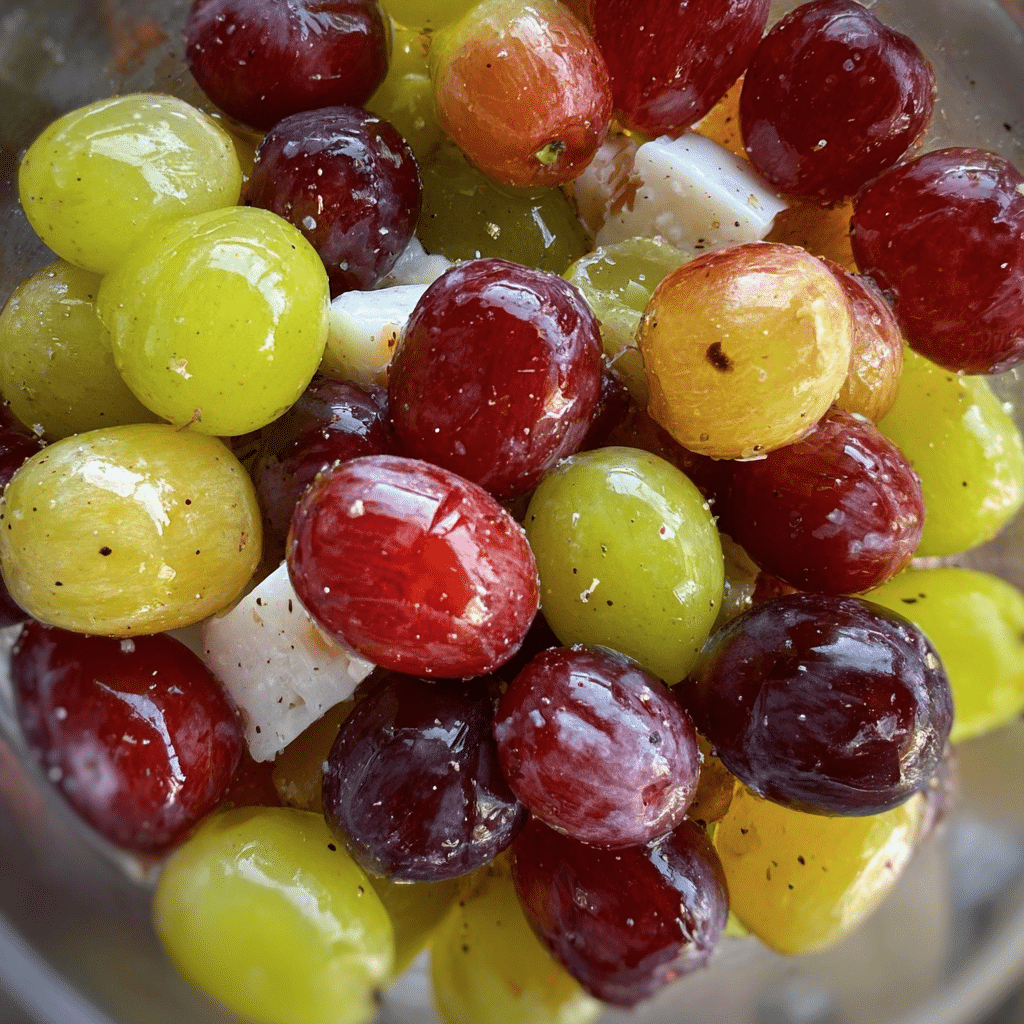
Want to take your grape salad to an international level? Think about infusing global flavors into your dish. For instance, a Mediterranean twist could incorporate feta cheese, olives, and a drizzle of balsamic glaze. The salty and savory elements contrast beautifully with the sweetness of the grapes, making for an unforgettable experience.
Alternatively, you could go for an Asian-inspired variation by adding sesame oil, soy sauce, and a sprinkle of sesame seeds. Toss in some crunchy water chestnuts and sliced bell peppers for added texture and color. This fusion style brings a whole new dimension to the classic grape salad!
Another fun idea is to transform leftovers into a delicious dessert. If you have any grape salad remaining, blend it into a smoothie with a scoop of yogurt or ice cream for a quick, refreshing treat. The possibilities are endless, and experimenting with flavors and ingredients can lead to delightful discoveries.
Ultimately, the best grape salad is not just about the ingredients; it’s about the joy of sharing delicious food with loved ones. Whether you’re sticking to the classic recipe or trying out new variations, remember that the heart of cooking lies in creativity and personal expression. Enjoy the process, and happy cooking!
Storage, Reheating, and Meal Prep for best grape salad
When it comes to preparing the best grape salad, one of the most important aspects to consider is how to store it properly. This not only ensures that your salad maintains its freshness and flavor but also allows you to enjoy it over several days. Let’s dive into the nitty-gritty of storage, reheating, and meal prep strategies for your delicious best grape salad.
Short-term Storage
For short-term storage, the best course of action is to keep your grape salad in the refrigerator. After you’ve prepared your salad, transfer it into an airtight container. This is crucial because it helps to prevent exposure to air, which can lead to wilting and spoilage. I personally love using glass containers with locking lids; they not only keep everything fresh but also don’t impart any funky flavors that plastic sometimes can.
When you store the best grape salad in the fridge, it’s best to consume it within 3 to 5 days. If you notice any signs of spoilage, such as off smells or a change in texture, it’s best to err on the side of caution and discard it. To keep everything at its peak, consider layering the ingredients. For instance, you can place the grapes at the bottom to avoid crushing them with heavier toppings. If your salad includes nuts or crunchy toppings like granola, store those separately and add them just before serving to maintain their crisp texture.
Freezing and Long-term Storage
While grape salad is best enjoyed fresh, you may be wondering about freezing it for longer storage. Typically, I wouldn’t recommend freezing the best grape salad because the texture of grapes can change significantly after being frozen and thawed. They tend to become mushy due to their high water content. However, if you have a surplus of grapes and want to save them for smoothies or baking later, you can freeze them whole. Just wash, dry, and spread them out on a baking sheet to freeze individually before transferring them to a freezer bag.
If you choose to freeze any components of your salad, consider the individual ingredients instead of the assembled dish. For example, you can freeze any leftover dressing to use later, just make sure to label it with the date. When it comes to long-term storage, the best grape salad is best made fresh to enjoy its vibrant flavors and crunchiness.
Reheating Best Practices
Reheating may not generally apply to the best grape salad since it is usually served cold. However, if you have leftover grape salad that you’ve stored in the fridge and want to refresh it, you can bring it to room temperature by letting it sit out for about 30 minutes before serving. This can help to enhance its flavors, as cold temperatures can dull the taste of fresh ingredients.
In case you have a warm component, like a grilled chicken or another protein that may have been served alongside the salad, gently reheat it on the stove or in the microwave, making sure to avoid overcooking. Always aim to reheat just what you need, as repeatedly warming up food can lead to dryness and loss of flavor.
Meal prepping is a fantastic way to enjoy the best grape salad throughout the week without the hassle of daily preparation. When preparing your salad for meal prep, consider making the dressing separately and storing it in a small jar. Keep the salad ingredients in a separate container, and combine them only when you’re ready to eat. This will keep everything fresh and prevent sogginess.
When it comes to portioning your salad for meal prep, I recommend using small, clear containers so you can see what you have at a glance. Portioning helps to control serving sizes and reduce food waste. Generally, a serving size of grape salad is about 1 cup, which is a generous portion that can be paired with a protein for a well-rounded meal.
Lastly, don’t forget about food safety considerations! Always ensure your ingredients are fresh before preparation, and wash your grapes thoroughly to eliminate any pesticides or contaminants. Store your salad at a temperature below 40°F, and avoid leaving it out at room temperature for more than two hours to reduce the risk of bacterial growth. By following these guidelines, you can enjoy your best grape salad while keeping food safety in mind.
Nutritional Benefits and Health Information
The best grape salad isn’t just a treat for your taste buds; it’s also packed with nutritional benefits that make it a great addition to your meals. Let’s explore the nutritional breakdown, key health benefits of its ingredients, and how you can incorporate this delightful salad into various dietary plans.
Nutritional Profile
At its core, the best grape salad is a refreshing mix of grapes, often complemented by ingredients like nuts, cheese, and a creamy dressing. The primary ingredient, grapes, is a powerhouse of nutrients. A typical serving of grapes (about one cup) contains approximately 104 calories, 1.1 grams of protein, 0.2 grams of fat, and 27 grams of carbohydrates. They are also rich in dietary fiber, providing around 1.4 grams per serving, which aids in digestion and promotes a feeling of fullness.
In addition to grapes, many recipes for the best grape salad include nuts, which add healthy fats and additional protein. For instance, if you add almonds or walnuts, you’re not only enhancing the flavor but also boosting the salad’s nutritional profile. A handful of almonds can add about 6 grams of protein and 14 grams of fat, the majority of which are heart-healthy unsaturated fats.
Health Benefits
The health benefits of the best grape salad are extensive. Grapes are known for their high antioxidant content, particularly polyphenols, which can help reduce inflammation and lower the risk of chronic diseases. They are also a good source of vitamins C and K. Vitamin C is essential for immune function and skin health, while vitamin K plays a crucial role in bone health and blood clotting.
Adding nuts to your grape salad can also provide significant health benefits. Nuts are associated with lower rates of heart disease and can help in weight management. They are nutrient-dense, meaning they provide a lot of nutrients for relatively few calories, which is especially beneficial if you’re looking to maintain a healthy weight.
Dietary Considerations
The best grape salad can easily fit into various dietary plans, whether you’re following a vegetarian, gluten-free, or even a low-carb diet (with some modifications). For those who are vegan, consider substituting dairy ingredients like cheese with plant-based alternatives or omitting them altogether. You can even enhance the salad with additional fruits like apples or berries for a delightful twist.
If you’re concerned about allergens, be mindful of the nuts you choose to include. For instance, if you’re preparing the best grape salad for a gathering, it might be wise to keep the nuts on the side to accommodate guests with nut allergies. This way, everyone can enjoy the salad without any health concerns.
For those watching their calorie intake, consider using a lighter dressing or reducing the amount of sugar in your recipe. You can replace heavy creams with yogurt or even a simple vinaigrette to cut down on calories without sacrificing flavor. The versatility of the best grape salad makes it easy to modify to fit your dietary needs.
In comparison to similar dishes, the best grape salad stands out for its refreshing flavor and unique combination of textures. While traditional pasta salads or potato salads may be heavier and more calorie-dense, the best grape salad is light, refreshing, and can be enjoyed as a side dish or as a light main course.
In conclusion, the best grape salad is not just a delicious dish; it’s also a nutritious option that can fit into a variety of meal plans. Whether you’re enjoying it as a summer side or a year-round favorite, understanding its nutritional benefits will help you appreciate every bite even more.
Conclusion: Mastering the Perfect best grape salad
Creating the perfect best grape salad is more than just following a recipe—it’s about understanding the techniques, ingredients, and cultural significance behind this beloved dish. Throughout this comprehensive guide, we’ve explored everything from the historical origins to modern variations, ensuring you have all the knowledge needed to make this recipe your own.
Whether you’re a beginner cook or an experienced chef, the techniques and tips we’ve shared will help you create a best grape salad that’s not only delicious but also meaningful. Remember that cooking is a journey of discovery, and each time you make this dish, you’ll learn something new.
We encourage you to experiment with the variations we’ve discussed, adapt the recipe to your dietary needs, and most importantly, share it with the people you love. Food has the incredible power to bring people together, and The Best Grape Salad is the perfect dish to create lasting memories around your dinner table.
Don’t forget to share your cooking adventures with us on social media, and feel free to ask questions in the comments below. Happy cooking!
Share this recipe and let us know how it turned out! Tag us on social media for a chance to be featured.