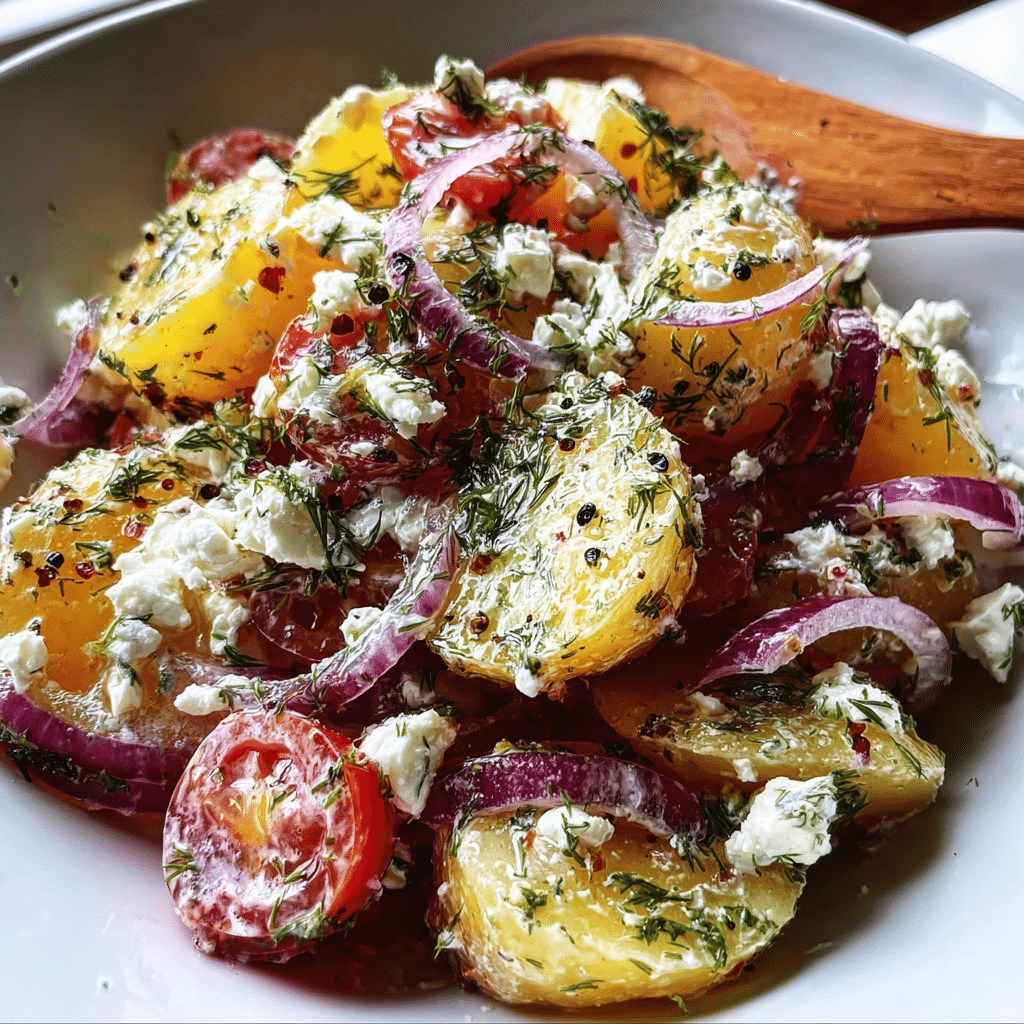
Turkish potato salad is not just a simple side dish; it’s a delightful fusion of flavors, textures, and cultures that brings people together. I still remember the first time I tasted this incredible dish during a family gathering at my friend’s house in Istanbul. It was a warm summer evening, and the aroma of freshly prepared dishes filled the air. As I sat at the long communal table, my friend’s grandmother proudly presented a large bowl of Turkish potato salad, dressed in a vibrant mix of herbs and spices. I was instantly captivated by its colors and the inviting smell that wafted through the air.
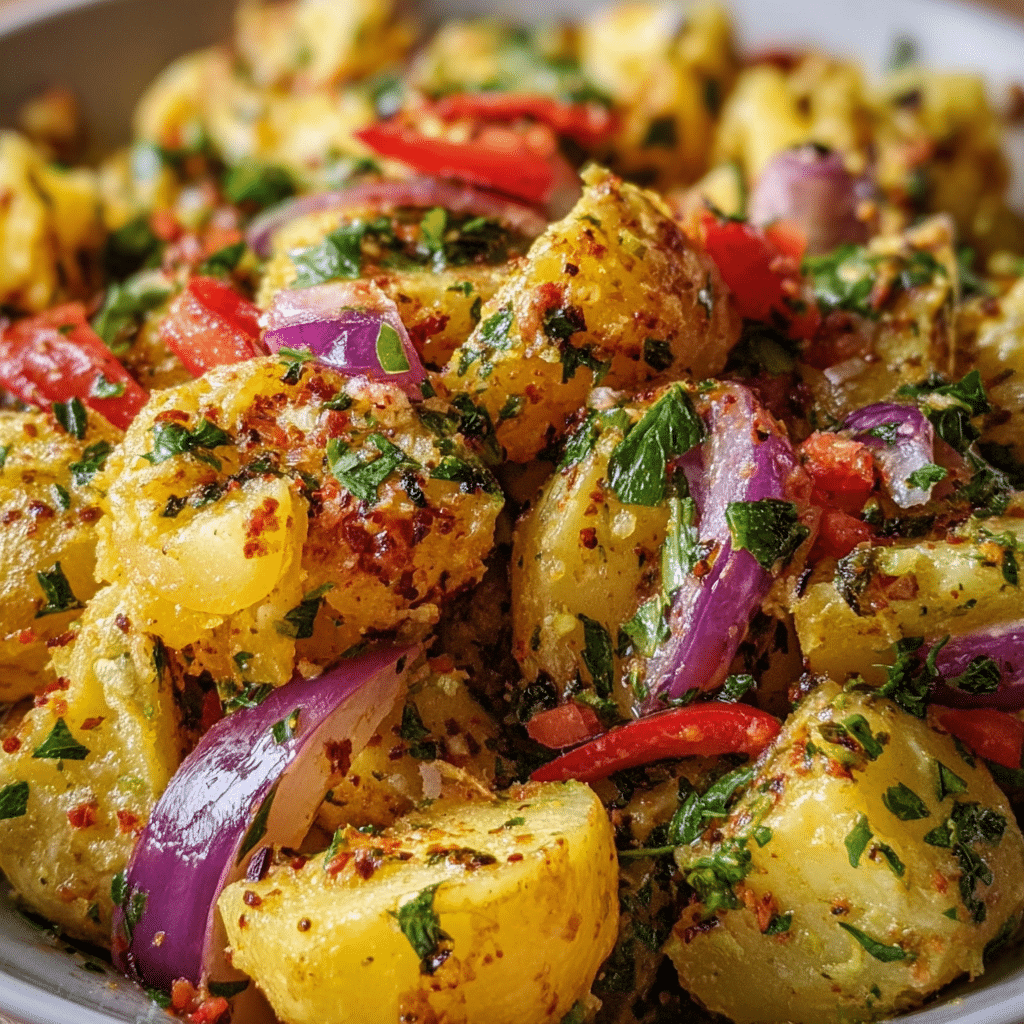
At that moment, I was transported back to the bustling streets of Turkey, where food is not just sustenance but a way of life, a means of expressing love and hospitality. As I took my first bite, I was met with a delightful combination of creamy potatoes, tangy lemon, and fresh herbs — a beautiful harmony that danced on my palate. I knew then that I had discovered something special, a recipe that would not just remain a favorite but would also become a cherished part of my culinary repertoire.
The Story Behind This Recipe
Turkish potato salad is a dish steeped in tradition, often served during festive occasions and family gatherings. Traditionally, it combines boiled potatoes, olive oil, lemon juice, and a variety of herbs and spices, creating a robust flavor profile that is distinctly Turkish. The origins of this dish can be traced back to the Ottoman Empire, where culinary practices were influenced by various cultures, leading to a rich tapestry of flavors that we can still enjoy today.
What sets Turkish potato salad apart from its Western counterparts is the use of fresh herbs and spices, such as parsley, dill, and sometimes pomegranate molasses, which lend it a unique depth of flavor. This dish is not just a side; it can easily stand alone as a light meal, making it an ideal choice for busy families looking for quick, nutritious dinner solutions. The beauty of Turkish potato salad lies in its versatility — you can serve it warm or cold, making it perfect for any season. Whether it’s a summer barbecue or a cozy winter dinner, this dish always finds a way to shine.
Emotionally, this dish holds a special place in my heart. Every time I prepare it, I am reminded of that summer evening in Istanbul, surrounded by friends and family, sharing stories and laughter. It evokes feelings of warmth, connection, and nostalgia, making it more than just a recipe — it’s a celebration of life.
In this guide, you will learn about the rich history and cultural significance of Turkish potato salad, along with tips on how to prepare it perfectly. From selecting the best ingredients to understanding the nuances of flavor combinations, I promise to take you on a culinary journey that will not only enhance your cooking skills but also deepen your appreciation for this beloved dish.
Why You’ll Love This Dish
If you’re looking for a dish that is both easy to prepare and packed with flavor, Turkish potato salad is your answer. Its simplicity makes it accessible to home cooks of all skill levels, while its complex flavors will impress even the most discerning palates. Plus, it’s a great way to incorporate more vegetables into your diet.
Moreover, this dish is perfect for meal prep. You can make a large batch, store it in the refrigerator, and enjoy it throughout the week. It pairs beautifully with grilled meats, fish, or even on its own as a light lunch. The vibrant colors of the salad also make it an eye-catching addition to any table, sure to impress your guests.
So, let’s dive deeper into the world of Turkish potato salad, explore its history, and discover how to make it a staple in your kitchen!
The Rich History and Cultural Significance of turkish potato salad
The rich history and cultural significance of Turkish potato salad are as layered as its ingredients. Rooted deeply in the culinary traditions of Turkey, this dish has not only survived the test of time but evolved into a beloved staple in households and restaurants alike. To truly appreciate Turkish potato salad, it is essential to understand its origins and how it has been embraced and adapted by various cultures.
Origins and History
The roots of Turkish potato salad can be traced back to the Ottoman Empire, a time when the fusion of cultures and cuisines was commonplace. The Ottomans were known for their lavish feasts, which often included a variety of salads made from fresh vegetables. While the concept of potato salad may not have existed in its current form, the idea of using seasonal produce tossed in flavorful dressings is a practice that dates back centuries.
Potatoes were introduced to Turkey in the late 18th century and quickly became a staple ingredient in many dishes due to their versatility and nutritional value. The adaptation of the humble potato into a salad form reflects the resourcefulness of Turkish cooks, who transformed simple ingredients into something extraordinary. Over the years, the dish evolved, incorporating local herbs, spices, and even seasonal vegetables, making it distinctly Turkish.
Today, you can find variations of Turkish potato salad across the country, each with its unique twist. In some regions, for instance, you might find the addition of pickles or olives, while others may include nuts for added texture. Regardless of the variation, the essence of the dish remains the same: a celebration of fresh, wholesome ingredients that are easily accessible.
Cultural Significance
Turkish potato salad holds significant cultural value, often served during family gatherings, weddings, and festive occasions. It embodies the spirit of Turkish hospitality, where food is a means of bringing people together. The preparation of this salad is often a communal activity, where family members gather to peel, chop, and mix ingredients, sharing stories and laughter in the process.
In Turkey, food is synonymous with love, and preparing a hearty dish like Turkish potato salad is a way to express care for family and friends. It is not uncommon for grandmothers to have their own secret recipes, passed down through generations, each with a story and a personal touch. This connection to family and tradition is what makes Turkish potato salad more than just a recipe — it is a vessel of memories and shared experiences.
Nutritional Benefits
Beyond its cultural significance, Turkish potato salad is also packed with nutritional benefits. Potatoes are an excellent source of vitamins C and B6, potassium, and fiber, making them a healthy choice for any meal. When combined with fresh herbs and high-quality olive oil, this dish provides a well-rounded nutritional profile that supports overall health.
The addition of ingredients like onions, garlic, and lemon not only enhances the flavor but also adds anti-inflammatory and antioxidant properties. This makes Turkish potato salad not just a delicious option but a health-conscious one as well. Whether you are looking to enjoy a light meal or serve a side dish at a gathering, this salad offers a nutritious solution that is satisfying and flavorful.
In conclusion, the rich history and cultural significance of Turkish potato salad make it a dish worth exploring. Its evolution over time reflects the adaptability and creativity of Turkish cuisine, while its nutritional benefits ensure that it remains a healthy option for any table. As you embark on your journey to create this dish, remember that you are not just preparing food; you are participating in a long-standing tradition that honors family, friendship, and the love of good food.
Essential Ingredients for Perfect turkish potato salad
When it comes to creating the perfect turkish potato salad, the ingredients you choose can make all the difference. Each component not only contributes to the overall flavor but also plays a vital role in the texture, appearance, and nutritional value of the dish. In this section, we will delve into the essential ingredients, their significance, and tips for sourcing and selecting the best options.
Essential Ingredients
- 3 pounds (about 4 to 5 large) potatoes – The type of potato you use can affect the texture of your salad. For a creamier texture, opt for Russet potatoes. If you prefer a firmer bite, Yukon Gold potatoes are the way to go. Both varieties absorb flavors beautifully and serve as the perfect base for your turkish potato salad.
- 1 green bell pepper, diced – This ingredient adds a refreshing crunch and a pop of color to your salad. Choose a fresh, firm green bell pepper with a glossy skin. Avoid any that feel soft or have blemishes.
- 4 green onions, diced – Green onions lend a mild onion flavor and a subtle hint of sweetness. When selecting green onions, look for bright green tops and firm white bulbs. The fresher they are, the better they will taste in your turkish potato salad.
- ⅓ cup chopped parsley – Fresh parsley adds a vibrant color and a fresh, herbaceous note. Look for parsley that is bright green and crisp. Avoid any that appears wilted or yellowing.
- 2 tablespoons chopped fresh mint – Mint brings a refreshing element to the dish, balancing the richness of the potatoes. Choose fresh mint leaves that are bright and fragrant. Dried mint can be used in a pinch but fresh is always best.
- 3 tablespoons olive oil – A high-quality extra virgin olive oil is essential for flavor. Look for oil that is dark green in color and has a robust, fruity aroma. This will enhance the overall taste of your turkish potato salad.
- 1 tablespoon freshly squeezed lemon juice – Fresh lemon juice adds acidity and brightness. It’s best to use freshly squeezed juice rather than bottled for optimal flavor.
- 2 teaspoons sea salt – Salt enhances all the flavors in your salad. Use sea salt for a more complex flavor profile.
- 1 teaspoon sumac – Sumac has a tangy, lemony flavor that is iconic in Mediterranean cuisine. It adds depth and a unique taste that elevates your turkish potato salad.
- 1 teaspoon Aleppo pepper (or red pepper flakes) – Aleppo pepper offers a mild heat and a fruity flavor. If you can’t find Aleppo, red pepper flakes can be a substitute, but adjust the quantity to your heat preference.
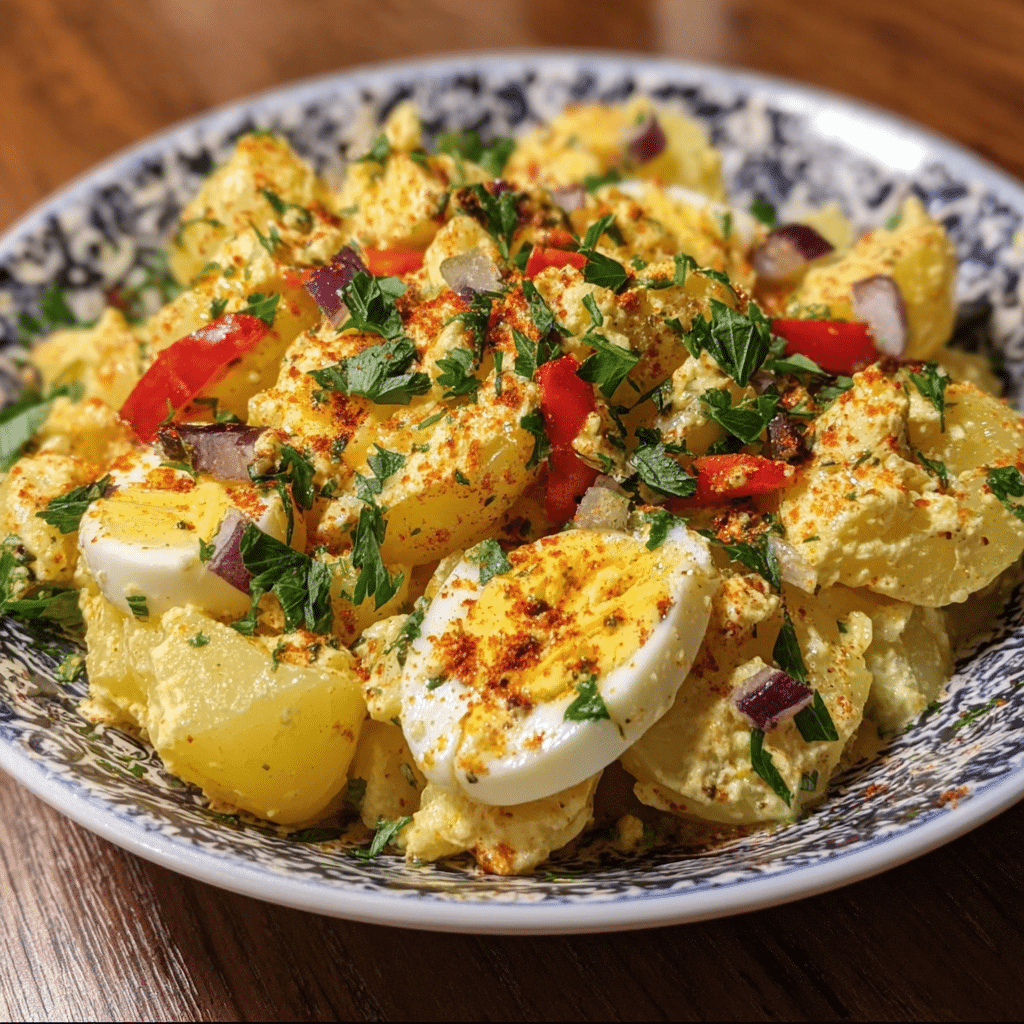
Turkish Potato Salad
Ingredients
- 3 pounds (about 4 to 5 large) potatoes (use Russet for a creamier texture and Yukon Gold for a firmer texture)
- 1 green bell pepper, diced
- 4 green onions, diced
- ⅓ cup chopped parsley
- 2 tablespoons chopped fresh mint
- 3 tablespoons olive oil
- 1 tablespoon freshly squeezed lemon juice
- 2 teaspoons sea salt
- 1 teaspoon sumac
- 1 teaspoon Aleppo pepper (or red pepper flakes)
Instructions
- Bring a large pot of salty water to a boil.
- Boil potatoes for 20 to 30 minutes or until fork-tender.
- Allow potatoes to cool and then peel and dice them into large chunks.
- Combine the potatoes, green pepper, green onions, parsley, and mint in a large mixing bowl.
- Top with olive oil and lemon juice. Then sprinkle with the sumac, Aleppo pepper, and salt. Toss till combined.
- Serve immediately.
Shopping Tips
When shopping for ingredients for your turkish potato salad, consider visiting local farmers’ markets for the freshest produce. Seasonal vegetables not only taste better but are often more affordable. Potatoes can typically be found year-round, but their quality may vary by season. Aim for firm potatoes without any soft spots or sprouts.
For the herbs, fresh is always best. If you’re buying fresh mint and parsley, try to select organic options if possible, as they tend to have more flavor and fewer pesticides. If you cannot find fresh herbs, consider growing your own. They are easy to maintain and can flourish on a windowsill or in a garden.
Substitutions and Alternatives
Dietary restrictions can often pose a challenge in the kitchen, but there are plenty of substitutions available for the turkish potato salad. If you’re looking for a lower-carb option, consider substituting potatoes with cauliflower or even chickpeas for a different texture and flavor. For a vegan version, ensure your olive oil is of high quality and free of any animal-derived additives.
If you’re sensitive to spices, you can omit the Aleppo pepper or replace it with a milder spice like smoked paprika. Additionally, if you’re on a sodium-restricted diet, reduce the amount of salt or consider using a salt substitute.
Storage is another important consideration. Potatoes should be stored in a cool, dark place to avoid sprouting. Fresh herbs can be stored in the refrigerator wrapped in a damp paper towel to maintain their freshness. Olive oil should be kept in a dark bottle, away from heat.
Ultimately, the key to a delicious turkish potato salad is high-quality, fresh ingredients. By selecting the best components, you’ll ensure that your salad is bursting with flavor and texture, making it a hit at any gathering.
Detailed Step-by-Step turkish potato salad Cooking Instructions
Creating a delicious turkish potato salad is not only about selecting the right ingredients; it’s also about mastering the cooking process. This detailed guide will take you through each step, ensuring that your salad turns out perfectly every time.
Preparation Steps
- Wash and peel the potatoes: Begin by thoroughly washing your potatoes to remove any dirt. If you’re using Russet potatoes, peeling them is recommended for a creamier texture. However, if you opt for Yukon Gold, you can leave the skins on for added nutrition and texture.
- Cut the potatoes into uniform pieces: Chop the potatoes into 1-inch cubes. Ensuring uniform size will help them cook evenly. Larger pieces take longer to cook, while smaller pieces can become mushy.
- Prepare the vegetables: While waiting for the potatoes to cook, dice your green bell pepper and slice the green onions. Chop the parsley and mint as well. This mise en place will streamline your cooking process and keep your kitchen organized.
- Boil the potatoes: Place the potato cubes in a large pot and cover them with cold water. Add a pinch of salt to the water and bring it to a boil over high heat. Once boiling, reduce the heat to medium, and let them simmer for about 15-20 minutes, or until fork-tender. You’ll know they’re ready when a fork can pierce them easily but they’re not falling apart.
Cooking Process
- Drain and cool the potatoes: Once the potatoes are cooked, drain them in a colander and let them sit for a few minutes to cool slightly. You can also spread them out on a baking sheet to speed up the cooling process, which prevents them from becoming mushy.
- Combine the ingredients: In a large mixing bowl, combine the cooled potatoes, diced green bell pepper, green onions, chopped parsley, and mint. Toss gently to combine, being careful not to break the potato pieces.
- Prepare the dressing: In a separate bowl, whisk together the olive oil, freshly squeezed lemon juice, sea salt, sumac, and Aleppo pepper. This dressing is what ties all the elements of your turkish potato salad together.
- Mix the dressing into the salad: Pour the dressing over the potato mixture and gently fold everything together. Taste and adjust seasoning if necessary. The goal is to achieve a well-balanced flavor that highlights the freshness of the vegetables.
Final Assembly
- Chill before serving: For optimal flavor, cover the salad and refrigerate it for at least 30 minutes before serving. This allows the potatoes to absorb the dressing and flavors meld beautifully.
- Garnish and serve: Just before serving, give the salad a gentle toss. You can garnish with additional parsley or mint for a vibrant touch. Serve your turkish potato salad chilled or at room temperature as a side dish for grilled meats, or as part of a mezze platter.
- Storage tips: Leftovers can be stored in an airtight container in the refrigerator for up to three days. The flavors will continue to develop, making it even tastier the next day!
As you embark on this culinary journey, remember that cooking is not just about following recipes; it’s about enjoying the process and sharing delicious food with those you love. Your turkish potato salad will surely become a favorite, bringing a taste of Turkey to your table. Happy cooking!
Professional Tips and Techniques for turkish potato salad
When it comes to creating the perfect Turkish potato salad, there’s more to it than just boiling potatoes and tossing in some dressing. As someone who has spent countless afternoons in the kitchen experimenting with traditional Turkish dishes, I can assure you that a few professional tips and techniques can elevate your potato salad from ordinary to extraordinary. Let’s dive into the essential aspects that will help you nail this delicious dish.
Professional Techniques
First and foremost, the key to a great Turkish potato salad lies in the potatoes themselves. Choosing the right variety is crucial; waxy potatoes like Yukon Gold or new potatoes hold their shape well after cooking, making them perfect for salads. To achieve that tender yet firm texture, consider these steps:
- Boiling Method: Start by washing your potatoes thoroughly. If you prefer a rustic feel, leave the skins on; they add flavor and texture. Cut them into equal-sized chunks to ensure even cooking. Place them in a pot of cold, salted water, and then bring it to a boil. This method prevents the outside from cooking too quickly while the inside remains hard.
- Timing is Key: Boil the potatoes until fork-tender, which usually takes about 15 to 20 minutes, depending on the size of your chunks. Keep a close eye on them to avoid overcooking, which can lead to a mushy salad.
- Cooling Down: Once cooked, drain the potatoes and allow them to cool slightly. This is a great time to prepare your other ingredients. Cool potatoes absorb less dressing, which is an essential factor for maintaining that fresh texture.
Next, consider the dressing. A classic for Turkish potato salad is a simple yet flavorful vinaigrette made from olive oil, lemon juice, and vinegar. However, the magic happens with the addition of spices and fresh herbs. Don’t shy away from using fresh dill, parsley, or even mint, which can offer a burst of flavor. The balance of acidity and richness is vital, so taste as you go and adjust accordingly.
Troubleshooting Guide
Even the most seasoned cooks can run into a few stumbling blocks while preparing their Turkish potato salad. Here are some common issues and how to solve them:
- Potatoes Falling Apart: If your potatoes have turned into mush, it’s likely they were boiled too long. Next time, keep a close watch and test them for doneness with a fork.
- Too Much Dressing: If your salad feels overly oily or drenched, try adding more potatoes to balance it out. Alternatively, toss in some chopped vegetables like cucumbers or bell peppers to absorb some of that dressing.
- Flavorless Salad: If your salad lacks depth, consider adding a splash of vinegar or a squeeze of lemon. Sometimes a bit of salt can amplify the flavors, so taste-test as you mix.
Presentation Tips
The visual appeal of your Turkish potato salad can enhance the dining experience. Here are some suggestions for plating:
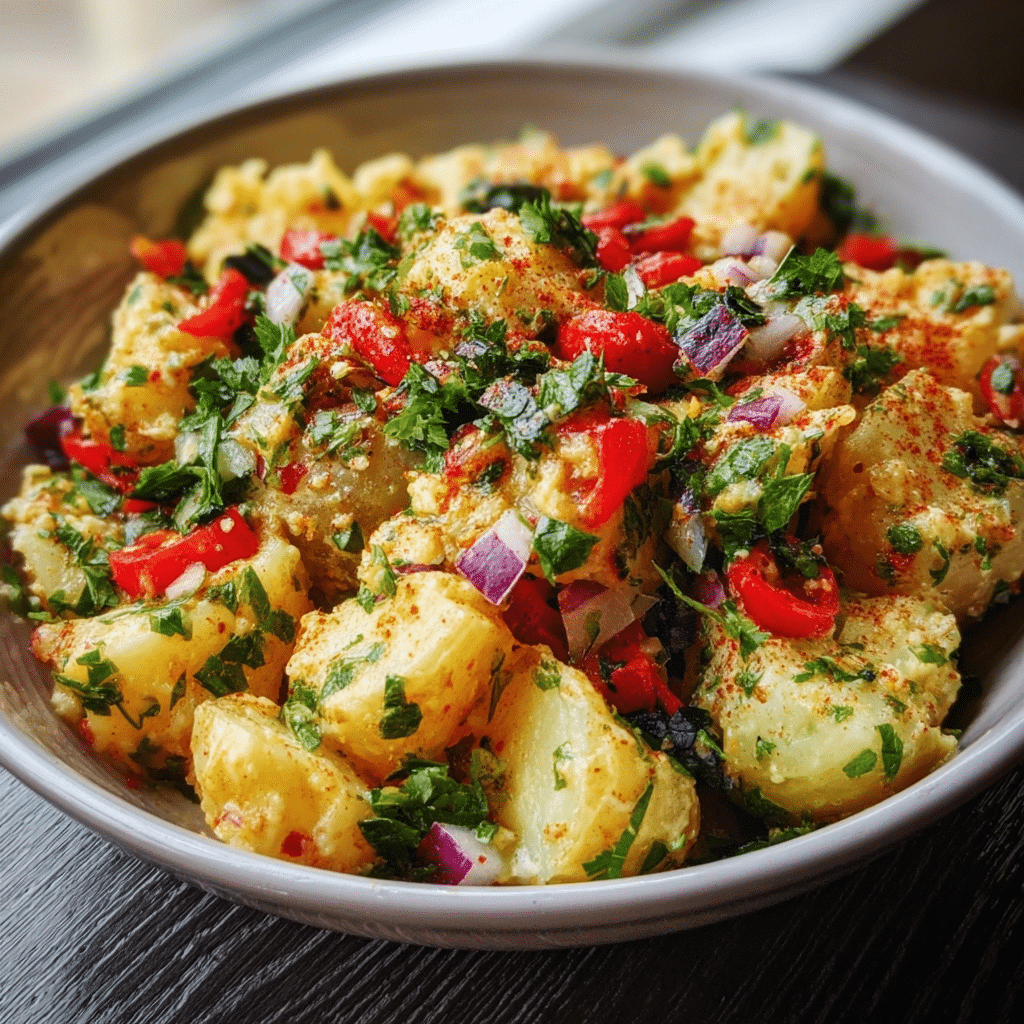
- Colorful Additions: Incorporating colorful ingredients such as diced red onions, cherry tomatoes, or bell peppers not only adds texture but also makes the dish visually appealing.
- Garnishing: Sprinkle freshly chopped herbs over the top just before serving. Not only do they add a pop of color, but they also enhance the aroma, making the dish more enticing.
- Serving Style: Consider serving your salad in a large, shallow bowl, allowing the layers to be seen. You could also use individual bowls for a more formal presentation.
Additionally, a chilled Turkish potato salad is always a hit. Prepare it a few hours in advance, allowing the flavors to meld beautifully. Just remember to give it a gentle toss before serving to redistribute the dressing.
For those who enjoy wine, pairing your Turkish potato salad with a crisp white wine, like a Sauvignon Blanc or a light-bodied red, can complement the dish well. The acidity in the wine will mirror the lemony dressing, bringing out the flavors in your salad.
Creative Variations and Adaptations of turkish potato salad
One of the most exciting aspects of creating a Turkish potato salad is the endless possibilities for variations and adaptations. As someone who loves to experiment in the kitchen, I often find that slight modifications can lead to delightful new creations. Let’s explore some creative variations that can add a unique twist to this classic dish.
Seasonal Variations
Embracing seasonal ingredients can significantly enhance your Turkish potato salad. For instance, in the summer, fresh corn, diced cucumbers, and ripe tomatoes can bring a refreshing crunch to your salad. In fall, consider incorporating roasted sweet potatoes or even pumpkin for a sweet flavor profile. Winter brings the opportunity to add roasted root vegetables like carrots and beets, which can add color and sweetness.
Moreover, you can also adjust your dressing based on what’s in season. For instance, during citrus season, a dressing made with freshly squeezed orange juice can impart a delightful sweetness and brightness, transforming your salad into a seasonal delight.
Dietary Adaptations
Today, many people are looking for ways to adapt traditional recipes to fit their dietary needs. The Turkish potato salad is surprisingly versatile in this respect:
- Keto-Friendly: To make a keto version, substitute potatoes with cauliflower. When boiled and mixed with the same dressing and herbs, it can mimic the texture and flavors of traditional potato salad.
- Vegan Options: The classic version is already quite vegan-friendly. However, if you’re looking to add creaminess without using dairy, consider incorporating avocado or a vegan mayonnaise made from cashews.
- Gluten-Free: Good news! The traditional Turkish potato salad is naturally gluten-free, making it an excellent choice for gatherings where dietary restrictions are a concern.
Creative Twists
If you’re feeling adventurous, think outside the box with your Turkish potato salad. Here are a few ideas to inspire you:
- International Fusion: How about adding some Asian flair? Toss in sesame oil, rice vinegar, and edamame for a unique twist. Alternatively, a Southwest version with black beans, corn, and a zesty lime dressing can turn this dish into a whole new experience.
- Spice Level Adjustments: For those who enjoy a kick, adding diced jalapeños or a sprinkle of cayenne pepper can liven up your salad. Just be sure to balance the heat with creamy elements like avocado or yogurt.
- Different Cooking Methods: While boiling is the traditional method, consider roasting your potatoes for a smoky flavor. The caramelization from roasting can add depth and complexity to your Turkish potato salad.
Finally, don’t forget about leftovers! If you have any salad remaining, transform it into a filling wrap or sandwich. Spread some hummus on a tortilla or bread, layer with greens, and add the potato salad for a hearty meal that’s full of flavor.
In conclusion, the Turkish potato salad is a dish that welcomes creativity and personalization. With these variations and adaptations, you can make it your own, while still honoring the traditional roots of this beloved dish. So roll up your sleeves, gather your ingredients, and let your culinary imagination run wild!
Storage, Reheating, and Meal Prep for turkish potato salad
When it comes to preparing dishes like turkish potato salad, understanding how to store, reheat, and meal prep is crucial for both flavor and food safety. As someone who has spent countless weekends in the kitchen experimenting with various recipes, I’ve learned that proper storage techniques can make the difference between a fresh, delicious dish and a soggy, unappetizing one. Let’s dive deep into the best practices for storing your turkish potato salad, ensuring it remains a delightful addition to your meals.
Short-term Storage
If you’ve just prepared a batch of turkish potato salad and you plan to enjoy it within a few days, short-term storage is your best friend. The key to maintaining its freshness lies in the container you choose. Airtight containers are essential; they prevent moisture and odors from mingling with your salad. My personal favorite is glass containers with locking lids. Not only do they keep everything fresh, but they also allow me to see what’s inside at a glance.
Before storing, let your turkish potato salad cool to room temperature. This is vital because placing hot food in the fridge can raise the temperature inside, leading to a breeding ground for bacteria. Once it has cooled, transfer it to your container, press down gently to eliminate any air pockets, and seal it tightly. Stored this way, it can last in the refrigerator for up to three to five days. However, I recommend consuming it within the first few days for the best quality.
Freezing and Long-term Storage
While turkish potato salad is best enjoyed fresh, you might find yourself with leftovers that you want to save for later. Freezing is a great option for long-term storage, but it requires a few considerations. First, not all ingredients in your salad will freeze equally. For example, potatoes freeze well, but any creamy dressings or fresh herbs may separate upon thawing, affecting the texture and flavor.
To freeze your turkish potato salad, I recommend first separating the potatoes from the dressing. You can freeze the cooked potatoes in a flat, resealable freezer bag, removing as much air as possible. The dressing can be stored separately in a smaller container. This way, you’ll maintain the integrity of both components. When you’re ready to eat, simply thaw the potatoes in the refrigerator overnight and mix them with the dressing before serving.
Freezing can extend the shelf life of your turkish potato salad to about three months. Just remember to label your containers with the date so you can keep track of how long they’ve been stored.
Reheating Best Practices
Reheating turkish potato salad can be a bit tricky, especially if you want to preserve its original flavor and texture. The best method is to let it come to room temperature before reheating. You can do this by taking it out of the fridge for about 30 minutes before serving.
If you find that your salad needs a bit of moisture after thawing or refrigeration, consider adding a splash of olive oil or a bit of fresh lemon juice to revive it. I often find that a little extra seasoning can also help bring the dish back to life. Avoid using a microwave for reheating, as it tends to make potatoes rubbery and can alter the creamy components.
When it comes to meal prep, turkish potato salad is a fantastic choice. You can easily prepare a large batch at the beginning of the week and store it in portioned containers. This makes it convenient for quick lunches or as a side dish for dinner. Just remember to add fresh herbs or extra dressing just before serving to keep the flavors vibrant.
Food safety should always be a priority. Ensure your salad is stored in the refrigerator at or below 40°F (4°C). If you’re ever in doubt about the freshness of your turkish potato salad, trust your senses. If it smells off or has an unusual texture, it’s best to discard it. The general rule of thumb is that if it’s been sitting out for more than two hours, it should not be consumed.
In conclusion, mastering the art of storage, reheating, and meal prep for turkish potato salad not only enhances your culinary experience but also ensures you enjoy this delightful dish to its fullest. With these tips, you can savor the bold flavors and comforting textures of this Turkish classic for days to come.
Nutritional Benefits and Health Information
As we delve into the world of turkish potato salad, it’s essential to appreciate not only its delightful taste but also its nutritional benefits. This dish is more than just a side; it’s a wholesome amalgamation of ingredients that provide a variety of health benefits. Having spent years discussing food with friends and family, I often find myself sharing how what we eat can significantly impact our overall well-being. So, let’s explore the nutritional profile of turkish potato salad, its health benefits, and how it fits into different dietary plans.
Nutritional Profile
A typical serving of turkish potato salad contains a variety of ingredients including potatoes, onions, parsley, and a dressing often made from olive oil and vinegar. This combination yields a nutritious dish packed with essential vitamins and minerals. Potatoes, the star of this salad, are a great source of vitamin C, potassium, and dietary fiber. A medium-sized potato provides about 110 calories, 26 grams of carbohydrates, and is virtually fat-free.
The olive oil used in the dressing contributes healthy fats, particularly monounsaturated fats, which are known to support heart health. Plus, olive oil is rich in antioxidants, which can help reduce inflammation in the body. The addition of fresh herbs like parsley adds not only flavor but also boosts the vitamin K content, which is vital for bone health.
Depending on the specific ingredients and portion sizes, a serving of turkish potato salad can range from 150 to 250 calories. It’s the perfect side dish to complement a protein-rich meal or can even stand alone as a light lunch.
Health Benefits
The health benefits of turkish potato salad extend beyond its basic nutrient profile. The fiber found in potatoes can aid in digestion and promote a feeling of fullness, making it a great option for weight management. Additionally, the potassium in potatoes helps regulate blood pressure levels, while the antioxidants in olive oil contribute to overall cardiovascular health.
Moreover, the vinegar used in the salad dressing has been studied for its potential benefits in blood sugar control and weight loss. Incorporating vinegar into meals may help improve insulin sensitivity and lower blood sugar spikes after eating, making turkish potato salad an excellent choice for individuals with diabetes or those looking to maintain stable energy levels throughout the day.
Dietary Considerations
When it comes to dietary considerations, turkish potato salad is quite versatile. For those following a vegetarian or vegan diet, this salad can be easily adapted by replacing any non-vegan ingredients with plant-based alternatives. The traditional dressing can be made entirely vegan by ensuring the vinegar used is free from animal products.
Furthermore, individuals with gluten sensitivities can enjoy this dish without concern, as it is naturally gluten-free. However, it is always crucial to check any pre-packaged ingredients for hidden gluten. For those watching their sodium intake, consider using low-sodium versions of any added ingredients, especially if you’re using pickles or olives in your salad.
In terms of modifications, you can make your turkish potato salad even healthier by incorporating additional vegetables. Consider adding diced bell peppers, cucumbers, or even roasted sweet potatoes for added flavor and nutrition. If you’re looking to boost protein, toss in some chickpeas or cooked lentils, turning this side dish into a more filling main course.
When comparing turkish potato salad to similar dishes, such as the classic American potato salad, you’ll find that the Turkish version often utilizes less mayonnaise and incorporates more fresh herbs and vinegar. This not only makes it lighter but also enhances its flavor profile, making it a refreshing alternative.
In conclusion, turkish potato salad is not just a delicious dish; it’s a powerhouse of nutrients that can fit into various dietary plans. With its delightful mix of flavors and health benefits, it’s a wonderful addition to any meal. Whether you’re enjoying it at a family gathering or as part of a simple weeknight dinner, knowing its nutritional value can make your dining experience even more enjoyable.
Conclusion: Mastering the Perfect turkish potato salad
Creating the perfect turkish potato salad is more than just following a recipe—it’s about understanding the techniques, ingredients, and cultural significance behind this beloved dish. Throughout this comprehensive guide, we’ve explored everything from the historical origins to modern variations, ensuring you have all the knowledge needed to make this recipe your own.
Whether you’re a beginner cook or an experienced chef, the techniques and tips we’ve shared will help you create a turkish potato salad that’s not only delicious but also meaningful. Remember that cooking is a journey of discovery, and each time you make this dish, you’ll learn something new.
We encourage you to experiment with the variations we’ve discussed, adapt the recipe to your dietary needs, and most importantly, share it with the people you love. Food has the incredible power to bring people together, and Turkish Potato Salad is the perfect dish to create lasting memories around your dinner table.
Don’t forget to share your cooking adventures with us on social media, and feel free to ask questions in the comments below. Happy cooking!
Share this recipe and let us know how it turned out! Tag us on social media for a chance to be featured.