Twice baked potato casseroles are a delightful twist on a classic comfort food that combines creamy, buttery potatoes with a blend of flavors that will leave you wanting more. My first encounter with this dish was during a chilly autumn evening at a friend’s house. We were all gathered around the dining table, laughter filling the air, when my friend brought out a steaming casserole dish. The aroma wafting through the room was irresistible. As I took my first bite, I was transported back to my childhood, where comforting meals were a staple in our home during family gatherings.
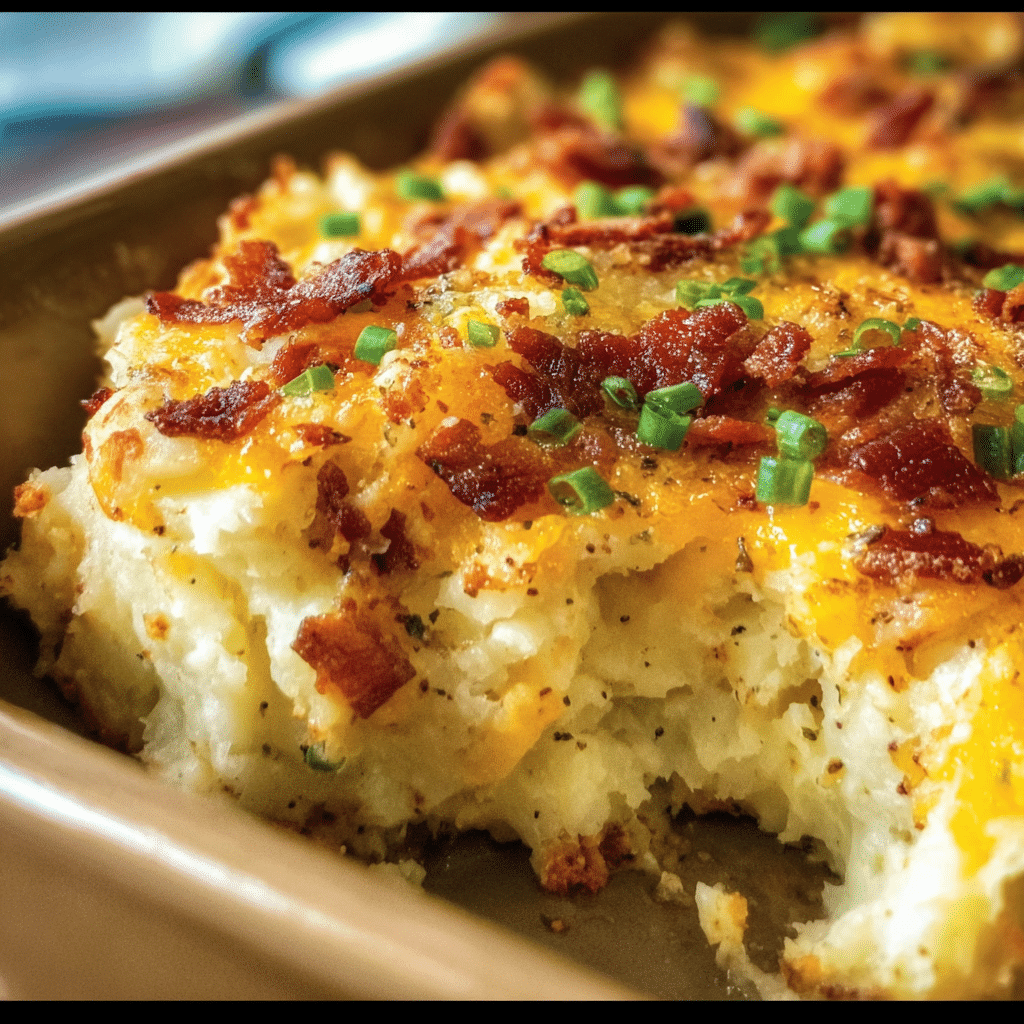
What I didn’t realize at the time was that twice baked potatoes have a rich history that dates back centuries. Traditionally, this dish is made by baking a potato until tender, scooping out the flesh, and then mixing it with various ingredients before stuffing it back into the skin and baking it again. The result is a dish that is not only delicious but also allows for endless customization. It’s no wonder that this recipe has become a favorite in many households!
The Story Behind This Recipe
The first time I tasted a twice baked potato, it was a revelation. Growing up, potatoes were a regular staple in our meals, but I had never experienced them in such a decadent form. The creamy filling, combined with the crispy skin, created a perfect balance that I had only dreamed of. After that evening, I was determined to recreate that dish in my own kitchen. I began experimenting with different ingredients, from sour cream to cheese, and even bacon bits. Each variation brought a unique twist, and I quickly learned that the twice baked potato is not just a recipe but a canvas for creativity.
This dish is special for many reasons. It stands out from other potato recipes because of its unique preparation method and the flexibility it offers. Unlike traditional mashed potatoes that can sometimes feel heavy, the twice baked potato casserole provides a light yet satisfying alternative. It can be served as a main dish or a side, making it perfect for any occasion—from casual family dinners to festive holiday gatherings. Its versatility makes it an ideal choice for busy families looking for quick dinner solutions. With just a little prep work, you can prepare a dish that will impress your loved ones.
As the seasons change, the twice baked potato remains a comforting option. In the cooler months, when hearty meals are a necessity, this dish warms not only the stomach but the soul. It’s a reminder of home and family, and for me, it evokes memories of gatherings filled with laughter and love. The joy of sharing this dish with friends and family is what truly makes it special. It’s a way to bring people together, and that’s something I cherish deeply.
In this article, you will learn about the ins and outs of making the perfect twice baked potato casserole. From the history and cultural significance of the dish to tips on how to create your own variations, I promise that by the end, you’ll be inspired to whip up this delightful recipe in your own kitchen. So grab your apron, and let’s dive into the world of twice baked potatoes!
The Rich History and Cultural Significance of twice baked potato
The twice baked potato is not just a dish; it is a culinary tradition that has evolved over centuries. To truly appreciate this recipe, we need to delve into its origins and understand its cultural significance. The concept of baking a potato twice can be traced back to various cultures that utilized the potato in different forms. From the hearty baked potatoes of the British Isles to the creamy, cheesy versions found in American households, the twice baked potato has taken on many forms throughout history.
Origins and History
The potato itself originated in the Andean region of South America, where it was cultivated by indigenous peoples for thousands of years. When the Spanish conquistadors arrived in the 16th century, they brought the potato back to Europe, where it quickly gained popularity. In England, baked potatoes became a common staple, but it wasn’t until the 19th century that the idea of twice baking them emerged. This innovation allowed cooks to repurpose leftover baked potatoes, transforming them into a new dish that was both economical and delicious.
As the potato spread across the world, various cultures began to adopt and adapt the twice baked potato to suit their tastes. In the United States, the dish became a hallmark of comfort food, particularly in the Midwest and Southern regions. Families would gather around tables filled with twice baked potatoes, often served alongside meats and vegetables, creating a sense of community and warmth. Over the years, the recipe has continued to evolve, with many chefs and home cooks experimenting with different fillings and toppings to create their unique versions.
Cultural Significance
The twice baked potato holds a special place in American cuisine, often associated with gatherings and celebrations. It’s common to see this dish served at potlucks, barbecues, and holiday feasts. The communal aspect of sharing food is deeply ingrained in our culture, and the twice baked potato serves as a bridge between generations. Many families have their own cherished recipes passed down from grandparents, each with a personal touch that reflects their heritage.
Moreover, the rise of food culture in recent years has brought renewed attention to classic recipes like the twice baked potato. Chefs in upscale restaurants have taken this humble dish and elevated it with gourmet ingredients, showcasing the versatility and creativity that can be found within a simple recipe. This trend has helped to solidify the twice baked potato’s status as a beloved comfort food, appreciated by both casual diners and culinary enthusiasts alike.
Nutritional Benefits
Aside from its rich history and cultural significance, the twice baked potato also offers several nutritional benefits. Potatoes are an excellent source of vitamins and minerals, including vitamin C, vitamin B6, and potassium. They are also high in fiber, especially when the skin is left on, making them a filling option for those looking to maintain a balanced diet.
By incorporating ingredients like sour cream, cheese, and vegetables into the filling, you can enhance the nutritional profile of your twice baked potato. For example, adding spinach or broccoli increases the dish’s vitamin content while providing a pop of color and flavor. Additionally, using Greek yogurt instead of sour cream can boost protein levels, making this dish a more wholesome meal choice.
In conclusion, the twice baked potato is a dish that combines history, culture, and nutrition in a delightful package. Its origins tell a story of adaptability and creativity, while its place in modern cuisine highlights its enduring appeal. Whether you’re serving it at a family gathering or enjoying it as a comforting meal after a long day, the twice baked potato will always hold a special place in the hearts and kitchens of many.
Essential Ingredients for Perfect twice baked potato
When it comes to crafting the perfect twice baked potato casserole, the magic truly lies in the ingredients you choose. Each component not only contributes to the flavor and texture of the dish but also plays a crucial role in making it a hearty and satisfying meal. Here’s a comprehensive look at the essential ingredients you’ll need to create this delightful dish, along with tips on how to select and work with them.
Essential Ingredients
- 6 lbs. russet potatoes (about 6 large potatoes, (2721g) $4.75): The base of your twice baked potato casserole, russet potatoes are known for their starchy texture, which makes them fluffy when baked. Choose potatoes that are firm, with no blemishes or sprouts. Fresh potatoes will have a smooth skin and should feel heavy for their size.
- 2 Tbsp vegetable oil ($0.08): This oil is used for coating the potatoes before baking. It helps in achieving a crispy skin. I prefer using canola or sunflower oil, as they have a neutral flavor that won’t interfere with the potatoes’ taste.
- ½ lb. bacon (divided, (226g) $2.62): Bacon adds a savory, smoky flavor that elevates the casserole. Opt for high-quality bacon with a good meat-to-fat ratio. I often use thick-cut bacon for extra crunch and flavor. You can also use turkey bacon as a lighter alternative.
- 1 stick butter (softened, (½ cup) $0.99): Butter adds richness and creaminess to the filling. Make sure it’s at room temperature for easy mixing. Unsalted butter is best, allowing you to control the salt in your dish.
- 1 cup sour cream (8 oz, $0.99): Sour cream contributes a creamy texture while balancing the richness of the bacon and butter with its slight tang. For a healthier option, consider using Greek yogurt, which has a similar tanginess.
- 1 cup milk (8 oz ($0.22)): Milk helps to achieve a smooth and creamy filling. Whole milk is ideal, but you can substitute with 2% milk or a dairy-free alternative if needed.
- 8 oz. cream cheese (softened, $1.68): Cream cheese adds an extra layer of creaminess. Ensure it’s softened to blend easily. Neufchâtel cheese can be a lower-fat option if you want to cut calories.
- 2 cups cheddar cheese (shredded & divided, (200g) $1.67**): Cheddar cheese gives your casserole a rich, cheesy flavor. I like to use sharp cheddar for a more pronounced taste, but you can also mix in Monterey Jack or Pepper Jack for some heat.
- 1 tsp garlic powder ($0.06): Garlic powder adds depth and flavor without the hassle of fresh garlic. If you prefer, you can use roasted garlic for a sweeter taste.
- 1 Tbsp salt ($0.12): Salt is essential for enhancing the flavors in your casserole. Adjust the amount based on your taste and dietary preferences.
- 1 tsp black pepper (freshly cracked, $0.16): Freshly cracked black pepper adds a subtle heat and complexity. You can adjust the amount based on your spice tolerance.
- nonstick cooking spray ($0.01): This is used to grease your baking dish, ensuring easy removal of the casserole once it’s baked.
- 2 green onions (thinly sliced, $0.21): Green onions add a fresh, vibrant touch to the finished dish. You can use them as a garnish for color and flavor.
Twice Baked Potato Casserole
Ingredients
- 6 lbs. russet potatoes (about 6 large potatoes, (2721g))
- 2 Tbsp vegetable oil
- ½ lb. bacon (divided, (226g))
- 1 stick butter (softened, (½ cup))
- 1 cup sour cream (8 oz)
- 1 cup milk (8 oz)
- 8 oz. cream cheese (softened)
- 2 cups cheddar cheese (shredded & divided, (200g) )
- 1 tsp garlic powder
- 1 Tbsp salt
- 1 tsp black pepper (freshly cracked)
- nonstick cooking spray
- 2 green onions (thinly sliced)
Instructions
- Gather and prepare all ingredients. Preheat the oven to 400°F.
- Wash, dry, then pierce the potatoes with a fork. Brush all the potatoes with vegetable oil. Then put them on a parchment-lined oven-safe tray and place them in the oven.
- Lay out the bacon on another parchment-lined oven-safe tray and place it in the oven. Cook the bacon for 15-20 minutes, until crispy. Then remove them from the oven and crumble when cooled. Set aside.
- Continue cooking the potatoes for an additional 40 minutes, until fork-tender.*** Remove them from the oven.
- Turn the oven down to 375°F. When the potatoes are cool enough to handle, cut three of them in half lengthwise. Scoop out the potatoes into a large bowl and save the skins for another use. (I air-fried mine for a snack).
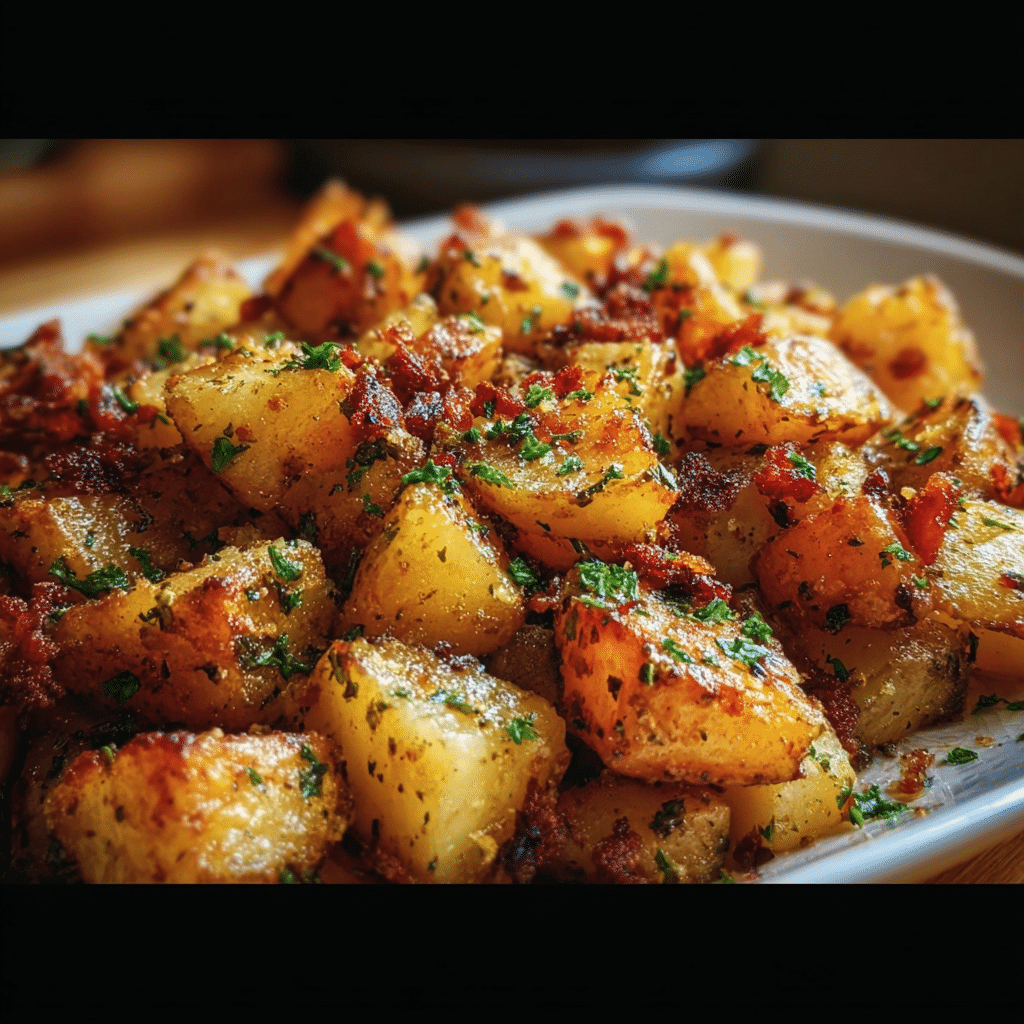
- Cut and add the remaining three potatoes, half of the crumbled bacon, butter, sour cream, milk, cream cheese, 1 cup of cheddar cheese, garlic powder, salt, and pepper to the large bowl. Mash and fold together until combined.
- Grease a 9×13 oven-safe dish and pour the potato mixture into the dish. Spread evenly. Top evenly with the remaining cheddar and bacon.
- Bake, uncovered, for 25 minutes, until melty. Remove from the oven and top with green onions.
Shopping Tips
When shopping for ingredients for your twice baked potato casserole, look for the freshest produce and highest-quality dairy products. For potatoes, choose ones that are heavy and firm; avoid any that have soft spots or excessive blemishes. When it comes to cheese, buying blocks and shredding them yourself often yields better flavor and texture compared to pre-shredded varieties.
For bacon, consider sourcing from local farms or butcher shops for a fresher, tastier option. While supermarket brands are convenient, they may contain preservatives and additives that affect flavor. Check the dairy aisle for organic options for butter and sour cream, as these often have better flavor profiles compared to conventional brands.
Substitutions and Alternatives
If you’re looking for substitutions due to dietary restrictions, there are several options available:
- For a vegan version, replace the butter with vegan butter or olive oil, use plant-based cream cheese, and substitute the milk with almond or oat milk. You can skip the bacon or use a plant-based bacon alternative.
- If you’re lactose intolerant, opt for lactose-free sour cream and cream cheese, which are available in most grocery stores.
- For gluten-free needs, ensure that any processed ingredients, like bacon or cheese, are certified gluten-free.
Storing your ingredients correctly can also help in maintaining their freshness. Store potatoes in a cool, dark place away from light, as sunlight can cause them to sprout. Cheese should be kept in the refrigerator, wrapped well to prevent it from drying out. Bacon should be used before the expiration date, and any leftovers can be frozen for later use.
In summary, the ingredients for your twice baked potato casserole are not just items on a grocery list; they are the building blocks of a delicious dish that can easily become a family favorite. Take your time to choose quality ingredients, and don’t hesitate to experiment with substitutions to make the recipe your own.
Detailed Step-by-Step twice baked potato Cooking Instructions
Creating a twice baked potato casserole may seem daunting, but with clear, step-by-step instructions, you’ll find that it’s a rewarding process that yields delicious results. Let’s dive into the details of making this comforting dish.
Preparation Steps
- Preheat your oven: Start by preheating your oven to 400°F (200°C). This ensures that your potatoes will bake evenly and thoroughly.
- Prepare the potatoes: Wash the russet potatoes thoroughly under cold water to remove any dirt. Pat them dry with a kitchen towel. Prick each potato several times with a fork—this prevents them from bursting while baking.
- Coat with oil: In a large bowl, toss the pricked potatoes with vegetable oil until they’re evenly coated. This will help achieve a crispy skin.
- Bake the potatoes: Place the oiled potatoes directly on the oven rack or on a baking sheet. Bake for about 45-60 minutes, or until they are tender when pierced with a fork. This is the time to relax and enjoy the heavenly aroma wafting through your kitchen!
- Cook the bacon: While the potatoes are baking, cook your bacon. You can do this in a skillet over medium heat until crispy, about 8-10 minutes. Alternatively, you can bake it in the oven on a baking sheet lined with parchment paper for about 20 minutes. Once done, transfer the bacon to a paper towel-lined plate to drain excess fat.
- Prepare the filling: Once the potatoes are cool enough to handle, slice each potato in half lengthwise. Using a spoon, carefully scoop out the flesh into a large mixing bowl, leaving about 1/4 inch of potato on the skin to maintain structure.
Cooking Process
- Add other ingredients: To the bowl with the potato flesh, add the softened butter, cream cheese, sour cream, milk, garlic powder, salt, and freshly cracked black pepper. Mash everything together until smooth and creamy. You can use a potato masher or even a hand mixer for a fluffier texture.
- Mix in cheese and bacon: Crumble the cooked bacon into the mixture, reserving a small amount for garnish. Stir in 1.5 cups of shredded cheddar cheese until well combined. This is where your casserole really starts to come together!
- Fill the potato skins: Carefully spoon the creamy potato mixture back into the hollowed-out potato skins, packing it in generously. Mound it slightly for a beautiful presentation.
- Top with cheese: Sprinkle the remaining 1/2 cup of cheddar cheese on top of the filled potato skins for that irresistible cheesy layer that will melt and bubble in the oven.
- Final bake: Place the stuffed potatoes on a baking sheet and return them to the oven. Bake for an additional 15-20 minutes at 350°F (175°C), or until the cheese is melted, bubbly, and slightly golden.
Final Assembly
- Garnish: Once out of the oven, let the casserole cool for a few minutes. Sprinkle with thinly sliced green onions and any reserved bacon bits for an added crunch and freshness.
- Serve: Your twice baked potato casserole is now ready to be served! This dish is perfect as a side or a main course, and pairs wonderfully with salads, grilled meats, or roasted vegetables.
- Storage: If you have leftovers, store them in an airtight container in the refrigerator for up to 3 days. Reheat in the oven or microwave until warmed through. These flavors meld beautifully, making the leftovers just as delicious!
Throughout this cooking process, keep an eye on the textures and flavors. The goal is a creamy filling with a crispy top, and the joy of cooking is in adjusting the ingredients to match your palate. Enjoy the journey of creating this twice baked potato casserole, and don’t forget to savor each bite!
Professional Tips and Techniques for twice baked potato
When it comes to making a delicious twice baked potato casserole, there’s a world of knowledge that can elevate your dish from good to absolutely spectacular. As a seasoned home cook, I’ve spent countless hours experimenting in the kitchen, and I’m excited to share some professional tips and techniques that will help you master this comforting classic.
Professional Techniques
Let’s start with the basics. To craft the perfect twice baked potato, it’s crucial to select the right potatoes. I always recommend using russet potatoes due to their starchy texture, which gives that creamy interior we all love. Start by washing the potatoes thoroughly to remove any dirt and then pierce them with a fork. This step is essential as it allows steam to escape during baking, preventing them from bursting in your oven.
Once your potatoes are prepped, bake them in a preheated oven at 400°F (200°C) for about 45-60 minutes or until they are tender. An insider secret? You can wrap them in foil to help them cook evenly, but I prefer to leave them uncovered for a crispier skin.
After they’re baked to perfection, let them cool for a few minutes before slicing them in half lengthwise. Here’s where the magic happens: scoop out the fluffy insides into a mixing bowl, leaving just a thin layer to maintain the potato’s structure. Mix this potato flesh with butter, sour cream, cheese, and any other desired ingredients until creamy and well combined. If you want to elevate the flavor, consider roasting your garlic beforehand or adding fresh herbs like chives or rosemary.
Troubleshooting Guide
Even the best cooks encounter challenges, but don’t worry! Here are some common issues you might face and how to troubleshoot them:
- Problem: Dry potato filling.
Solution: Ensure you’re not overbaking the potatoes initially. Also, adding more butter or sour cream during the mixing process can help achieve that desired creaminess. - Problem: Filling is too runny.
Solution: You can add more potato flesh or even a bit of shredded cheese to thicken it up. - Problem: Skin is too soggy.
Solution: Ensure the potatoes are baked uncovered. If they are still soggy after the first bake, consider placing them under the broiler for a few minutes to crisp them up.
Presentation Tips
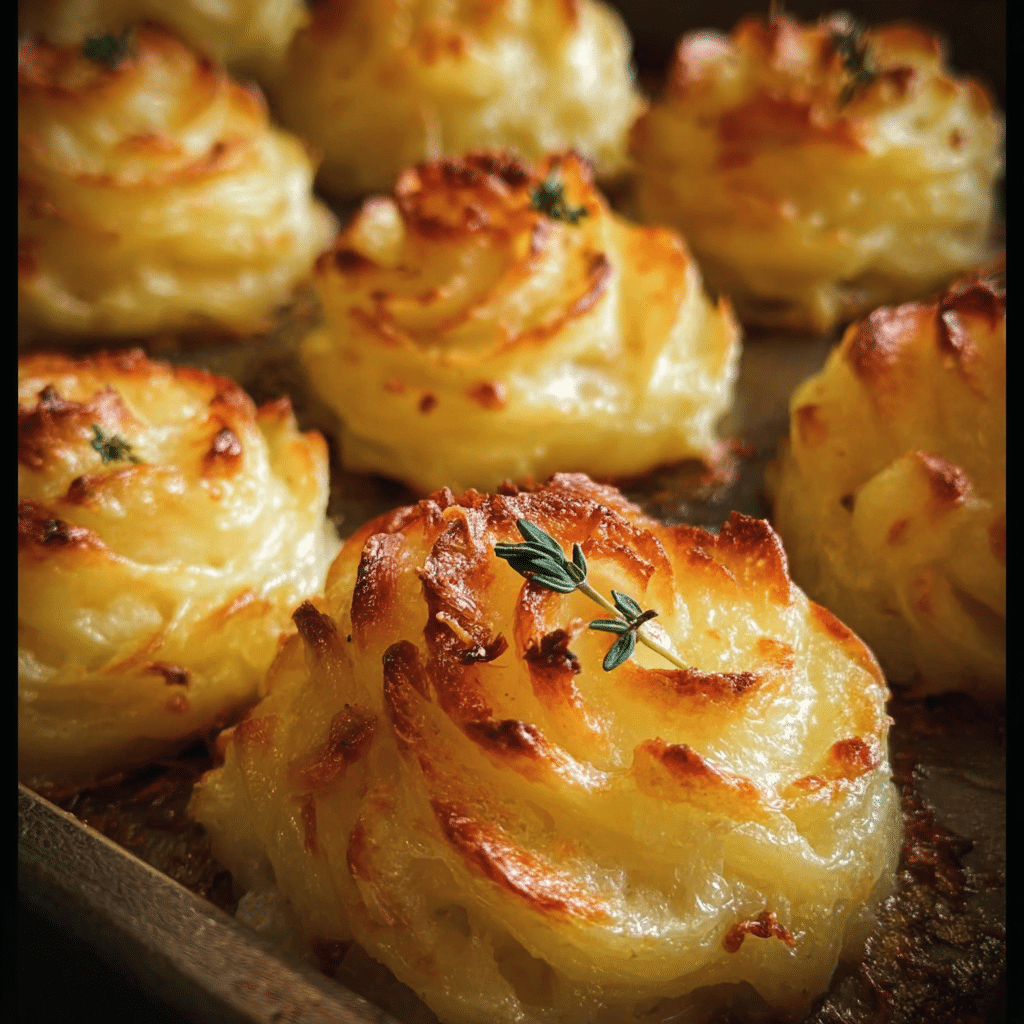
Presentation can make or break a dish. When it comes to your twice baked potato casserole, think about how to make it visually appealing. I love to serve it in a rustic baking dish that showcases the creamy filling. For an elegant touch, you can pipe the potato filling back into the skins using a pastry bag. This not only looks beautiful but also makes portioning easier.
Garnishing is key! A sprinkle of fresh herbs, a drizzle of olive oil, or a handful of crispy bacon bits can add a pop of color and texture. If you’re feeling adventurous, consider adding a dollop of crème fraîche and a few caviar pearls for a luxurious finish.
Pairing your twice baked potato casserole with the right beverage can enhance the dining experience. A crisp white wine, like Sauvignon Blanc, complements the richness of the dish beautifully. If you prefer something non-alcoholic, a refreshing iced tea or a sparkling water with a splash of lemon can do the trick.
Lastly, if you’re preparing for a gathering or meal prep, this casserole can be assembled a day in advance and stored in the refrigerator. Just remember to add a few extra minutes to the baking time if baking straight from the fridge. Scaling the recipe is equally simple; just multiply the ingredients based on the number of servings you need. But be sure to keep an eye on the baking time as larger quantities may require adjustments.
Creative Variations and Adaptations of twice baked potato
Twice baked potatoes are a beloved comfort food, but the best part is how versatile they can be! Over the years, I’ve dabbled in a variety of adaptations that cater to different tastes, dietary needs, and seasonal ingredients. Allow me to share some of my favorite creative twists and variations that will keep your twice baked potato casserole exciting and fresh!
Seasonal Variations
One of the joys of cooking is embracing seasonal ingredients. In the spring, I love to add fresh asparagus and leeks to my twice baked potatoes. Simply sauté the asparagus and leeks until tender and mix them into the potato filling. In the fall, consider using roasted butternut squash instead of traditional potato filling for a unique spin. The sweetness of the squash beautifully contrasts the creamy filling.
Winter calls for heartier additions, like sautéed kale or even shredded Brussels sprouts. These greens not only add nutrition but also a lovely earthy flavor that complements the richness of the dish. During the summer months, fresh herbs like basil or cilantro can brighten up the flavors, making your casserole feel light and vibrant.
Dietary Adaptations
In today’s culinary world, dietary restrictions are more common than ever, but that doesn’t mean you have to miss out on the joy of twice baked potatoes! For a keto-friendly version, swap out regular potatoes for cauliflower. The texture is surprisingly similar when mashed, and you can still achieve that creamy consistency with cheese and sour cream. For a vegan twist, use cashew cream or almond milk in place of dairy, and nutritional yeast can add a cheesy flavor without the cheese.
If gluten is a concern, simply ensure that your seasonings and additional ingredients are gluten-free. You can also explore using different kinds of cheese that align with your dietary needs. The beauty of twice baked potatoes is their adaptability—there’s a variation for everyone!
Creative Twists
Now let’s talk about some fun and unexpected twists. Why not try a Mexican-inspired twice baked potato? Mix in black beans, corn, diced jalapeños, and top it off with a sprinkle of cotija cheese and fresh cilantro. Alternatively, go for an Italian flair by incorporating roasted tomatoes, mozzarella, and a drizzle of balsamic glaze.
For those looking to experiment with different cooking methods, consider using a slow cooker for a hands-off approach. Just prepare the potatoes as you normally would, scoop them out, mix your filling, and return it all to the slow cooker on low for a couple of hours. This method is fantastic for a potluck or gathering where you want to keep everything warm while you mingle!
Leftovers can also be transformed into a new dish. Take any remaining twice baked potato filling and turn it into a savory potato soup. Just add vegetable or chicken broth, blend it up, and you’ll have a creamy, comforting soup that’s a perfect way to repurpose your leftovers.
With these variations, your twice baked potato casserole can become a canvas for your culinary creativity, transforming each meal into a delightful experience. Whether you stick to the classic recipe or venture into new territory, one thing is for sure: twice baked potatoes will always be a favorite in my kitchen!
Storage, Reheating, and Meal Prep for twice baked potato
When it comes to creating a delicious twice baked potato casserole, one of the most appealing aspects is its versatility, not just in flavors but also in how you can store and reheat it. Whether you’ve prepared a massive batch for a family gathering or simply want to save leftovers for a cozy night in, understanding how to properly store, reheat, and even meal prep your twice baked potato casserole is essential for maintaining its creamy, cheesy goodness.
Short-term Storage
Once your twice baked potato casserole has cooled to room temperature, it’s important to store it right to keep the flavors intact. For short-term storage, a good rule of thumb is to use airtight containers. This prevents moisture loss and keeps your casserole from absorbing any odors from the fridge. I love using glass containers with tight-fitting lids because they are not only practical but also visually appealing, allowing you to see what’s inside without opening every lid.
For the best results, divide your casserole into meal-sized portions before storing. This way, you only need to reheat what you plan to eat, which helps in maintaining the overall texture and flavor of the dish. A typical twice baked potato casserole can be stored in the refrigerator for about 3 to 5 days. Just make sure to label your containers with the date you made the casserole. Trust me, this little step can be a lifesaver when you’re rummaging through your fridge, wondering what’s safe to eat!
Freezing and Long-term Storage
If you find yourself with a surplus of twice baked potato casserole, freezing is a fantastic option for long-term storage. To freeze properly, allow the casserole to cool completely before transferring it to a freezer-safe container. You can use a heavy-duty aluminum foil or freezer bag designed to resist freezer burn. If you like, you can also wrap individual portions in plastic wrap first, then place them in a freezer bag. This helps maintain portion control and makes it easier to pull out a single serving without having to thaw the entire dish.
When it comes to freezing, it’s essential to use it within 2 to 3 months for the best quality. While it may still be safe to eat beyond this time frame, the texture and flavor may degrade. When you’re ready to enjoy your frozen twice baked potato casserole, transfer it from the freezer to the refrigerator and let it thaw overnight. This slow thawing method helps preserve the creamy texture that we all love. If you’re in a hurry, you can thaw it in the microwave, but be cautious as this can sometimes affect the texture.
Reheating Best Practices
Reheating your twice baked potato casserole can be tricky; you want to avoid drying it out while ensuring that it’s heated through. My favorite method is to reheat it in the oven. Preheat your oven to 350°F (175°C) and place the casserole in a covered dish to retain moisture. If you’ve frozen it, make sure it’s completely thawed before reheating. Typically, it will take about 20 to 30 minutes to reheat in the oven. You can check for doneness by inserting a knife into the center; it should come out hot to the touch.
If you’re short on time, the microwave is a quick alternative, though it can sometimes lead to uneven heating. To microwave, place a portion on a microwave-safe plate, cover it with a damp paper towel, and heat it in short bursts of 1-2 minutes, checking frequently to ensure it doesn’t dry out. You can also add a splash of milk or broth before heating to help maintain moisture.
Food safety is an essential consideration when storing and reheating your casserole. Always ensure that the casserole is heated to an internal temperature of at least 165°F (74°C) before serving. This is crucial for preventing any foodborne illnesses. Additionally, never leave your casserole out at room temperature for more than two hours to avoid bacterial growth.
In summary, understanding how to store and reheat your twice baked potato casserole is key to maximizing its deliciousness. From short-term storage in airtight containers to freezing individual portions for later enjoyment, these techniques will help ensure your casserole remains a comforting and flavorful dish that you can enjoy at your leisure.
Nutritional Benefits and Health Information
When indulging in a twice baked potato casserole, it’s easy to focus solely on the delicious flavors and creamy textures, but let’s take a moment to dive into the nutritional benefits and health implications of this beloved dish. Made primarily from potatoes, cheese, and a medley of other ingredients, this casserole can be both comforting and nourishing when prepared thoughtfully.
Nutritional Profile
A standard serving of twice baked potato casserole typically contains about 300-400 calories, depending largely on the ingredients used. The primary ingredient, the potato, is a fantastic source of carbohydrates, providing energy that is crucial for our daily activities. A medium-sized potato contains around 160 calories, 37 grams of carbohydrates, and is also rich in fiber, which supports digestive health. It’s important to note that the fiber content increases when the skin is left on, so I always recommend using unpeeled potatoes for added texture and nutrients.
In addition to carbohydrates, twice baked potato casserole often includes ingredients such as sour cream, cheese, and butter, which contribute to the dish’s rich flavor but also increase its fat content. A serving can contain anywhere from 15 to 20 grams of fat, depending on how much cheese and cream you opt for. While these ingredients provide essential fatty acids and help the body absorb fat-soluble vitamins, moderation is key.
Health Benefits
The health benefits of twice baked potato casserole can vary based on the ingredients you choose to include. For instance, potatoes are packed with essential vitamins and minerals. They are an excellent source of Vitamin C, which boosts the immune system, and potassium, which is vital for heart health. Adding vegetables like spinach or broccoli into your casserole can elevate its nutritional profile, providing additional vitamins A and K, as well as antioxidants that help combat inflammation.
Furthermore, if you choose low-fat cheese or Greek yogurt instead of sour cream, you can reduce the calorie and fat content while still enjoying a creamy texture. These substitutions also add protein to the dish, making it more satisfying and nutritious. Protein is vital for muscle repair and overall body function, so incorporating it into your meals is beneficial for everyone, especially those leading an active lifestyle.
Dietary Considerations
When preparing a twice baked potato casserole, dietary considerations are always essential. For those following a gluten-free diet, the good news is that this dish is naturally gluten-free, as potatoes and most dairy products do not contain gluten. However, if you’re including processed ingredients or certain toppings, it’s always wise to check their labels to ensure no gluten-containing substances are present.
For vegetarians, this casserole is a hearty and satisfying option, especially when loaded with vegetables. If you’re looking to make it vegan, consider using dairy alternatives like cashew cream or nutritional yeast for a cheesy flavor without the actual cheese. There are so many creative ways to modify this dish, enabling everyone to enjoy it without compromising their dietary needs.
In terms of macronutrient distribution, a typical serving of twice baked potato casserole can provide around 10-15 grams of protein, depending on the cheese and other protein-rich ingredients used. It’s also a great source of vitamins and minerals, especially if you incorporate a variety of vegetables.
Comparatively, when held up against similar dishes like shepherd’s pie or creamy potato gratin, twice baked potato casserole tends to be lighter, especially when made with healthier substitutions. This makes it a fantastic option for those looking for comfort food that doesn’t skimp on nutrition.
All in all, the twice baked potato casserole is not just a creamy, cheesy delight; it’s a dish that can be tailored to meet various dietary needs while offering substantial nutritional benefits. With a little creativity, you can create a version that’s not just indulgent but also a wholesome addition to your meal repertoire.
Conclusion: Mastering the Perfect twice baked potato
Creating the perfect twice baked potato is more than just following a recipe—it’s about understanding the techniques, ingredients, and cultural significance behind this beloved dish. Throughout this comprehensive guide, we’ve explored everything from the historical origins to modern variations, ensuring you have all the knowledge needed to make this recipe your own.
Whether you’re a beginner cook or an experienced chef, the techniques and tips we’ve shared will help you create a twice baked potato that’s not only delicious but also meaningful. Remember that cooking is a journey of discovery, and each time you make this dish, you’ll learn something new.
We encourage you to experiment with the variations we’ve discussed, adapt the recipe to your dietary needs, and most importantly, share it with the people you love. Food has the incredible power to bring people together, and Twice Baked Potato Casserole is the perfect dish to create lasting memories around your dinner table.
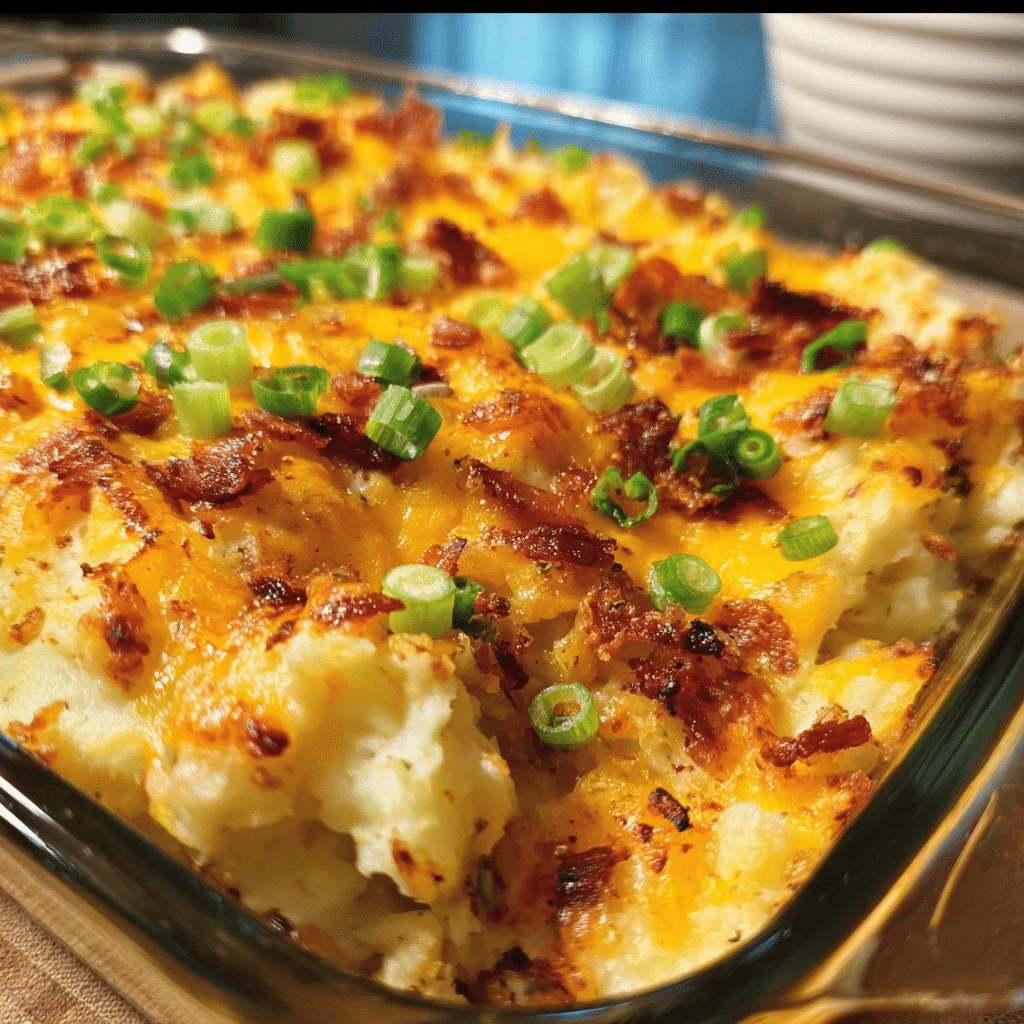
Don’t forget to share your cooking adventures with us on social media, and feel free to ask questions in the comments below. Happy cooking!
Share this recipe and let us know how it turned out! Tag us on social media for a chance to be featured.