Twisted Christmas cookies have always held a special place in my heart, especially during the holiday season. I still remember the first time I encountered these delightful treats. It was a chilly December evening, and my grandmother invited me into her cozy kitchen, the air thick with the scent of citrus and warm almonds. As we stood side by side at the counter, she showed me how to twist the dough just right, creating beautiful shapes that would soon be drizzled with a zesty icing. That moment was more than just baking; it was about connection, tradition, and the joy of creating something delicious together.
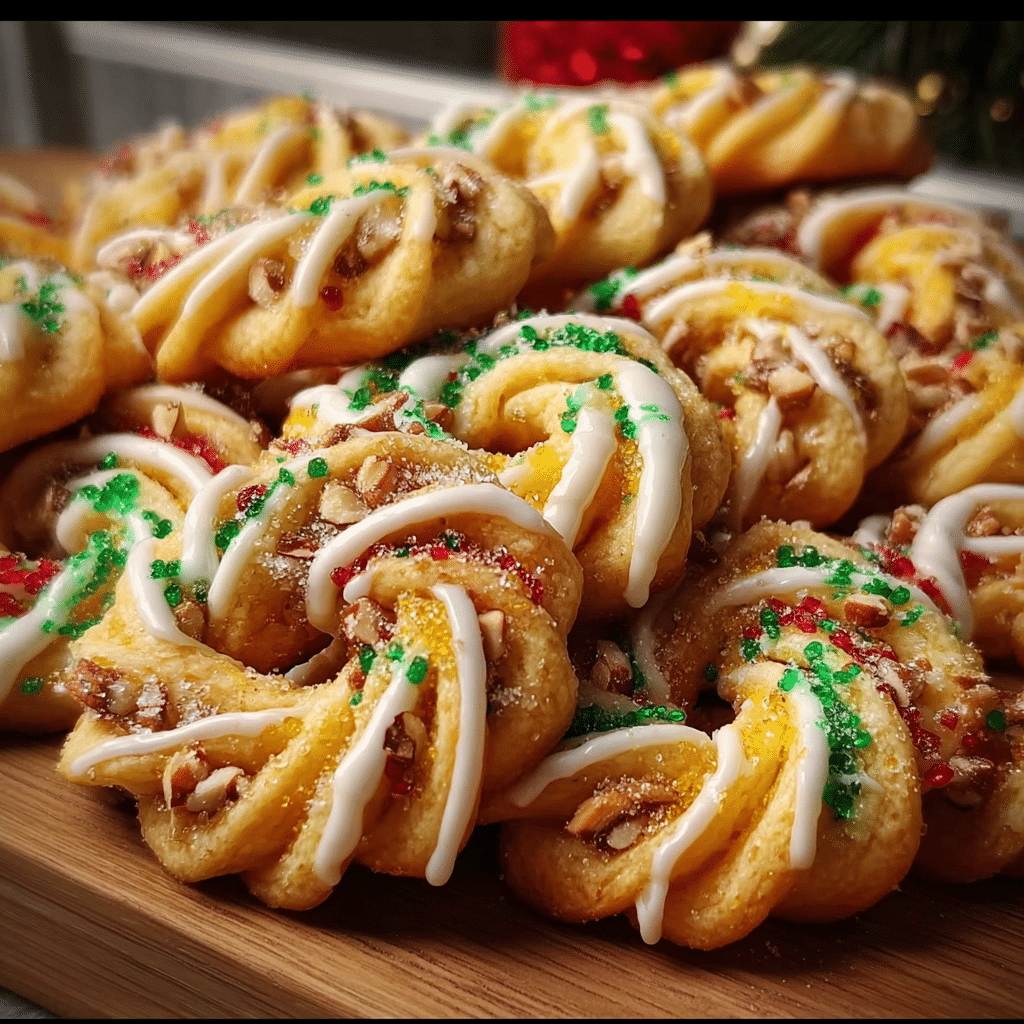
As I grew older and developed my own passion for baking, I returned to this cherished recipe time and again. Twisted Christmas cookies became a staple in my holiday repertoire, not just for their unique flavor but also for the memories they evoked. Each batch was a celebration, a way to honor my grandmother’s legacy while also adding my own twist—sometimes using different spices or experimenting with the icing. This recipe is special because it brings together the warmth of family traditions with a modern twist, making it perfect for anyone looking to create lasting memories in the kitchen.
The Story Behind This Recipe
Twisted Christmas cookies are thought to have originated in various European cultures, where baking during the holiday season was a way to celebrate and bond with family and friends. The tradition of making cookies, particularly those that are twisted or shaped, dates back centuries. In many cultures, shapes were significant; they often represented good luck or were associated with different holidays. The use of almonds and citrus in these cookies is a nod to the rich culinary history of the Mediterranean, where both ingredients are staples.
What makes twisted Christmas cookies stand out is their versatility. While many holiday cookies are sweet and straightforward, these cookies bring a unique combination of flavors and textures. The crunchiness of the almond, the tangy notes of citrus, and the sweetness of the icing create a symphony of taste that dances on your palate. This recipe is particularly appealing to busy families; it’s simple enough to whip up in an hour, yet impressive enough to serve at festive gatherings. The dough can even be made in advance, allowing you to focus on other holiday preparations.
Why You’ll Love This Dish
There’s something truly enchanting about the aroma of twisted Christmas cookies wafting through your home. The seasonal relevance of these cookies cannot be overstated; they are perfect for holiday parties, cookie exchanges, or simply enjoying with a cup of hot cocoa on a cold winter evening. Each bite transports you back to those cherished moments spent with loved ones, creating an emotional connection that is hard to replicate.
As you dive into this guide, you can expect to learn not just the recipe, but also tips for perfecting the art of twisting and decorating these delightful cookies. You’ll uncover the secrets to achieving the ideal balance of sweetness and zest, ensuring your cookies become the star of the holiday dessert table. I invite you to join me on this journey of culinary exploration, as we embrace the joy of baking and the traditions that make twisted Christmas cookies a beloved holiday treat.
The Rich History and Cultural Significance of twisted christmas cookies
The rich history and cultural significance of twisted Christmas cookies are as layered as the flavors themselves. These cookies, often characterized by their unique shape and delightful toppings, have roots that stretch back through generations and across various cultures. Understanding their origins provides a deeper appreciation for this festive treat.
Origins and History
Twisted Christmas cookies likely find their origins in the baking traditions of Europe, particularly in regions such as Germany and Austria, where festive baking is an integral part of the holiday season. The practice of twisting cookie dough can be traced back to the early 19th century, when bakers sought creative ways to shape their confections. The intricate designs of twisted cookies not only made them visually appealing but also allowed for different textures and flavors to meld beautifully.
Over the years, various regional variations emerged. In some areas, bakers incorporated spices like cinnamon and nutmeg, while others emphasized the use of citrus zest or almond extracts. Each family and community added their own flair to the basic recipe, creating a tapestry of flavors that celebrated local ingredients and traditions. Today, twisted Christmas cookies are enjoyed worldwide, with each culture adding its own unique twist—literally!
Cultural Significance
These cookies are not just a delicious treat; they carry with them a wealth of cultural significance. In many European countries, baking and sharing cookies during the Christmas season is a cherished tradition. Families gather to bake together, and these cookies often make appearances at holiday markets, community gatherings, and festive celebrations. They symbolize togetherness, joy, and the spirit of giving—important themes of the holiday season.
In addition to their role in holiday celebrations, twisted Christmas cookies can also signify the blending of cultures. As immigrants brought their baking traditions to new lands, the recipes evolved, incorporating local flavors and ingredients. This fusion has resulted in a delightful array of twisted cookies that can be found in bakeries and homes around the world, celebrating the rich tapestry of culinary heritage.
Nutritional Benefits
While twisted Christmas cookies are undeniably a treat, they can also offer some nutritional benefits, particularly when made with wholesome ingredients. The use of almonds, for instance, not only adds a delicious crunch but also provides healthy fats, protein, and essential vitamins. Almonds are known to support heart health and provide a source of energy, making them a more nutritious choice than many traditional cookie ingredients.
The inclusion of citrus zest brings additional benefits, as citrus fruits are rich in vitamin C and antioxidants. This not only enhances the flavor profile of the cookies but also contributes to overall health. While it’s important to enjoy these cookies in moderation, especially during the holiday season when sweets can abound, incorporating nutritious elements can make them a slightly healthier indulgence.
Ultimately, twisted Christmas cookies are a celebration of culture, history, and the joy of sharing good food with loved ones. As you explore the rich background of this delightful treat, you’ll find that each bite is a connection to the past and a bridge to the future, making them a perfect addition to your holiday traditions.
Essential Ingredients for Perfect twisted christmas cookies
When it comes to baking twisted Christmas cookies, having the right ingredients is crucial to achieving that perfect balance of flavor and texture. These cookies not only bring a festive flair to your holiday gatherings, but they also offer a delightful taste that can become a new family tradition. Below, you will find a complete list of essential ingredients along with their roles, quality indicators, and even some helpful tips for sourcing them.
Essential Ingredients
- 1 cup White Sugar: This ingredient is essential for balancing flavors and contributing to the cookies’ texture. Sugar not only sweetens but also helps to create that lovely crispiness on the outside while keeping the inside soft and chewy.
- 14 oz Butter, softened: Ensure the butter is softened and not melted for proper texture. Softened butter helps to incorporate air into the dough, providing a light and fluffy consistency. I always prefer unsalted butter to control the salt levels in my baked goods.
- 2 large Eggs: Eggs act as a binding agent, helping to hold the ingredients together. They also add moisture and richness to the twisted Christmas cookies.
- 2 tsp Vanilla Extract: This ingredient enhances the overall flavor of the cookies, adding warmth and depth. Always opt for pure vanilla extract for the best flavor.
- 1 tsp Almond Extract: Almond extract provides a festive flavor lift that pairs beautifully with the other ingredients. It adds a nostalgic touch, reminiscent of holiday baking from my childhood.
- 1 orange, Zest of Orange: The zest adds brightness and a citrusy note that cuts through the sweetness, making your cookies feel fresh and vibrant.
- 6 cups Plain Flour: Flour is essential for dough consistency. It gives the cookies structure and helps them hold their shape when baked.
Twisted Christmas Cookies with Almond & Citrus Icing
Ingredients
- 1 cup White Sugar Essential for balancing flavors and contributing to the cookie’s texture.
- 14 oz Butter, softened Ensure it’s softened, not melted, for proper texture.
- 2 large Eggs Acts as a binding agent.
- 2 tsp Vanilla Extract Enhances flavor.
- 1 tsp Almond Extract Provides a festive flavor lift.
- 1 orange Zest of Orange Adds brightness and citrusy note.
- 6 cups Plain Flour Essential for dough consistency.
- 6 tbsp Meringue Powder Used for icing structure.
- 8 tbsp Water Adjusts icing consistency.
- 2 tsp Lemon Juice Brightens flavor of icing.
- 7 cups Powdered Sugar, sifted Adds sweetness and texture.
- Gel Food Coloring Use for festive decorations.
- Sprinkles/edible glitter/crushed candy canes Enhance the holiday spirit!
Instructions
- Preheat your oven to 350°F (175°C) and prepare your baking sheets with parchment paper.
- Cream the softened butter and sugar in a large bowl until fluffy and light in color.
- Mix in the eggs one at a time, followed by the vanilla extract, almond extract, and orange zest.
- Gradually add the plain flour into the mixture, stirring until a dough forms.
- Roll out the dough to about ¼-inch thickness on a floured surface.
- Chill the cut cookies in the fridge for 10–15 minutes.
- Bake the cookies for 10–12 minutes, or until the edges turn golden brown.
- Cool the cookies completely on a wire rack.
- For the icing, whisk together meringue powder, lemon juice, and water in a bowl.
- Divide the icing into bowls and add gel food coloring to create festive shades.
Icing Ingredients
- 6 tbsp Meringue Powder: Used for icing structure, it helps create a stable icing that will hold its shape once piped.
- 8 tbsp Water: Adjusts icing consistency. Depending on your desired thickness, you may need to add more or less.
- 2 tsp Lemon Juice: Brightens the flavor of the icing and adds a refreshing tartness that complements the sweetness of the cookies.
- 7 cups Powdered Sugar, sifted: Adds sweetness and texture. Sifting ensures there are no lumps, which is crucial for smooth icing.
- Gel Food Coloring: Use this for festive decorations. Gel colors are more concentrated than liquid, allowing you to achieve vibrant shades without altering the icing’s consistency.
Decorations
- Sprinkles, edible glitter, crushed candy canes: These ingredients enhance the holiday spirit, adding a touch of whimsy and fun to your twisted Christmas cookies.
Shopping Tips
When it comes to sourcing your ingredients, freshness is key. Look for butter that is clearly marked as unsalted and check the expiration dates on eggs and dairy products. For flour, opt for a reputable brand, as this can affect the taste and texture of your cookies. Additionally, organic ingredients can be a great choice if you’re conscious about pesticides and additives, but conventional options can also yield delicious results.
During the holiday season, many grocery stores will stock seasonal ingredients like meringue powder and festive sprinkles, so keep an eye out for sales. If you’re struggling to find something, online retailers can be a lifesaver, especially for specialty items like gel food coloring.
Substitutions and Alternatives
If you have dietary restrictions or are looking for alternatives, there are many substitutions you can make without sacrificing flavor. For instance, if you’re looking for a dairy-free version, consider using vegan butter or coconut oil instead of regular butter. You can also substitute flaxseed meal mixed with water for eggs if you’re vegan; this will help bind your ingredients together.
For those who are gluten-free, a good all-purpose gluten-free flour blend can replace the plain flour in this recipe. Just ensure it contains xanthan gum or add some to help with the texture.
Storage tips for these ingredients vary, but generally, you can keep sugar and flour in a cool, dry place for long shelf-lives. Butter should be refrigerated and can be frozen for longer storage. Meringue powder and powdered sugar should also be stored in a cool, dry place to maintain their integrity.
While the holidays can be a busy time, sourcing your ingredients thoughtfully and preparing your twisted Christmas cookies with care can make all the difference. Enjoy the process, and don’t forget to savor the sweet aroma that fills your kitchen as they bake!
Detailed Step-by-Step twisted christmas cookies Cooking Instructions
Now that we have gathered all the essential ingredients for our twisted Christmas cookies, it’s time to dive into the exciting world of baking! The process may seem daunting at first, but with careful attention to detail and a sprinkle of holiday cheer, you’ll be on your way to creating beautiful and delicious cookies that are sure to impress your family and friends. Let’s break it down into manageable steps so you can bake with confidence.
Preparation Steps
- Gather Your Ingredients: Start by assembling all the ingredients on your countertop. This is known as mise en place, which means “everything in its place.” Having everything ready will make the process smoother and more enjoyable.
- Preheat the Oven: Preheat your oven to 350°F (175°C). A properly heated oven is crucial for baking, as it ensures the cookies cook evenly. If you have an oven thermometer, use it to check the accuracy of your oven’s temperature.
- Prepare Your Baking Sheets: Line your baking sheets with parchment paper or silicone baking mats. This will prevent the cookies from sticking and make cleanup a breeze.
Cooking Process
- Make the Cookie Dough: In a large mixing bowl, cream together the softened butter and white sugar until light and fluffy. This should take about 3-5 minutes with an electric mixer. The texture is crucial here; over-creaming can lead to tough cookies.
- Add the Eggs: Beat in the eggs one at a time, mixing well after each addition. This will help the eggs incorporate fully into the dough, ensuring a uniform texture.
- Incorporate the Extracts and Zest: Mix in the vanilla extract, almond extract, and orange zest. The aroma that fills the kitchen at this point is simply magical!
- Combine the Dry Ingredients: In a separate bowl, whisk together the plain flour and any additional dry ingredients (like salt, if using). Gradually add this mixture to the wet ingredients, mixing until just combined. Be careful not to overmix, as this can lead to dense cookies.
- Chill the Dough: For best results, cover the dough with plastic wrap and refrigerate for at least 30 minutes. Chilling helps to firm up the dough, making it easier to handle and slice.
Final Assembly
- Roll Out the Dough: Once chilled, remove the dough from the refrigerator. On a floured surface, roll out a portion of the dough to about 1/4-inch thickness. Use a knife or pizza cutter to cut the dough into strips.
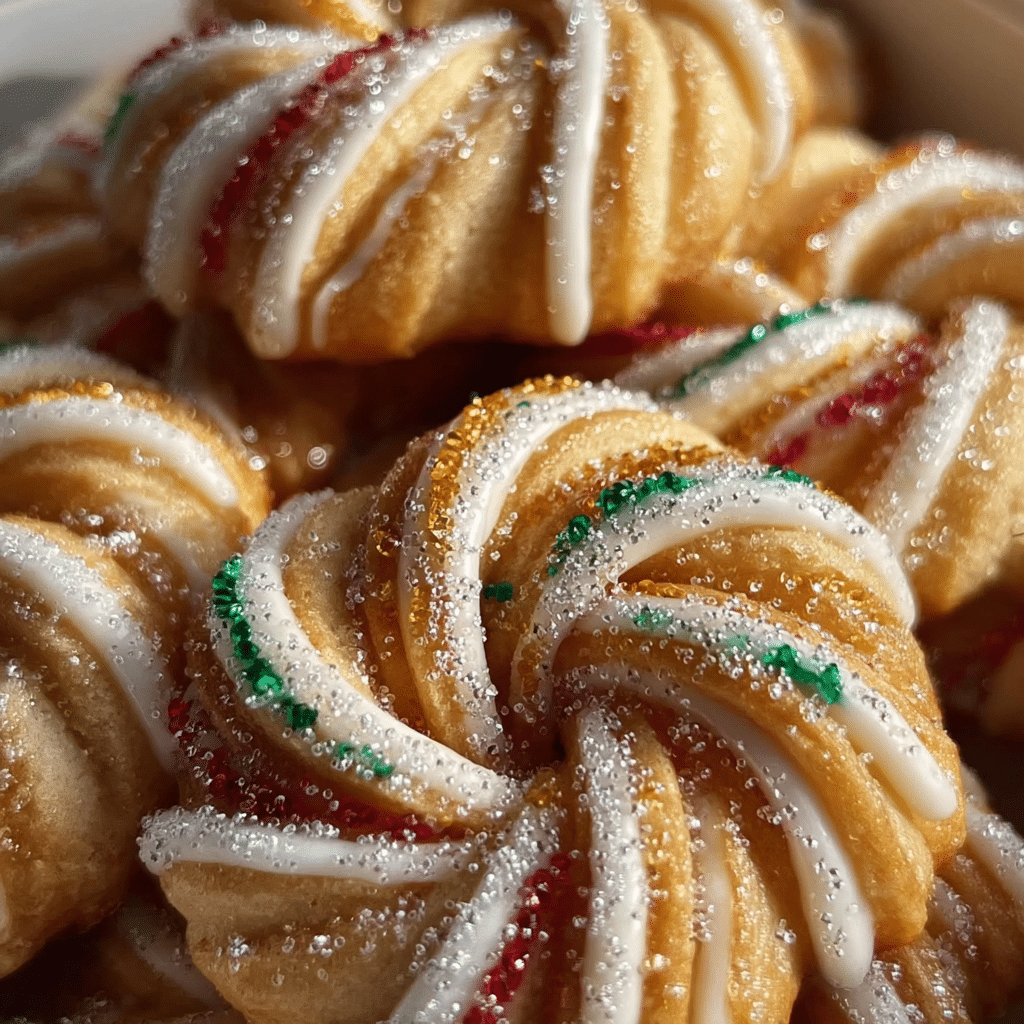
- Twist the Strips: Take each strip and twist it into a spiral shape. This is where the name twisted Christmas cookies comes from! Place the twisted cookies onto the prepared baking sheets, leaving space between each for spreading.
- Bake the Cookies: Place the baking sheets in the preheated oven and bake for about 10-12 minutes, or until the edges are lightly golden. Keep an eye on them, as every oven is different! The aroma of baking cookies will be irresistible at this point.
- Cool the Cookies: Once baked, remove the cookies from the oven and let them cool on the sheets for a few minutes before transferring them to wire racks to cool completely.
- Prepare the Icing: While the cookies cool, prepare the icing. In a mixing bowl, combine the meringue powder and water, whisking until frothy. Gradually add the sifted powdered sugar and lemon juice until you achieve a smooth consistency. Add gel food coloring if desired.
- Decorate the Cookies: Once the cookies are completely cool, use a piping bag or a spatula to apply the icing. Feel free to get creative with decorations! Sprinkle edible glitter, crushed candy canes, or colored sprinkles to brighten up your holiday treats.
- Store and Enjoy: Allow the icing to dry completely before storing the cookies in an airtight container. These twisted Christmas cookies can be enjoyed for up to a week, making them perfect for holiday parties or gifting.
With this detailed step-by-step guide, you should feel empowered to bake your own batch of twisted Christmas cookies. Remember, the joy of baking lies not just in the final product but also in the process of creating something special for yourself and your loved ones. Happy baking!
Professional Tips and Techniques for twisted christmas cookies
When it comes to baking twisted Christmas cookies, mastering the art of cookie-making is about more than just following a recipe. It’s about understanding the nuances of ingredients, techniques, and presentation that can elevate your cookies from ordinary to extraordinary. Here are some professional tips and techniques that will help you create the perfect batch of these delightful treats.
Professional Techniques
To start off, let’s talk about the foundational techniques that every baker should know. One of the key elements in making delicious twisted Christmas cookies is understanding how to properly cream butter and sugar. This technique involves beating the two ingredients together until the mixture becomes light and fluffy. This process incorporates air into the dough, which results in a lighter cookie. Aim to beat the mixture for about 3-5 minutes using an electric mixer on medium speed. You want to see a change in color; the mixture should be pale yellow and should expand in volume.
Another critical aspect is the chilling of the dough. After you’ve mixed your cookie dough, chilling it in the refrigerator for at least an hour is essential. This step not only helps in firming up the dough, making it easier to roll and shape, but it also enhances the flavors as they meld together. Trust me, taking this extra time is worth it, as it can dramatically change the texture of your twisted Christmas cookies from good to great!
When it comes to shaping your cookies, I recommend using a combination of rolling and twisting techniques. Roll out portions of dough into long ropes, then twist them together to create that signature look. This method not only showcases the beautiful colors of the icing but also adds a delightful texture to each bite.
Troubleshooting Guide
Baking can sometimes feel like a science experiment gone wrong, but fear not! Here are a few common issues you might encounter while making twisted Christmas cookies and how to troubleshoot them:
- Cookies spreading too much: If your cookies are spreading too thin, it could be due to warm dough or not enough flour. Make sure your butter is softened but not melted, and consider adding a bit more flour to your dough.
- Cookies not holding their shape: To ensure your cookies retain their twisted form, make sure to chill your dough adequately before baking. If they still don’t hold up, a slight increase in flour can help.
- Overbaking: Keep an eye on your cookies! They can go from perfectly baked to overdone in a matter of minutes. Look for a slight golden edge while the center remains soft; they’ll continue to cook as they cool.
Presentation Tips
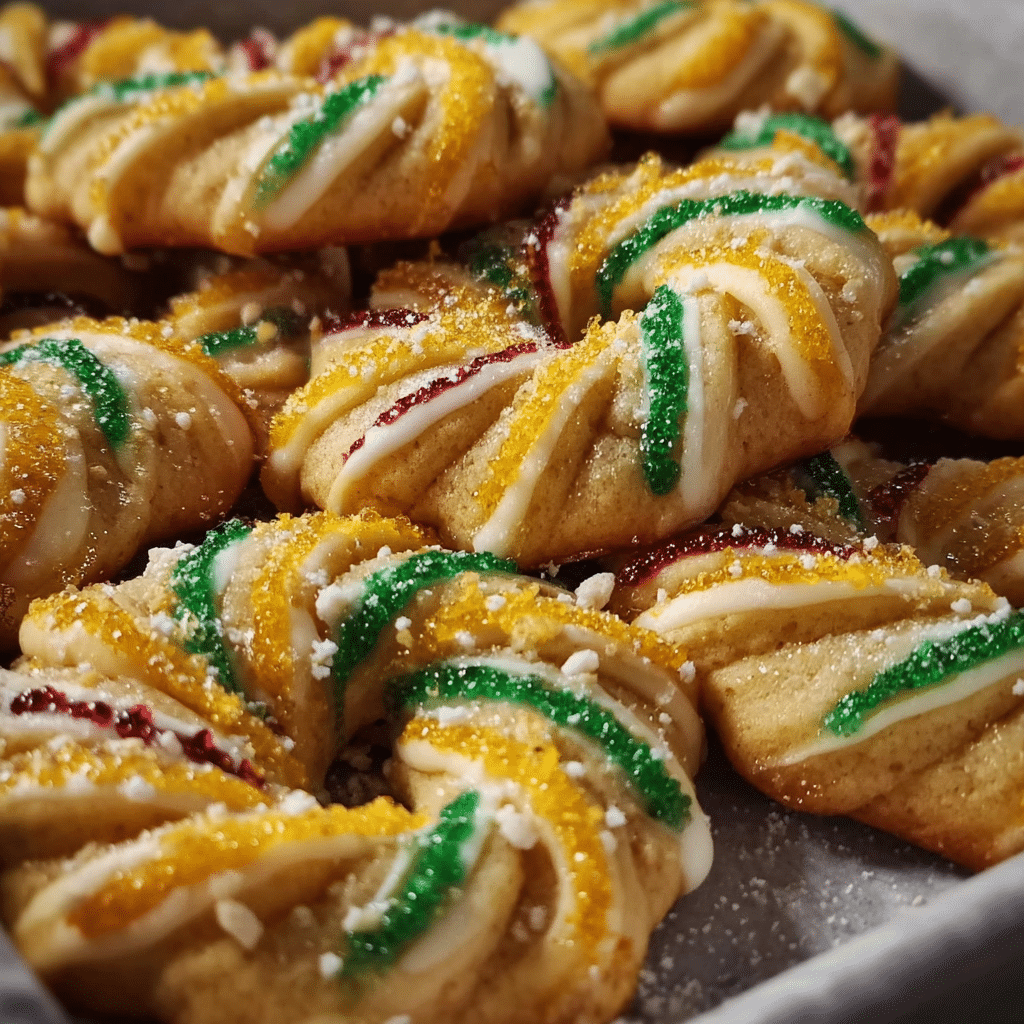
Once your twisted Christmas cookies are baked to perfection, it’s time to make them visually appealing. Presentation is key during the festive season, and I love to use decorative platters and festive napkins to serve my cookies. Consider arranging them on a tiered cake stand to give height and interest to your dessert table.
For icing, I recommend using a piping bag fitted with a fine tip for precise decorating. A simple drizzle of citrus icing can enhance the visual appeal while adding a zesty flavor. You can even sprinkle some edible gold dust or colored sugar on top for that extra festive touch. If you really want to impress your guests, consider using a contrasting color for your icing to highlight the twists in your twisted Christmas cookies.
Don’t forget about beverage pairings! A warm cup of spiced chai or mulled wine complements the flavors beautifully. For a non-alcoholic option, hot cocoa with a hint of orange zest can create a delightful balance with your cookies. So gather your friends and family, and enjoy these festive treats together!
In conclusion, making twisted Christmas cookies is not just about baking; it’s about creating an experience filled with joy and flavor. With these professional tips and techniques, you’ll be well on your way to impressing your loved ones with beautifully crafted cookies this holiday season.
Creative Variations and Adaptations of twisted christmas cookies
One of the most delightful aspects of baking twisted Christmas cookies is the endless possibilities for variations and adaptations. While the classic version is always a hit, experimenting with different flavors and ingredients can take your cookie game to a whole new level. Let’s dive into some creative ideas that will inspire you to make these cookies uniquely yours!
Seasonal Variations
When the holiday season rolls around, it’s the perfect time to incorporate seasonal ingredients into your twisted Christmas cookies. Think of adding crushed peppermint candies to the icing for a refreshing twist, or incorporating spices like nutmeg and allspice directly into the dough. One of my personal favorites is to infuse the cookies with eggnog flavors—simply replace some of the liquid in your icing with eggnog for a festive flair.
Another seasonal variation involves using different citrus fruits. Instead of the traditional lemon, try using blood oranges or grapefruits for a unique flavor profile. The vibrant colors and zesty tastes will not only elevate your cookies but also add a touch of holiday cheer. You can even experiment with adding a splash of cranberry juice to your icing for both color and flavor!
Dietary Adaptations
In today’s world, many people have specific dietary needs. Fortunately, adapting your twisted Christmas cookies to accommodate these needs is easier than ever! For those looking for a healthier option, consider making keto-friendly cookies by substituting traditional flour with almond flour and using a sugar substitute like erythritol. These adjustments can make for a delicious low-carb treat without sacrificing flavor.
If you’re catering to vegan or gluten-free guests, there are plenty of alternatives. You can substitute traditional butter with coconut oil or vegan butter, and replace eggs with flaxseed meal mixed with water. For gluten-free options, there are numerous gluten-free baking mixes available that work wonderfully. Just make sure to adjust the baking time slightly, as gluten-free cookies tend to bake a little faster.
Creative Twists
Don’t be afraid to get adventurous with your twisted Christmas cookies! Think about flavor combinations that are outside the box. For example, how about a chai-spiced cookie with a vanilla icing? The warm spices mixed with the sweet icing can create a delectable treat that’s perfect for the holidays. You can also explore international flavors—consider a matcha-infused dough topped with a sweet citrus glaze.
Moreover, the cooking method can also add a new dimension to your cookies. While baking is traditional, you could try pan-frying the dough in a skillet for a slightly chewy texture. This method creates a delightful crisp on the outside while keeping the inside soft and chewy. Alternatively, why not experiment with a slow cooker? You can create cookie bars that are warm and gooey, perfect for serving at a holiday gathering.
Leftover cookies can also be transformed! If you have any cookies that are slightly stale or not as appealing, crumble them up and mix with cream cheese to form a truffle-like treat. Roll them in chocolate or nuts for a decadent dessert that your guests will rave about!
In conclusion, the beauty of twisted Christmas cookies lies in their versatility. With these creative variations and adaptations, you can tailor your baking experience to suit your tastes and dietary needs while still bringing the joy of the holiday spirit into your kitchen. So roll up your sleeves, get creative, and have fun baking this festive season!
Storage, Reheating, and Meal Prep for twisted christmas cookies
When it comes to baking, particularly during the festive season, having a plan for storing your delicious creations is crucial. Twisted Christmas cookies, with their delightful almond and citrus icing, are not just a treat to enjoy on the day they’re baked. They can become a part of your holiday traditions, shared with family and friends over weeks. In this section, we’ll explore various storage methods to ensure your cookies remain fresh and delicious for as long as possible.
Short-term Storage
Once your twisted Christmas cookies are cool and ready for storage, the first step is to consider how you’ll store them short-term. If you plan to enjoy them within a week, the best way to keep them fresh is by using an airtight container. Select a container that is large enough to hold the cookies without squishing them. Ideally, you’ll want to layer them with parchment paper between each layer. This helps prevent the icing from sticking and maintains the integrity of each cookie. A simple cookie jar or any resealable plastic container will work well for this purpose.
If you live in a humid environment, you might want to consider adding a small packet of silica gel or a piece of bread in the container to help absorb moisture. This is particularly important for cookies with icing, as moisture can lead to a soggy texture and diminish their delightful crunch.
Freezing and Long-term Storage
When it comes to long-term storage, freezing your twisted Christmas cookies is an excellent option. Freezing not only preserves the taste and texture of your cookies but also allows you to bake ahead of time and enjoy them later. To freeze your cookies, start by placing them in a single layer on a baking sheet and put them in the freezer for about an hour. This process, known as flash freezing, helps the cookies keep their shape and prevents them from sticking together.
Once the cookies are frozen solid, transfer them to a freezer-safe container or a resealable plastic bag. Make sure to label the bag with the date and type of cookies. Twisted Christmas cookies can be stored in the freezer for up to three months. When you’re ready to enjoy them, simply remove the desired number of cookies from the freezer and let them thaw at room temperature. This usually takes about 30 minutes. You can also reheat them slightly in the oven for a couple of minutes to restore that fresh-baked texture.
Reheating Best Practices
When you want to enjoy your frozen twisted Christmas cookies, reheating them properly can make a significant difference in maintaining their quality. To reheat, preheat your oven to 350°F (175°C). Place the cookies on a baking sheet lined with parchment paper and heat for about 5-10 minutes. This short reheating time will help them regain their delightful crunch while ensuring the icing remains intact.
For those who prefer a quick method, you can also use the microwave. However, be cautious as microwaving can easily make cookies chewy rather than crispy. Place a cookie on a microwave-safe plate and heat it for about 10-15 seconds. Check the cookie; if it needs more time, do so in short bursts to avoid overheating.
Meal Prep and Batch Cooking Strategies
Meal prep isn’t just for savory dishes; it can be a game-changer for your holiday baking! One of the best strategies for twisted Christmas cookies is to prepare the dough ahead of time. You can mix the dough and shape the twisted cookies, then freeze them before baking. This way, you have freshly baked cookies whenever you desire without the mess of mixing ingredients each time.
Another idea is to make a batch of icing and store it in the refrigerator for up to two weeks. When you’re ready to ice your cookies, simply take out the icing, give it a good stir, and decorate! This method not only saves time but also allows for spontaneous cookie decorating sessions.
Food Safety Considerations and Guidelines
Food safety is paramount, especially during the holiday season when we share our treats with loved ones. Ensure that your twisted Christmas cookies are stored in clean containers to prevent contamination. If you’re using icing that contains raw egg whites, it’s important to consume the cookies within a week if stored at room temperature. Otherwise, freezing is the best option to extend their shelf life while keeping them safe to eat.
The typical shelf life of your cookies is about 1 week at room temperature, 2-3 weeks in the refrigerator, and up to 3 months in the freezer. Remember to always check for any signs of spoilage before consuming, and when in doubt, throw it out!
Portioning and Packaging Tips
If you’re planning to share your twisted Christmas cookies as gifts or party favors, consider portioning them into small bags or boxes. Use decorative bags or tins, and be sure to include a note with storage instructions for the recipient. This personal touch not only elevates the gift but also ensures that your cookies are enjoyed at their best!
In conclusion, properly storing your twisted Christmas cookies is essential for maintaining their taste and texture. Whether you’re enjoying them right away or saving them for a later date, these tips will help you get the most out of your delightful creations. Happy baking and happy holidays!
Nutritional Benefits and Health Information
As the holiday season approaches, many of us find ourselves indulging in sweets and treats, often without a second thought about their nutritional value. However, understanding the nutritional benefits of the treats we enjoy can add another layer of appreciation, especially for something as delightful as twisted Christmas cookies with almond and citrus icing. In this section, we’ll delve into the nutritional profile of these festive cookies, exploring their ingredients and how they fit into various diets.
Nutritional Profile
Let’s break down the nutritional components of twisted Christmas cookies. Typically, these cookies contain ingredients such as flour, sugar, butter, eggs, almonds, and citrus zest. A standard serving of one cookie (about 30 grams) contains approximately:
- Calories: 150-200, depending on the size and amount of icing.
- Carbohydrates: 20-25 grams, primarily from sugar and flour.
- Protein: 2-4 grams, mainly from eggs and almonds.
- Fat: 7-10 grams, primarily from butter and nuts.
- Sugars: 10-15 grams, depending on the sweetness of the icing.
This nutritional breakdown can vary based on the specific recipe you use and any modifications you make. For example, incorporating whole grain flour can increase fiber content, while using less sugar can reduce the overall calorie count.
Health Benefits
While cookies are often viewed as indulgent treats, they can offer some surprising health benefits, particularly when made with wholesome ingredients. Let’s take a look at some of the key components of twisted Christmas cookies:
- Almonds: Rich in healthy fats, protein, and vitamin E, almonds can help contribute to heart health. They are also a good source of magnesium, which is vital for numerous bodily functions.
- Citrus Zest: The addition of citrus not only enhances flavor but also provides a dose of vitamin C, an antioxidant that supports the immune system. Citrus fruits are also known for their anti-inflammatory properties.
- Eggs: A great source of protein and essential nutrients, eggs can help keep you feeling full longer. They also contain choline, which is vital for brain health.
By focusing on these ingredients, twisted Christmas cookies can be a more nourishing option compared to traditional holiday treats that rely heavily on refined sugars and flours.
Dietary Considerations
When baking twisted Christmas cookies, it’s essential to consider dietary restrictions and allergen information. For those who are gluten-sensitive, swapping traditional flour for a gluten-free alternative can make these cookies accessible. Options like almond flour or coconut flour can add unique flavors and textures while accommodating those with gluten intolerance.
For individuals with nut allergies, it’s crucial to omit the almonds or substitute them with seeds such as sunflower seeds for crunchiness. Additionally, those with egg allergies can experiment with flaxseed meal or applesauce as egg replacements to bind the dough.
In terms of caloric content, while these cookies can be higher in calories due to sugar and butter, moderation is key. Enjoying one or two cookies as part of a balanced diet can allow you to savor the festive spirit without overindulging.
Healthy modifications can include reducing the sugar in the recipe, using unsweetened applesauce as a fat substitute, or incorporating spices like cinnamon and nutmeg for added flavor without the need for more sugar.
When compared to similar holiday desserts, such as gingerbread cookies or sugar cookies, twisted Christmas cookies may offer a more complex flavor profile due to the combination of almonds and citrus. This not only makes them a unique addition to holiday cookie platters but also provides a more enjoyable taste experience.
In summary, twisted Christmas cookies can be both a delightful treat and a relatively wholesome option when made with mindful ingredients. By understanding their nutritional benefits and being conscious of dietary restrictions, you can enjoy these festive cookies while maintaining a balanced approach to your holiday indulgences. So, go ahead and whip up a batch; your taste buds—and perhaps your body—will thank you!
Frequently Asked Questions About Twisted Christmas Cookies
What are old fashioned Christmas cookies with almond citrus icing?
Old fashioned Christmas cookies with almond citrus icing are delightful treats often made with traditional ingredients like butter, sugar, flour, and eggs. The unique twist comes from the aromatic almond flavor paired with a zesty citrus icing, usually made from powdered sugar, lemon or orange juice, and almond extract. To achieve the best texture, ensure your butter is softened to room temperature before mixing. Additionally, for a richer flavor, consider adding finely grated citrus zest to the cookie dough. Once baked, let the cookies cool before drizzling with the icing for a beautifully finished look.
How can I make easy Christmas cookies with almond citrus icing?
To make easy Christmas cookies with almond citrus icing, start by creaming together softened butter and sugar until light and fluffy. Then, incorporate an egg and a teaspoon of almond extract for flavor. For the dough, mix in all-purpose flour and a pinch of salt, ensuring not to overmix. For the icing, combine powdered sugar with freshly squeezed lemon or orange juice and a dash of almond extract. A quick tip is to use a piping bag for a more precise application of icing, creating beautiful patterns on your cookies easily.
What are the best Christmas cookies with almond citrus icing?
The best Christmas cookies with almond citrus icing are those that perfectly balance the sweet and zesty flavors while maintaining a soft, chewy texture. A popular choice is a buttery sugar cookie base, which allows the almond and citrus notes to shine through. To elevate the flavor, use high-quality almond extract and freshly squeezed citrus juice. Additionally, chilling the dough for at least an hour before baking can enhance the cookie’s shape and texture. Remember, the icing should be a smooth consistency for easy application without running off the sides, so adjust your liquid ingredients accordingly.