Seasonal relevance also adds to the allure of vegan carrot cake. As spring arrives, carrots are at their sweetest, making this the ideal time to bake this cake. The vibrant orange color of the cake mirrors the blossoming flowers outside, creating a delightful synergy between nature and the table. Moreover, this cake is versatile enough to be enjoyed year-round, whether topped with a vegan cream cheese frosting for birthday celebrations or simply dusted with powdered sugar for a casual afternoon snack.
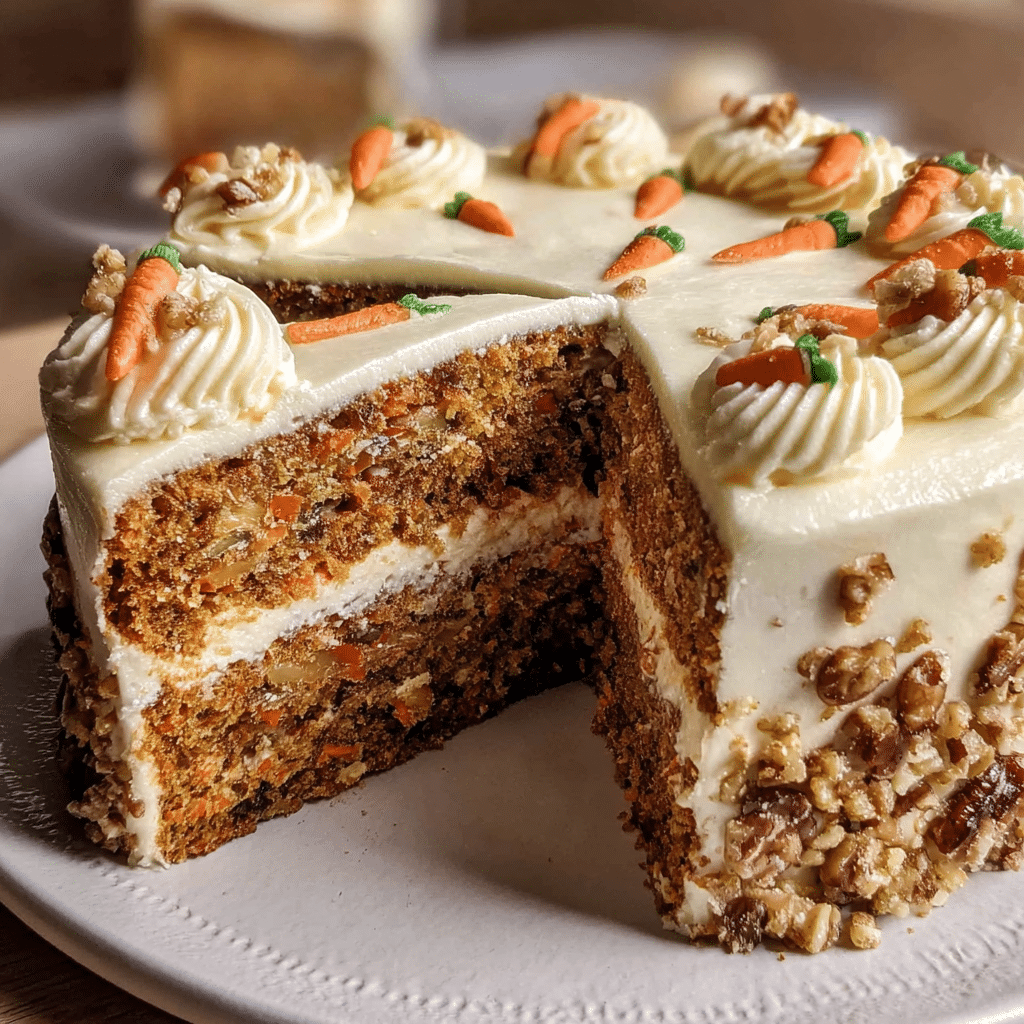
Emotional connections to food are powerful, and my vegan carrot cake is no exception. Each slice carries with it a story, a memory, and a lesson in love. Baking this cake not only brings joy to those who eat it but also serves as a reminder of the importance of family, tradition, and the joy of creating something delicious from scratch. As you read through this guide, you will learn not only how to bake a scrumptious vegan carrot cake but also the cultural significance behind it, tips to make it your own, and how to bring your family together through the joy of baking.
The Rich History and Cultural Significance of vegan carrot cake
The rich history and cultural significance of vegan carrot cake are as layered and flavorful as the cake itself. Its roots trace back to medieval times, when carrots were used as a sweetener in desserts due to the scarcity of sugar. This practice continued through the ages, leading to various interpretations of carrot-based cakes across cultures. The carrot cake we know today has evolved significantly, especially in the context of the vegan movement that gained momentum in the 20th century. The transition of carrot cake into the vegan realm represents not just a dietary choice, but also a cultural shift towards more sustainable and health-conscious eating habits.
Origins and History
Carrot cake has its origins steeped in history, beginning in the Middle Ages when the carrot was used as a substitute for sugar. Fast forward to the 1960s in America, where carrot cake gained popularity as a health food. The use of carrots in cakes was not only innovative but also provided a nutritional boost, making the dessert seem less indulgent. The 1970s brought about the vegan movement, which aimed to eliminate animal products from diets. This led to the creation of numerous vegan recipes, including the now-beloved vegan carrot cake. Unlike traditional recipes, vegan versions omit eggs and dairy, relying instead on ingredients like applesauce, flaxseed, or aquafaba to provide moisture and binding.
Cultural Significance
Vegan carrot cake has established itself as a favorite in many households, often served at celebrations or gatherings. It embodies the spirit of inclusivity, as those with dietary restrictions can indulge without feeling left out. The cake is often made for occasions like birthdays, holidays, or even potlucks, where it serves as a conversation starter about health, wellness, and sustainability. Its vibrant color and spices resonate with cultural traditions that celebrate the bounty of the harvest, making it a dish that connects people across generations and backgrounds.
In many regions, the cake has inspired local adaptations. For instance, some cultures might add nuts or dried fruits, while others may infuse it with tropical flavors, such as coconut or pineapple, celebrating the diversity of ingredients available in different regions. This adaptability has allowed vegan carrot cake to thrive in various culinary landscapes, ensuring its place on dessert tables worldwide.
Nutritional Benefits
One of the most compelling aspects of vegan carrot cake is its nutritional profile. Carrots, the star ingredient, are packed with vitamins, particularly vitamin A, which is crucial for vision and immune function. When you indulge in a slice of vegan carrot cake, you’re not just treating your sweet tooth; you’re also giving your body a boost of antioxidants and dietary fiber. The addition of nuts, should you choose to include them, provides healthy fats, protein, and further nutrients, making this cake a more wholesome option compared to traditional desserts.
Furthermore, vegan carrot cake is often lower in saturated fat and cholesterol-free, making it a heart-healthy choice. Substituting refined sugars with natural sweeteners like maple syrup or agave nectar can also reduce the glycemic index of the cake, making it suitable for those monitoring their sugar intake. The ability to customize the recipe to include whole grains or additional fruits elevates its health benefits even further, making vegan carrot cake a delicious yet guilt-free indulgence.
In conclusion, the rich history and cultural significance of vegan carrot cake reflect our evolving relationship with food. As we become more conscious of our dietary choices and their impact on the planet, this cake stands as a testament to the delicious possibilities that lie within plant-based baking. Whether you are an experienced baker or just starting, this guide will equip you with the knowledge and inspiration to create your own vegan carrot cake, ensuring that you not only savor each bite but also appreciate the story behind it.
Essential Ingredients for Perfect vegan carrot cake
When it comes to creating the perfect vegan carrot cake, the foundation lies in selecting the right ingredients. Each element plays a crucial role in not just the flavor, but also the texture and overall success of the cake. Let’s dive deep into the essential ingredients that will make your vegan carrot cake truly extraordinary!
Essential Ingredients
- 2 cups All Purpose Flour (250g)
- 1 tsp Baking Powder
- 1 tsp Baking Soda
- ½ tsp Salt
- 2 tsp Cinnamon
- 1 tsp Nutmeg
- 1 ½ cups Light Brown Sugar (300g)
- 2 ⅓ cups Grated Carrot (255g)
- 2 Flax Eggs (2 Tbsp Ground Flaxseed Meal with 6 Tbsp Water)
- ½ cup Canola Oil (120ml) or Vegetable Oil
- 1 tsp Vanilla Extract
- 1 Tbsp Apple Cider Vinegar
- 1 cup Walnuts (100g) Chopped, Optional
- 4 cups Powdered Sugar (480g)
- ½ cup Vegan Butter (112g)
- 1 tsp Vanilla Extract
- 1 tsp Apple Cider Vinegar
- 2-3 Tbsp Fresh Lemon Juice
- Walnuts Chopped
Vegan Carrot Cake
Ingredients
For the Carrot Cake:
- 2 cups All Purpose Flour (250g)
- 1 tsp Baking Powder
- 1 tsp Baking Soda
- ½ tsp Salt
- 2 tsp Cinnamon
- 1 tsp Nutmeg
- 1 ½ cups Light Brown Sugar (300g)
- 2 ⅓ cups Grated Carrot (255g)
- 2 Flax Eggs (2 Tbsp Ground Flaxseed Meal with 6 Tbsp Water)
- ½ cup Canola Oil (120ml) or Vegetable Oil
- 1 tsp Vanilla Extract
- 1 Tbsp Apple Cider Vinegar
- 1 cup Walnuts (100g) Chopped, Optional
For the Lemon Buttercream Frosting:
- 4 cups Powdered Sugar (480g)
- ½ cup Vegan Butter (112g)
- 1 tsp Vanilla Extract
- 1 tsp Apple Cider Vinegar
- 2–3 Tbsp Fresh Lemon Juice
Instructions
- Preheat the oven to 350°F (180°C). Spray two 7-inch cake pans or two 8-inch cake pans (see notes*) with non-stick spray and line the bottoms with circles of parchment paper.
- Sift the all purpose flour into a mixing bowl and add the baking powder, baking soda, salt, cinnamon and nutmeg. Mix together.
- Add the light brown sugar and grated carrot to the mixing bowl.
- Prepare your flax eggs by adding 2 tablespoons of ground flaxseed meal to a bowl with 6 tablespoons of hot water. Let it sit for a minute to become gloopy.
- Add the flax eggs, oil, vanilla extract, apple cider vinegar and chopped walnuts to the mixing bowl.
- Mix everything together. If it seems like it won’t come together and the mix is too dry then step away from the bowl for a couple of minutes and then come back to it. The carrots will have released more moisture into the batter allowing it to come together into a thick batter.
- Divide the batter evenly between the two prepared cake pans.
- Bake for 30 minutes or until a toothpick inserted into the center of one of the cakes comes out clean.
- Allow the cakes to cool in the pans for a few minutes before transferring them to a wire cooling rack to cool completely.
- While the cakes are cooling, prepare your frosting.
- Add the powdered sugar, vegan butter, vanilla extract, apple cider vinegar and 2 tablespoons of lemon juice to the bowl of your stand mixer.
- Start mixing on low speed gradually increasing speed until your frosting is thick and smooth.
- If your frosting is too thick then add in the extra tablespoon of lemon juice, a drop at a time and only as much as needed to get to a spreadable consistency.
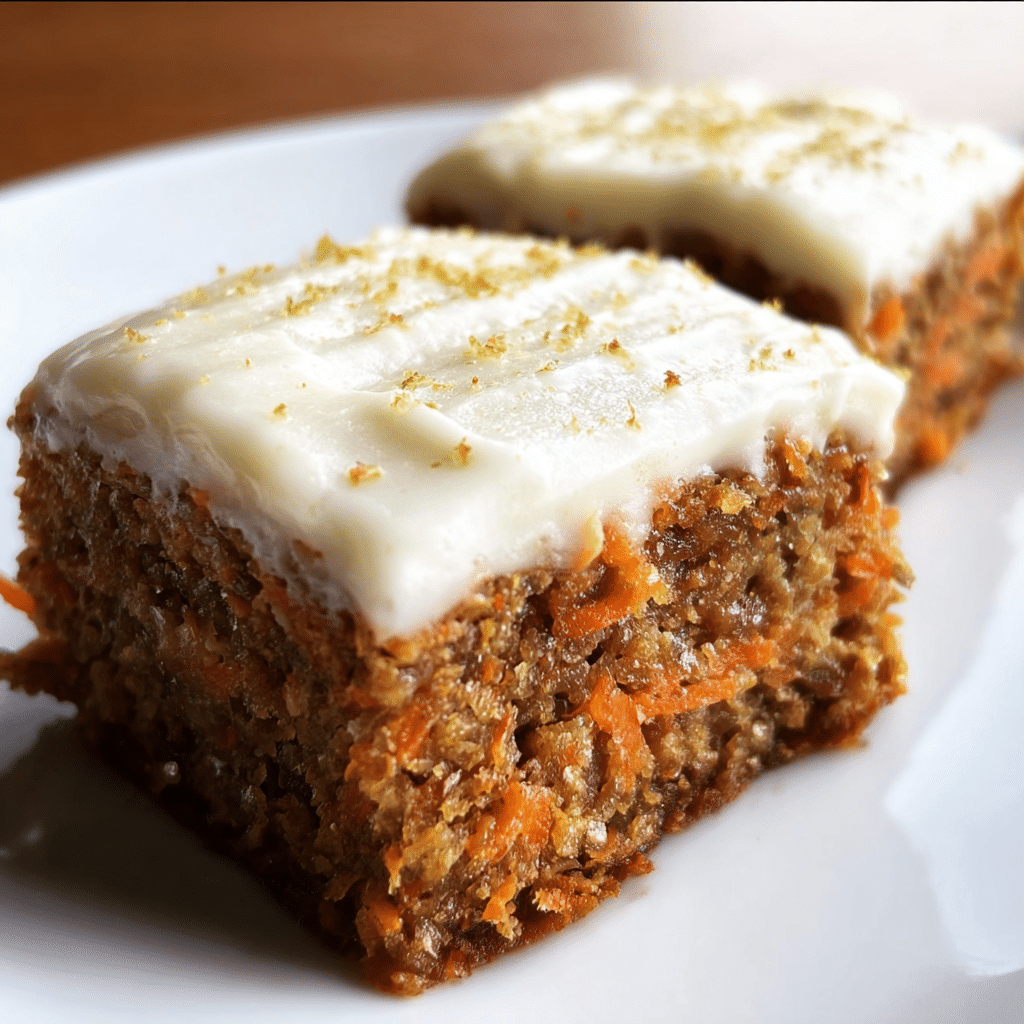
- Frost the cake and decorate the top with chopped walnuts.
Let’s break down the significance of each ingredient:
Flour and Leavening Agents
All-purpose flour serves as the backbone of your vegan carrot cake, providing the structure needed to hold everything together. When choosing flour, opt for unbleached all-purpose flour as it tends to have a better flavor profile. The baking powder and baking soda are crucial for leavening; they react to create bubbles, making your cake light and airy. Ensure your leavening agents are fresh; old ones can lead to flat cakes.
Spices
Cinnamon and nutmeg are what give your vegan carrot cake its warm, inviting aroma. Quality spices can elevate your cake from ordinary to extraordinary. Consider using freshly ground spices for the best flavor. If you’re feeling adventurous, try adding a pinch of ginger or cardamom for an interesting twist!
Sweeteners
Light brown sugar not only adds sweetness but also contributes moisture and a slight caramel flavor to your cake. When selecting sugar, aim for organic varieties that are free from bone char. If you’re looking for a lower glycemic option, coconut sugar can be a great substitute.
Carrots
Grated carrots are the star of the show in any vegan carrot cake. They not only provide sweetness but also a beautiful texture. When shopping for carrots, choose firm, vibrant ones. Seasonal carrots, especially during spring, are often sweeter and juicier. If you’re short on time, pre-grated carrots are available but may lack the freshness of freshly grated ones.
Flax Eggs
As a vegan replacement for eggs, flax eggs mimic the binding properties of traditional eggs. To make a flax egg, combine ground flaxseed meal with water and let it sit until it thickens. This not only keeps your cake vegan but also adds healthy omega-3 fatty acids!
Oils and Flavorings
Canola oil or vegetable oil ensures moisture in the cake. While some people prefer a neutral oil, using coconut oil can add a subtle flavor. Vanilla extract elevates the taste, creating a well-rounded flavor profile. Always choose pure extracts over synthetic ones for the best results. Apple cider vinegar adds acidity, which is essential for activating the baking soda and improving the cake’s rise.
Walnuts
Chopped walnuts add delightful crunch and a nutty flavor. They’re optional but highly recommended. When shopping for nuts, look for raw or lightly toasted walnuts for the best flavor. Always check for freshness, as nuts can go rancid quickly.
Frosting Ingredients
The frosting for your vegan carrot cake is just as important as the cake itself. Powdered sugar is the base for a sweet, smooth frosting, while vegan butter provides creaminess. The additional vanilla extract, apple cider vinegar, and lemon juice create a tangy balance against the sweetness. When selecting vegan butter, look for brands with minimal ingredients and no hydrogenated oils for a healthier option.
Shopping Tips
When gathering your ingredients, consider shopping at local farmers’ markets for fresher produce, particularly carrots and seasonal spices. Many grocery stores also offer bulk sections, which can save you money and reduce packaging waste. If budget is a concern, consider buying generic brands for staples like flour, sugar, and oils. They often have the same quality at a lower price point!
Substitutions and Alternatives
If you have dietary restrictions, there are plenty of substitutions available. For gluten-free options, you can use a 1:1 gluten-free flour blend. For those avoiding sugar, maple syrup can replace light brown sugar, but be mindful of adjusting the liquid in your recipe. Additionally, you can skip the walnuts or replace them with sunflower seeds for nut-free alternatives.
In conclusion, crafting a delicious vegan carrot cake requires careful attention to your ingredients. From the spices to the sweeteners, each component contributes significantly to the final product. With the right ingredients, you’re well on your way to baking a show-stopping cake that everyone will love!
Detailed Step-by-Step vegan carrot cake Cooking Instructions
Now that you have all your ingredients lined up, it’s time to roll up your sleeves and dive into the step-by-step process of creating a mouthwatering vegan carrot cake. This section will guide you through each phase of preparation and cooking, ensuring you achieve a delightful cake that’s moist, flavorful, and utterly irresistible.
Preparation Steps
Before you start mixing and baking, it’s essential to prepare your workspace and gather all your tools. This will make the cooking process smoother and more enjoyable.
- Preheat the Oven: Begin by preheating your oven to 350°F (175°C). This ensures that your vegan carrot cake bakes evenly. A properly preheated oven is key to achieving that perfect rise.
- Prepare Your Baking Pans: Grease and flour two 9-inch round cake pans. Alternatively, you can line the bottom with parchment paper for easy removal after baking. This small step can save you a lot of hassle later!
- Mise en Place: Gather all your ingredients. Measure out the all-purpose flour, baking powder, baking soda, spices, brown sugar, grated carrots, flax eggs, oil, and vanilla. Having everything ready will streamline your process and keep you organized.
Cooking Process
With everything prepped, it’s time to start mixing! Follow these steps to create your vegan carrot cake.
- Mix Dry Ingredients: In a large mixing bowl, sift together the flour, baking powder, baking soda, salt, cinnamon, and nutmeg. Sifting helps to aerate the flour, leading to a lighter cake. Make sure everything is well combined.
- Combine Wet Ingredients: In a separate bowl, whisk together the light brown sugar, grated carrots, flax eggs, canola oil, vanilla extract, and apple cider vinegar. Ensure that the sugar is well dissolved and the mixture is smooth.
- Incorporate Wet and Dry: Gradually add the wet mixture to the dry ingredients, stirring until just combined. Be careful not to overmix, as this can lead to a dense cake. You want to see a few lumps in the batter!
- Fold in Walnuts: If you’re using walnuts, gently fold them into the batter. This adds a delightful crunch and nutty flavor that pairs beautifully with the sweetness of the carrots.
- Pour and Level: Divide the batter evenly between your prepared cake pans. Use a spatula to smooth the tops, ensuring an even bake.
- Baking Time: Place the pans in the preheated oven and bake for 25-30 minutes, or until a toothpick inserted into the center comes out clean. The cakes should be golden brown and spring back when lightly pressed.
Final Assembly
Once your cakes are baked, it’s time to cool and assemble!
- Cool the Cakes: Allow the cakes to cool in the pans for about 10 minutes before transferring them to a wire rack. Cooling is crucial as it prevents the cakes from becoming soggy.
- Prepare the Frosting: While the cakes cool, prepare your frosting. In a bowl, beat together the vegan butter, powdered sugar, vanilla extract, apple cider vinegar, and fresh lemon juice until creamy and smooth. Adjust the consistency with more powdered sugar or a splash of plant milk if necessary.
- Assemble the Cake: Place one cake layer on a serving platter. Spread a generous layer of frosting on top. Place the second layer on top, and frost the top and sides of the cake. For a decorative touch, sprinkle chopped walnuts on top.
- Chill and Set: Allow the assembled cake to chill in the refrigerator for about 30 minutes. This helps the frosting set and makes slicing easier.
- Serve: Once set, slice your beautiful vegan carrot cake and serve it to your friends and family. Watch their faces light up with joy as they indulge in this moist, flavorful dessert!
Throughout this process, be mindful of common pitfalls. Overmixing can lead to a dense cake, while underbaking can result in a soggy center. Always trust your instincts and look for visual cues—your cake should be golden and spring back when touched. And remember: practice makes perfect! With each attempt, you’ll become more confident and skilled at making this delightful vegan carrot cake.
By following these detailed instructions, you’ll create a stunning and delicious vegan carrot cake that’s sure to impress anyone who takes a bite. Happy baking!
Professional Tips and Techniques for vegan carrot cake
When it comes to baking an exceptional vegan carrot cake, there are a multitude of professional tips and techniques that can elevate your creation from ordinary to extraordinary. As someone who has spent countless hours experimenting in the kitchen, I can assure you that the right knowledge can make a world of difference. Whether you are a novice baker or an experienced culinary enthusiast, understanding these nuances can bring your vegan carrot cake to life in ways you never imagined.
Professional Techniques
First and foremost, let’s talk about the foundational elements of baking a vegan carrot cake. The key to achieving that perfect texture lies in the balance of wet and dry ingredients. Since we are omitting eggs, it’s essential to incorporate moisture through other means. I often use a combination of applesauce and mashed bananas as substitutes, which not only add moisture but also lend a subtle sweetness and flavor that pairs beautifully with the spices in the cake.
Another professional tip is to finely grate your carrots. While it might be tempting to use pre-packaged shredded carrots for convenience, freshly grated carrots provide a fresher flavor and better moisture. You’ll want to use a box grater or a food processor to achieve that fine texture. This allows the carrots to meld seamlessly into the batter, creating a fluffier cake.
Additionally, incorporating spices like cinnamon, nutmeg, and ginger can take your vegan carrot cake to the next level. Toasting these spices in a dry pan for a couple of minutes before adding them to your batter can enhance their flavor profile significantly. It’s those little things that can make a huge impact.
Troubleshooting Guide
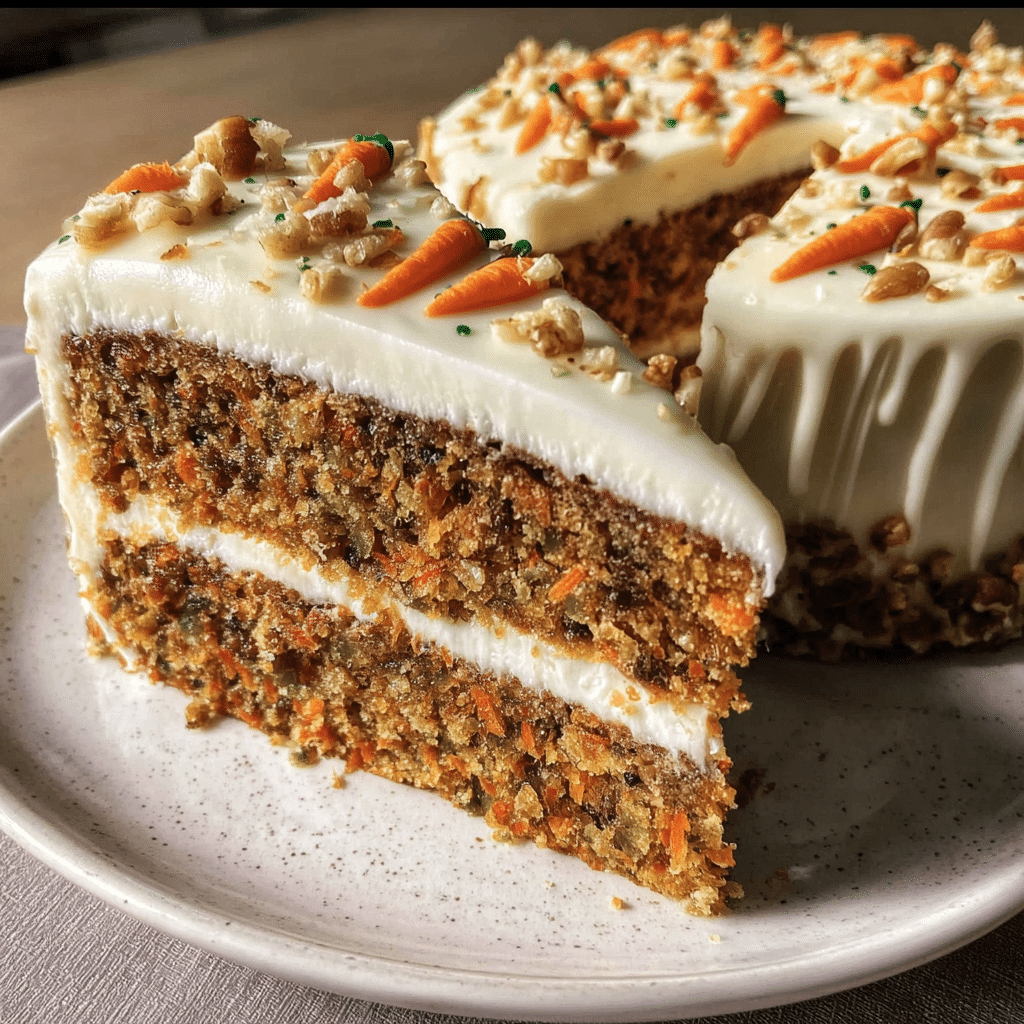
Baking, especially vegan baking, can sometimes lead to unexpected outcomes. Here are some common problems and their solutions:
- Dry Cake: If your vegan carrot cake turns out dry, it’s likely that you’ve overmixed or overbaked it. Remember, once you combine wet and dry ingredients, mix just until everything is incorporated. Also, consider checking your oven temperature with an oven thermometer to ensure it’s accurate.
- Dense Texture: A dense cake can often be remedied by adding more leavening agents. Make sure you’re using fresh baking soda or baking powder. If you want to experiment, adding a teaspoon of vinegar can help create a lighter texture.
- Uneven Baking: To avoid uneven baking, always rotate your cake in the oven halfway through the baking process. This promotes an even rise and ensures that all sides bake uniformly.
Presentation Tips
Presentation is key when it comes to serving your vegan carrot cake. A beautifully plated dessert can make an unforgettable impression. Here are some tips to ensure your cake looks as good as it tastes:
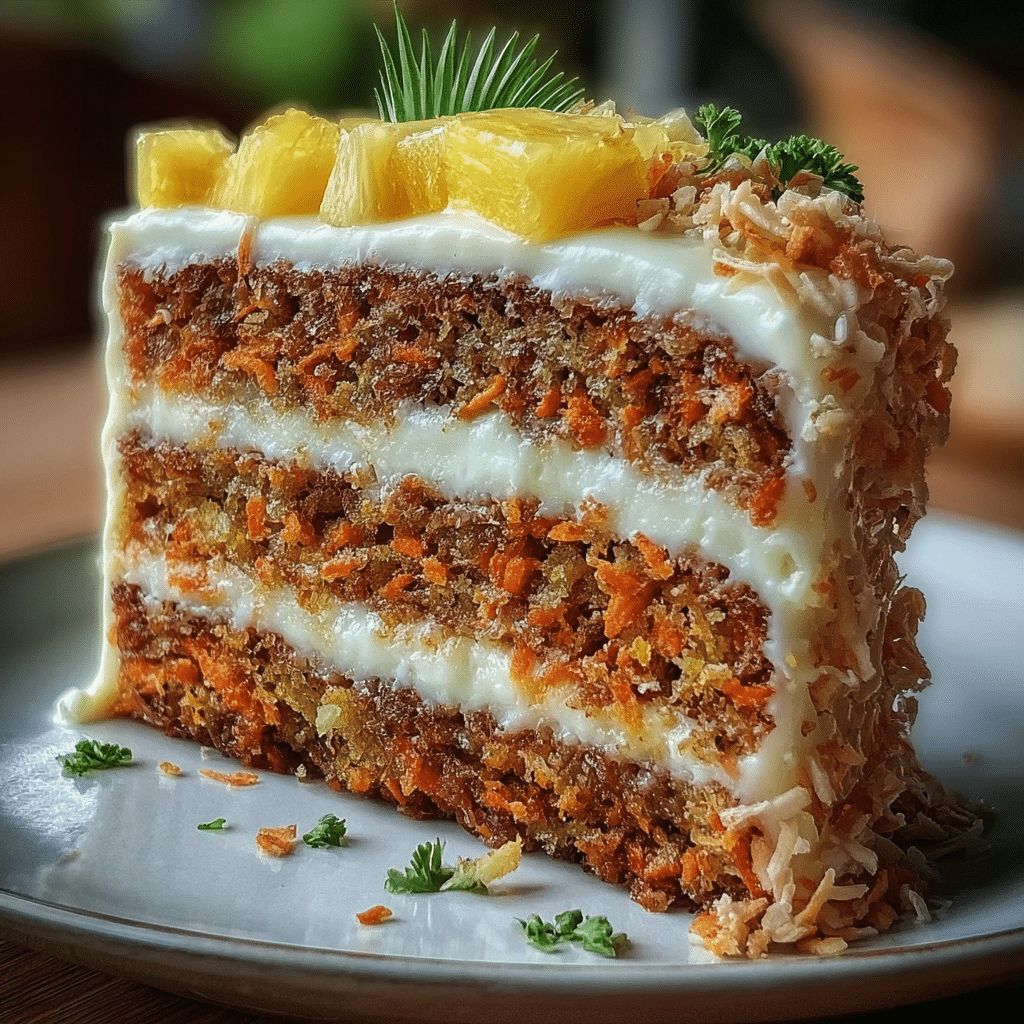
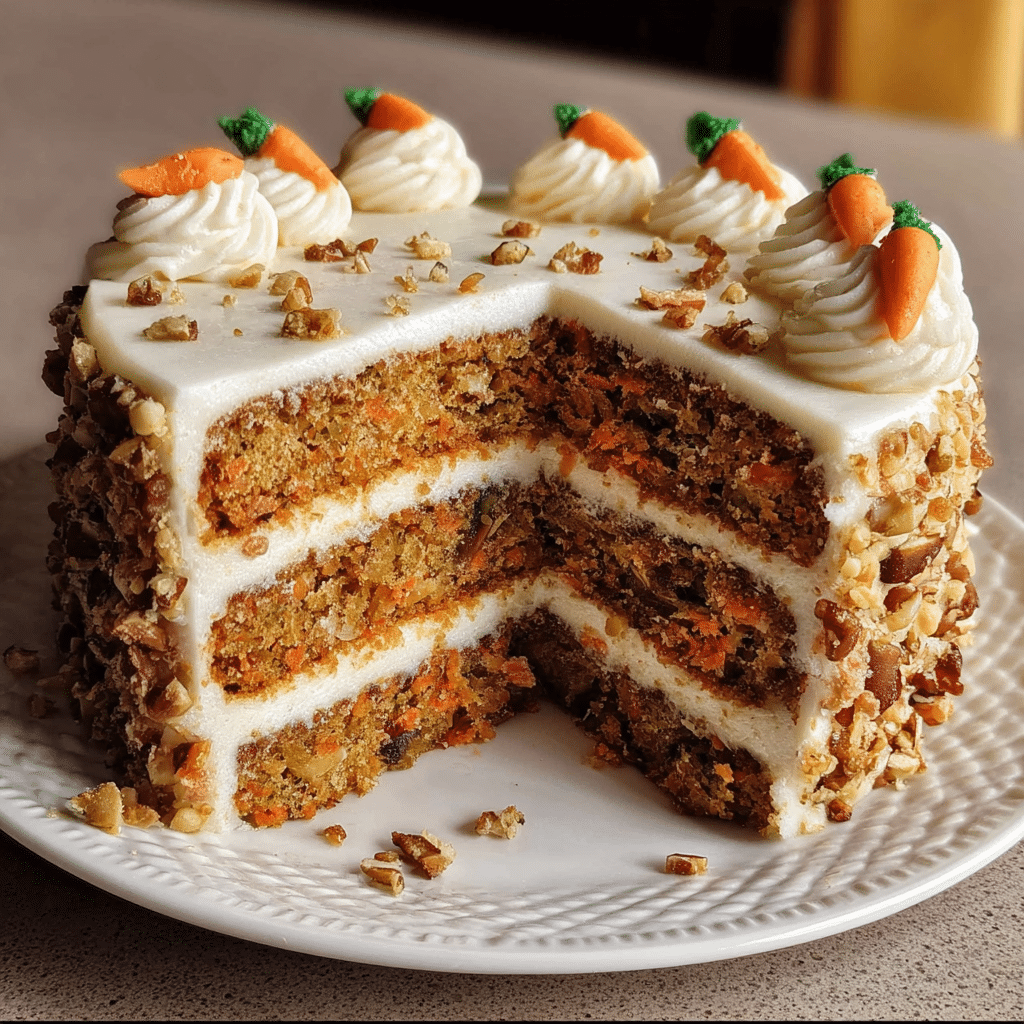
- Layering: Consider making a multi-layered carrot cake. Not only does this create a stunning visual effect, but it also allows for more frosting, which enhances the flavor.
- Frosting Techniques: Use a spatula or a knife to create swirls or peaks in your frosting. You can also sprinkle some chopped walnuts or shredded coconut on top for added texture and visual appeal.
- Serving Suggestions: Pair your vegan carrot cake with fresh fruits, like berries, or serve it with a dollop of coconut cream for a delightful contrast in flavors and textures.
Finally, let’s not forget about beverage pairings. A well-chosen drink can complement your vegan carrot cake beautifully. Consider serving it with a cup of chai tea, which echoes the warm spices in the cake. For a refreshing contrast, a light, fruity white wine can also work wonders.
In conclusion, the art of baking a vegan carrot cake involves understanding the science behind baking, embracing creativity, and applying various professional techniques. With each attempt, you’ll become more adept and your cakes will reflect your growing skills. Don’t shy away from experimenting; after all, the kitchen is a playground, and every cake is a new adventure!
Creative Variations and Adaptations of vegan carrot cake
Vegan carrot cake is a delightful treat that can be adapted in numerous ways to suit different tastes, dietary needs, and even seasonal ingredients. As a passionate home baker, I love to experiment with flavors and textures, and I’m excited to share some creative variations and adaptations that can bring new life to this classic dessert.
Seasonal Variations
One of the joys of baking is the ability to incorporate seasonal ingredients into your recipes. In spring, when carrots are at their freshest, I like to infuse my vegan carrot cake with orange zest. The brightness of the citrus complements the earthy sweetness of the carrots beautifully. In the fall, consider adding chopped apples or pears for a delightful twist that evokes the flavors of the season.
Another seasonal adaptation is to incorporate spices that reflect the time of year. For example, in the winter months, adding warming spices like cardamom or allspice can provide a comforting depth to your cake. You can also experiment with incorporating pumpkin puree for an autumn-inspired carrot cake that combines two beloved flavors.
Dietary Adaptations
With the rise of dietary preferences and restrictions, it’s essential to create a vegan carrot cake that everyone can enjoy. For those following a gluten-free diet, simply substitute all-purpose flour with a gluten-free blend. Be sure to check that your baking powder is gluten-free as well.
If you’re looking to reduce sugar, you can experiment with natural sweeteners like maple syrup or coconut sugar. These alternatives can provide a unique flavor profile while keeping your vegan carrot cake moist and delicious. For a lower-calorie option, consider using ripe mashed bananas as a sweetener, which will also add moisture and a hint of banana flavor.
Creative Twists
Vegan carrot cake is a blank canvas waiting for your creativity. One of my favorite variations is to add shredded coconut and crushed pineapple to the batter, resulting in a tropical-inspired cake that’s perfect for summer gatherings. This fusion of flavors is not only refreshing but also adds an exciting texture.
Moreover, you can introduce unique frostings to complement your cake. Instead of the traditional cream cheese frosting, why not try a cashew-based frosting infused with lemon juice and vanilla? It’s both creamy and tangy—perfect for cutting through the sweetness of the cake. For a chocolate lover’s dream, consider adding cocoa powder to your frosting or even swirling chocolate ganache into the batter for an indulgent twist.
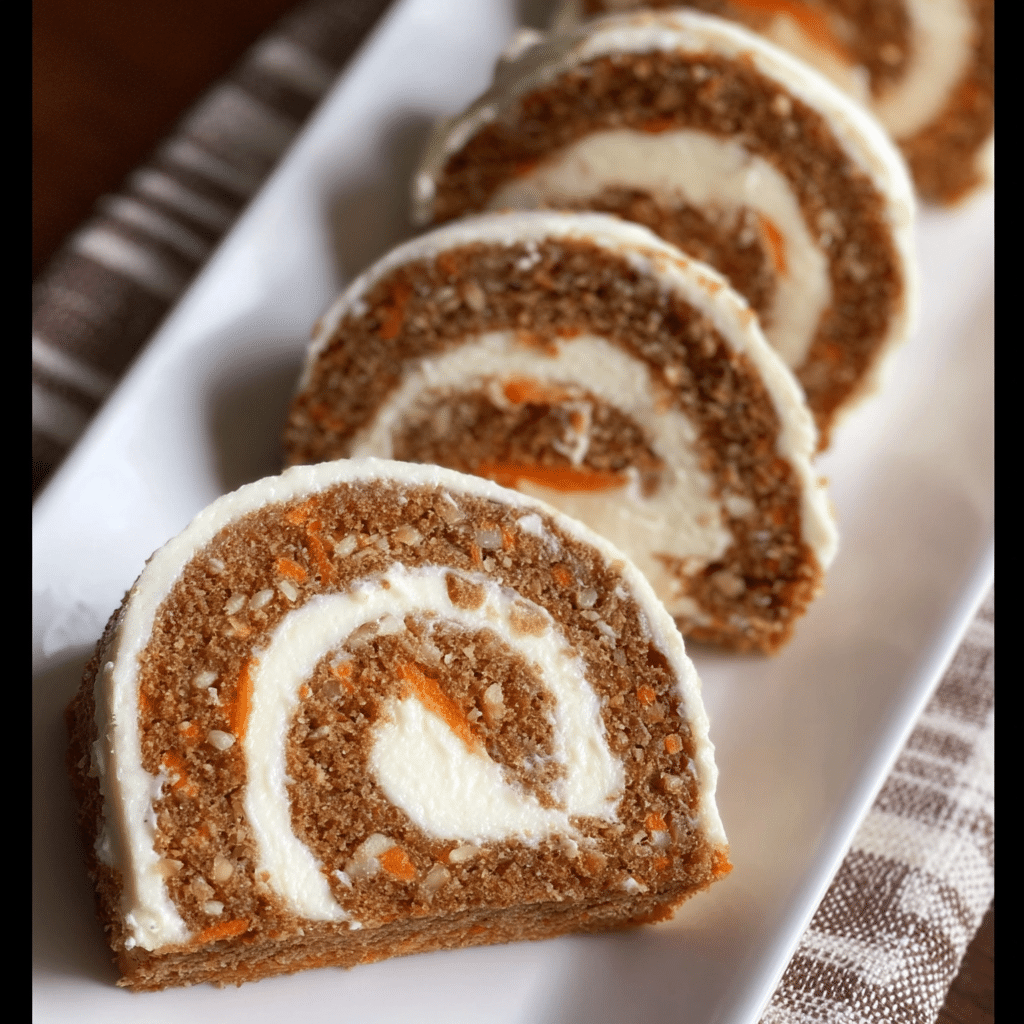
Additionally, you can experiment with different cooking methods to create unique textures. A slow cooker can yield a moist, cake-like dessert, while a muffin pan can transform your vegan carrot cake into delightful individual servings. You can also try baking it as a sheet cake for easier serving at parties.
Lastly, let’s talk about leftovers. If you find yourself with extra cake, consider transforming it into a trifle by layering pieces of cake with vegan whipped cream and fresh fruits. It’s a beautiful and delicious way to utilize any leftover cake while creating an impressive dessert presentation.
In conclusion, the possibilities for variations and adaptations of vegan carrot cake are endless. Whether you’re incorporating seasonal ingredients, accommodating dietary needs, or simply experimenting with flavors, each version can bring a new experience to the table. So don your apron, gather your ingredients, and let your creativity flow!
Storage, Reheating, and Meal Prep for vegan carrot cake
When it comes to enjoying a delicious vegan carrot cake, knowing how to store it properly can make a world of difference in maintaining its delectable flavor and texture. Whether you’ve baked a batch for a special occasion or simply want to indulge in a sweet treat throughout the week, understanding the nuances of storage, reheating, and meal prep can help you get the most out of your vegan carrot cake.
Short-term Storage
For those moments when you’ve just baked a fresh vegan carrot cake and are eager to dig in, short-term storage is key to keeping it moist and delicious. The best way to store your cake in the refrigerator is by using an airtight container. If you don’t have one large enough, you can wrap individual slices in plastic wrap or aluminum foil. This not only helps to keep the cake fresh but also prevents it from absorbing any unwanted odors from the fridge.
After baking, allow your vegan carrot cake to cool completely at room temperature. Placing a warm cake in the refrigerator can create condensation, leading to a soggy texture. Once cooled, place it in the container or wrap it tightly. Typically, a properly stored vegan carrot cake can last up to one week in the refrigerator. However, I recommend consuming it within the first five days for optimal freshness.
Freezing and Long-term Storage
If you’ve made a large batch or simply want to save some for later, freezing your vegan carrot cake is a fantastic option. Freezing is an excellent way to preserve the cake’s flavor and moisture for a longer period. Before freezing, ensure that the cake is completely cooled. Just like with short-term storage, wrap the cake tightly in plastic wrap. For added protection against freezer burn, consider placing it inside a freezer-safe bag or container.
You can freeze an entire cake or individual slices—whichever suits your needs. If you’re freezing a whole cake, I recommend slicing it first. This way, you can take out only what you need later without having to defrost the entire cake. A well-stored vegan carrot cake can last in the freezer for up to three months. Just be sure to label your cake with the date, so you can keep track of its shelf life.
Reheating Best Practices
When it comes time to indulge again, reheating your vegan carrot cake should be done thoughtfully to maintain its quality. If you’re dealing with a slice, the microwave can be a quick solution. Simply place the slice on a microwave-safe plate and heat it for about 10-15 seconds. If you prefer a warm cake with a slightly crispy exterior, consider using an oven. Preheat your oven to 350°F (175°C), wrap the cake slice in aluminum foil to keep it from drying out, and heat for about 10-15 minutes.
For those who have frozen their vegan carrot cake, the best way to defrost is to take it out of the freezer the night before and let it thaw in the refrigerator. This gradual thawing helps to retain the cake’s moisture. If you’re in a hurry, you can also leave it at room temperature for a couple of hours, but this may affect the texture slightly.
Meal Prep and Batch Cooking Strategies
For busy weeks when you know you’ll need a quick dessert or snack, preparing vegan carrot cake in advance can be a game-changer. Consider making a double batch of your favorite recipe. You can slice it and portion it out before freezing, allowing you to have pre-portioned servings ready to go. Alternatively, you can bake mini vegan carrot cakes in muffin tins—these are perfect for portion control and freezing.
Don’t forget to consider the icing or frosting when meal prepping. If you’re frosting the cake ahead of time, use a cream cheese frosting that can also be stored in the refrigerator. Always frost the cake just before serving for the best taste and texture.
Food Safety Considerations and Guidelines
When storing vegan carrot cake, food safety should always be a top priority. Be mindful of potential allergens, especially if you’re sharing your cake with friends or family. If you’re using nuts, ensure that your guests do not have nut allergies. Always keep your cake covered to prevent cross-contamination with other foods in the fridge.
As with any baked good, it’s essential to keep an eye on the cake’s appearance and smell. If you notice any off-odors or visible mold, it’s best to err on the side of caution and discard it. Proper storage not only extends the shelf life but also ensures that each slice of vegan carrot cake remains a delightful and safe treat.
In summary, effective storage, reheating, and meal prep strategies can transform your experience with vegan carrot cake. With these tips, you can enjoy every last crumb of your cake while keeping it fresh, safe, and absolutely delicious.
Nutritional Benefits and Health Information
Vegan carrot cake is not just a delightful dessert; it also boasts an impressive array of nutritional benefits that make it a favorite among health-conscious foodies. Packed with wholesome ingredients, this luscious cake can be enjoyed guilt-free, especially when you understand its nutritional profile and how it fits into various dietary practices.
Nutritional Profile
The primary ingredients in vegan carrot cake—carrots, flour, sugar alternatives, and plant-based oils or butters—contribute to its nutrition. On average, a slice of vegan carrot cake contains approximately 250 calories, depending on the recipe and portion size. The macronutrient breakdown typically includes about 4 grams of protein, 10 grams of fat, and 40 grams of carbohydrates, making it a balanced dessert option when consumed in moderation.
Carrots are the star of the show, providing a significant boost in vitamins and minerals. Just one medium carrot contains about 25 calories, but it’s also packed with beta-carotene, which converts to vitamin A in the body. This vitamin is essential for maintaining healthy vision, skin, and immune function. Additionally, carrots are a good source of fiber, which aids digestion and helps you feel full longer.
Health Benefits
One of the most significant health benefits of vegan carrot cake comes from its main ingredient: carrots. This root vegetable is loaded with antioxidants, particularly carotenoids, which have been linked to a reduced risk of chronic diseases, including heart disease and certain cancers. Moreover, the fiber content from both the carrots and whole grain flours used in the cake can help promote a healthy digestive system.
Incorporating nuts or seeds into your vegan carrot cake can also enhance its nutritional value. Walnuts, for example, are rich in omega-3 fatty acids, which are known to support brain health and reduce inflammation. If you opt for a recipe that includes coconut or raisins, you’ll also benefit from the healthy fats and natural sugars, respectively, adding depth to both flavor and nutrition.
Dietary Considerations
Vegan carrot cake is inherently dairy-free and egg-free, making it a perfect dessert for those following a vegan lifestyle. However, if you have specific dietary restrictions or allergies, it’s essential to customize the recipe to suit your needs. For gluten-free options, consider using almond flour or a gluten-free all-purpose blend, which can still yield a moist and flavorful cake.
When it comes to sweeteners, many vegan recipes utilize alternatives such as maple syrup, agave nectar, or coconut sugar instead of refined sugars. These natural sweeteners can not only reduce the glycemic index of the cake but also add unique flavors that enhance the overall taste experience.
As you enjoy your slice of vegan carrot cake, remember that balance is key. While the cake does offer health benefits, it is still a dessert and should be enjoyed in moderation. Pairing it with fresh fruit or a dollop of dairy-free yogurt can create a more balanced meal or snack.
In comparison to traditional carrot cake, vegan carrot cake often has lower saturated fat content, especially if made with healthier oils and sweeteners. This makes it a favorable option for those looking to indulge without the extra guilt typically associated with desserts.
In conclusion, vegan carrot cake is not just a delightful treat; it is also a nourishing option that can fit into various dietary lifestyles. Its blend of wholesome ingredients offers numerous health benefits, making it a dessert you can feel good about enjoying. So, the next time you slice into a piece of this delightful cake, remember that you are indulging in a dessert that is as good for your taste buds as it is for your body.
Conclusion: Mastering the Perfect vegan carrot cake
Creating the perfect vegan carrot cake is more than just following a recipe—it’s about understanding the techniques, ingredients, and cultural significance behind this beloved dish. Throughout this comprehensive guide, we’ve explored everything from the historical origins to modern variations, ensuring you have all the knowledge needed to make this recipe your own.
Whether you’re a beginner cook or an experienced chef, the techniques and tips we’ve shared will help you create a vegan carrot cake that’s not only delicious but also meaningful. Remember that cooking is a journey of discovery, and each time you make this dish, you’ll learn something new.
We encourage you to experiment with the variations we’ve discussed, adapt the recipe to your dietary needs, and most importantly, share it with the people you love. Food has the incredible power to bring people together, and Vegan Carrot Cake is the perfect dish to create lasting memories around your dinner table.
Don’t forget to share your cooking adventures with us on social media, and feel free to ask questions in the comments below. Happy cooking!
Share this recipe and let us know how it turned out! Tag us on social media for a chance to be featured.