White bolognese sauce is a culinary gem that has captured the hearts and palates of many home cooks and food enthusiasts alike. My first encounter with this creamy, rich sauce happened quite unexpectedly during a dinner party at a friend’s house. I had always been a fan of its red counterpart, the traditional Bolognese, but the moment I tasted white bolognese sauce, I was utterly enchanted. The dish was lovingly prepared by my friend’s Italian grandmother, who had mastered the art of cooking over decades. The sauce was velvety smooth, with a depth of flavor that enveloped the pasta in a warm embrace. I remember the way the aroma filled the kitchen, drawing everyone to the table like moths to a flame.
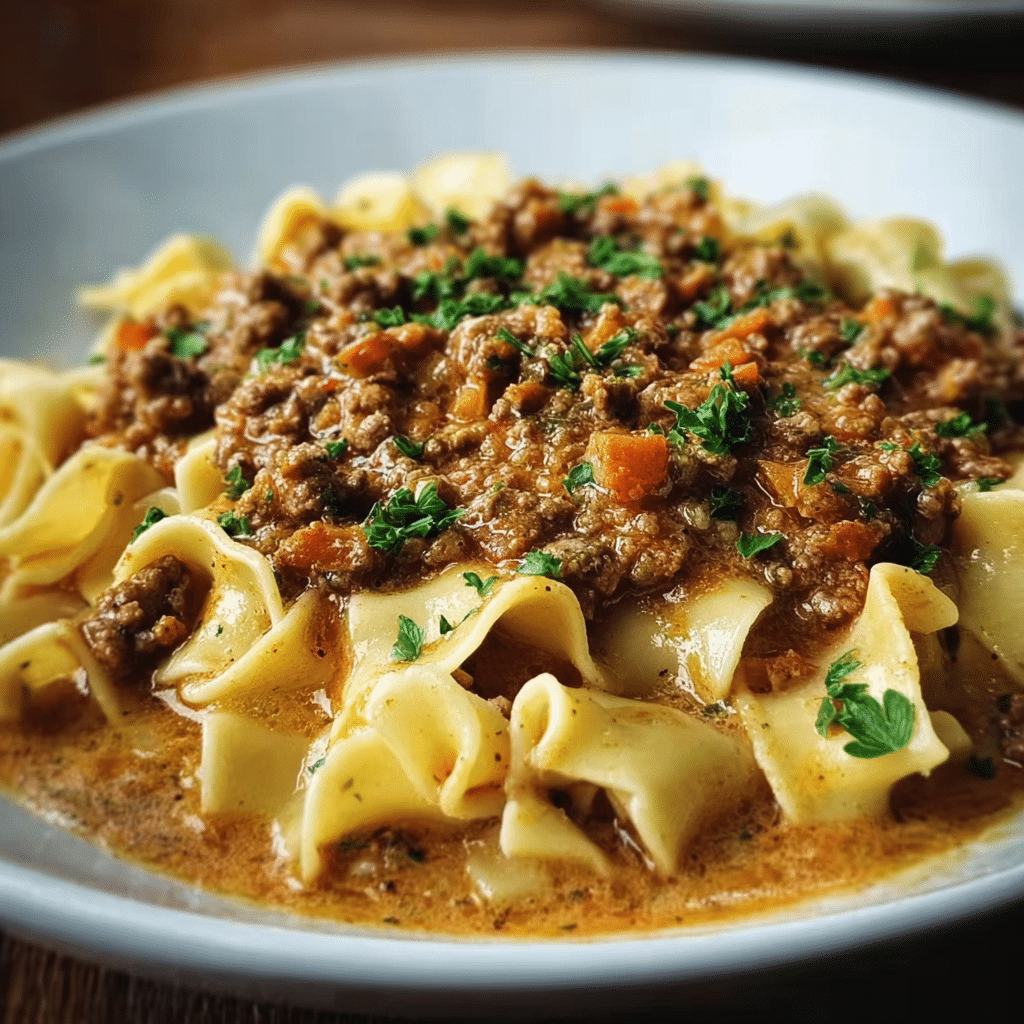
As I sat around the table, sharing stories and laughter with friends, I couldn’t help but ask her about the recipe. She smiled, her eyes twinkling with memories as she recounted how this dish had been passed down through generations in her family. It was a recipe that spoke of love, tradition, and the joy of gathering around a shared meal. From that evening forward, I was determined to create my own version of white bolognese sauce, not just to relish its unique flavors but to share the experience and warmth it brought to the table.
The Story Behind This Recipe
White bolognese sauce, or “ragù bianco,” has its roots in the Emilia-Romagna region of Italy, where culinary traditions are deeply cherished. Unlike its tomato-based cousin, white bolognese sauce relies on a base of meat, white wine, and aromatic vegetables, creating a lighter yet equally satisfying dish. The absence of tomatoes allows the natural flavors of the ingredients to shine through, making it a versatile sauce that pairs beautifully with various types of pasta, from tagliatelle to pappardelle.
This dish is particularly special because it showcases the beauty of simplicity. With just a handful of ingredients—ground meats, onion, carrots, celery, and a splash of cream—white bolognese sauce comes together effortlessly. It is the kind of recipe that busy families can whip up on a weeknight but is also impressive enough to serve at a dinner party. I’ve found that it requires minimal prep, a short cooking time, and rewards you with a comforting meal that feels indulgent. When life gets hectic, knowing that a batch of this sauce is simmering on the stove brings a sense of calm and satisfaction.
Seasonally, white bolognese sauce shines in the cooler months, making it an ideal dish for fall and winter gatherings. It pairs wonderfully with seasonal vegetables, and you can easily incorporate ingredients like mushrooms or kale for added texture and flavor. The warmth of the dish is reminiscent of cozy family dinners, wrapping you in a comforting embrace on chilly evenings. My family often enjoys it with a side of garlic bread and a fresh salad, making it a complete meal that nourishes both body and soul.
Every time I prepare white bolognese sauce, I’m reminded of that enchanting dinner party and the love that went into creating such a delightful dish. It has become a staple in my home, a recipe I turn to when I want to create an atmosphere of warmth and togetherness. It’s more than just a meal; it’s a connection to my friend’s family, to Italian culture, and a way to bring people together to share in the joy of good food.
In this guide, you will learn everything you need to know about white bolognese sauce—from the ingredients and techniques to tips for customizing the recipe to suit your tastes. I’ll share my favorite variations and how to make this dish your own, ensuring that every time you prepare it, it carries a little piece of your story along with it.
The Rich History and Cultural Significance of white bolognese sauce
The rich history of white bolognese sauce is a testament to the culinary traditions of Italy, particularly from the Emilia-Romagna region, where food is not just sustenance but a celebration of heritage and culture. This sauce, known as “ragù bianco,” dates back to the 18th century and reflects the agricultural bounty of the area, where high-quality meats, fresh vegetables, and dairy products are abundant.
Origins and History
The origins of white bolognese sauce are intertwined with the culinary practices of Northern Italy. Traditionally, ragù bianco is made with a mixture of meats—often veal, pork, and pancetta—which are finely minced and slowly cooked to develop a deep, savory flavor. The technique of slow cooking is crucial, as it allows the meats to tenderize and the flavors to meld beautifully. White wine is typically added, which not only enhances the taste but also adds a layer of acidity that balances the richness of the sauce.
As the recipe developed over time, various regions began to put their own spin on it, incorporating local ingredients and flavors. For instance, in some parts of Emilia-Romagna, you may find the addition of nutmeg or herbs like thyme, while others might include cream to enrich the sauce further. The evolution of white bolognese sauce is a reflection of the Italian culinary ethos, which values adaptation and the use of seasonal ingredients.
Cultural Significance
White bolognese sauce holds a special place in Italian cuisine, often served during family gatherings and festive occasions. It embodies the spirit of Italian cooking—simple, hearty, and made with love. In many Italian homes, it is a dish that brings people together, a centerpiece around which stories are shared and memories are created. Whether it’s a Sunday dinner or a holiday celebration, the presence of white bolognese sauce on the table signifies warmth and hospitality.
Famous chefs and restaurants have also contributed to the popularity of this dish, elevating it to fine dining status while staying true to its humble roots. Chefs like Massimo Bottura have been known to incorporate ragù bianco into their menus, showcasing the versatility of the sauce in modern Italian cuisine. Its presence in both home kitchens and high-end restaurants speaks to its enduring appeal and adaptability.
Nutritional Benefits
Beyond its delicious taste, white bolognese sauce offers several nutritional benefits. The use of lean meats provides a good source of protein, essential for muscle growth and repair. The inclusion of vegetables such as onions, carrots, and celery not only adds flavor but also contributes vitamins and minerals that are vital for overall health. Additionally, the incorporation of dairy, whether through cream or milk, adds calcium, which is important for bone health.
For those looking to make the dish lighter, there are several ways to adapt white bolognese sauce without sacrificing flavor. Substituting ground turkey or chicken for beef and pork can reduce the fat content, while using low-fat milk or skipping the cream altogether can make the sauce a healthier option. You can also bulk it up with vegetables like spinach or zucchini, making it a more nutrient-dense meal.
In conclusion, white bolognese sauce is not just a delicious addition to your dinner table; it carries a rich history and cultural significance that adds depth to every bite. As we explore the nuances of this sauce throughout this guide, I hope you’ll find inspiration to create your own versions and share them with loved ones, continuing the tradition of warmth and togetherness that this dish represents.
Essential Ingredients for Perfect white bolognese sauce
Creating the perfect white bolognese sauce begins with understanding its essential ingredients. Each component plays a critical role in achieving the rich, creamy texture and flavor that makes this dish so beloved. Below is a comprehensive list of ingredients you’ll need, along with insights into their importance and quality indicators.
Essential Ingredients
- 4 ounces pancetta, roughly chopped: This Italian cured meat adds a deep, savory flavor to the sauce. When selecting pancetta, look for a piece with a good balance of fat and meat to ensure it melts beautifully into the sauce.
- 6 cloves garlic: Fresh garlic brings aromatic depth to the white bolognese sauce. Select firm, unblemished cloves for the best flavor. If you’re a garlic lover, feel free to add an extra clove or two!
- 1 ½ pounds ground pork: The star protein of the sauce, ground pork provides a tender texture and a subtle sweetness. Opt for high-quality, lean ground pork for the best results.
- 2 large carrots, diced: Carrots add a hint of sweetness and color to the sauce. Choose organic carrots when possible, as they are often more flavorful.
- 1 stalk celery, diced: Celery contributes to the classic mirepoix base, offering a fresh crunch and mild earthiness. Look for crisp, firm stalks.
- 1 large yellow onion, diced: Onions are foundational in building flavor in the white bolognese sauce. A sweet yellow onion is ideal, as it caramelizes beautifully.
- 1 cup dry, unoaked white wine, such as Pinot Grigio: This adds acidity and complexity. Choose a wine you would enjoy drinking, as it significantly impacts the overall flavor of your sauce.
- 3 – 4 sprigs fresh rosemary: Rosemary lends a robust herbal note that pairs well with pork. Fresh herbs are always best, but dried can be used in a pinch.
- 10 – 12 sprigs fresh thyme: Thyme is another aromatic that enhances the sauce’s depth. Its earthy flavor is essential for achieving a well-rounded taste.
- 2 dried bay leaves: Bay leaves add a subtle, fragrant note. Be sure to remove them before serving, as they are not edible.
- optional: 1 parmesan rind: Adding a parmesan rind while simmering the sauce imparts a rich umami flavor. Save your rinds from previous cheese purchases to utilize this tip.
- up to 4 cups chicken stock: Stock provides a flavorful base for the sauce. Homemade is always best, but store-bought can work well if you choose a low-sodium option.
- ½ cup heavy cream: This ingredient adds richness and a silky texture to the white bolognese sauce. For a lighter option, half-and-half can be used.
- ½ cup grated parmesan: Freshly grated parmesan is a must for flavor and creaminess. The quality of your cheese will directly affect the quality of your sauce.
- 24 ounces pasta of choice, such as tagliatelle, pappardelle, or rigatoni: Choose a pasta that can hold onto the sauce. Fresh pasta is often more flavorful and pairs well with the creamy sauce.
- kosher salt and ground black pepper, to season: Essential for bringing out the flavors of the other ingredients.
- for serving, as desired: grated parmesan, finely chopped fresh basil or parsley, crushed red pepper flakes, etc.

White Bolognese Sauce
Ingredients
- 4 ounces pancetta, roughly chopped
- 6 cloves garlic
- 1 ½ pounds ground pork
- 2 large carrots, diced
- 1 stalk celery, diced
- 1 large yellow onion, diced
- 1 cup dry, unoaked white wine, such as Pinot Grigio
- 3–4 sprigs fresh rosemary
- 10–12 sprigs fresh thyme
- 2 dried bay leaves
- optional: 1 parmesan rind
- up to 4 cups chicken stock
- ½ cup heavy cream
- ½ cup grated parmesan
- 24 ounces pasta of choice, such as tagliatelle, pappardelle, or rigatoni
- kosher salt and ground black pepper, to season
Instructions
- Prepare and render the pestata: Add the pancetta and garlic to the bowl of the food processor. Pulse to break the pestata mixture down into fine pieces—the garlic should disappear into the pancetta fat. Transfer the pestata to a large, heavy-bottomed pot (at least 4-quart capacity) over medium heat. Cook, stirring occasionally, until the pestata renders, about 4-5 minutes. The pancetta will be golden and garlic will be fragrant.
- Brown the pork: Season the ground pork generously with 1 ½ teaspoons kosher salt. Add the seasoned pork to the pot with the rendered pestata. Using a wooden spoon to break the ground pork apart into fine pieces, cook 4-5 minutes or until the pork is lightly browned. Transfer the browned pork and pestata to a plate and set aside. Use a spoon to drain all but 2-3 tablespoons of the rendered pork fat from the pot and discard. Return the pot to medium-high heat.
- Brown the soffritto. Add the diced carrots, celery, and onion to the pot. Season with 1 teaspoon kosher salt and stir to combine well. Cook, stirring occasionally, until the soffritto is deeply browned and fragrant, 15-20 minutes. If the vegetables begin to brown too quickly, reduce the heat to medium or medium-low.
- Deglaze the pot: Add the browned pork and pestata mixture from Step 2 back into the pot, stirring to combine with the soffritto. Slowly pour in the white wine, using a wooden spoon to scrape up any browned bits that may have formed on the bottom of the pan. Simmer until the wine is nearly cooked off, 4-5 minutes.
- Build the white bolognese sauce: Use kitchen twine to tie the fresh herbs together (or finely chop if you do not have twine). Add the herbs, bay leaves, and parmesan rind (if using) to the pot. Stir in the chicken stock—I like starting with about 3 cups at first, then stirring more in as the white bolognese sauce simmers if needed.
- Simmer the white bolognese sauce. Bring the bolognese sauce to a boil, then reduce heat to maintain a gentle simmer. Partially cover the pot (place the lid on the pot such that it’s just partially covered, allowing some steam to escape as the sauce simmers). Simmer, stirring occasionally, for about 45 minutes. If the bolognese sauce begins to reduce too much, add in a splash of stock/broth and/or turn the heat down further.
- Finish the white bolognese sauce: Once the white bolognese sauce is simmered, remove the spent herbs, bay leaves, and parmesan rind from the pot and discard. Stir in the heavy cream and parmesan cheese. Simmer over low heat for 5-10 minutes longer, stirring occasionally.
- Boil the pasta: About 30 minutes before the bolognese sauce is ready, bring a large pot of salted water to a boil. Add the pasta and cook, stirring occasionally, until the pasta is cooked to al dente according to package directions. Carefully dip a liquid measuring cup into the pot, reserving about 1 cup of the starchy pasta water, and set aside. Carefully drain the pasta—do not rinse it!
- White pasta bolognese assembly: Add the cooked pasta to the pot with the white bolognese sauce, tossing to coat. The sauce should evenly coat the pasta. Add in some of the reserved pasta water if the sauce needs to loosen up a little; add in an extra handful of parmesan if it needs to tighten up a little. Cook over medium heat for 1-2 minutes, allowing the pasta to meld with and absorb some of the white bolognese sauce.
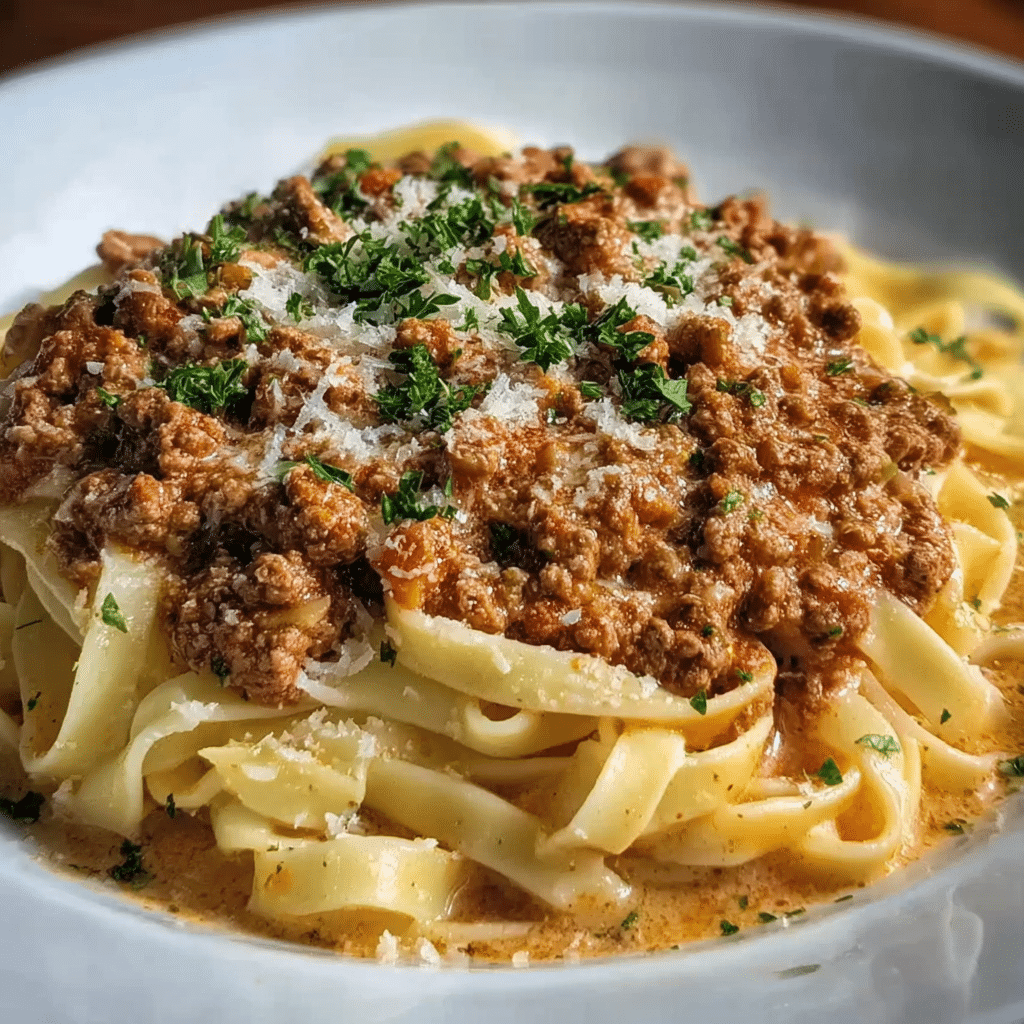
- Serve: Portion the white pasta bolognese into individual pasta bowls, topping with additional grated parmesan, chopped fresh herbs, and/or crushed red pepper as desired. Serve immediately. Enjoy!
Shopping Tips
When shopping for ingredients for your white bolognese sauce, consider visiting local farmers’ markets or specialty grocery stores. Fresh, high-quality ingredients can significantly elevate your dish. For example, look for artisanal pancetta at a deli or butcher shop, and choose seasonal vegetables for the best flavor. If you’re pressed for time, pre-diced vegetables can save you prep time, but the flavor of freshly chopped ingredients is unparalleled.
Substitutions and Alternatives
While the above ingredients are traditional for white bolognese sauce, substitutions can be made to accommodate dietary preferences or restrictions. For a vegetarian version, try substituting ground mushrooms or lentils for the pork. You can replace heavy cream with coconut cream for a dairy-free version, but be cautious of the change in flavor. If you can’t find fresh herbs, dried herbs can be used, though you’ll want to adjust the quantities as dried herbs are more potent. Always taste and adjust seasonings as you go!
As for storage, store leftover ingredients in airtight containers in the refrigerator. Most vegetables will last a few days, while meats should be used within a day or two for optimal freshness. With a little creativity, you can make the most of your ingredients while ensuring your white bolognese sauce is both delicious and satisfying!
Detailed Step-by-Step white bolognese sauce Cooking Instructions
Now that you have all the essential ingredients, let’s dive into the detailed step-by-step instructions for crafting the perfect white bolognese sauce. This process may seem involved, but each step is crucial in developing the rich flavors and creamy texture that characterize this dish. Get ready to embark on a culinary adventure!
Preparation Steps
- Gather your ingredients: Start by assembling all your ingredients. This is referred to as mise en place, which means “everything in its place.” It makes the cooking process smoother and more enjoyable.
- Chop the vegetables: Dice the onion, carrots, celery, and garlic. Aim for uniform sizes to ensure even cooking. I remember the first time I made this sauce; my knife skills were a bit lacking, and the uneven vegetables resulted in some overly soft and some crunchy bits!
- Measure out herbs and spices: Strip the leaves from the rosemary and thyme sprigs, and measure out the required amounts. Having everything ready will help you stay organized as you cook.
- Prep the meat: If you’re using pancetta, chop it into small pieces. Ground pork should be ready to use, but check for any large lumps and break them up.
Cooking Process
- Cook the pancetta: In a large, heavy-bottomed pot, heat a drizzle of olive oil over medium heat. Add the chopped pancetta and sauté until it’s crispy and the fat has rendered, about 5-7 minutes. This is where the magic begins; the aroma fills your kitchen, tantalizing your senses.
- Add the vegetables: Once the pancetta is crispy, add the diced onion, carrots, and celery. Stir occasionally, allowing the vegetables to soften and become fragrant, about 7-10 minutes. Season with a pinch of salt and pepper to help draw out moisture.
- Incorporate garlic: Add the minced garlic and stir for 1-2 minutes until fragrant. Be careful not to burn it, as burnt garlic can turn bitter.
- Brown the meat: Increase the heat to medium-high and add the ground pork. Break it up with a wooden spoon, browning it evenly. This step takes about 5-7 minutes. The key is to cook it until it’s no longer pink, allowing the flavors to meld.
- Deglaze with wine: Pour in the dry white wine, scraping the bottom of the pot to release any browned bits. This adds depth to your white bolognese sauce. Allow the wine to simmer and reduce by half, about 5 minutes.
- Add herbs and stock: Toss in the fresh rosemary, thyme, bay leaves, and optional parmesan rind. Pour in 2 cups of chicken stock, bringing it to a gentle simmer. This is where the sauce begins to develop its character.
- Simmer: Lower the heat and let the sauce simmer for 30 minutes, stirring occasionally. If it becomes too thick, you can add more stock. It should reduce and thicken slightly, becoming rich and creamy.
- Finish with cream: Once the sauce has thickened to your liking, stir in the heavy cream and grated parmesan. This enriches the sauce, making it velvety and indulgent. Taste and adjust seasoning as necessary.
Final Assembly
- Cook the pasta: In a large pot, bring salted water to a boil. Add your choice of pasta and cook according to package instructions until al dente. Fresh pasta may require less time than dried.
- Combine pasta and sauce: Drain the pasta, reserving a cup of pasta water. Add the drained pasta to the sauce, tossing to combine. If the sauce is too thick, add a splash of reserved pasta water to loosen it up.
- Serve: Plate the pasta and sauce, garnishing with extra grated parmesan, fresh herbs, and a sprinkle of crushed red pepper flakes for a bit of heat. Enjoy with a glass of the same wine used in the sauce!
- Storing leftovers: If you have any leftover white bolognese sauce, let it cool and store it in an airtight container in the refrigerator for up to 3 days. It can also be frozen for up to 2 months. Just reheat gently on the stove, adding a splash of stock or cream to restore its creamy texture.
Cooking this white bolognese sauce is not just about following steps; it’s about engaging with the ingredients, embracing the aromas, and enjoying the process. Each layer of flavor builds upon the last, culminating in a dish that feels both comforting and gourmet. As you embark on this culinary journey, remember to savor every moment and taste along the way. Happy cooking!
Professional Tips and Techniques for white bolognese sauce
When it comes to mastering the art of making a delightful white bolognese sauce, there are several professional tips and techniques that can elevate your dish from good to extraordinary. The beauty of this creamy, savory sauce lies in its simplicity and depth of flavor, but achieving that perfect balance requires a bit of finesse and insider knowledge.
Professional Techniques
One of the first things I learned about preparing white bolognese sauce is the importance of using high-quality ingredients. The base of the sauce typically consists of ground meat—often a combination of beef and pork—cooked slowly to develop rich flavors. Start by sautéing your aromatics: onions, garlic, and carrots, finely chopped. This is where the flavor foundations are laid. Use a heavy-bottomed saucepan to ensure even heat distribution. The process of sweating the vegetables is crucial; take your time, letting them soften and release their natural sugars without browning them, which can impart a bitter taste.
Another key technique is to deglaze the pan after browning the meat. Once your meat is cooked, instead of just adding your liquids, pour in a splash of white wine. As it bubbles, use a wooden spoon to scrape the flavorful bits stuck to the bottom of the pan. This step adds an extra layer of complexity to your white bolognese sauce. For the creaminess that makes this sauce so beloved, incorporating whole milk or heavy cream is essential. This should be done slowly, allowing the sauce to absorb the dairy gradually, creating a silky texture.
For those looking to refine their cooking skills, consider incorporating some advanced techniques such as using a food processor to finely chop your vegetables. This ensures a consistent texture in your sauce. If you’re feeling adventurous, try making your own pasta to serve with the sauce. Fresh pasta has a different texture and flavor that can elevate the dish to a whole new level.
Troubleshooting Guide
Even experienced cooks encounter challenges while preparing white bolognese sauce. One common issue is an overly thick sauce. If you find your sauce is too thick, simply add a splash of broth or milk while stirring to reach your desired consistency. Conversely, if your sauce is too thin, allow it to simmer uncovered for a while to evaporate excess liquid.
Another frequent problem is the sauce being too bland. This can happen if the meat isn’t seasoned properly or if the aromatics were not sweated long enough. Always taste your sauce as it cooks and adjust the seasoning with salt and pepper accordingly. A pinch of nutmeg can also enhance the overall flavor profile, giving it a warm, aromatic quality.
Presentation Tips
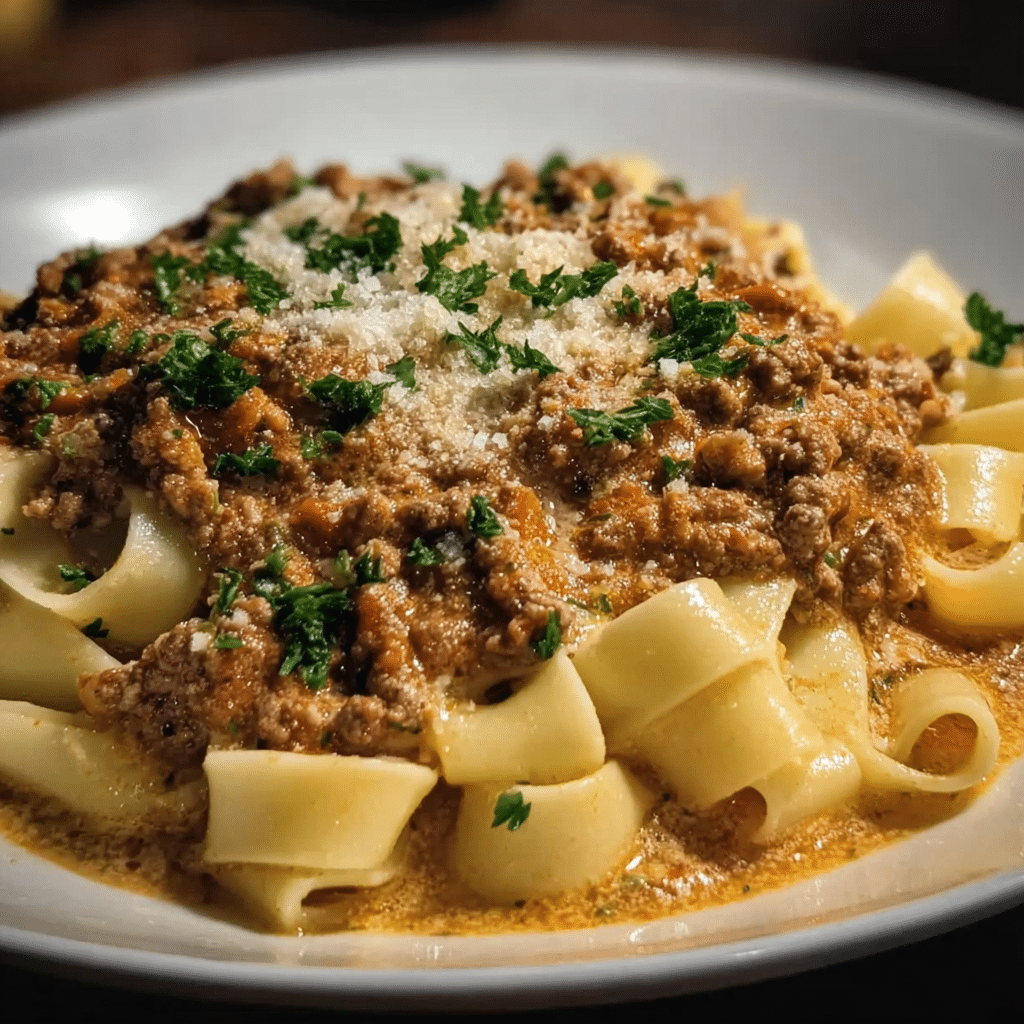
When it comes to plating your white bolognese sauce, presentation matters. Serve it over freshly cooked pasta, and consider garnishing with freshly grated Parmesan cheese and a sprinkle of fresh herbs, like parsley or basil, for a pop of color. The contrast of the creamy sauce with the vibrant green herbs makes for an appealing dish.
If you’re feeling particularly fancy, you can serve the sauce in individual ramekins topped with a bit of melted cheese and broiled until bubbly. This not only looks impressive but adds another layer of flavor. For beverages, a crisp white wine such as Pinot Grigio pairs beautifully with white bolognese sauce, balancing the richness of the sauce while complementing the flavors of the meat.
In terms of meal prep, the sauce can be made ahead of time and refrigerated for up to three days or frozen for later use. Just be sure to cool it completely before transferring it to an airtight container. When reheating, do so gently over low heat and add a splash of milk or broth to restore its creamy consistency.
Lastly, scaling your recipe is straightforward. Whether you’re cooking for a romantic dinner for two or hosting a large gathering, you can easily double or halve the ingredients while keeping the cooking times relatively the same, adjusting slightly based on the volume of sauce.
Creative Variations and Adaptations of white bolognese sauce
As delightful as traditional white bolognese sauce is, the beauty of cooking lies in creativity and adaptation. Over the years, I’ve experimented with various twists and turns on this classic recipe, making it suitable for different seasons, dietary preferences, and even global influences. Here’s a closer look at some creative variations that you might love to try.
Seasonal Variations
One of the most rewarding aspects of creating white bolognese sauce is the ability to incorporate seasonal ingredients. In spring, consider adding peas or asparagus for a fresh, vibrant touch. Simply sauté them briefly before adding them to the sauce at the end of cooking. In the fall, I love to stir in roasted butternut squash or pumpkin puree, which not only adds a sweet, earthy flavor but also gives the sauce a beautiful orange hue. You can even top your pasta with crispy sage leaves for an aromatic finish.
In summer, fresh tomatoes can make a wonderful addition. While traditional recipes typically don’t use tomatoes, a handful of chopped cherry tomatoes added just before serving can add a burst of sweetness and acidity that brightens the dish. Just be careful not to overpower the sauce’s creamy base. The key is balance.
Dietary Adaptations
For those following specific dietary restrictions, adapting white bolognese sauce is easier than you might think. For a keto-friendly version, replace traditional pasta with zucchini noodles or spaghetti squash. The sauce itself can remain largely unchanged, but be sure to use heavy cream instead of milk to keep the carb count low. For a vegan version, swap out the meat for finely chopped mushrooms or lentils, and use coconut milk or cashew cream in place of dairy. The umami flavors from the mushrooms can provide a satisfying depth that mimics the original recipe.
If gluten is a concern, there are many gluten-free pasta options available now. Ensure your sauce ingredients are certified gluten-free, especially if using store-bought stock or broth, which can sometimes contain gluten as a thickener.
Creative Twists
For a fun international twist, consider adding spices or flavors from different cuisines. A dash of curry powder or garam masala can transform your white bolognese sauce into a tantalizing fusion dish. Serve it over rice or with naan for a unique take. Alternatively, incorporating a splash of soy sauce and sesame oil can give a delightful Asian flair, perfect for serving with stir-fried vegetables or rice noodles.
Leftovers can also be transformed into exciting new meals. Consider using leftover sauce as a filling for lasagna, layering it with sheets of pasta, ricotta, and spinach. Or, mix it with cooked rice to create a creamy risotto-style dish. You can even turn it into a comforting soup by thinning it with stock and adding vegetables and grains.
As you can see, the possibilities with white bolognese sauce are endless. Whether you stick to the classic recipe or venture into creative adaptations, the most important thing is to enjoy the process of cooking and sharing delicious meals with loved ones. So roll up your sleeves, gather your ingredients, and let your culinary journey begin!
Storage, Reheating, and Meal Prep for white bolognese sauce
When it comes to enjoying your culinary creations, understanding how to store and reheat them is just as important as the cooking process itself. White Bolognese sauce, with its creamy texture and rich flavors, is no exception. Whether you’ve made a large batch for a family gathering or just a small portion for a cozy dinner, knowing the best practices for storage and reheating can help maintain its delightful taste and texture.
Short-term Storage
After you’ve whipped up a delicious pot of white Bolognese sauce, you might be wondering how to store it properly. For short-term storage, the refrigerator is your best friend. Allow the sauce to cool to room temperature before transferring it to an airtight container. This step is crucial because putting hot food directly into the fridge can raise the overall temperature inside, potentially affecting other perishable items.
When selecting your storage container, opt for glass or high-quality plastic that is both BPA-free and microwave-safe. Glass containers are particularly beneficial as they do not retain odors and are easy to clean. If you’re using plastic, ensure it’s labeled as food-safe. Fill the container with the white Bolognese sauce, leaving about an inch of space at the top to allow for expansion during cooling. Label the container with the date so you can keep track of its freshness. In the refrigerator, white Bolognese sauce can last for about 3 to 4 days.
Freezing and Long-term Storage
If you want to keep your white Bolognese sauce for a longer period, freezing is an excellent option. Freezing not only preserves the sauce but also allows you to enjoy it at a later date without sacrificing flavor. To freeze your sauce, you can either use airtight containers or freezer-safe resealable bags. If utilizing bags, lay them flat in the freezer for easier stacking and storage.
Before you freeze the sauce, ensure it has cooled completely. This helps prevent condensation inside the container, which can lead to freezer burn. Portioning your white Bolognese sauce into servings can also be quite handy. For instance, if you know you typically use about a cup for a meal, freeze it in one-cup portions. This way, you can take out only what you need without defrosting the entire batch.
White Bolognese sauce can be stored in the freezer for up to 3 months. For optimal results, try to consume it within this timeframe, as the longer it stays frozen, the more the flavor can diminish. Always remember to label your containers or bags with the date of freezing to keep track of its freshness.
Reheating Best Practices
When it comes time to enjoy your frozen or refrigerated white Bolognese sauce, reheating it properly is essential to maintaining its creamy texture and flavors. For refrigerated sauce, you can simply transfer it to a saucepan and heat it over medium-low heat. Stir frequently to ensure even heating and to prevent the sauce from sticking to the bottom of the pan. If the sauce seems too thick, you can thin it out with a splash of milk or cream to restore its original consistency.
If you’re reheating frozen white Bolognese sauce, the best method is to thaw it in the refrigerator overnight. Once thawed, follow the same reheating steps mentioned above. However, if you’re in a hurry, you can also reheat the frozen sauce directly from the freezer. Place it in a saucepan over low heat, stirring occasionally until it thaws and warms through. Again, add a bit of milk or cream if needed to get that silky smooth texture back.
Food safety is a critical consideration when storing and reheating food. Always check the sauce for any off smells or changes in color before consuming. If you suspect it has spoiled, it’s best to err on the side of caution and discard it. Additionally, never refreeze thawed sauce; once it’s been defrosted, it should be consumed within a couple of days.
In conclusion, mastering the art of storage and reheating can elevate your experience with white Bolognese sauce. With a little attention to detail, you can enjoy this creamy delight even days or weeks after you’ve made it, ensuring that each bite is as flavorful as the first.
Nutritional Benefits and Health Information
As we dive into the world of white Bolognese sauce, it’s essential to appreciate not just its comforting taste but also its nutritional benefits. This creamy sauce, traditionally made with a base of ground meat, milk, and various aromatics, can be a delightful addition to your meals. In this section, we’ll explore the nutritional profile, health benefits, dietary considerations, and modifications that can make your white Bolognese sauce both delicious and nutritious.
Nutritional Profile
White Bolognese sauce is known for its rich and creamy texture, which often comes from ingredients like milk, cream, and cheese. The nutritional content can vary based on the specific recipe used and the ingredients chosen. On average, a serving of white Bolognese sauce contains approximately 300-400 calories, depending on the quantity of meat and dairy products used.
In terms of macronutrients, a typical serving may consist of roughly:
- Protein: 15-20 grams (largely from ground meat)
- Carbohydrates: 5-10 grams (mainly from any added vegetables or pasta)
- Fats: 20-30 grams (from cream, milk, and cheese)
This breakdown shows that while white Bolognese sauce can be higher in calories and fat due to its creamy nature, it also packs a protein punch, especially if you use lean meats. The sauce can be a satisfying addition to a balanced meal, particularly when paired with whole-grain pasta or vegetables.
Health Benefits
The key ingredients in white Bolognese sauce not only contribute to its flavor but also offer various health benefits. For instance, ground meat (like turkey or chicken) serves as a great source of lean protein, which plays a vital role in muscle repair and growth. Protein is essential for overall health and can help keep you feeling full longer.
Dairy products like milk and cheese provide calcium, which is crucial for bone health. Calcium is particularly important for individuals who may not consume enough dairy in their diet. Additionally, many recipes call for aromatics such as onions and garlic, which have been linked to numerous health benefits, including anti-inflammatory properties.
Moreover, if you incorporate vegetables like carrots or spinach into your white Bolognese sauce, you’ll add vitamins and minerals to the mix. Carrots are rich in beta-carotene, which supports eye health, while spinach is packed with iron, which is essential for energy production and overall vitality.
Dietary Considerations
When it comes to dietary considerations, white Bolognese sauce can be adapted to suit various dietary needs. For individuals with lactose intolerance, using lactose-free milk or cream can make the dish more accessible. Additionally, those following a gluten-free diet can opt for gluten-free pasta or serve the sauce over zucchini noodles for a low-carb option.
Vegetarians can easily modify the sauce by substituting ground meat with plant-based alternatives such as lentils or mushrooms, which provide a hearty texture and flavor. This variation not only caters to vegetarians but also increases the fiber content of the dish.
For those watching their calorie intake, reducing the amount of cream or using low-fat dairy options can help lighten the sauce while still preserving its creamy essence. You can also experiment with spices and herbs to enhance flavor without adding extra calories or fats.
In conclusion, white Bolognese sauce is more than just a comforting dish; it’s a versatile sauce that can fit into a variety of dietary preferences while providing essential nutrients. With its rich flavor and nutritional benefits, it’s an excellent option for anyone looking to enjoy a delicious, hearty meal.