Za’atar chicken thighs are not just a meal; they are a celebration of flavors and a gateway to a rich culinary tradition. I remember the first time I stumbled across this delightful dish. It was a warm summer evening, and I had gathered with friends for a backyard barbecue. One of my friends, a culinary enthusiast with Lebanese roots, shared her family’s recipe for za’atar chicken thighs. As the tantalizing aroma wafted through the air, I was immediately captivated. The smell of aromatic herbs, tangy tahini, and roasted garlic mingled to create an unforgettable experience. That moment ignited my passion for Middle Eastern cuisine and set me on a culinary journey that I still cherish today.
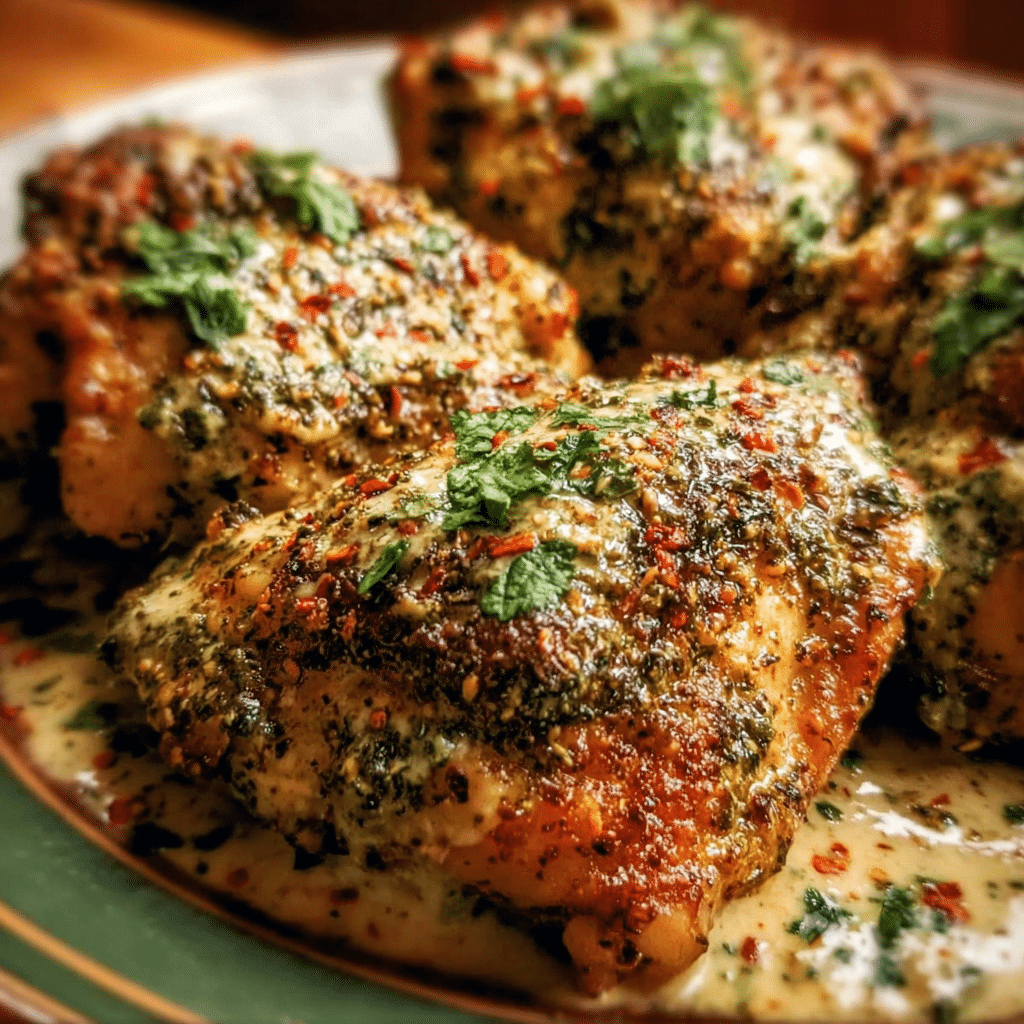
Za’atar, the key ingredient in this dish, is a robust blend of spices that typically includes thyme, oregano, marjoram, sesame seeds, and sumac. This herbaceous mix not only enhances the flavor of the chicken thighs but also pays homage to centuries of Middle Eastern cooking traditions. The use of za’atar dates back to ancient civilizations, where it was prized not only for its taste but also for its health benefits. It’s fascinating to think about how this simple blend can carry so much history and cultural significance.
What makes this recipe truly special is its adaptability. Unlike many complex dishes that require hours of preparation, za’atar chicken thighs are perfect for busy families looking for quick dinner solutions. With just a few ingredients and minimal prep time, you can have a flavorful and satisfying meal on the table in under an hour. It’s a dish that can easily transition from a weeknight dinner to a festive gathering, making it incredibly versatile.
Seasonally, za’atar chicken thighs shine in the summer when fresh herbs are abundant. However, their warm, comforting flavors make them perfect for cozy winter evenings as well. Whether served with a side of roasted vegetables or nestled in a pita with fresh salad, this dish has a way of bringing people together, creating shared memories around the dinner table.
There’s an emotional connection that I have with za’atar chicken thighs, as it reminds me of that summer evening spent with friends, laughter, and the joy of good food. Each time I prepare this dish, I am transported back to that moment, embracing the warmth of shared experiences and the love of family. I promise that in this guide, you will learn not only how to make this delicious dish but also the stories and traditions that enrich its flavors and meanings.
The Story Behind This Recipe
As I delve deeper into the origins and preparation of za’atar chicken thighs, I often think about how food acts as a bridge connecting cultures and generations. The recipe I learned from my friend was passed down from her grandmother, who would prepare it for special occasions and Sunday family dinners. This tradition of sharing food is something that resonates deeply in many cultures, and za’atar chicken thighs hold a special place in the hearts of those who cherish their heritage.
Preparing this dish is not just about cooking; it is about honoring the past, embracing the present, and looking forward to future gatherings. I have found myself experimenting with different marinades and sides, adding my own twist while staying true to the essence of the dish. Each time, the za’atar chicken thighs remind me of the connection between food and family—a bond that transcends time and place.
Why You’ll Love This Dish
From the first bite of za’atar chicken thighs, you will understand why this dish has captured the hearts of many. The juicy, tender chicken thighs marinated in the aromatic za’atar blend create a delicious dance of flavors on your palate. The tahini sauce adds a creamy, nutty richness that beautifully balances the spices, while the garlic brings depth and warmth. It’s a meal that feels both comforting and exotic, making it perfect for any night of the week.
Moreover, the ease of preparation makes this dish a favorite among families with busy schedules. With minimal effort, you can create a meal that looks and tastes gourmet. As you gather around the table to enjoy za’atar chicken thighs, you’ll not only savor the delicious flavors but also the stories and memories that accompany them. This dish invites you to slow down, savor the moment, and connect with those you love.
The Rich History and Cultural Significance of za’atar chicken thighs
Understanding the rich history and cultural significance of za’atar chicken thighs adds another layer of appreciation to this beloved dish. The za’atar spice blend has roots that stretch back to ancient times, with various regions across the Middle East claiming their own unique versions. Traditionally, za’atar is a symbol of hospitality and generosity. It is often served with olive oil for dipping, reflecting the importance of communal sharing in Middle Eastern culture. The combination of za’atar with chicken is a culinary match made in heaven, one that has evolved through generations.
Origins and History
The origins of za’atar can be traced back to the Levant region, encompassing countries like Lebanon, Syria, Jordan, and Palestine. The term “za’atar” itself refers to both the herb (often a type of wild thyme) and the spice blend that many people know today. Traditionally, za’atar was used not only for flavoring but also for its nutritional benefits. The blend is rich in antioxidants and has anti-inflammatory properties, making it a staple in many households.
Over the years, the za’atar spice blend has been adapted and evolved. Each region adds its own twist, incorporating local herbs and spices. For instance, in some areas, sumac is more prominent, giving the mix a tangy kick, while others may focus on the sesame seeds for a nutty flavor. This adaptability has allowed za’atar chicken thighs to become a beloved dish across various cultures, each presenting its own unique take on the recipe.
Cultural Significance
Za’atar chicken thighs hold significant cultural importance, often served during festive occasions and family gatherings. In many households, it’s a dish that symbolizes celebration and togetherness, making it a popular choice for holidays, weddings, and communal feasts. The preparation of this dish often becomes a family affair, where generations come together to share techniques, stories, and, of course, the joy of cooking.
Famous chefs around the world have embraced za’atar chicken thighs, highlighting their appeal beyond traditional settings. Restaurants specializing in Middle Eastern cuisine often feature this dish prominently, showcasing its versatility and deliciousness. Chefs like Michael Solomonov, known for his Israeli cuisine, have brought za’atar chicken to the forefront of culinary trends, inspiring home cooks to embrace this flavorful blend.
Nutritional Benefits
In addition to its cultural significance, za’atar chicken thighs offer a host of nutritional benefits. Chicken thighs are a great source of protein, providing essential nutrients that support muscle health and overall well-being. The za’atar blend itself is packed with antioxidants from the herbs, while tahini adds healthy fats and additional protein. This makes za’atar chicken thighs not only a delicious choice but also a nutritious one—perfect for families looking to balance taste and health.
As you explore the rich history and cultural significance behind za’atar chicken thighs, you’ll find that this dish is more than just a meal; it’s a celebration of community, tradition, and the love of good food. From its ancient origins to its modern-day adaptations, za’atar chicken thighs continue to bring people together, bridging the gap between cultures and generations. The next time you prepare this dish, take a moment to appreciate not only the flavors but also the stories and traditions that make it truly special.
Essential Ingredients for Perfect za’atar chicken thighs
When it comes to creating a delicious meal, the ingredients you choose can make or break your dish. This is especially true for za’atar chicken thighs, where each component plays a crucial role in developing flavors and textures that will tantalize your taste buds. Below, I’ve compiled a complete list of the essential ingredients you’ll need, along with helpful tips to ensure you select the best quality items for your culinary adventure.
Essential Ingredients
- Chicken Thighs: 4 bone-in, skin-on chicken thighs
- Za’atar Spice Blend: 3 tablespoons (homemade or store-bought)
- Tahini: ¼ cup
- Garlic: 4 cloves, minced
- Lemon Juice: 2 tablespoons, freshly squeezed
- Olive Oil: 3 tablespoons, plus more for drizzling
- Salt: to taste
- Pepper: to taste
- Fresh Herbs: A handful of parsley or cilantro, for garnish
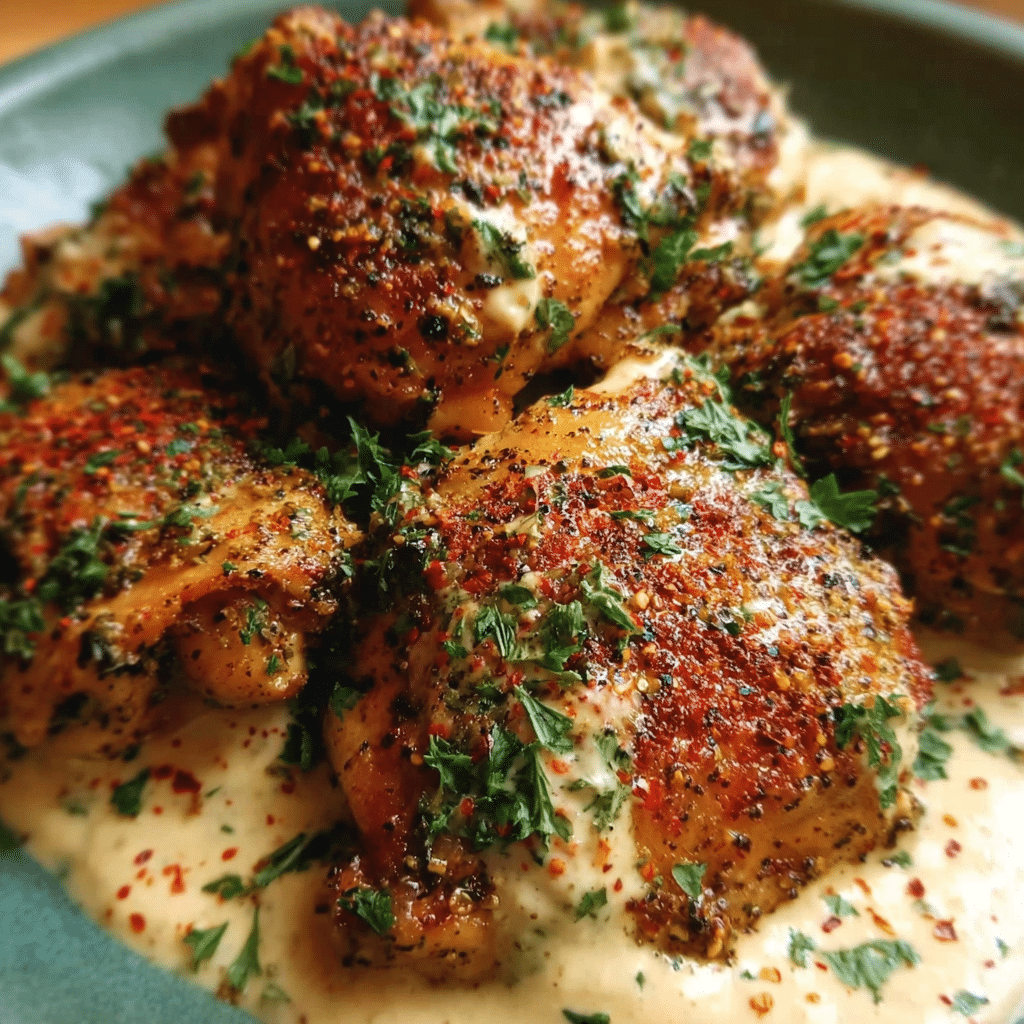
Za’atar Chicken Thighs with Tahini and Garlic
Ingredients
- 4 bone-in chicken thighs, with skin
- 1 tablespoon extra-virgin olive oil
- sea salt and freshly ground black pepper to taste
- 3 tablespoons za’atar, divided, or more to taste
Instructions
- Preheat the oven to 350 degrees F (175 degrees C).
- Pat chicken dry with paper towels. Place chicken in a bowl and coat with olive oil. Season liberally with sea salt and black pepper on all sides.
- Heat a cast iron skillet over medium-high heat. Add chicken thighs, skin-side down, to the hot skillet. Sprinkle 1 teaspoon za’atar immediately over each chicken thigh. Cook chicken, without turning, until skin is crispy and browned, 7 to 10 minutes.
- Turn chicken so skin side faces up and remove skillet from heat. Sprinkle remaining za’atar quickly and evenly over each chicken thigh. Spoon some of the rendered chicken fat from the pan over the top of the za’atar.
- Place the skillet in the preheated oven and roast until juices run clear and chicken is no longer pink near the bone, about 15 minutes.
Let’s dive deeper into the role that each of these ingredients plays in the dish, and why they are essential for your za’atar chicken thighs.
Chicken Thighs: The star of the show, chicken thighs are favored for their rich flavor and juicy texture. They are forgiving when it comes to cooking, which makes them less likely to dry out compared to chicken breasts. When selecting chicken thighs, look for ones that have a nice, even color with minimal blemishes. Organic, free-range options are ideal as they often have a more robust flavor.
Za’atar Spice Blend: This aromatic blend typically contains dried thyme, oregano, marjoram, sesame seeds, and sumac. Za’atar gives the chicken a unique, earthy flavor that is both refreshing and savory. If you can find a high-quality za’atar blend, it can elevate your dish tremendously. If you want to experiment, consider making your own blend at home by combining these spices in the right proportions.
Tahini: A creamy paste made from ground sesame seeds, tahini adds a nutty flavor and smooth texture to the dish. It’s rich in healthy fats and can also serve as a base for sauces or dressings. When purchasing tahini, look for jars that contain only sesame seeds and maybe a pinch of salt, avoiding those with added oils or preservatives.
Garlic: Known for its numerous health benefits, garlic adds depth and an aromatic quality to the za’atar chicken thighs. Fresh garlic is always preferable, as pre-minced or powdered versions lack the vibrant flavor and aroma that fresh garlic can provide.
Lemon Juice: Freshly squeezed lemon juice brightens the dish and balances the richness of the chicken and tahini. Opt for fresh lemons over bottled juice for the best flavor. The acidity of lemon juice also helps to tenderize the chicken, making it even more succulent.
Olive Oil: A cornerstone of Mediterranean cooking, good-quality olive oil enhances the flavors of the dish while also helping to achieve that golden-brown crust on the chicken. Look for extra virgin olive oil, which is the highest quality and has the best flavor. You can easily find different varieties, so choose one that suits your taste.
Salt and Pepper: These basic seasonings are essential for bringing out the flavors in your dish. Use sea salt or kosher salt for the best results, and freshly ground black pepper for added aroma.
Fresh Herbs: Garnishing with fresh herbs like parsley or cilantro adds a pop of color and freshness to your za’atar chicken thighs. Always opt for fresh herbs when possible, as they will elevate the dish’s presentation and flavor.
Shopping Tips
When shopping for these ingredients, consider visiting local farmers’ markets or specialty stores, where you can often find fresher produce and high-quality meats. Establishing a relationship with local vendors can not only lead to better ingredients but also help you learn more about seasonal availability. For instance, chicken is generally available year-round, but peak freshness can vary based on sourcing practices.
Substitutions and Alternatives
For those with dietary restrictions or preferences, there are several substitutions you can consider:
- Chicken Thighs: You can use chicken breasts if you prefer leaner meat, though you may need to adjust cooking times to avoid drying them out.
- Tahini: Sunflower seed butter or almond butter can be used as alternatives for a nut-free option.
- Za’atar: If you can’t find za’atar, a mix of thyme, sesame seeds, and a bit of lemon zest can mimic the flavor profile.
Always remember to be creative in the kitchen; cooking is about experimenting and making dishes your own. With these tips in mind, you’re well on your way to creating delicious za’atar chicken thighs that will impress your family and friends.
Detailed Step-by-Step za’atar chicken thighs Cooking Instructions
Now that you have all the essential ingredients for your za’atar chicken thighs, it’s time to roll up your sleeves and dive into the cooking process. Cooking can be an incredibly rewarding experience, and I assure you that following these detailed steps will lead you to a deliciously aromatic and flavorful meal. Grab your apron, and let’s get started!
Preparation Steps
- Gather Your Ingredients: Start by assembling all your ingredients on the countertop. This practice, known as mise en place, ensures that you have everything you need within reach, making the cooking process smoother and more enjoyable.
- Preheat Your Oven: Set your oven to 400°F (200°C). This temperature is ideal for roasting chicken, allowing it to cook through while achieving a beautiful golden-brown crust.
- Prepare the Marinade: In a medium bowl, combine the olive oil, za’atar spice blend, minced garlic, and lemon juice. Stir until well combined. The aroma of the za’atar mixed with garlic will fill your kitchen and get your taste buds excited.
- Marinate the Chicken: Pat the chicken thighs dry with paper towels, which helps achieve a crispy skin. Place the chicken in a large resealable plastic bag or a glass dish and pour the marinade over the chicken. Make sure each piece is well-coated. Seal the bag or cover the dish and let the chicken marinate for at least 30 minutes. If you have more time, marinating for a few hours or overnight in the fridge will enhance the flavor even more.
Cooking Process
- Prepare for Roasting: Once the chicken has marinated, take it out of the fridge. Line a baking sheet with parchment paper or lightly grease it with olive oil to prevent sticking. Place the chicken thighs skin-side up on the prepared baking sheet, making sure they are spaced out to allow for even cooking.
- Seasoning: Season the chicken thighs with salt and pepper to taste. This step is crucial, as it enhances the flavors and ensures that the dish is well-balanced.
- Roast the Chicken: Place the baking sheet in the preheated oven and roast the chicken thighs for about 30 minutes, or until the skin is crispy and the internal temperature reaches 165°F (74°C). Keep an eye on them, as oven temperatures can vary. If you notice the skin browning too quickly, you can cover the chicken loosely with aluminum foil.
- Check for Doneness: Use a meat thermometer to ensure the chicken is cooked through. Insert it into the thickest part of the thigh without touching the bone. This step is vital for both safety and quality.
- Let It Rest: Once the chicken is done, remove it from the oven and let it rest for about 5-10 minutes. This resting period allows the juices to redistribute, ensuring tender and juicy chicken.
Final Assembly
- Prepare the Tahini Sauce: While the chicken is resting, whisk together the tahini with a little water to thin it out, if necessary. You can also add a pinch of salt and a squeeze of lemon juice for extra flavor. The tahini sauce will add creaminess and a nutty flavor that complements the za’atar chicken thighs perfectly.
- Plate the Dish: Arrange the chicken thighs on a serving platter or individual plates. Drizzle the tahini sauce over the chicken and garnish with freshly chopped herbs like parsley or cilantro. This final touch adds a burst of color and freshness.
- Serve: Serve your za’atar chicken thighs with your favorite sides—think roasted vegetables, fluffy couscous, or a fresh salad. Enjoy the meal with family and friends, and don’t forget to share the story behind this delightful dish!
Cooking is about more than just following a recipe; it’s about the experience, the aromas, and the joy of sharing a meal with loved ones. With these detailed instructions, you’re all set to create a memorable dish of za’atar chicken thighs. Remember to take your time, enjoy the process, and savor the results. Happy cooking!
Professional Tips and Techniques for za’atar chicken thighs
Cooking za’atar chicken thighs is not just a culinary endeavor; it’s an experience steeped in flavor and tradition. As someone who has spent countless evenings experimenting with this delightful dish, I’m excited to share professional tips and techniques that will elevate your za’atar chicken thighs to new heights.
Professional Techniques
First off, let’s talk about the most important aspect: marinating. Za’atar is a Middle Eastern spice blend that typically consists of thyme, sumac, sesame seeds, and salt. When you marinate chicken thighs in a za’atar mixture, you not only infuse the meat with flavor but also tenderize it. I recommend letting the chicken marinate for at least 2 hours, though overnight is ideal. This allows the flavors to penetrate deeply, resulting in a more pronounced taste.
Another crucial technique is searing. Searing your chicken thighs in a hot skillet before finishing them in the oven will create a beautiful golden crust. This Maillard reaction not only enhances the flavor but also gives your dish a visually appealing look. As you place the chicken in the skillet, resist the urge to move it around; allow it to develop that crust. A common mistake is overcrowding the pan, which can lead to steaming rather than searing, so ensure you cook in batches if necessary.
For a perfect doneness, using a meat thermometer is key. Chicken thighs should reach an internal temperature of 165°F (75°C). This ensures that the meat is cooked through but still juicy. If you’re feeling adventurous, consider finishing the chicken under the broiler for the last few minutes. This adds an extra layer of crispiness to the skin and enhances the za’atar flavor.
Troubleshooting Guide
Even the best cooks encounter challenges. If your za’atar chicken thighs are turning out dry, it may be due to overcooking. Always check the internal temperature and consider brining the chicken beforehand to help retain moisture. If your chicken lacks flavor, it might not have marinated long enough. Don’t be shy; let it soak in those spices! Additionally, if you find the za’atar flavor too mild, consider adding a splash of lemon juice or a drizzle of olive oil to amplify the taste.
Sometimes, the skin may not crisp up as expected. This can happen if the chicken is too wet. Be sure to pat the thighs dry with paper towels before cooking. If you’re using skinless thighs, baste them with olive oil or butter during cooking to enhance flavor and moisture.
Presentation Tips
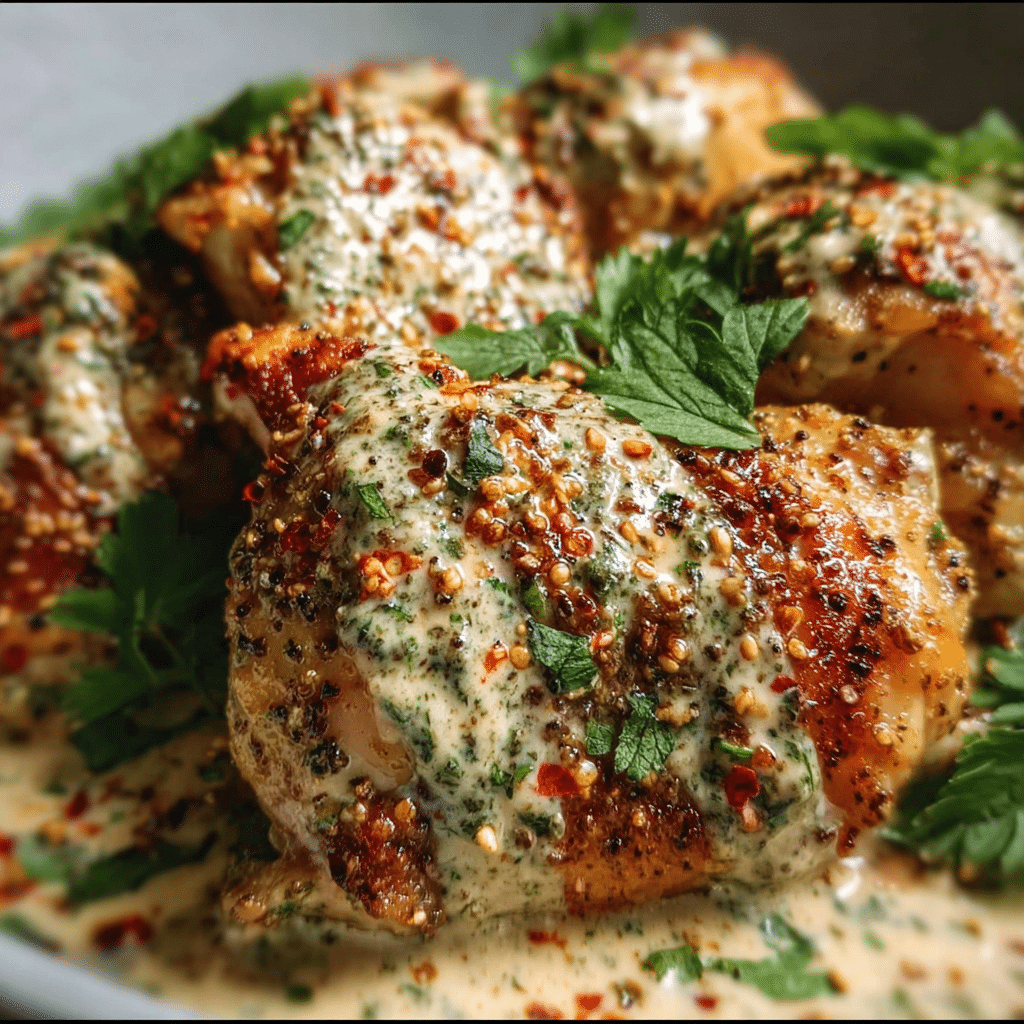
Presentation is everything, especially when serving za’atar chicken thighs to guests. After cooking, allow the chicken to rest for a few minutes to let the juices redistribute. When plating, consider serving the chicken on a bed of fluffy couscous or a vibrant salad of mixed greens and roasted vegetables. Drizzling tahini sauce over the top not only adds flavor but also creates a beautiful contrast against the golden chicken. Garnish with fresh herbs like parsley or cilantro, and a sprinkle of extra za’atar for that professional touch.
Wine and beverage pairings are another essential aspect of the dining experience. A crisp white wine like Sauvignon Blanc or a light-bodied red like Pinot Noir complements the spices beautifully. If you prefer non-alcoholic options, consider serving a refreshing mint lemonade or a yogurt-based drink like Ayran.
Make-Ahead and Meal Prep Strategies
One of the greatest joys of za’atar chicken thighs is how well they hold up for meal prep. You can marinate the thighs a day or two in advance and store them in the refrigerator until you’re ready to cook. If you have leftovers, don’t worry; they make for excellent next-day meals! Shred the chicken for use in wraps, salads, or grain bowls. The flavors often intensify after a day in the fridge, making your lunches something to look forward to.
Lastly, if you’re serving a crowd or want to scale the recipe, simply multiply the ingredients while maintaining the same marinating and cooking times. Just remember to use multiple pans or batches to ensure even cooking.
Creative Variations and Adaptations of za’atar chicken thighs
As delightful as traditional za’atar chicken thighs are, there are countless creative variations and adaptations that can make this dish a regular favorite in your kitchen. My culinary journey has led me to explore these variations, and I can’t wait to share them with you!
Seasonal Variations
One of the most exciting aspects of cooking is adapting recipes to fit the seasons. In the summer, grilled za’atar chicken thighs become a go-to. Marinate the chicken as usual, but grill it over medium heat for that smoky flavor. Pair it with a fresh corn salad or grilled vegetables for a delightful summer feast.
In the fall, consider incorporating seasonal ingredients like butternut squash or apples. Roast these alongside your chicken thighs for a comforting meal. Toss your roasted veggies with a splash of balsamic vinegar for added depth. In winter, you might want to serve the chicken with warm, spiced lentils or a hearty grain pilaf to keep you cozy.
Dietary Adaptations
For those following specific dietary needs, the wonderful thing about za’atar chicken thighs is their versatility. For a keto-friendly version, simply use skin-on, bone-in chicken thighs, which are naturally low in carbs. You can also substitute the tahini sauce with a creamy avocado dressing for added health benefits.
If you need a gluten-free option, za’atar is naturally gluten-free, making it easy to enjoy this dish without worry. Additionally, for a vegan twist, consider using za’atar seasoning on roasted cauliflower or chickpeas. These alternatives can provide a satisfying and flavorful meal while maintaining the essence of the dish.
Creative Twists
When it comes to infusing international flair, think outside the box! For an Asian fusion twist, marinate your chicken thighs in a mixture of za’atar, soy sauce, and sesame oil. This unexpected combination creates a delightful flavor profile that pairs wonderfully with jasmine rice and steamed broccoli.
Alternatively, try a Mediterranean flair by adding olives and sun-dried tomatoes to the roasting pan. The brininess of the olives complements the za’atar perfectly, creating a dish that’s both vibrant and flavorful. Don’t forget that leftover za’atar chicken thighs can be transformed into a fabulous sandwich, loaded with fresh veggies and a drizzle of garlic sauce.
Lastly, consider different cooking methods. While baking is the most common approach, you can also slow-cook za’atar chicken thighs for a tender, fall-off-the-bone experience. The low and slow method allows the flavors to meld beautifully, making the dish even more delectable. Or, for a quick weeknight dinner, sauté the thighs on the stovetop for a fast and satisfying meal. The possibilities are endless!
With these creative variations, you can ensure that za’atar chicken thighs never become monotonous in your kitchen. Whether you’re cooking for yourself or entertaining guests, these adaptations will keep the flavors fresh and exciting. Enjoy the journey of culinary exploration!
Storage, Reheating, and Meal Prep for za’atar chicken thighs
When it comes to enjoying the delectable flavors of za’atar chicken thighs, understanding how to properly store, reheat, and meal prep is crucial. Not only does this ensure you maintain the rich, aromatic flavors of the dish, but it also promotes food safety and makes your cooking endeavors more efficient. Let’s dive into the best practices for storage and meal prep of za’atar chicken thighs.
Short-term Storage
After preparing your za’atar chicken thighs, it’s essential to store them appropriately to maintain freshness and flavor. If you plan on eating the chicken within a few days, refrigerating it is the way to go. Begin by allowing the chicken to cool to room temperature, which usually takes about 30 minutes. Once cooled, transfer the thighs into an airtight container. Glass containers are excellent for this purpose as they do not retain odors and are easy to clean. However, BPA-free plastic containers work just as well.
Label your containers with the date to ensure you keep track of how long they’ve been stored. Typically, cooked chicken can be stored in the refrigerator for 3 to 4 days. If you notice any off smells or unusual textures, it’s best to err on the side of caution and discard the chicken.
One technique that has worked well for me is to portion out the za’atar chicken thighs into single servings. This not only helps in managing portion sizes but also makes grabbing a meal on hectic days much easier. I often find myself reaching for a pre-portioned meal when I’m pressed for time, and nothing beats the satisfaction of knowing I have a delicious dish ready to go!
Freezing and Long-term Storage
If you want to extend the shelf life of your za’atar chicken thighs, freezing is an excellent option. Properly frozen, your chicken can last for up to 3 months without significant loss in quality. The key to freezing is to ensure that the chicken is stored in airtight packaging to prevent freezer burn. I recommend using freezer bags or vacuum-sealed bags for this purpose. Squeeze out as much air as possible before sealing. If you have the time, marinating the chicken in the za’atar blend before freezing can enhance the flavors since the spices will penetrate the meat as it thaws.
To freeze, simply place the chicken in the bag, label it with the date, and lay it flat in the freezer. This not only saves space but also makes thawing easier later. When you’re ready to use it, transfer the chicken to the refrigerator to thaw overnight. Avoid thawing chicken at room temperature, as this can promote bacterial growth.
Reheating Best Practices
Reheating your za’atar chicken thighs should be done with care to preserve the juicy texture and rich flavors. One of the best methods is using an oven. Preheat your oven to 350°F (175°C) and place the chicken on a baking sheet. Cover it with aluminum foil to keep it moist and heat it for about 15-20 minutes, or until it reaches an internal temperature of 165°F (74°C).
If you’re in a rush, using the microwave is an option, but be cautious. Microwaving can often lead to uneven heating and dry chicken. If you choose this method, place the chicken on a microwave-safe plate, cover it with a damp paper towel to retain moisture, and heat in short intervals, checking often. Remember to let it rest for a minute before diving in, as the heat will continue to distribute throughout the meat.
For the best results, consider finishing the chicken in a hot skillet for a minute or two after microwaving to get that crispy skin back. Trust me, it makes a difference!
When it comes to meal prepping, the za’atar chicken thighs can be a lifesaver. Cook a large batch at the beginning of the week and store them in the fridge or freezer. Pair them with various side dishes such as roasted vegetables, grains, or salads for a quick and nutritious meal. This strategy not only saves you time but also ensures you have healthy options readily available, making it easier to stick to your dietary goals.
Lastly, remember to always check the chicken’s temperature before serving. The USDA recommends that all reheated chicken should reach an internal temperature of 165°F (74°C) to ensure food safety. Keeping these storage, freezing, and reheating tips in mind will help you enjoy your za’atar chicken thighs at their best!
Nutritional Benefits and Health Information
When you savor the rich and aromatic flavors of za’atar chicken thighs, it’s not just a treat for your taste buds but also a dish packed with nutritional benefits. Understanding the health aspects of this dish can enrich your appreciation for it, so let’s explore the nutritional breakdown and health benefits of the key ingredients.
Nutritional Profile
At its core, za’atar chicken thighs are a blend of protein, healthy fats, and a variety of vitamins and minerals, making it a well-rounded meal option. A typical serving of cooked chicken thigh (about 3 ounces) contains approximately:
- Calories: 230
- Protein: 24g
- Fat: 14g
- Carbohydrates: 0g
The za’atar spice blend, which consists of thyme, oregano, marjoram, sesame seeds, and sumac, not only elevates the flavor but also adds a wealth of health benefits. The sesame seeds provide healthy fats, protein, and essential minerals like calcium and iron. Meanwhile, sumac offers a tangy flavor and is rich in antioxidants.
Health Benefits
One of the standout aspects of za’atar chicken thighs is the health benefits associated with its ingredients. Chicken thighs are an excellent source of protein, which is essential for building and repairing tissues in the body. They are also higher in fat compared to chicken breasts, which can help keep you feeling full longer, making it an ideal choice for those who are active or looking to maintain their energy levels throughout the day.
The herbs in za’atar, especially thyme and oregano, are known for their anti-inflammatory properties and ability to boost immune function. Oregano, in particular, is rich in antioxidants, which can help combat oxidative stress in the body. Additionally, sumac has been linked to lower cholesterol levels and improved heart health.
Dietary Considerations
When it comes to dietary considerations, za’atar chicken thighs can fit into various eating plans, including Mediterranean, paleo, and gluten-free diets. The dish is naturally free of gluten, making it a great option for those with gluten sensitivities or celiac disease. Moreover, it is relatively low in carbohydrates, which suits low-carb diets.
For those who are watching their calorie intake, opting for skinless chicken thighs can reduce fat content while still providing a flavorful meal. If you’re looking for a vegetarian alternative, consider substituting chicken thighs with chickpeas marinated in za’atar, which will offer a similar flavor profile and a good source of plant-based protein.
In terms of allergens, while chicken and the herbs in za’atar are generally safe for most people, it’s important to note that sesame seeds may cause allergic reactions in some individuals. Always check for allergies before serving!
In conclusion, za’atar chicken thighs are not only a delicious meal option but also provide a host of nutritional benefits. With their rich protein content, healthy fats, and a variety of vitamins and minerals, they can easily be incorporated into a balanced diet. So next time you prepare this dish, take a moment to appreciate the wholesome ingredients that come together to create such a flavorful and healthful meal!